Contents
Stumptown Coffee Review (2026): Still Top Tier?
TL;DR: Stumptown remains one of the most consistent specialty roasters in the US. Their Hair Bender blend is still a benchmark espresso, single-origins rotate with genuine quality, and the subscription works — but at premium prices, newer roasters now offer comparable quality with more transparency. Worth it if you value reliability and flavor over novelty.
Is Stumptown Coffee Still Worth Buying in 2026?
Stumptown holds its ground. The roasts are dialed, the sourcing is traceable, and Hair Bender hasn’t drifted. What’s changed is the market around them — more competition, sharper pricing elsewhere, and a growing crowd of micro-roasters doing comparable work at lower margins. Stumptown wins on consistency; it concedes ground on price-to-quality at the top end.
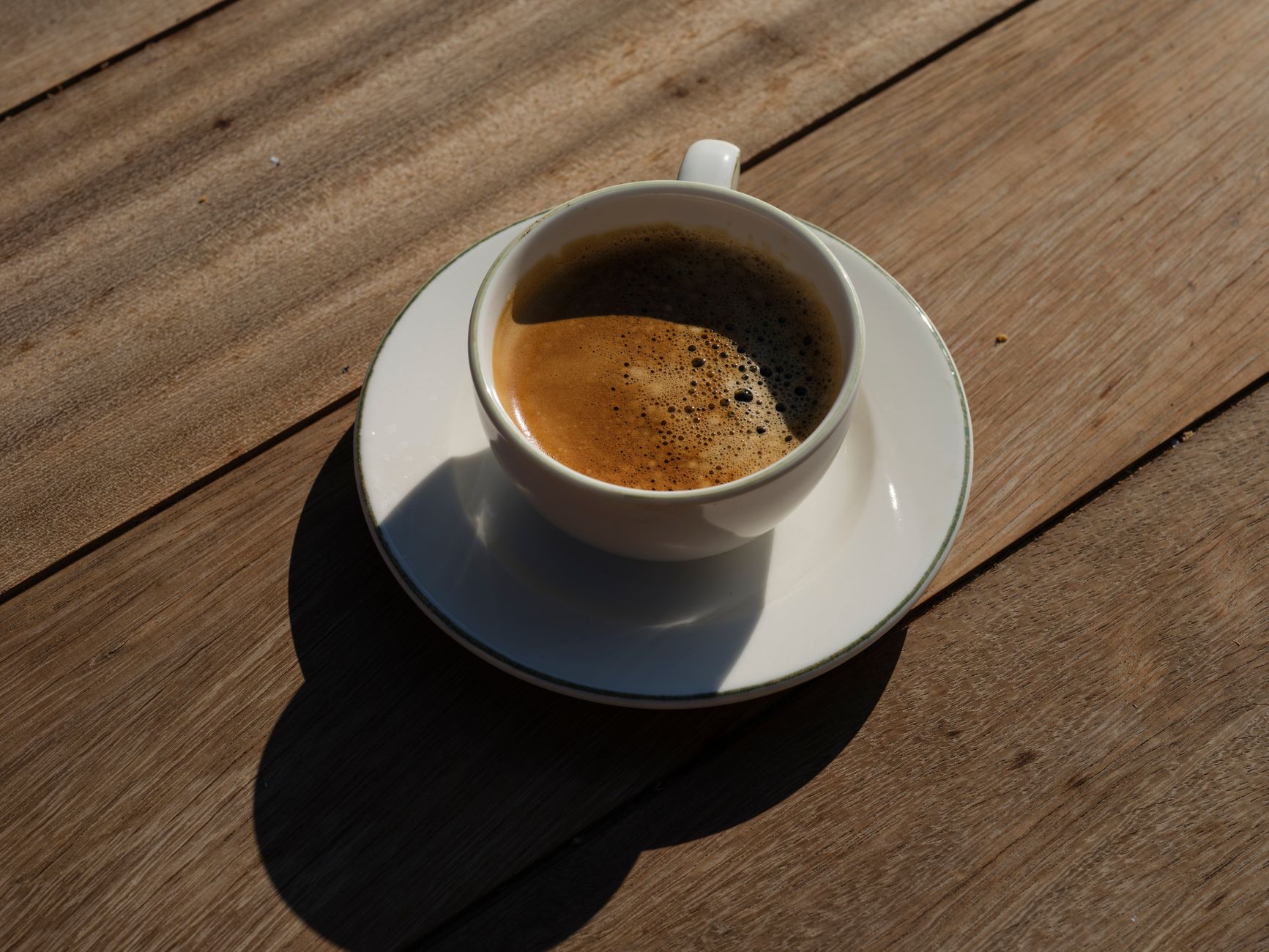 Photo: Engin Akyurt via Pexels
Founded in Portland in 1999, Stumptown helped build the second wave into third-wave transition that defined specialty coffee in the US. Now owned by Peet’s (since 2015, under JAB Holding), they’ve managed a rare trick: scaling without gutting quality. The roasts haven’t dumbed down. The sourcing partnerships — Ethiopia Yirgacheffe, Guatemala, Colombia — are maintained with published lot data.
That said, ownership matters. Peet’s acquisition brought distribution muscle and cold brew commercial deals (Stumptown canned cold brew is in most US grocery chains), but it also means the mission is corporate now. Independent roasters this isn’t. You’re paying for institutional quality control, not craft-at-scale romance.
Stumptown Coffee Lineup: What to Buy
Hair Bender is still the anchor buy. The single-origins rotate quarterly and vary more in quality — some are exceptional, a few are safe filler. The cold brew cans are genuinely good for what they are. Skip the pre-ground; Stumptown’s grind options don’t match their roast quality.
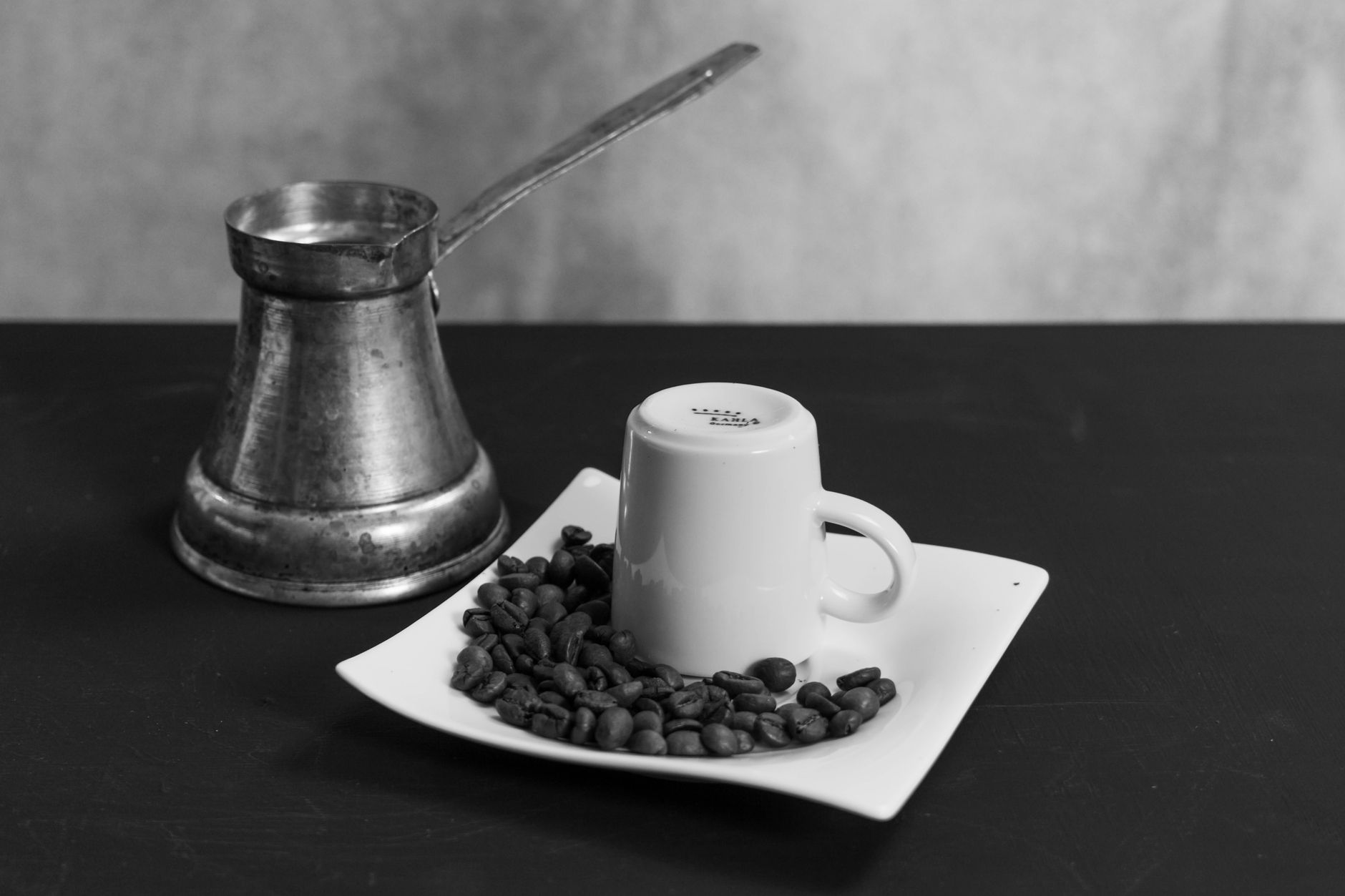 Photo: Kibo FotoArt via Pexels
Hair Bender Blend
Hair Bender is a medium-dark blend built for espresso but functional as drip. It pulls shots with reliable crema, a bittersweet chocolate base, and enough brightness to avoid tasting flat. At 18g in, you’re looking for 36–38g out in 27–30 seconds on most prosumer machines.
It’s been reformulated slightly over the years as sourcing shifts, but the profile has stayed close. This is the product that made Stumptown’s reputation, and it earns its price.
Holler Mountain Blend
Holler Mountain is their everyday medium roast — lower acid, more accessible, less interesting. It’s what you stock for guests who don’t drink specialty coffee. Not bad; not what you buy from Stumptown specifically for.
Single-Origin Rotating Lots
The single-origins are where Stumptown either impresses or disappoints depending on the rotation. Recent standouts have included a natural-processed Ethiopian that competed with dedicated single-origin roasters. Less impressive: a washed Colombian that tasted generic at the price point.
Check the current rotation before buying — lot notes and harvest dates are published on their site, which is more transparency than most.
Cold Brew Cans
Stumptown’s RTD cold brew is the most mainstream-accessible product they make. For canned cold brew, it’s genuinely good: 145mg caffeine per can, low bitterness, no artificial sweeteners. If you’re buying cold brew at a grocery store, this is the correct choice.
Stumptown Coffee Beans & Origins
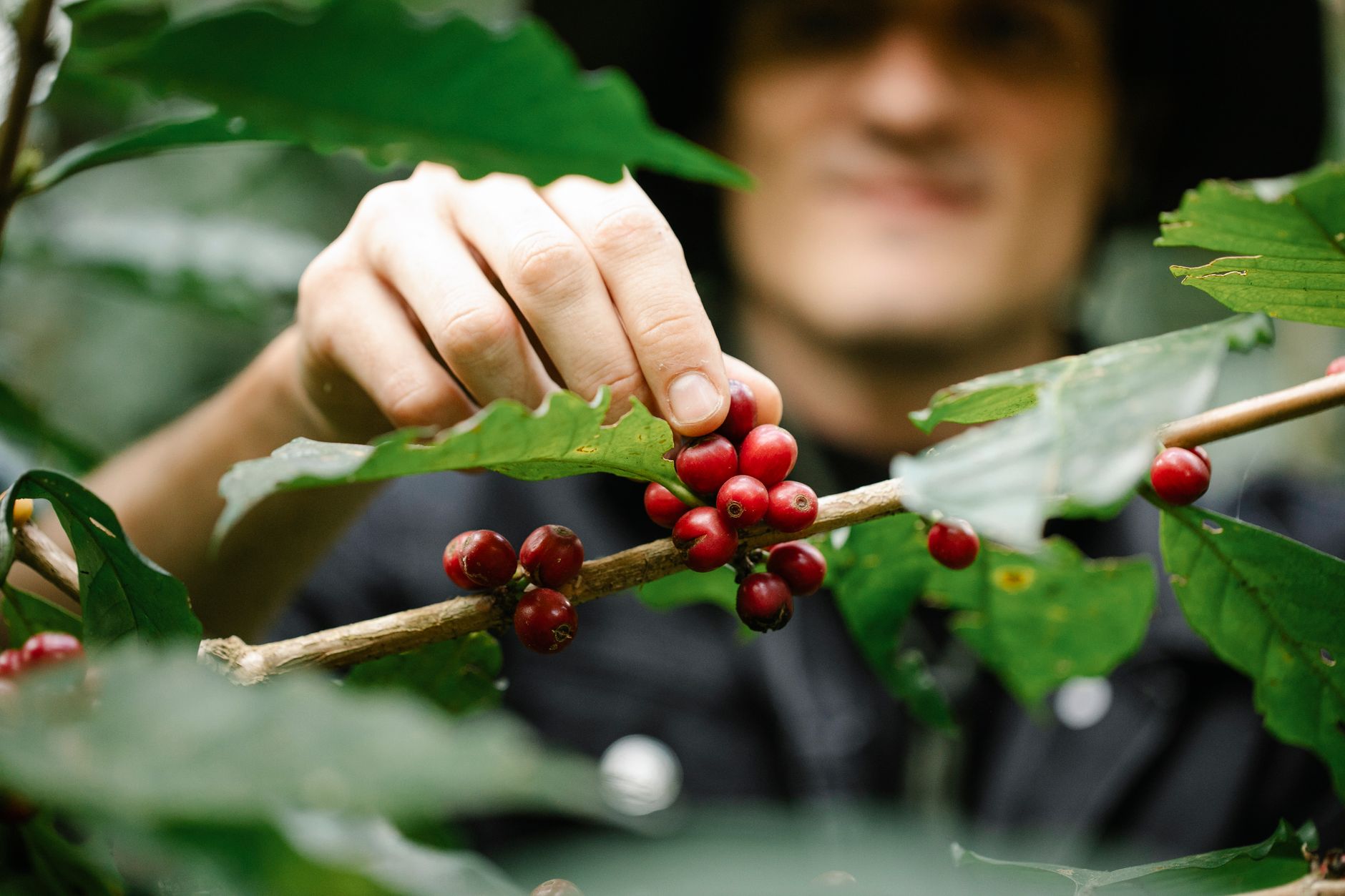 Photo: Michael Burrows via Pexels
| Country | Altitude (MASL) | Processing | Roast | Tasting Notes |
|---|---|---|---|---|
| Ethiopia (Yirgacheffe) | 1,800–2,200 | Washed | Light–Medium | Jasmine, lemon, stone fruit |
| Guatemala (Huehuetenango) | 1,500–1,900 | Washed | Medium | Brown sugar, hazelnut, mild citrus |
| Colombia (various) | 1,600–2,000 | Washed | Medium | Caramel, red apple, light chocolate |
| Sumatra | 1,100–1,600 | Wet-hulled | Dark | Cedar, dark chocolate, low acid |
| Blend components | Mixed | Mixed | Medium–Dark | Chocolate, citrus peel, black cherry |
Brew method pairing:
- Ethiopian light roasts: pour over (V60 or Chemex), 93–94°C, medium-fine grind, 1:16 ratio
- Hair Bender: espresso at 93°C, 9 bar; also good as French press at coarser grind
- Sumatra: French press or Moka pot; coarser grind tolerates the rustic profile
Espresso dose/temp offset: Hair Bender responds well at standard 93°C. The Ethiopian single-origins pull better as filter; if pulling as espresso, drop to 91–92°C and extend to 30–32 seconds to avoid thin body.
Freshness: Stumptown ships roasted-to-order for online orders. Degassing window: 2–5 days post-roast for espresso, 1–3 days for filter. Seal the bag with the built-in tie after opening; shelf life ~3 weeks open at room temperature, 6 weeks in an airtight container away from light.
Stumptown vs. Competitors
 Photo: // onetoforseeforall via Pexels
| Roaster | Price (12 oz) | Subscription? | Transparency | Best For |
|---|---|---|---|---|
| Stumptown | $17–$22 | Yes | High | Reliable espresso blends |
| Trade Coffee | $14–$20 | Yes (personalized) | Medium | Discovery, variety |
| Intelligentsia | $18–$24 | Yes | High | Single-origin geeks |
| Counter Culture | $16–$21 | Yes | Very High | Sustainability-focused buyers |
| Local micro-roasters | $14–$18 | Varies | Varies | Freshest roast dates |
Stumptown sits in the middle of the premium tier — not the most expensive, not the cheapest. Their subscription is straightforward: set frequency, pick products, flat shipping. It doesn’t match the personalization of Trade, but you know exactly what you’re getting each time.
Stumptown Subscription: How It Works
The Stumptown subscription runs on a fixed cadence: weekly, biweekly, or monthly. You choose specific products rather than receiving curated selections — which is better if you know what you want, worse if you’re trying to explore their catalog.
Discounts run 10–15% off retail. Free shipping on subscription orders. Pause and cancel is genuinely easy — no dark patterns found, cancellation takes two clicks.
The gap vs. Trade or Atlas: Stumptown’s subscription doesn’t rotate you through new lots automatically. If you want discovery built in, the subscription isn’t designed for that. Order their rotating single-origins manually, or use a discovery-first service alongside.
→ See also
- Coffee Bean Guide: Origins, Roasts, and How to Choose
- Best Coffee Subscription Boxes (2026 Ranked)
- Trade Coffee Review (2026): Is It Worth It?
FAQ
Is Stumptown Coffee good quality? Yes — Stumptown is a legitimate specialty roaster with traceable sourcing, published lot data, and consistent roast quality. Hair Bender is a reliable benchmark espresso blend. The corporate ownership since 2015 hasn’t noticeably degraded the product, though the mission has shifted from independent to institutional.
Is Stumptown worth the price? For the blends — yes. Hair Bender and Holler Mountain are fairly priced for their consistency and quality. The single-origins are occasionally overpriced relative to comparable lots from smaller roasters. If budget is a factor, Trade Coffee or Counter Culture offer similar transparency at comparable price points.
Where is Stumptown coffee roasted? Stumptown roasts in Portland (OR), New York, and Los Angeles. The Portland roastery is the original and primary production facility. Online orders ship from the nearest roastery to reduce transit time.
Does Stumptown do whole bean or pre-ground? Both — but buy whole bean. Their pre-ground options don’t list grind size precisely, which matters for extraction. Grind fresh to your brew method for noticeably better results, even with a modest burr grinder.
How does Stumptown compare to Intelligentsia? Both are high-quality specialty roasters from the same generation. Intelligentsia skews slightly more toward light roasts and single-origin exploration; Stumptown has a stronger blend lineup. Price is similar. If you primarily drink espresso, Stumptown; if you primarily drink filter single-origins, Intelligentsia is worth trying.
Editorial methodology: Assessments are based on manufacturer specifications, published user reviews, and editorial research. Physical hands-on testing is noted explicitly where it occurred. Rankings reflect our editorial judgment and are not influenced by affiliate commission rates. Full editorial policy · Affiliate disclosure