Contents
Counter Culture Coffee Review (2026): Worth the Hype?
TL;DR: Counter Culture is one of the most respected specialty roasters in the US — direct-trade sourcing, consistent roast quality, and a well-run subscription make it a strong pick for home baristas. The price is high but the cup quality justifies it for most buyers. If you want transparent sourcing and reliably excellent single-origins, this counter culture coffee review lands firmly in “buy it” territory.
What Makes Counter Culture Different?
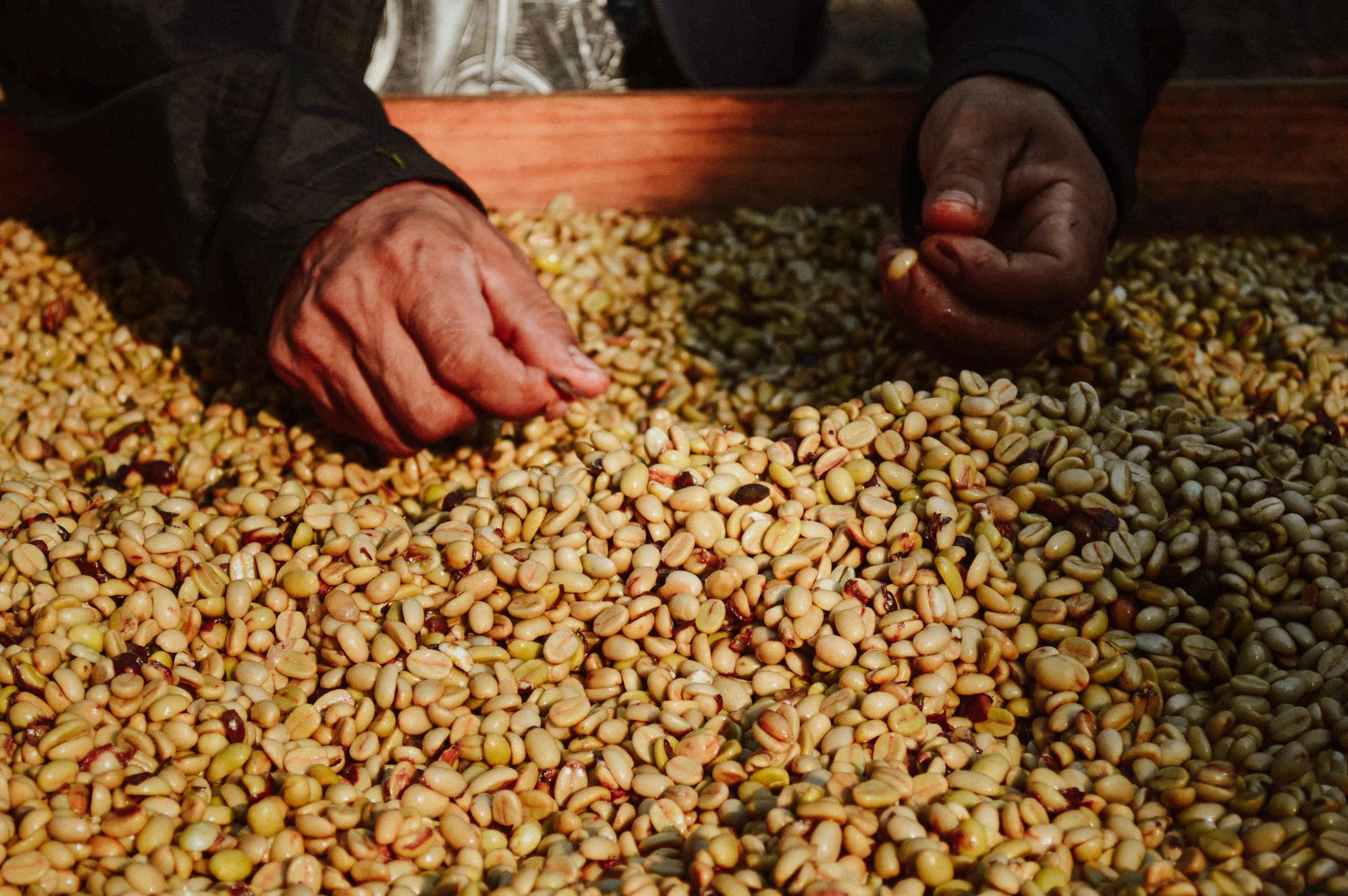
Counter Culture has been doing direct-trade sourcing since before it was a marketing term. Their relationships with producers in Ethiopia, Colombia, and Guatemala span years — sometimes decades — and the transparency on each bag (farm name, altitude, processing method) backs that up. The roast approach skews light-to-medium, which preserves origin character rather than masking it.
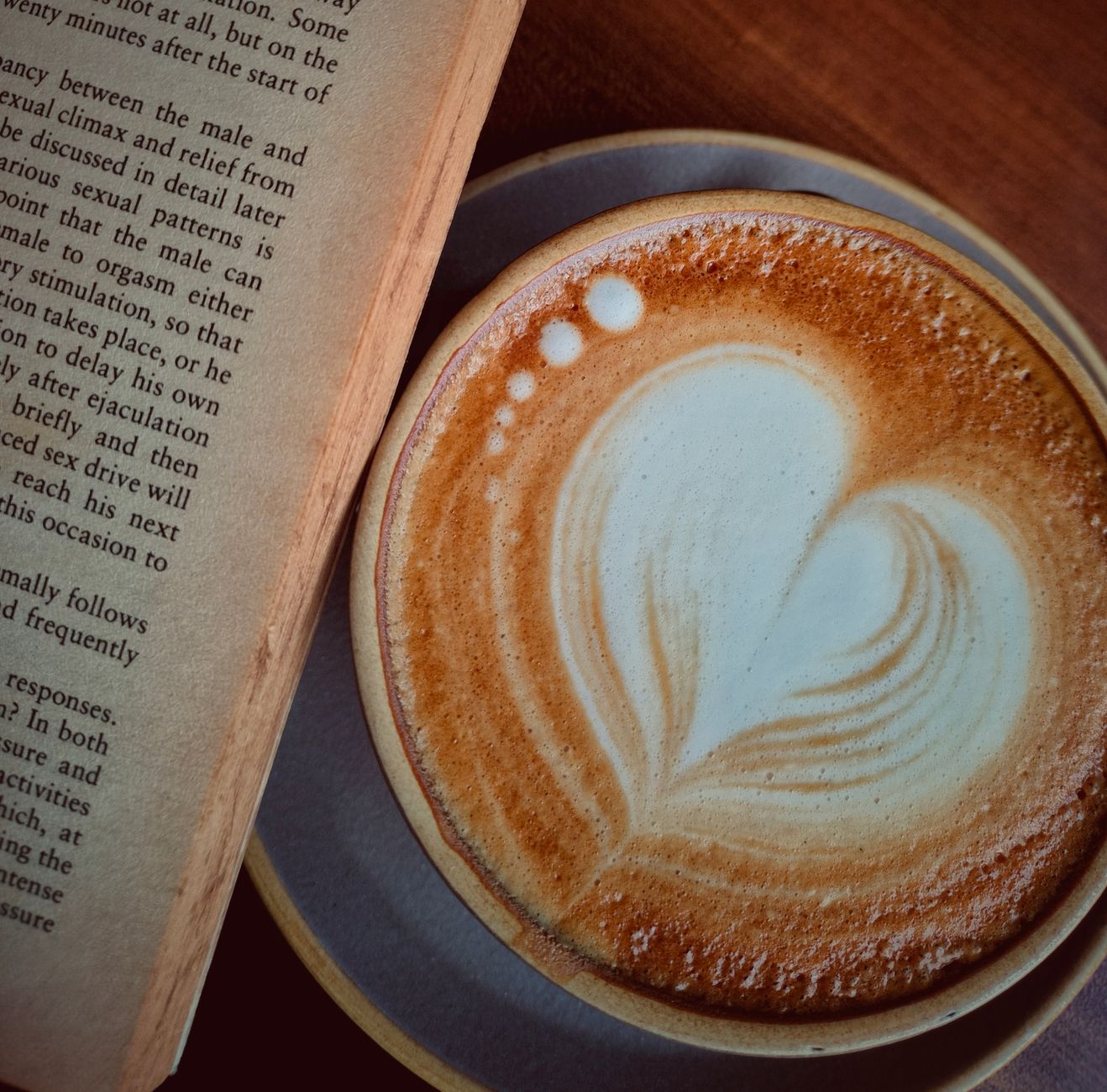 Photo: Gitika Sonthalia via Pexels
Founded in Durham, NC in 1995, Counter Culture runs training centers across the US — a detail that matters for home brewers: their educational content is free, accessible, and actually useful. The company is B Corp certified and publishes an annual transparency report covering pricing paid to producers.
Where most roasters describe sourcing in vague terms, Counter Culture publishes the farm, the cooperative, the lot, and the FOB price they paid. That level of detail is rare even in specialty coffee.
Coffee Quality: Single Origins vs. Blends
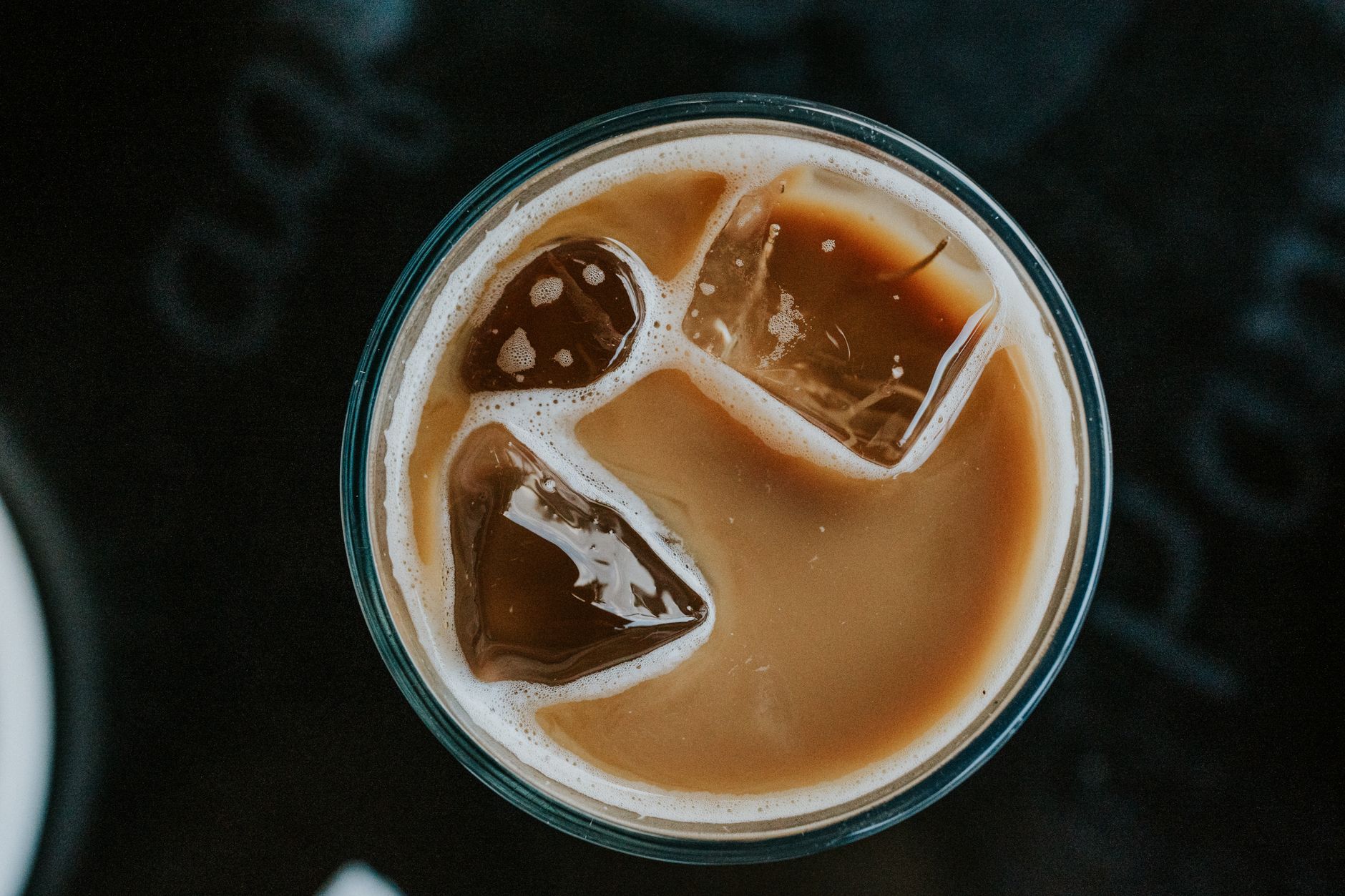
Single-origins are where Counter Culture shines. The Hologram blend (their flagship espresso) is dialed-in and consistent batch to batch — a reliable daily driver. Their single-origins rotate seasonally and reward attention: the same Ethiopian Yirgacheffe can show strawberry and jasmine one year, then pivot toward darker berry the next depending on the harvest.
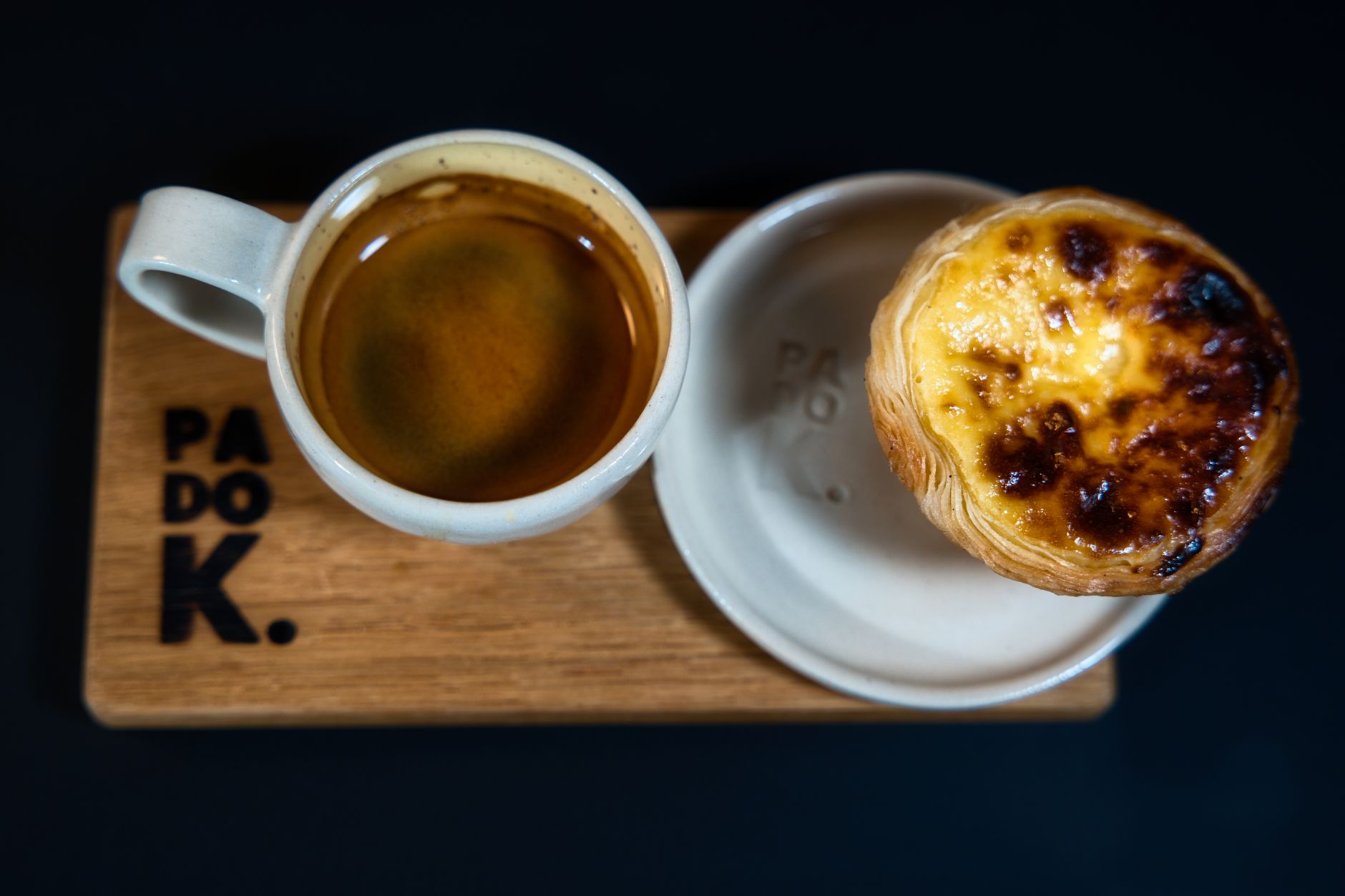 Photo: Travel with Lenses via Pexels
Flagship Products Worth Knowing
| Product | Type | Roast | Best Brew Method | Notes |
|---|---|---|---|---|
| Hologram | Blend | Medium | Espresso / Moka | Chocolate, dried fruit, balanced acidity |
| Apollo | Blend | Light-Medium | Filter / Pour-over | Bright, stone fruit, crowd-pleasing |
| Big Trouble | Blend | Medium | Drip / French Press | Nutty, approachable, forgiving |
| Ethiopia Keramo | Single Origin | Light | Pour-over / Aeropress | Floral, citrus, jasmine |
| Colombia El Puente | Single Origin | Light-Medium | V60 / Chemex | Caramel, red apple, clean finish |
Hologram is their most consistent espresso offering — it pulls reliably across a range of machines without demanding a dialed-in single-boiler. Apollo works as a filter coffee for people who want sweetness without aggressive acidity.
The Subscription: How It Works
Counter Culture’s subscription ships every 1, 2, or 4 weeks. You choose whole bean or ground, roast preference (light/medium/dark), and whether you want single-origins, blends, or both. Pricing runs $18–$22 per 12 oz bag before shipping — not cheap, but in line with comparable specialty roasters.
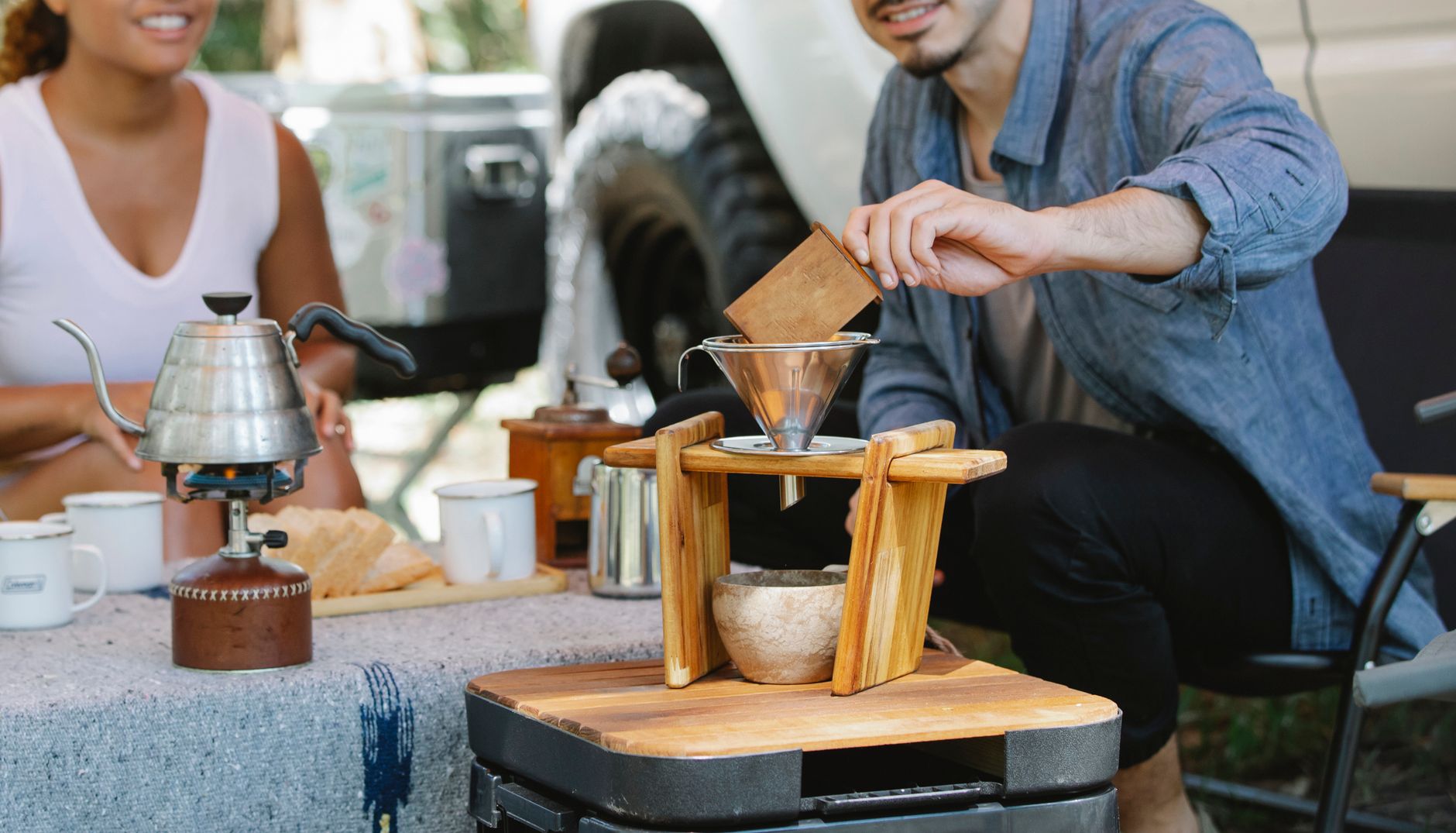
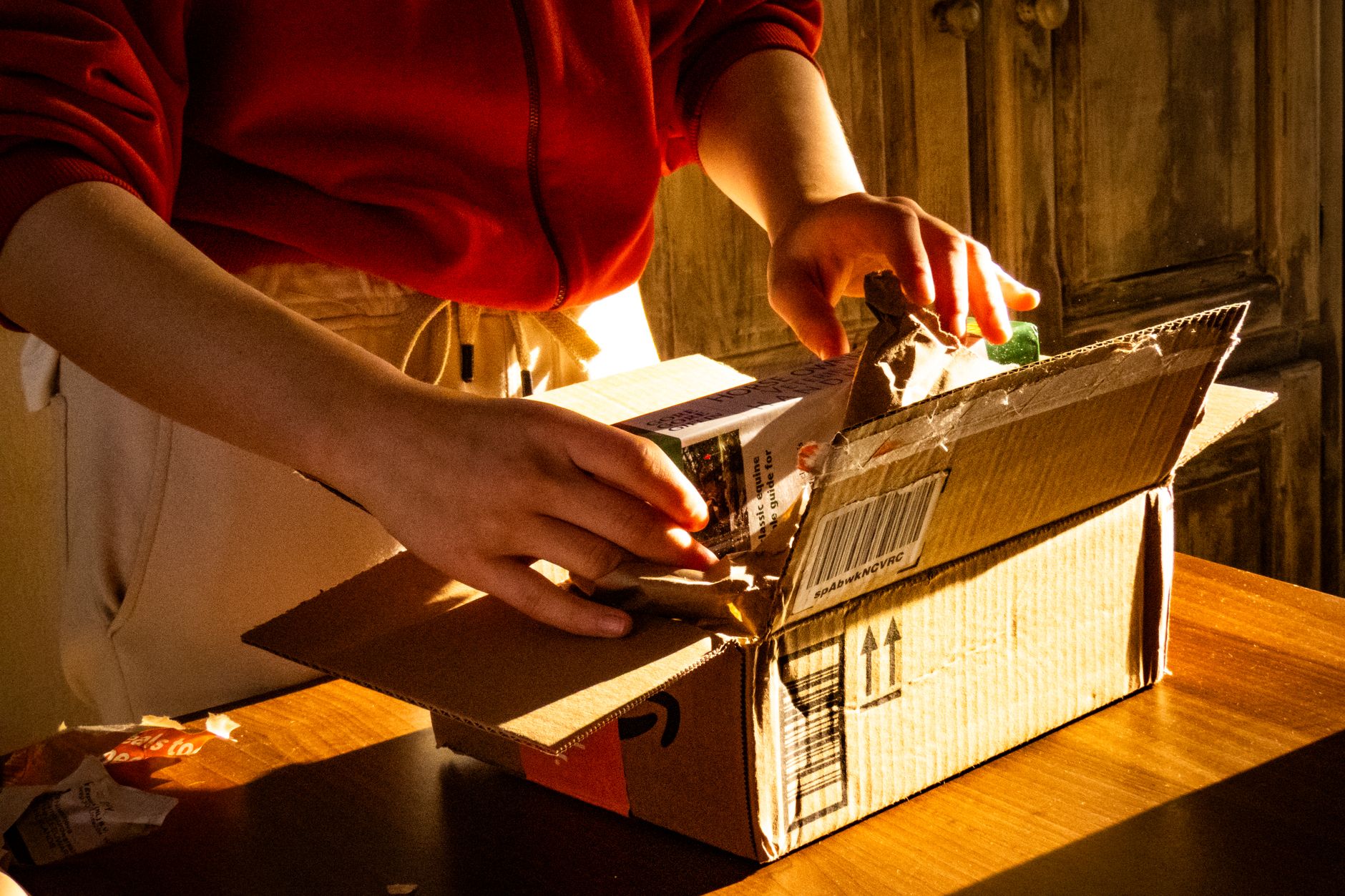 Photo: Vladislovas Sketerskis via Pexels
The subscription has one genuine advantage over competitors: Counter Culture roasts to order. Bags typically arrive 2–4 days post-roast, which means you’re not fighting through stale coffee before you get to the good stuff.
Compared to services like Trade or Mistobox, Counter Culture’s subscription is less personalized — you’re choosing a category, not answering a flavor quiz. If you already know what you like, that’s fine. If you’re exploring, the curation is less hand-held.
Cancellation is straightforward — no retention flows, no discount pop-ups, just a cancel button that works.
Beans & Origins Deep Dive
Ethiopia Keramo
| Country | Altitude (MASL) | Processing | Roast | Tasting Notes |
|---|---|---|---|---|
| Ethiopia | 1,800–2,200 | Washed | Light | Jasmine, lemon zest, peach, black tea |
Brew pairing: V60 or Kalita Wave to preserve the florals; Aeropress with a shorter brew time (2:00–2:15) if you want more body. Grind finer than you would for a typical light roast — Ethiopian washed coffees often under-extract if you go too coarse.
Espresso dose/temp: If pulling as espresso, bump water temp to 93–94°C and use a 1:2.5 ratio. The acidity can get sharp below 92°C.
Freshness: Degass 5–7 days post-roast for filter, 7–10 days for espresso. Shelf life after opening: 3–4 weeks in an airtight container away from light. Freezing in sealed weekly portions works well for this one.
Colombia El Puente
| Country | Altitude (MASL) | Processing | Roast | Tasting Notes |
|---|---|---|---|---|
| Colombia | 1,600–1,900 | Washed | Light-Medium | Caramel, red apple, brown sugar, clean |
Brew pairing: Chemex or Clever Dripper for a cleaner, balanced cup. Works well as cold brew concentrate — 12-hour steep, 1:8 ratio.
Espresso dose/temp: 92–93°C, standard 1:2 ratio. More forgiving than the Ethiopia for espresso.
Freshness: Ready after 4–5 days post-roast. Use within 3 weeks of opening.
Pricing vs. Value
| Roaster | Price per 12oz | Roast-to-Ship | Subscription Flexibility | Transparency |
|---|---|---|---|---|
| Counter Culture | $18–$22 | 2–4 days | Medium | Very high |
| Trade Coffee | $14–$22 | Varies | High | Medium |
| Onyx Coffee Lab | $19–$24 | 2–5 days | Medium | High |
| Intelligentsia | $17–$20 | 3–5 days | Medium | Medium |
| Blue Bottle | $15–$19 | 3–6 days | High | Low–Medium |
Counter Culture isn’t the cheapest, but the roast-to-ship timing and sourcing transparency put it ahead of most competitors in the same price bracket.
Who Should Buy Counter Culture?
Counter Culture is the right call if you:
- Want reliably excellent light-to-medium roasts without the guesswork
- Care about ethical sourcing and want documentation, not just language
- Already own a decent grinder (Baratza Encore
Skip it if you:
- Prefer dark roasts — Counter Culture’s darks are limited and not their focus
- Want a heavily personalized subscription that learns your taste over time
- Are price-sensitive; $20+ per bag adds up fast on a daily-driver budget
→ See Also
- Coffee Bean Guide: Origins, Roasts, and How to Choose
- Best Coffee Subscription Boxes (2026 Ranked)
- Trade Coffee Review (2026): Is It Worth It?
FAQ
Is Counter Culture Coffee worth the price? For most specialty coffee drinkers, yes. The combination of direct-trade sourcing, roast-to-order shipping, and consistent quality justifies the $18–$22 price point. If you’re brewing with a quality grinder and care about what’s in the bag, you’ll notice the difference.
What is Counter Culture’s best coffee for espresso? Hologram is the safest pick — it’s blended specifically for espresso, consistent across batches, and pulls well on a range of machines. If you want a single-origin espresso, the Colombia El Puente works well with a slightly lower ratio and modest temperature adjustment.
How fresh is Counter Culture Coffee when it arrives? Very fresh by specialty standards. Most orders arrive 2–4 days post-roast. For espresso, plan to wait another 5–7 days after arrival for degassing; filter coffee is typically ready within 2–3 days of receipt.
Does Counter Culture Coffee ship outside the US? No — Counter Culture ships within the continental US only. International buyers need to look at roasters with global shipping like Onyx or local specialty roasters with comparable sourcing standards.
How does Counter Culture compare to Intelligentsia or Blue Bottle? Counter Culture edges both on sourcing transparency and roast freshness. Intelligentsia has a stronger espresso program; Blue Bottle has wider retail availability. If you’re buying online and want the most documented supply chain, Counter Culture is the clearest choice.
Editorial methodology: Assessments are based on manufacturer specifications, published user reviews, and editorial research. Physical hands-on testing is noted explicitly where it occurred. Rankings reflect our editorial judgment and are not influenced by affiliate commission rates. Full editorial policy · Affiliate disclosure