Contents
What Is Specialty Coffee? The Definitive Guide
TL;DR: Specialty coffee is coffee that scores 80 points or above on the Specialty Coffee Association’s 100-point cupping scale, sourced from a specific origin, processed with care, and roasted to highlight — not hide — its natural flavors. It’s the opposite of commodity coffee: traceable, intentional, and evaluated by certified professionals at every step of the supply chain.
What Makes Coffee “Specialty”?
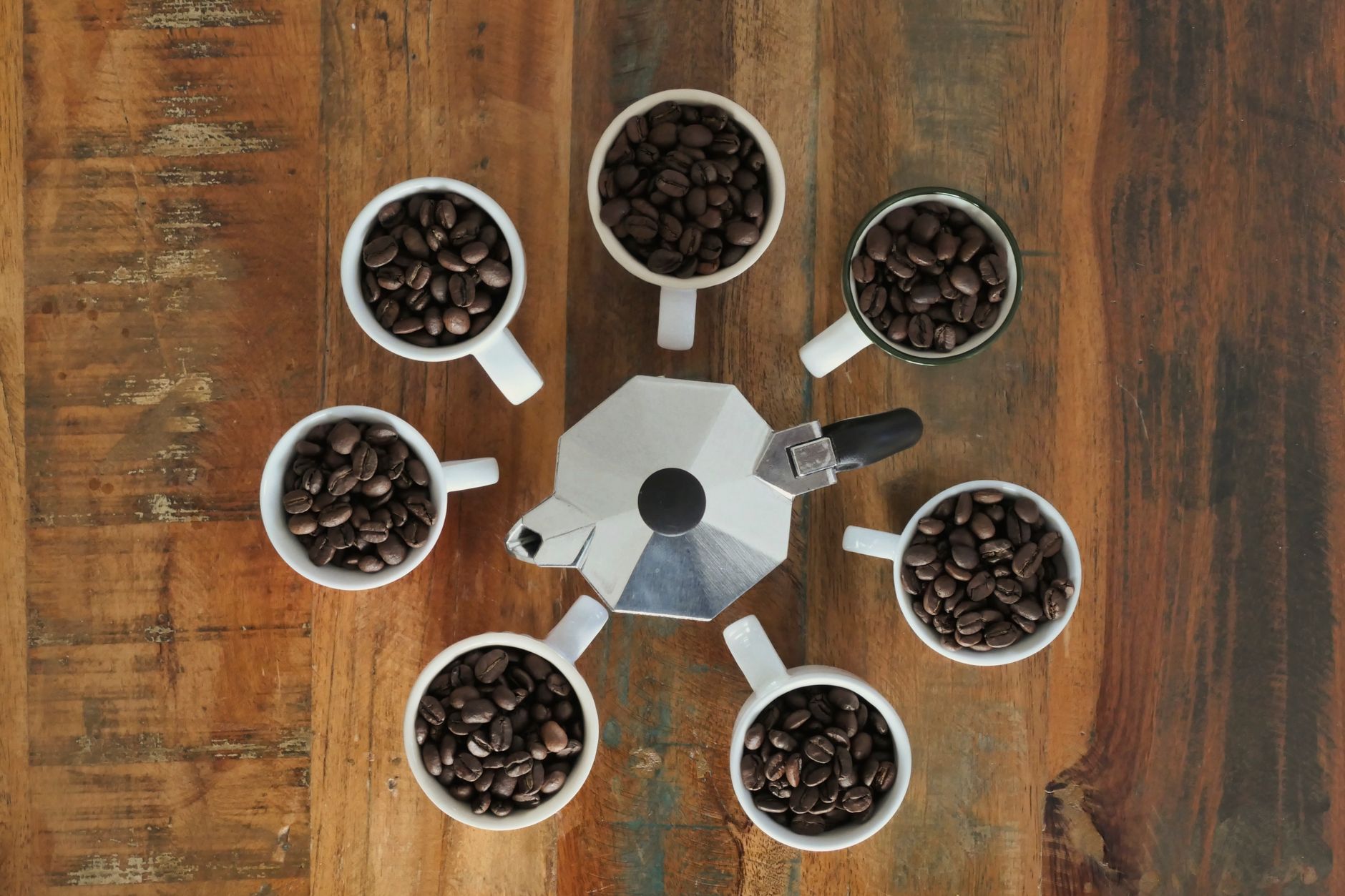
The SCA definition is precise: a green coffee scoring 80+ points on a standardized cupping form, with zero category-one defects and no more than five category-two defects per 350g sample. That score isn’t marketing — it’s a graded assessment by a licensed Q Grader across ten sensory categories including aroma, flavor, aftertaste, acidity, body, and uniformity.
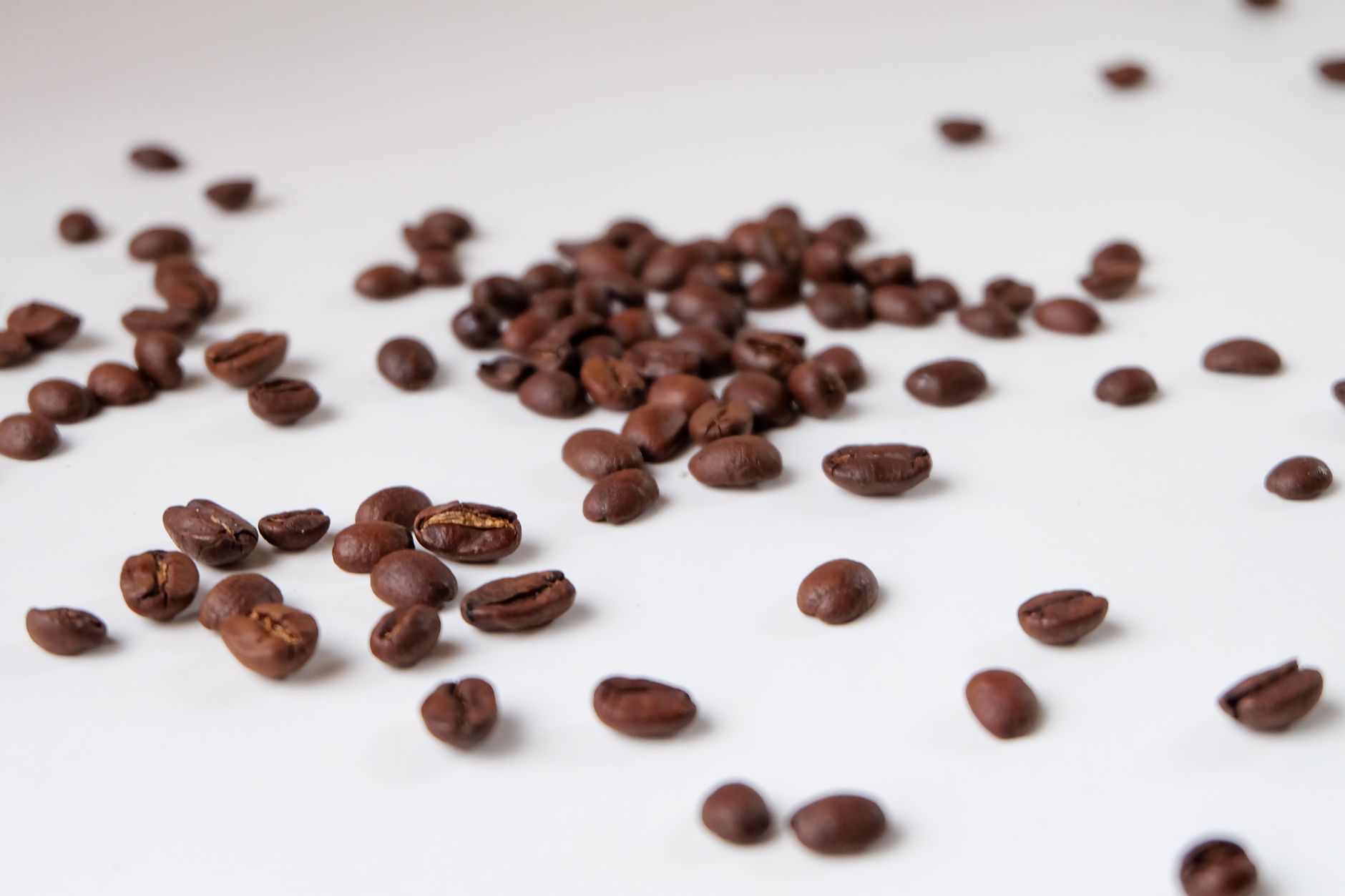 Photo: Sydnee More via Pexels
The Specialty Coffee Association (SCA) set this benchmark in the 1980s, and it remains the global standard. Below 80 points is “premium” or commodity grade. Above 90 is exceptional — a score that might appear once or twice per harvest at a single farm.
What separates a 78-point lot from an 82-point lot isn’t just taste. It’s decisions made months or years before the coffee reaches a roaster: which cultivar was planted, at what altitude, how the cherries were picked (selective hand-picking vs. strip harvesting), and which post-harvest process was used.
The Specialty Coffee Supply Chain
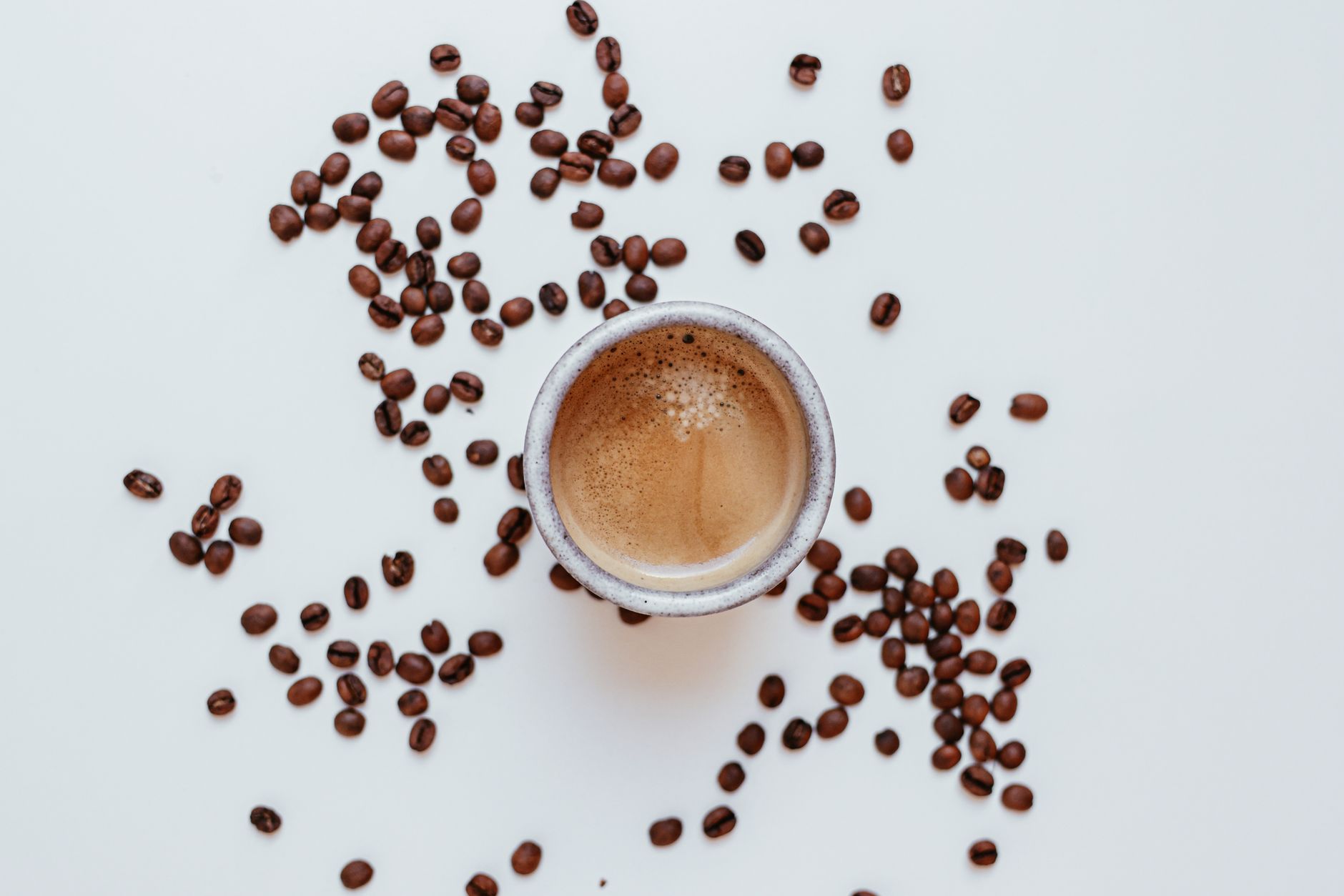
Specialty coffee is defined as much by traceability as by taste. You can usually identify the country, region, farm or cooperative, cultivar, and processing method on the bag. That level of specificity is impossible in commodity coffee, which blends hundreds of origins to hit a price point, not a flavor profile.
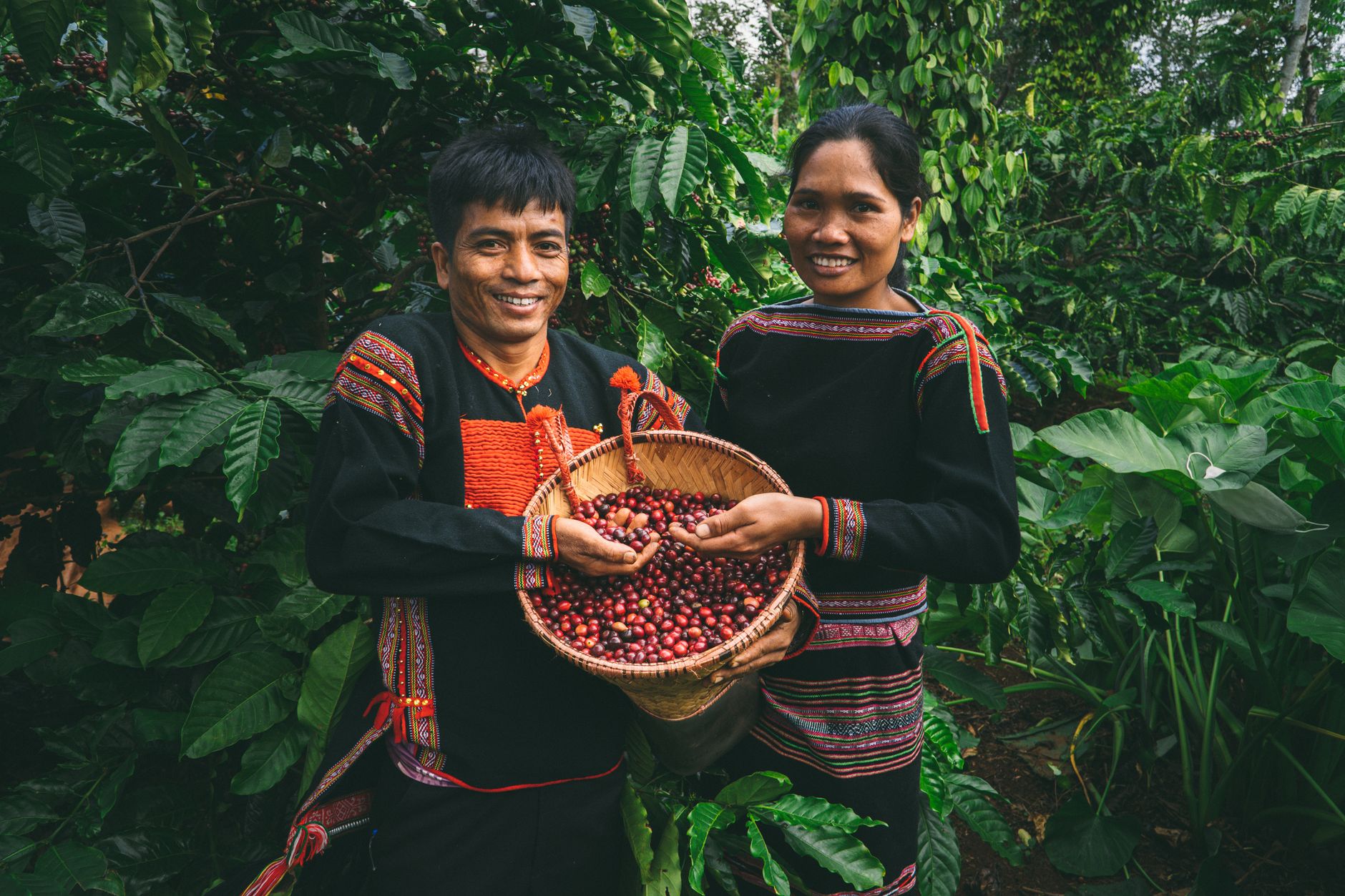 Photo: Nay Sa Muel via Pexels
From Seed to Cup: The Key Stages
Every link in the chain matters. A perfect cherry can be ruined by poor processing; perfect processing can be undone by a careless roaster.
| Stage | Commodity Coffee | Specialty Coffee |
|---|---|---|
| Farming | Mass cultivation, mixed varieties | Single cultivar or lot, selected harvest |
| Processing | Wet or dry, industrial scale | Washed, natural, honey — controlled and monitored |
| Green grading | Not graded or loosely graded | Q Grader cupping, defect counting |
| Roasting | Dark to mask defects | Light to medium, origin-forward |
| Retail | Price-driven, pre-ground | Freshness-dated, whole bean, single origin |
Processing Methods and Why They Matter
The processing method — how the seed is separated from the fruit — is one of the most powerful levers a producer has over flavor.
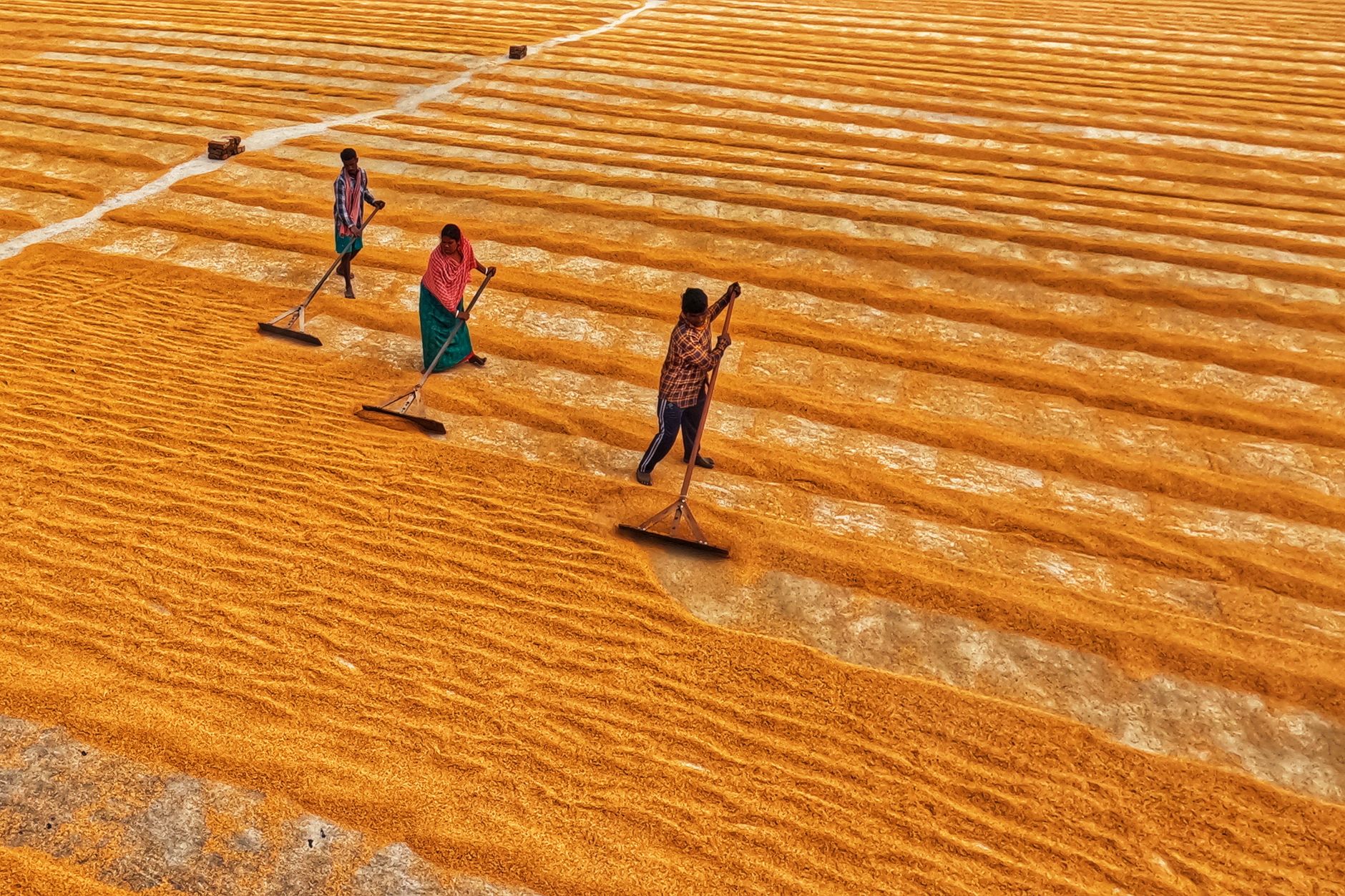 Photo: Dibakar Roy via Pexels
Washed (wet) processing ferments and washes away all fruit before drying. The result is clean, bright, and terroir-forward — the flavor comes almost entirely from the bean, not the fruit. This is the dominant method in East Africa and Central America.
Natural (dry) processing dries the whole cherry in the sun, letting the seed absorb sugars from the fruit over weeks. The result is fruity, boozy, and complex — think blueberry in an Ethiopian Yirgacheffe. It’s higher risk (fermentation can go wrong) and, when done well, produces some of the most distinctive cups in the specialty coffee guide.
Honey processing sits between the two: some fruit mucilage is left on the seed during drying. Yellow, red, and black honey refer to how much mucilage remains and how long the drying takes — more mucilage, darker the honey, more sweetness and body in the cup.
Specialty Coffee vs. Third Wave Coffee
These terms overlap but aren’t synonyms. Specialty coffee is a quality classification. Third wave is a cultural and commercial movement that treats coffee the way fine wine is treated — emphasizing origin, producer relationships, and brewing craft. All third wave coffee aspires to be specialty grade, but not all specialty coffee is sold through third wave channels.
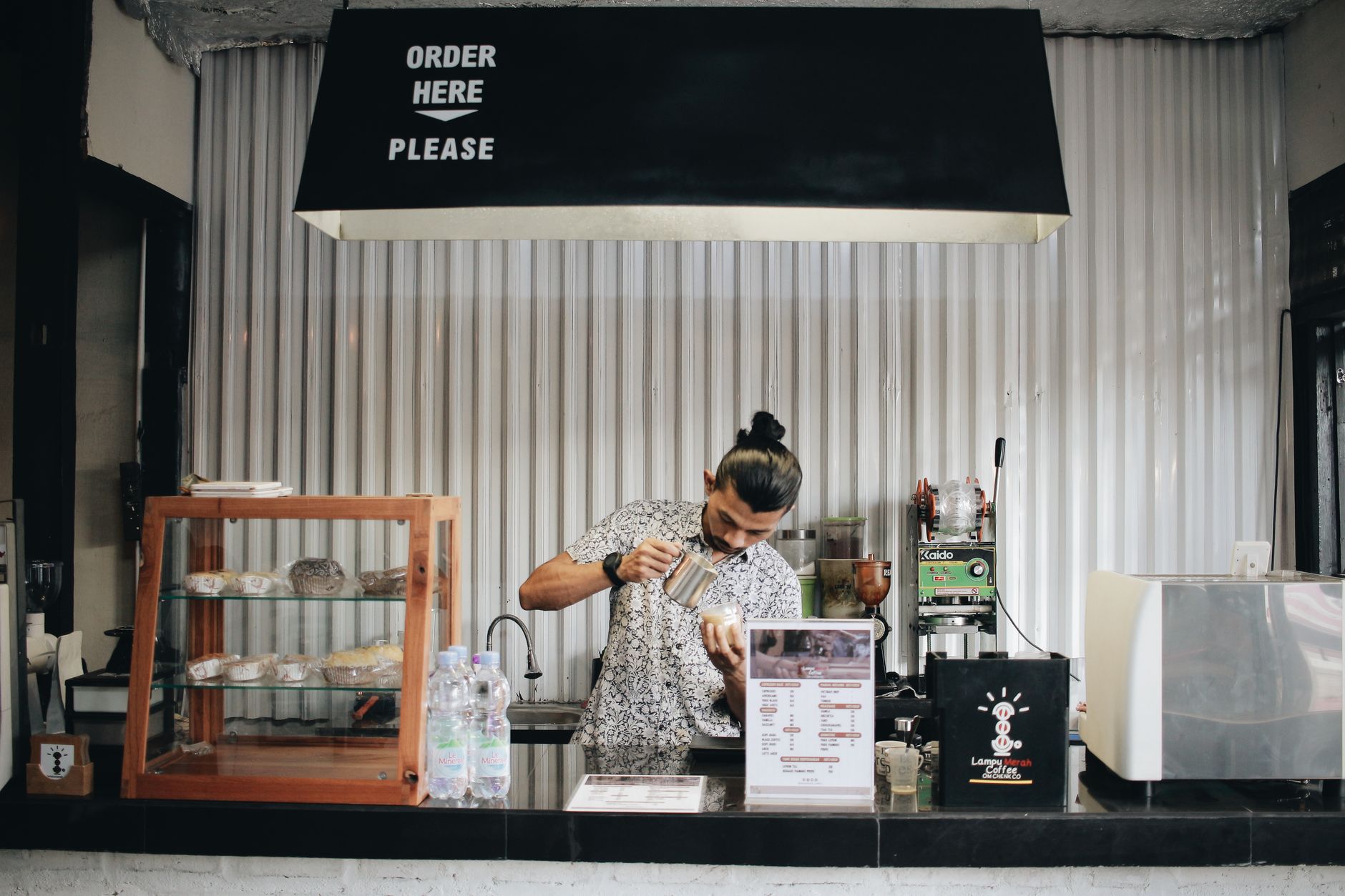 Photo: Padli Pradana via Pexels
The first wave was mass adoption (Folgers, Maxwell House). The second wave was experience and espresso drinks (Starbucks). The third wave is about the bean itself — its origin story, the farmer who grew it, the elevation, the harvest date.
This shift has practical consequences for the specialty coffee guide:
- Direct trade relationships replace commodity brokers. Roasters visit farms, pay above Fair Trade minimums, and often publish the price they paid per pound.
- Light roasts are now common, designed to preserve origin character rather than develop roast character.
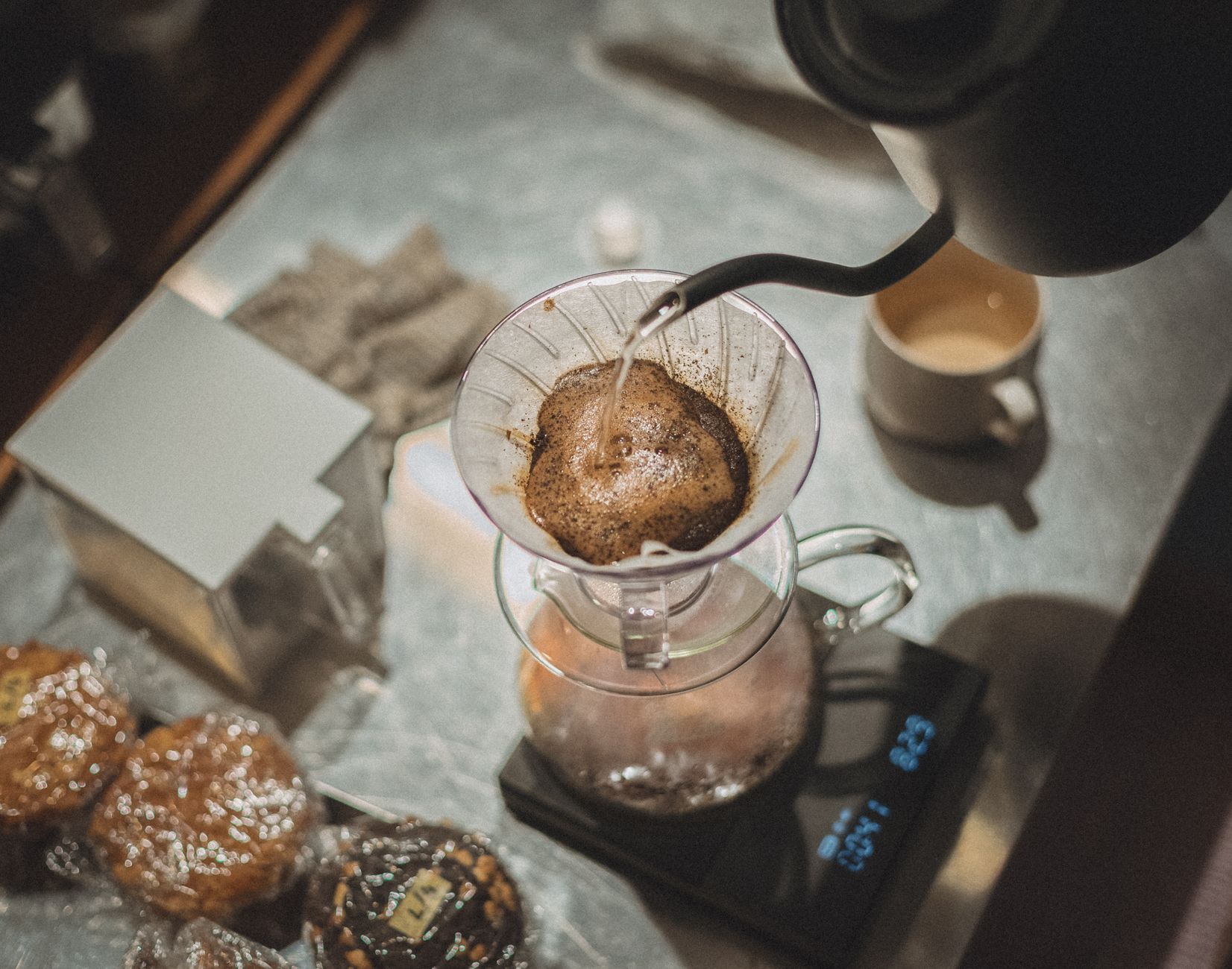
- Brew methods like pour-over, Aeropress, and siphon became mainstream because they give the brewer granular control — and specialty-grade coffee rewards that control.
→ See also: The Third Wave Coffee Movement: A Complete Guide
How to Buy Specialty Coffee
Look for a roast date (not a best-by date), a named origin (country + region at minimum, ideally farm or cooperative), and a processing method. If a bag has none of these, it’s almost certainly not specialty grade regardless of what the label says.
The practical checklist:
- Roast date within 2–4 weeks — CO₂ off-gassing peaks in the first week, flavor is optimal from day 7 to day 30
- Single origin or clearly named blend components — not “South American blend”
- SCA score or cupping notes — not required, but indicates the roaster graded the lot
- Whole bean — pre-ground loses volatile aromatics within days
Grinders Matter More Than Brewers
The single most impactful equipment upgrade in a home specialty coffee setup is the grinder, not the brewer. A flat burr grinder produces consistent particle sizes; blade grinders produce a spectrum from dust to boulders, which extracts unevenly and masks the clarity you paid for in a specialty lot.
Entry-level flat burr options worth knowing: the Baratza Encore ESP handles filter and espresso at a reasonable price point. For serious pour-over work, the Fellow Ode Gen 2 is purpose-built for filter and widely regarded as the best value in its segment.
Common Specialty Coffee Certifications
Not all certifications mean the same thing. Here’s what the labels actually indicate:
| Certification | What It Guarantees | What It Doesn’t |
|---|---|---|
| SCA Specialty Grade (80+) | Sensory quality threshold, defect count | Farming ethics, price paid to farmer |
| Fair Trade | Minimum price to cooperative, social standards | Cup quality |
| Rainforest Alliance | Environmental and social sustainability | Cup quality or price premium |
| Direct Trade | Varies by roaster — no standard body | Anything verifiable without roaster transparency |
| Organic | No synthetic pesticides/fertilizers | Flavor, quality, or fair pay |
The most rigorous quality guarantee remains the SCA cupping score, verified by a licensed Q Grader. Everything else addresses ethics, environment, or marketing — valuable, but separate from what’s in the cup.
→ See also: Best Coffee Cities in the US (2026 Guide) → See also: New York City Specialty Coffee Guide: 20 Best Cafés
FAQ
What is the difference between specialty coffee and regular coffee? Specialty coffee scores 80 or above on the SCA’s 100-point cupping scale, is sourced from a traceable origin, and is processed and roasted to highlight natural flavor. Regular or commodity coffee is blended, bulk-traded, and graded by price rather than quality. The taste difference is significant: specialty coffee is cleaner, more complex, and free of the off-flavors (earthiness, mustiness, flatness) common in low-grade commercial blends.
Does specialty coffee always have to be light roast? No. Specialty grade refers to the green coffee, not how it’s roasted. A medium or even medium-dark roast can preserve enough origin character to still taste “specialty.” However, most roasters working with high-scoring lots use lighter roasts because excessive heat destroys the delicate aromatics — floral, fruit, and acidic notes — that earned the high score in the first place.
Is Starbucks considered specialty coffee? Generally, no. Starbucks operates at second-wave scale — quality is consistent, but sourcing is volume-driven rather than lot-specific, and dark roasting masks rather than expresses origin character. Their Reserve line uses higher-quality lots and lighter roasts, which edges closer to specialty standards, but the core menu is not specialty grade by SCA definition.
What is a Q Grader? A Q Grader is a coffee professional licensed by the Coffee Quality Institute (CQI) to evaluate green coffee using the SCA cupping protocol. The certification requires passing 22 exams across sensory, physical, and technical categories, with a recertification every three years. When a roaster lists an SCA score on a bag, it should have been verified by a Q Grader — not just guessed.
How much does specialty coffee cost compared to commercial coffee? Specialty lots typically retail for $18–$30 per 250g at a roaster. Exceptional lots — competition-grade naturals, rare cultivars, micro-lots from famous farms — can reach $60–$100+. The premium reflects higher labor costs (selective picking, careful processing), smaller yields, quality sorting, and the supply-chain transparency specialty buyers require. Against the cost of a daily café drink, home specialty brewing is almost always cheaper per cup.
Editorial methodology: Assessments are based on manufacturer specifications, published user reviews, and editorial research. Physical hands-on testing is noted explicitly where it occurred. Rankings reflect our editorial judgment and are not influenced by affiliate commission rates. Full editorial policy · Affiliate disclosure