Semi-Automatic vs Automatic vs Super-Automatic Espresso Machines
TL;DR: A semi-automatic espresso machine gives you manual control over shot timing, making it the go-to for espresso enthusiasts who want quality without full manual effort. Automatic machines stop the shot for you; super-automatics grind, tamp, brew, and clean up — all at a button press. Your skill level and how much control you want determine which wins.
What’s the Actual Difference Between These Machine Types?
The core difference is how much of the brewing process each machine handles. Semi-automatics control water pressure automatically but you start and stop the shot. Automatics add programmed shot volumes. Super-automatics do everything from bean to cup — grind, dose, tamp, brew, and purge — with zero manual steps.
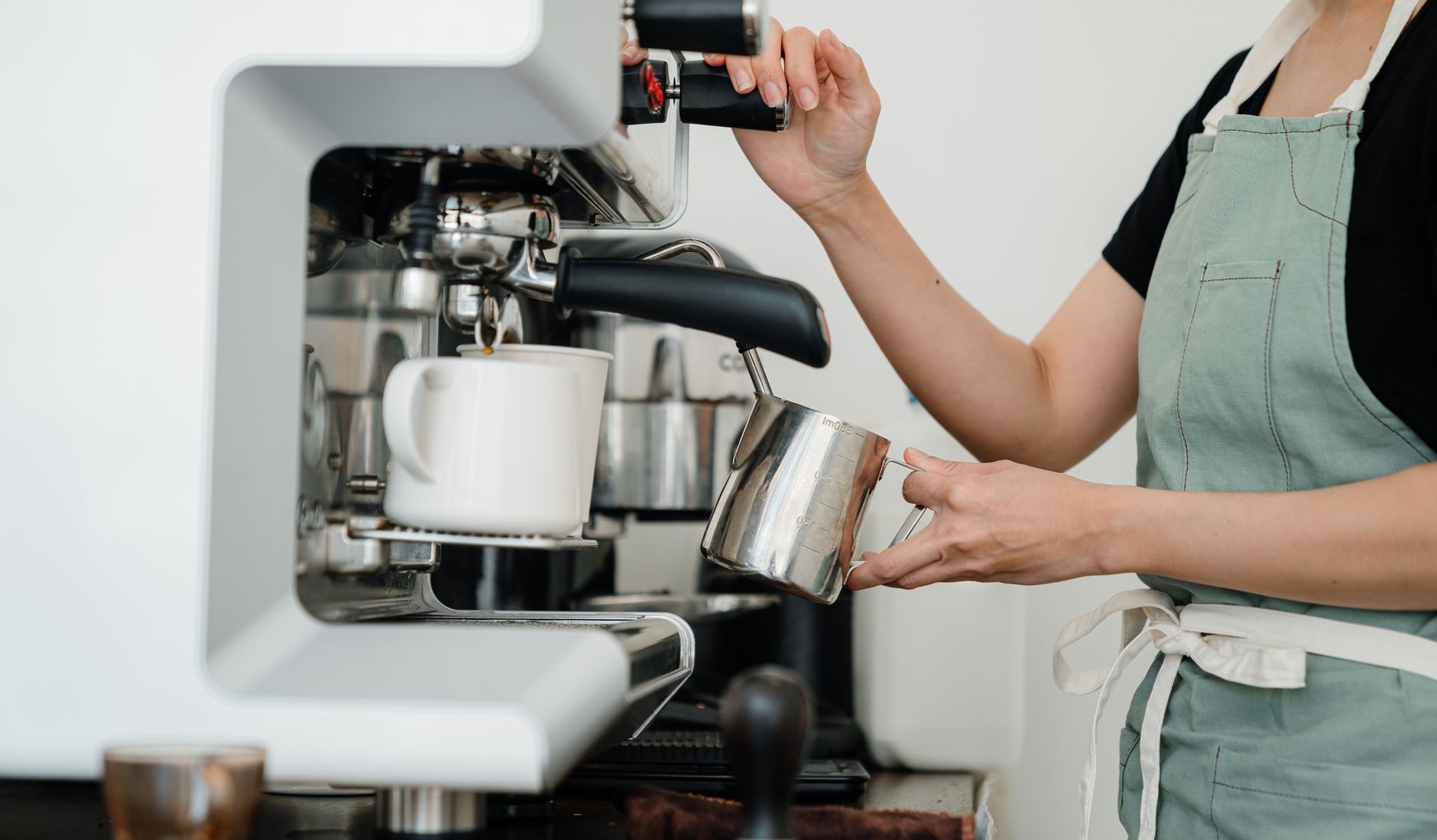
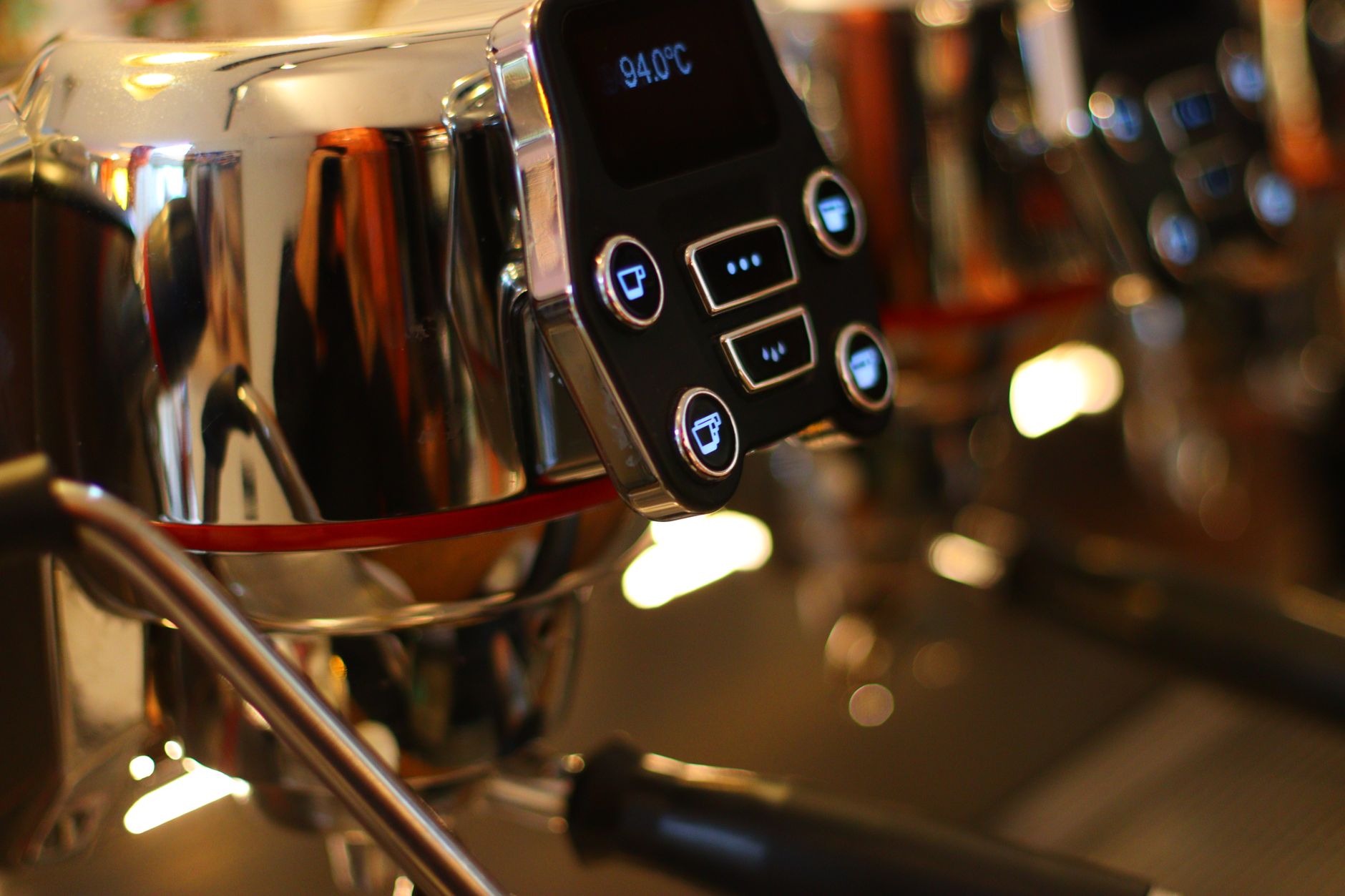 Photo: Efe Burak Baydar via Pexels
| Feature | Semi-Automatic | Automatic | Super-Automatic |
|---|---|---|---|
| Grinder required | Yes (external) | Yes (external) | Built-in |
| Shot timing | You control | Programmed volume | Fully automated |
| Tamping | Manual | Manual | Automated |
| Skill required | Medium | Low-medium | Minimal |
| Flavor control | High | Medium | Low-medium |
| Maintenance | Moderate | Moderate | High (internal) |
| Price range | $200–$2,000+ | $200–$1,500 | $400–$5,000+ |
Semi-Automatic Espresso Machines: Control Without the Complexity
Semi-automatics are the sweet spot for home baristas who want real espresso quality and are willing to learn. You load and tamp the portafilter, start the pump, watch the shot, and stop it. The machine handles pressure — you handle everything else. This split gives you the feedback loop that actually improves your espresso.
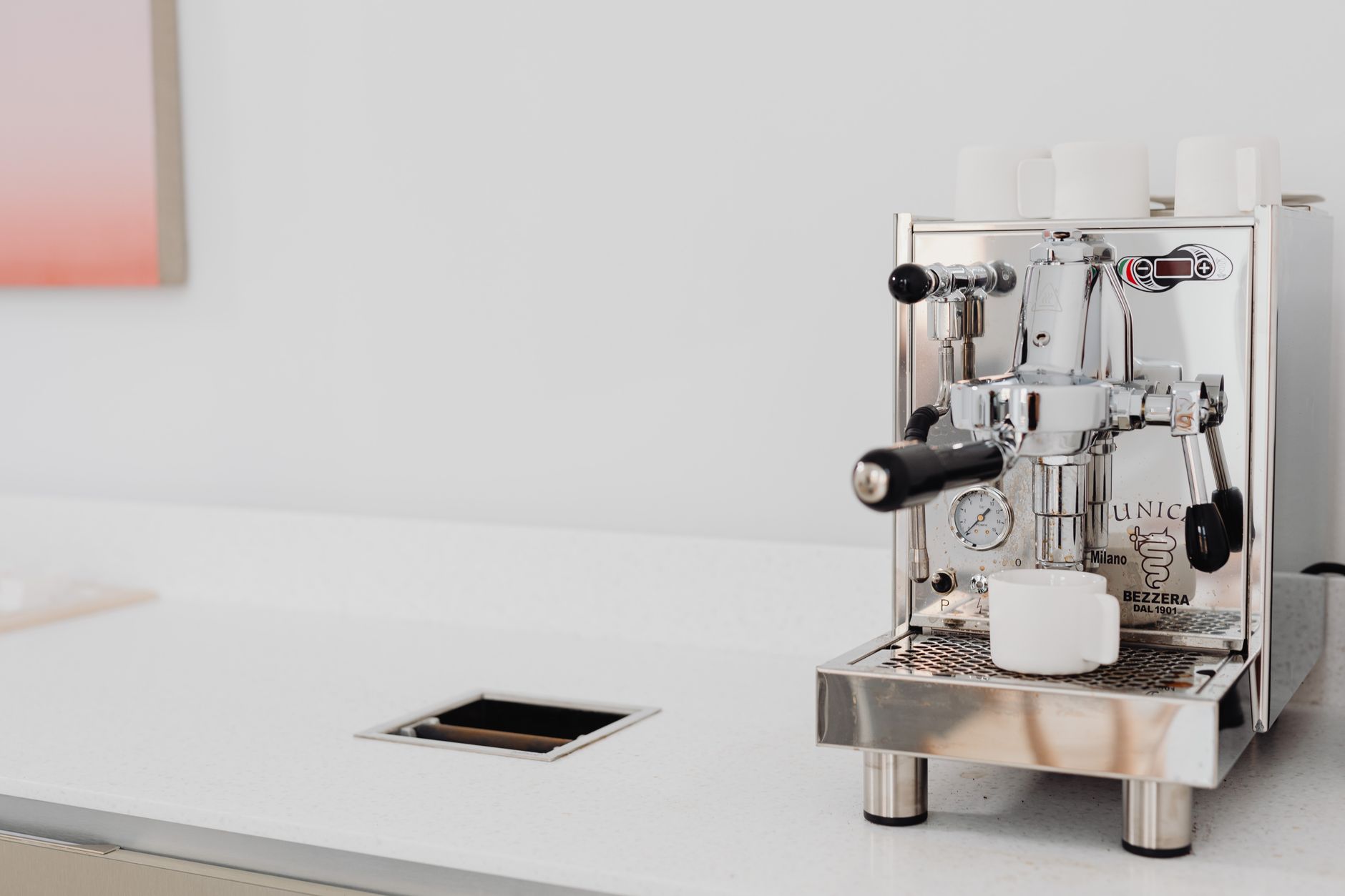
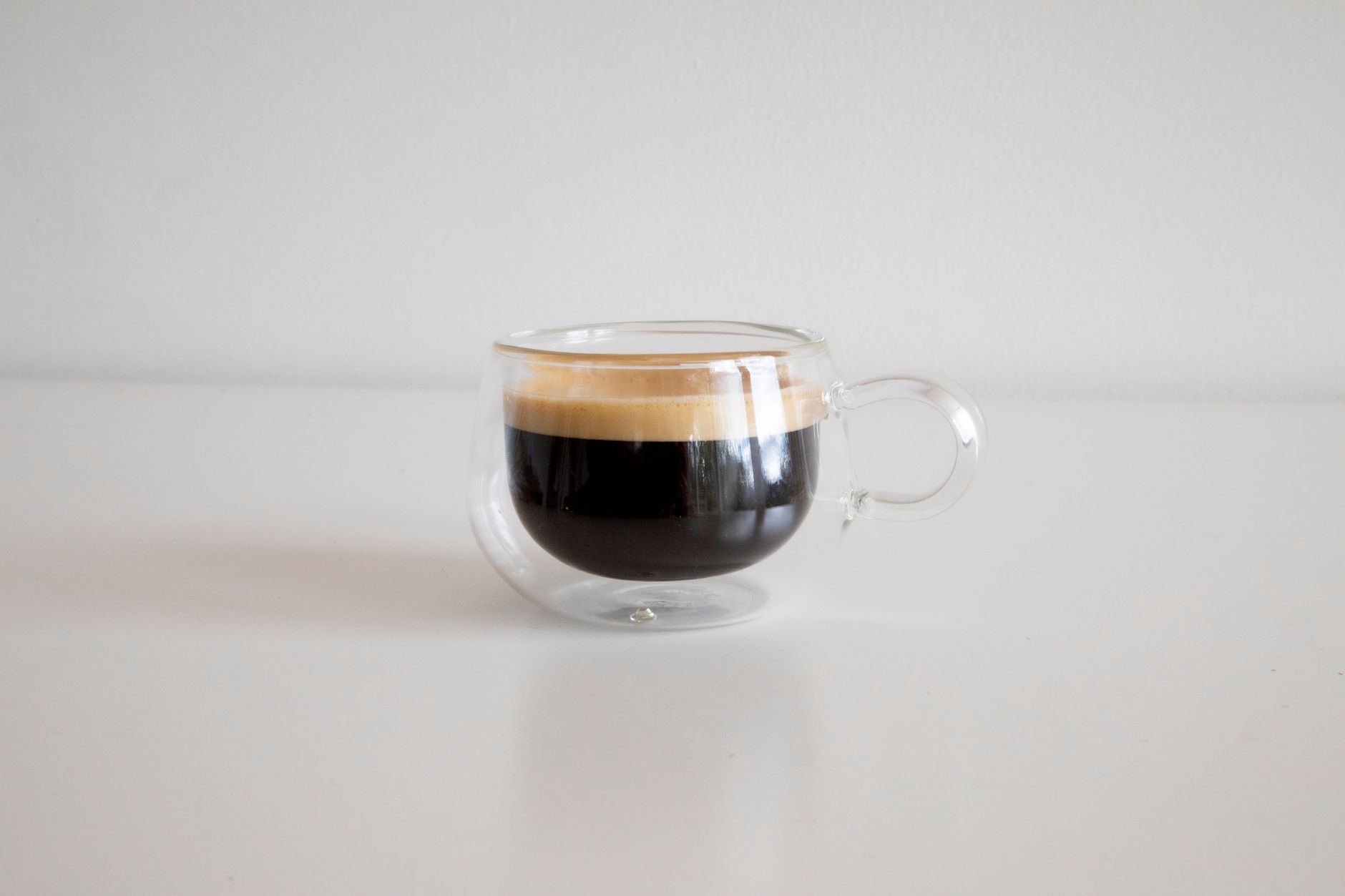 Photo: Jean-Paul Wright via Pexels
The Breville Barista Express
Where semi-automatics shine is in shot dialing. You can watch the flow rate, adjust your stop time, and taste the difference between 25 and 32 seconds. That feedback loop doesn’t exist on automatics.
Who Should Buy a Semi-Automatic?
- Home baristas willing to spend 2–4 weeks learning to dial in
- Anyone who already owns or plans to buy a quality burr grinder
- Espresso drinkers who want to taste the difference their technique makes
- Budget-conscious buyers: the best semi-automatics under $500 outperform super-automatics twice the price on shot quality
Automatic Espresso Machines: Set Volumes, Less Watching
Automatics work exactly like semi-automatics with one addition: a flow meter or timer stops the pump at a preset volume. You still grind, dose, tamp, and load — the machine just eliminates the “when do I stop?” variable. For consistent household use, this is useful. For serious dialing, it can get in the way.
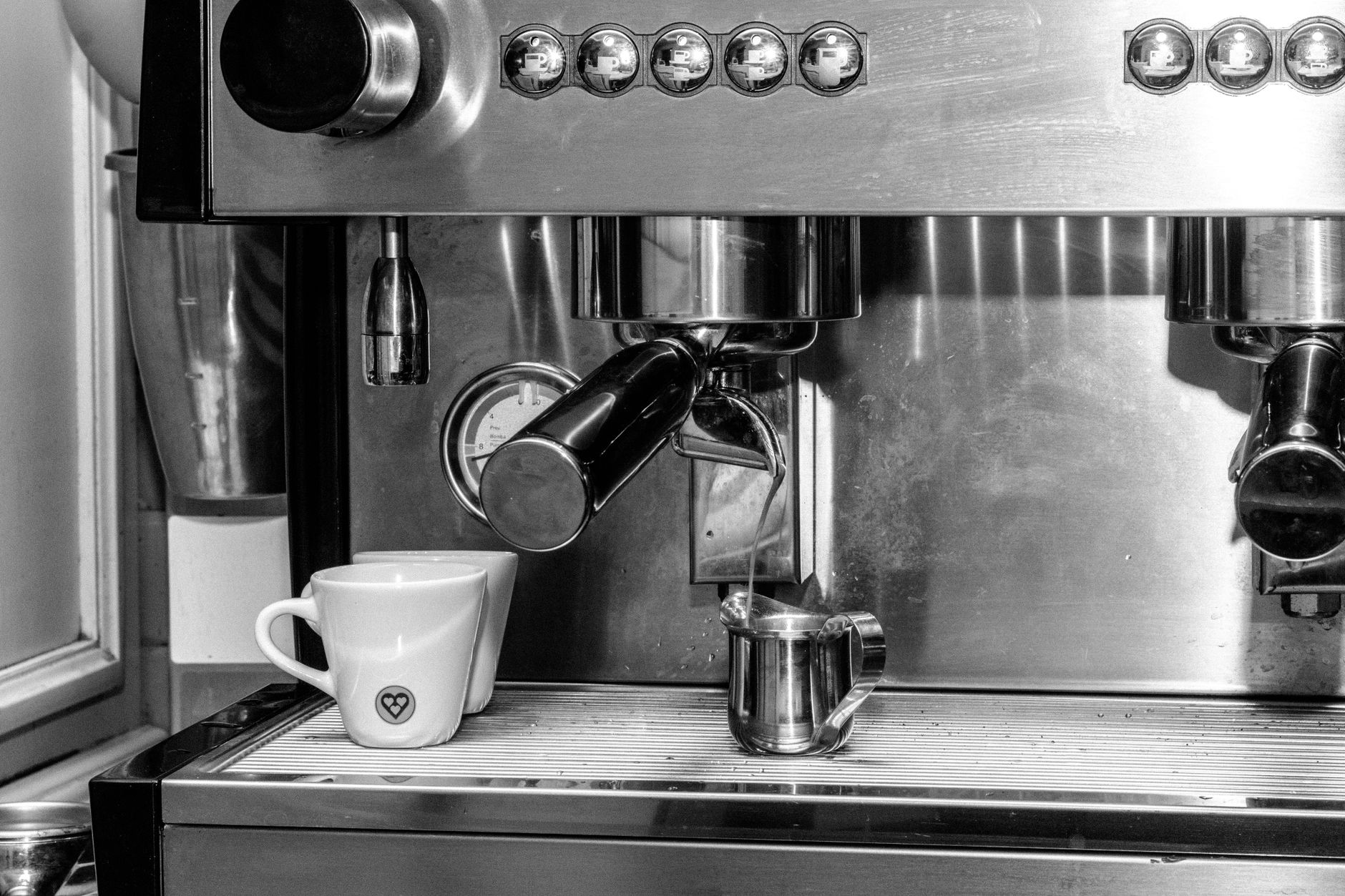
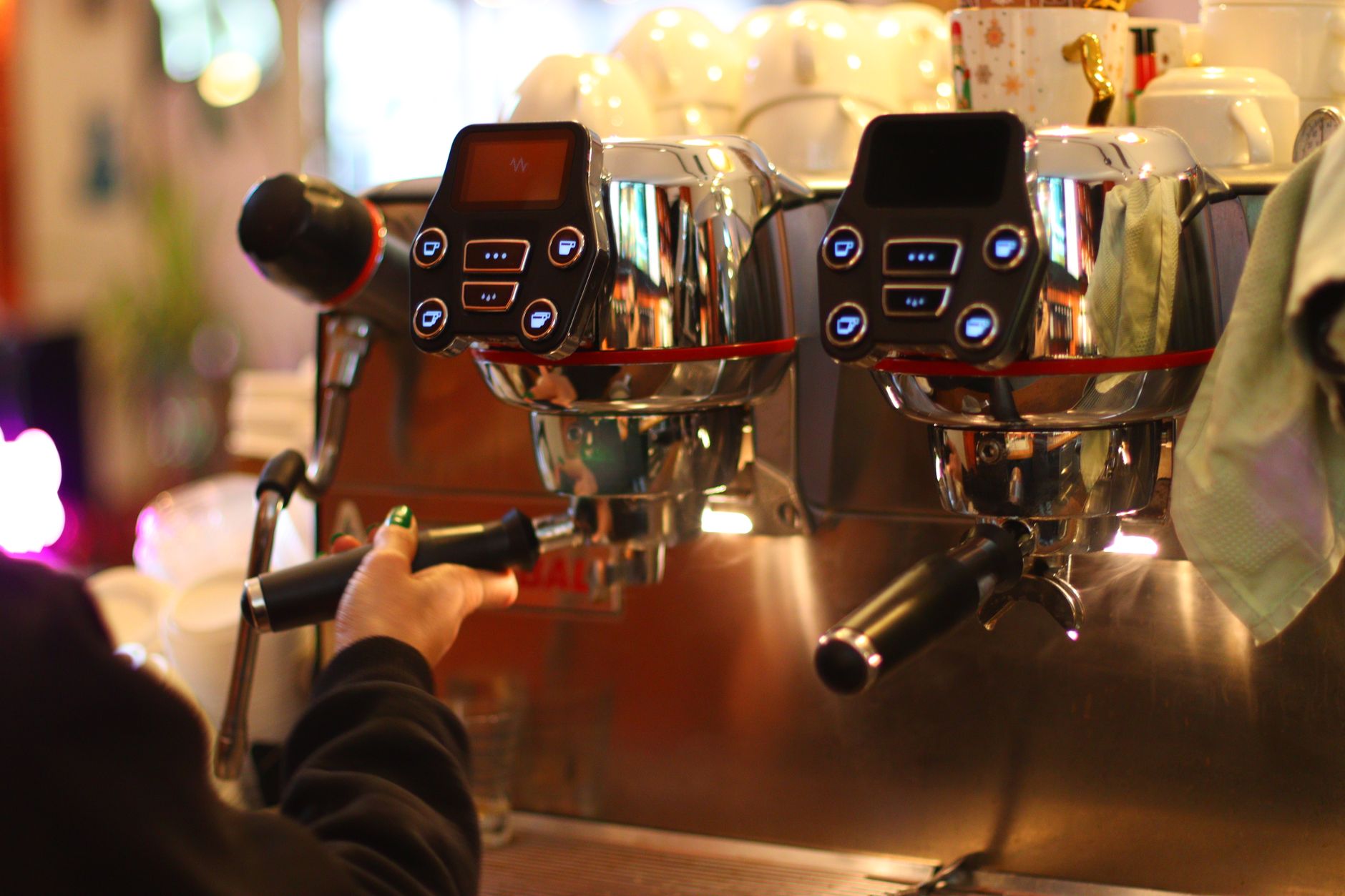 Photo: Efe Burak Baydar via Pexels
The difference in extraction quality between a well-dialed semi-automatic and a well-dialed automatic is negligible — the shot physics are identical. The difference shows up in convenience: volumetric programming means a trained grind setting reproduces the same shot without watching.
The De’Longhi La Specialista Arte
Most prosumer machines (Profitec, ECM, Rocket) offer both semi and auto modes on the same boiler. If budget allows, buying a machine with both modes gives you the best of both.
Super-Automatic Espresso Machines: One Button, Full Cup
Super-automatics (also called bean-to-cup machines) handle every step internally: whole beans go in, espresso comes out, and spent grounds get dumped automatically. You sacrifice extraction control for radical convenience. The trade-off is real — you will not match a skilled semi-automatic operator on shot quality, but you will make a decent espresso in 60 seconds, every morning, without thinking.
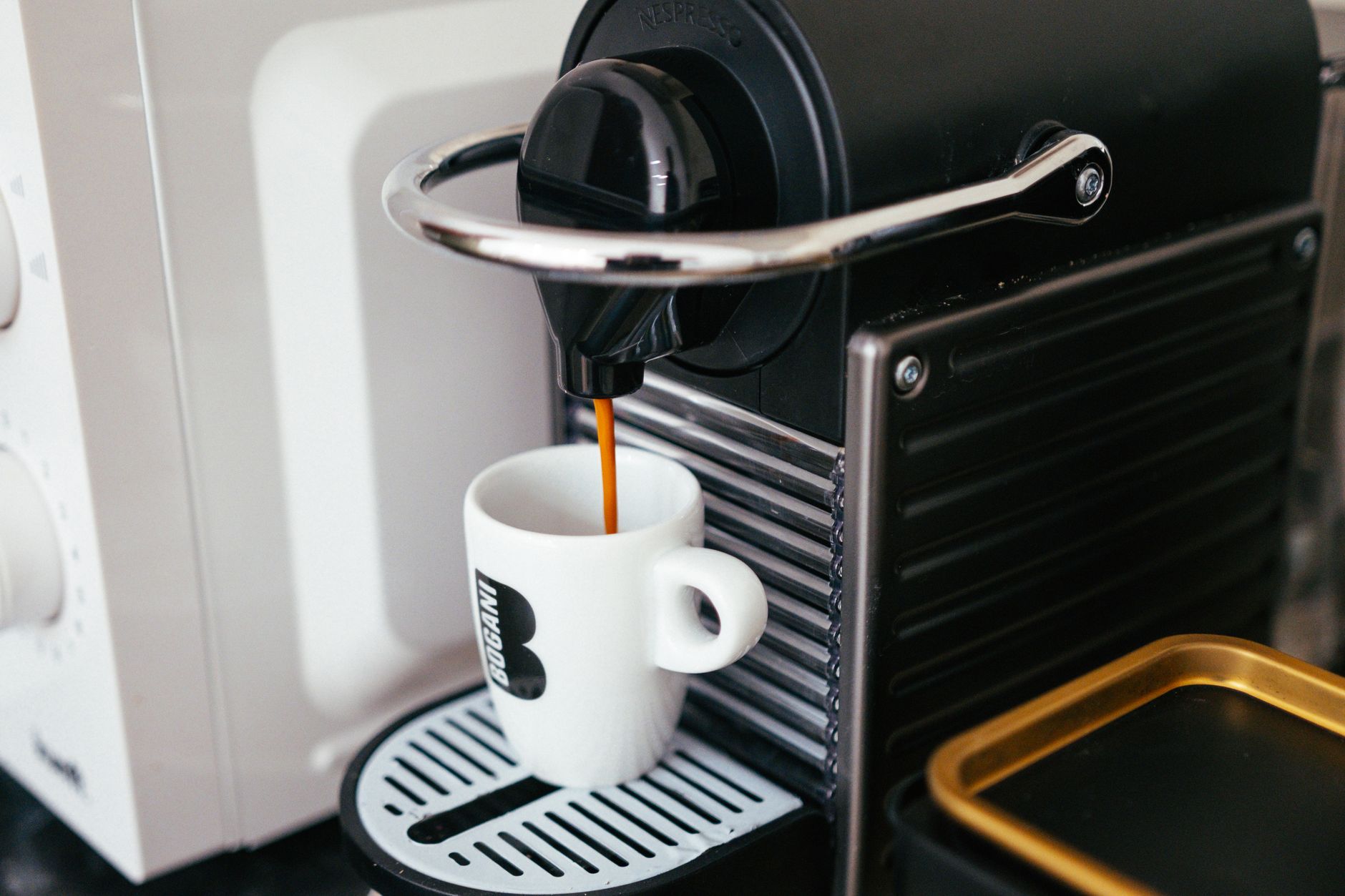
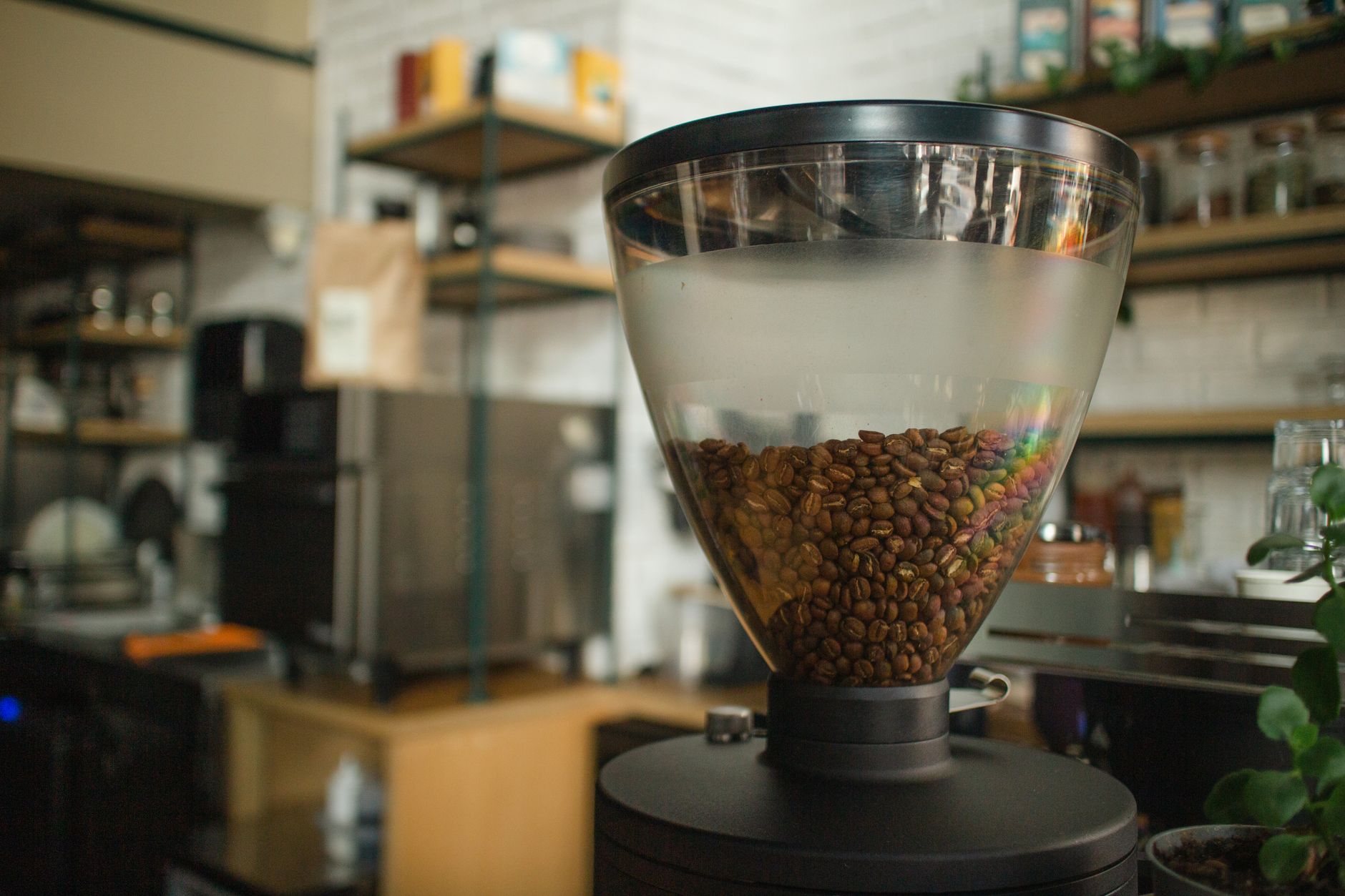 Photo: Serhat Başkan via Pexels
The Jura E8
Super-Automatic Tradeoffs
Advantages:
- Zero skill required — consistent results from day one
- Fastest path from beans to cup
- Integrated cleaning cycles reduce user effort
- Great for offices or households with multiple users at different skill levels
Disadvantages:
- Internal grinders rarely match a dedicated burr grinder
- Brew temperature and pressure are fixed or limited
- Maintenance is more complex (internal cleaning, descaling cycles, replacing brew unit)
- Price-to-quality ratio is worse than semi-automatics at equivalent price points
Head-to-Head: Which Pulls a Better Espresso?
At equal price points, semi-automatics win on extraction quality. The reason is mechanical: a dedicated external grinder produces more consistent particle distribution than any integrated grinder, and manual control over brew time lets you compensate for grind drift.
A $600 semi-automatic paired with a $200 grinder will outperform a $1,500 super-automatic on espresso quality in the hands of someone who’s spent a month dialing in. The super-automatic wins on convenience — not quality.
At very high price points ($3,000+), super-automatics like the DeLonghi Primadonna Elite narrow the gap significantly, with dual boilers and adjustable brew ratios — but they still don’t close it entirely.
Equipment Review: Best Machines Across Each Type
Specs Table
| Machine | Boiler Type | Portafilter Size | PID | Pump Type | Burr Size |
|---|---|---|---|---|---|
| Gaggia Classic Pro | Single thermoblock | 58mm | No | Vibratory | External required |
| Breville Barista Express | Single thermocoil | 54mm | Yes | Vibratory | 40mm conical |
| Breville Dual Boiler | Dual boiler | 58mm | Yes | Vibratory | External required |
| De’Longhi La Specialista Arte | Single thermoblock | 54mm | No | Vibratory | Steel conical |
| Jura E8 | Thermoblock | Proprietary | No | Vibratory | AromaG3 steel |
| Philips 3200 LatteGo | Thermoblock | Proprietary | No | Vibratory | 12-step ceramic |
Comparison Table
| Machine | Price | Boiler | Portafilter | PID | Pump | Best For |
|---|---|---|---|---|---|---|
| Gaggia Classic Pro |
Verdict by User Archetype
Milk drinker (lattes, cappuccinos daily): The Breville Barista Express or De’Longhi La Specialista Arte. Both include grinders, produce workable steam pressure, and keep the total system cost under $700. If you want to skip technique entirely, the Philips 3200 LatteGo with its LatteGo milk system is the easiest path.
Espresso purist: Gaggia Classic Pro plus a separate grinder (Baratza Encore or Eureka Mignon). The 58mm commercial portafilter accepts third-party baskets, the group head is rebuildable, and the PID mod is well-documented. This combo outperforms machines twice its price once dialed in.
Convenience-first: Jura E8 if budget allows. Philips 3200 LatteGo if you want to spend under $600 and never think about maintenance.
→ See also:
- The Complete Guide to Espresso Machines (2026)
- Best Espresso Machine Under $200 (2026)
- Best Espresso Machine Under $500 (2026)
FAQ
Is a semi-automatic espresso machine better than a super-automatic? For espresso quality, yes — at any given price point. Semi-automatics pair with dedicated grinders and give you control over extraction variables that super-automatics lock away. The trade-off is time and a learning curve of several weeks.
What does “automatic” mean on an espresso machine? It means the machine stops pulling the shot automatically when a preset volume is reached, using a flow meter. You still grind, dose, and tamp manually — only shot termination is automated. This is distinct from “super-automatic,” which handles every step.
Can a beginner use a semi-automatic espresso machine? Yes, but expect a few weeks before consistently good shots. The Breville Barista Express is the standard recommendation for beginners because the integrated grinder removes one variable. Start with the preset grind setting and adjust from there.
How long do super-automatic espresso machines last? Quality super-automatics from Jura or DeLonghi typically last 5–10 years with regular maintenance — monthly cleaning tablets, descaling every 2–3 months, and annual brew unit inspection. Internal brew units are replaceable on most models, extending the machine’s usable life.
Do I need a separate grinder for a semi-automatic espresso machine? Yes, unless the machine includes one (like the Breville Barista Express or Barista Pro). Grind quality is the single biggest variable in espresso. A $150 dedicated burr grinder paired with a $400 semi-automatic will produce better espresso than a $600 machine with a mediocre integrated grinder.
Is a super-automatic worth the price over a semi-automatic? If convenience is your top priority and you will not invest time in technique, yes. If you care about shot quality and are willing to learn, a semi-automatic at half the price will outperform it. Super-automatics earn their price in households where multiple people use the machine and consistency matters more than optimization.
Editorial methodology: Assessments are based on manufacturer specifications, published user reviews, and editorial research. Physical hands-on testing is noted explicitly where it occurred. Rankings reflect our editorial judgment and are not influenced by affiliate commission rates. Full editorial policy · Affiliate disclosure