Contents
Red Eye, Black Eye & Dead Eye Coffee: What’s the Difference?
TL;DR: Red eye, black eye, and dead eye coffee are all variations of drip coffee spiked with espresso shots — one, two, or three respectively. The red eye black eye dead eye coffee spectrum is a quick way to dial up caffeine without switching brew methods. Red eye (1 shot) suits most people; dead eye (3 shots) is for the truly sleep-deprived.
What Is a Red Eye Coffee?
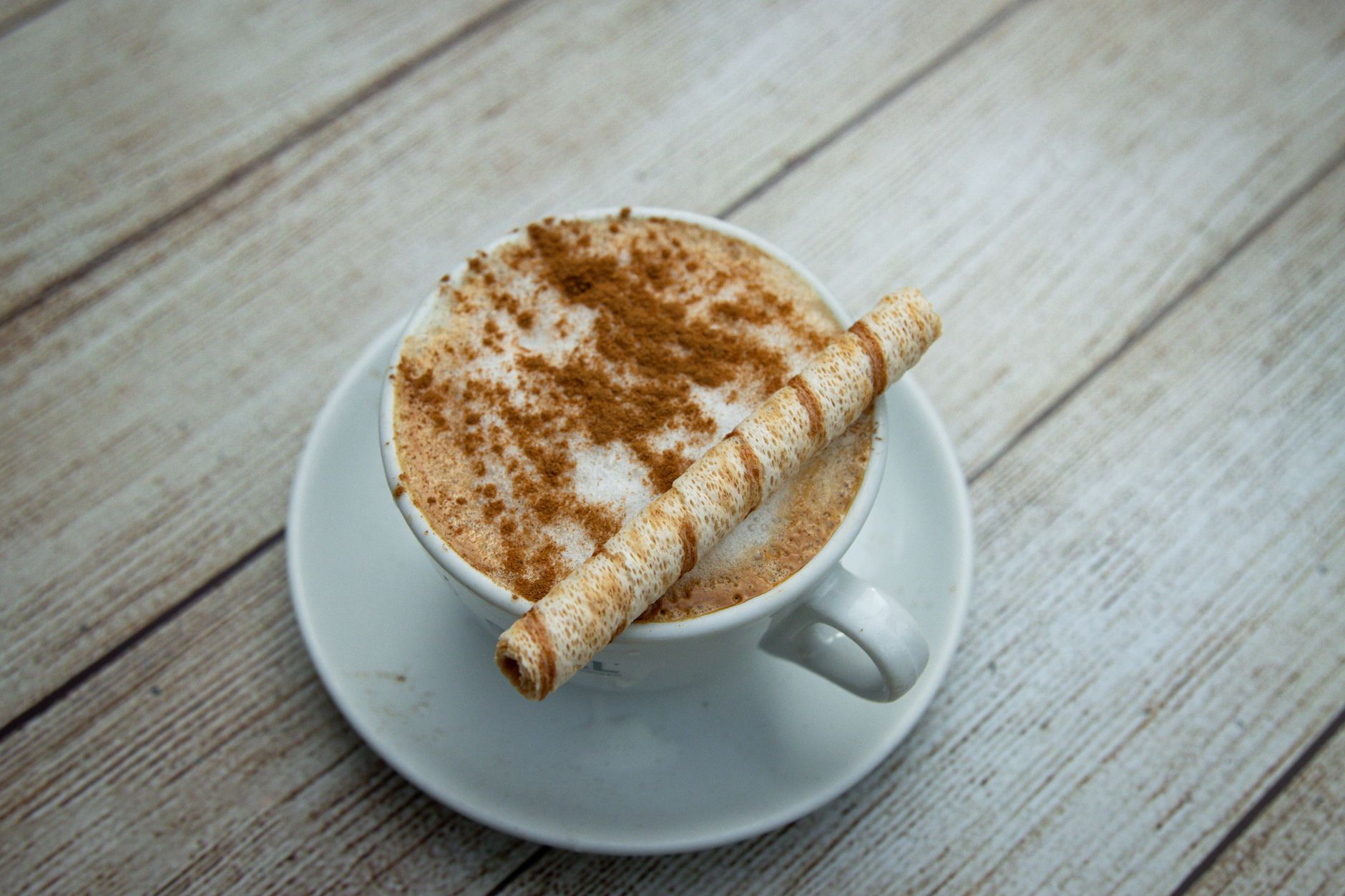
A red eye is a standard drip coffee with one shot of espresso added. It delivers roughly 150–200mg of caffeine per cup — more than either drink alone. The espresso shot deepens the flavor and adds a crema layer on top. It’s the entry point of the espresso-spiked drip family.
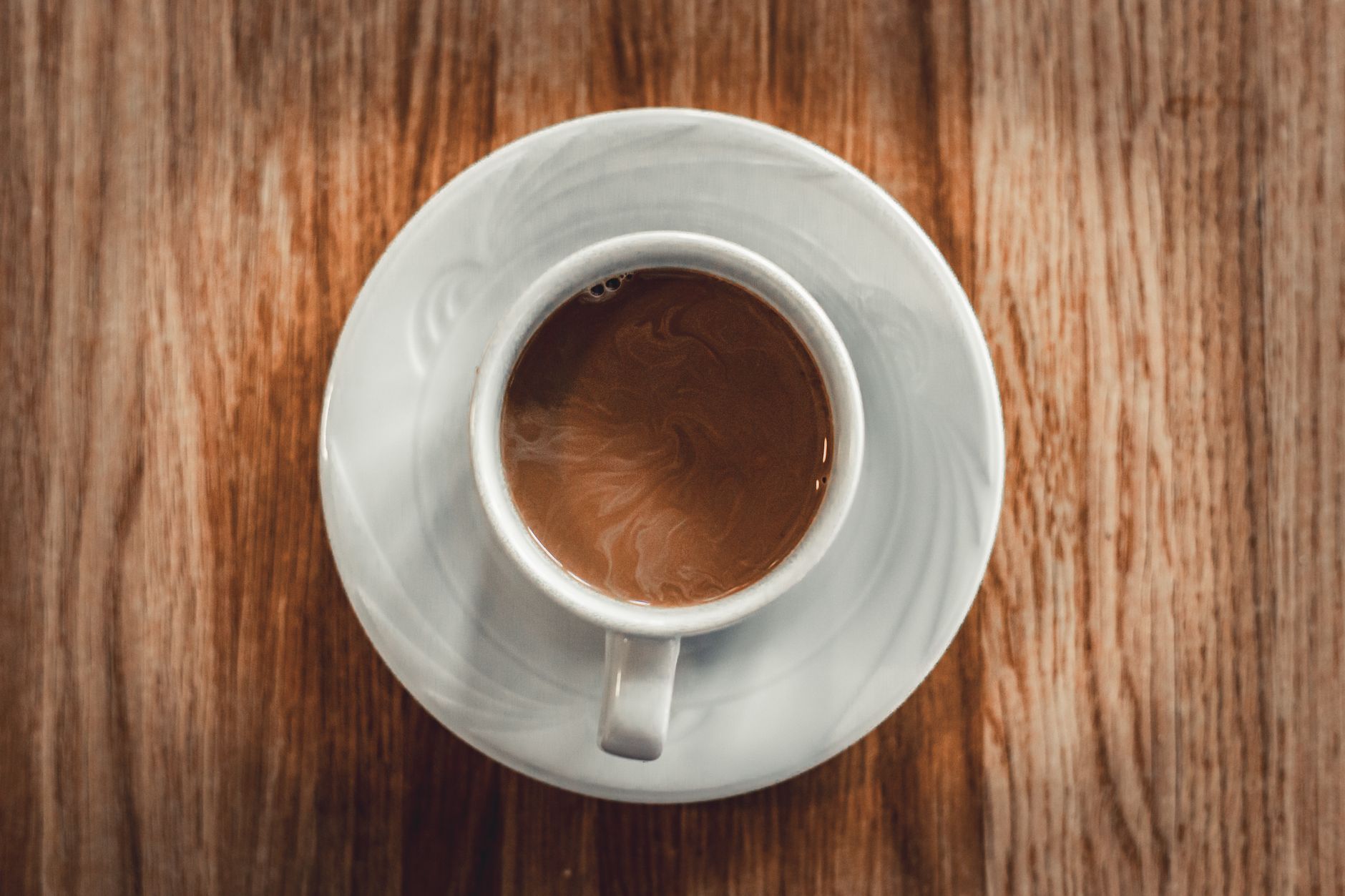 Photo: Talha Uğuz via Pexels
The name allegedly comes from overnight red-eye flights — passengers needing something stronger than a standard cup of airport coffee. Whether or not that’s true, the drink stuck.
Flavor-wise, the espresso shot concentrates the top notes of whatever drip coffee you’re using. A light roast base with a bright espresso produces something almost tea-like in complexity. A dark roast base with a dark espresso gets bitter fast — most specialty coffee bars avoid this combination.
What Is a Black Eye Coffee?
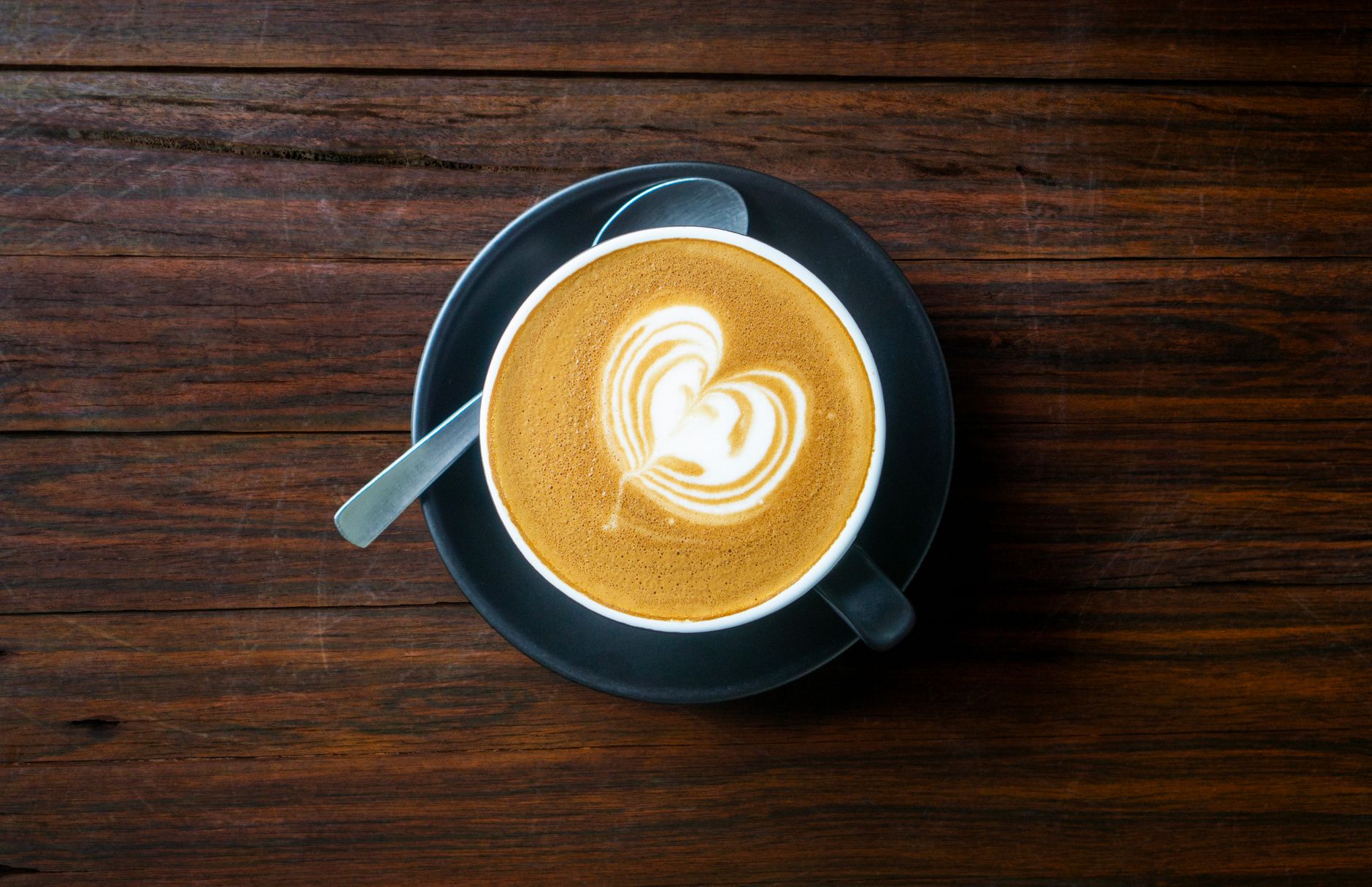
A black eye doubles the espresso: two shots into a full cup of drip coffee. Caffeine climbs to 250–300mg. The flavor is noticeably more espresso-forward, and the body thickens. This is the middle tier of the red eye black eye dead eye coffee trio.
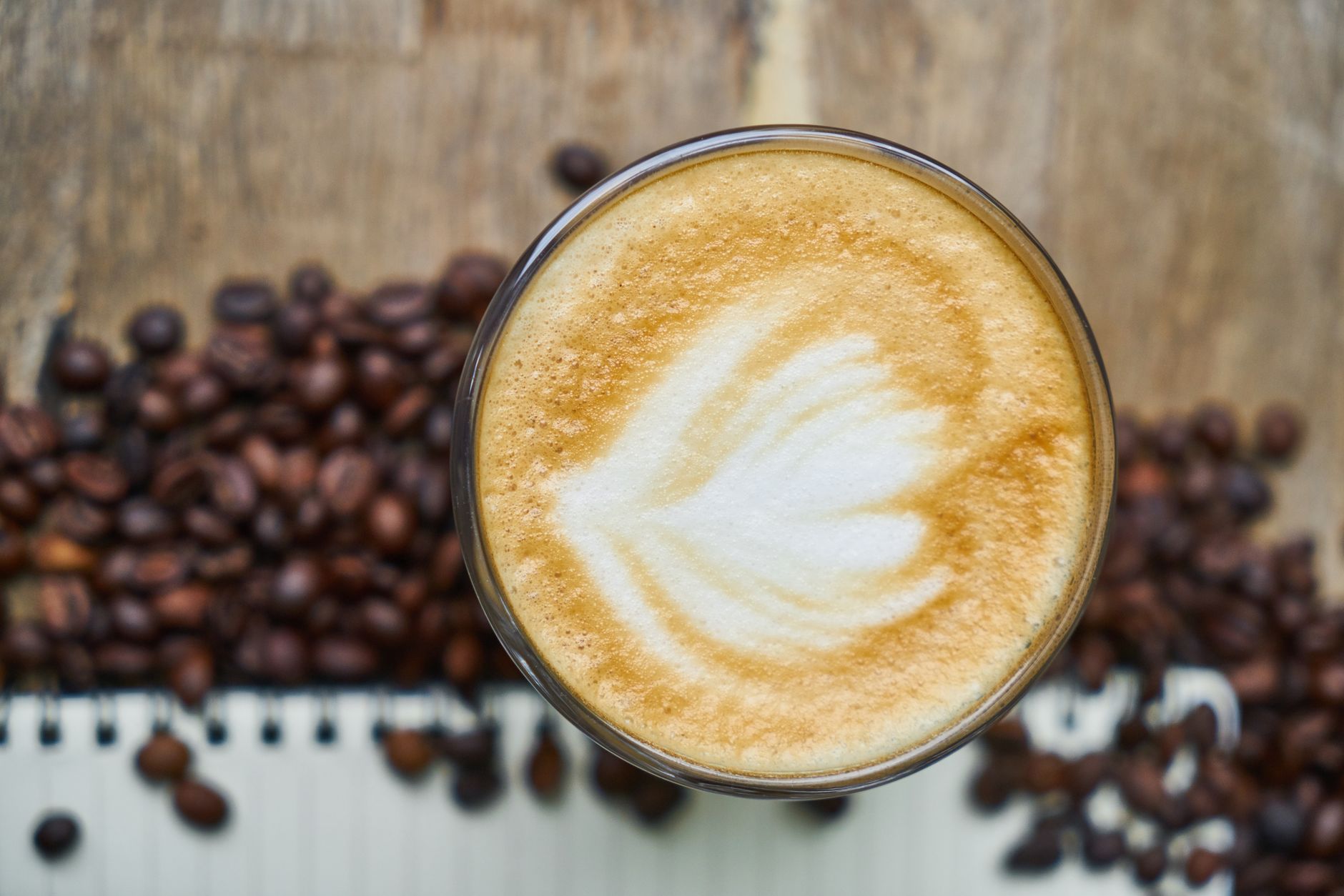 Photo: Pixabay via Pexels
Two shots change the ratio significantly. At this point the espresso isn’t just accenting the drip — it’s co-piloting. You’ll taste the espresso’s texture and oils much more clearly. If your drip coffee is mediocre, two shots won’t save it; they’ll amplify every flaw.
Brewing Notes
Pull your espresso shots directly into the drip cup. Don’t let the shots sit — espresso oxidizes fast, turning sharp and metallic within 10 seconds of extraction. The crema will partially dissolve into the drip coffee, which is fine; it contributes body rather than appearance.
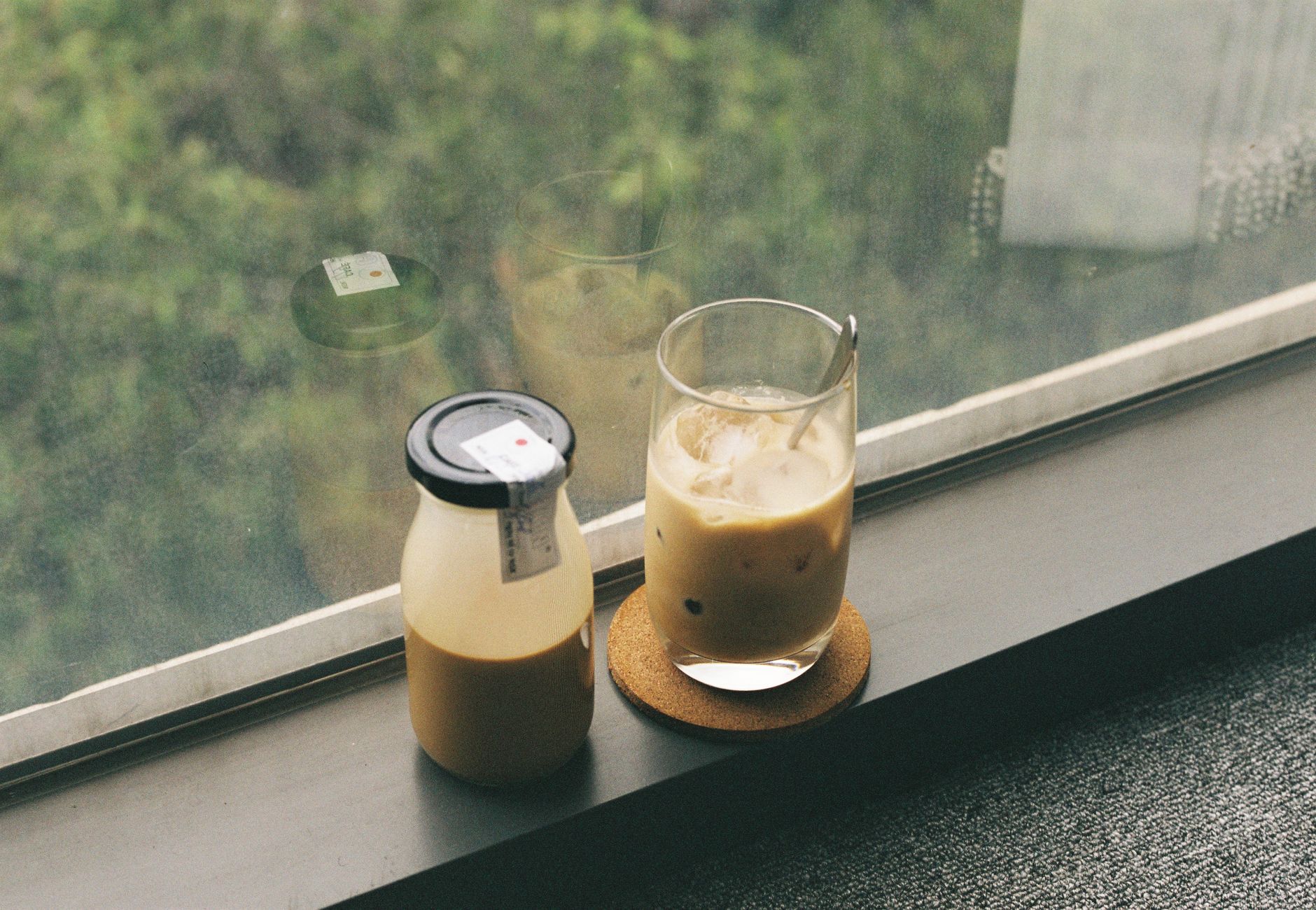
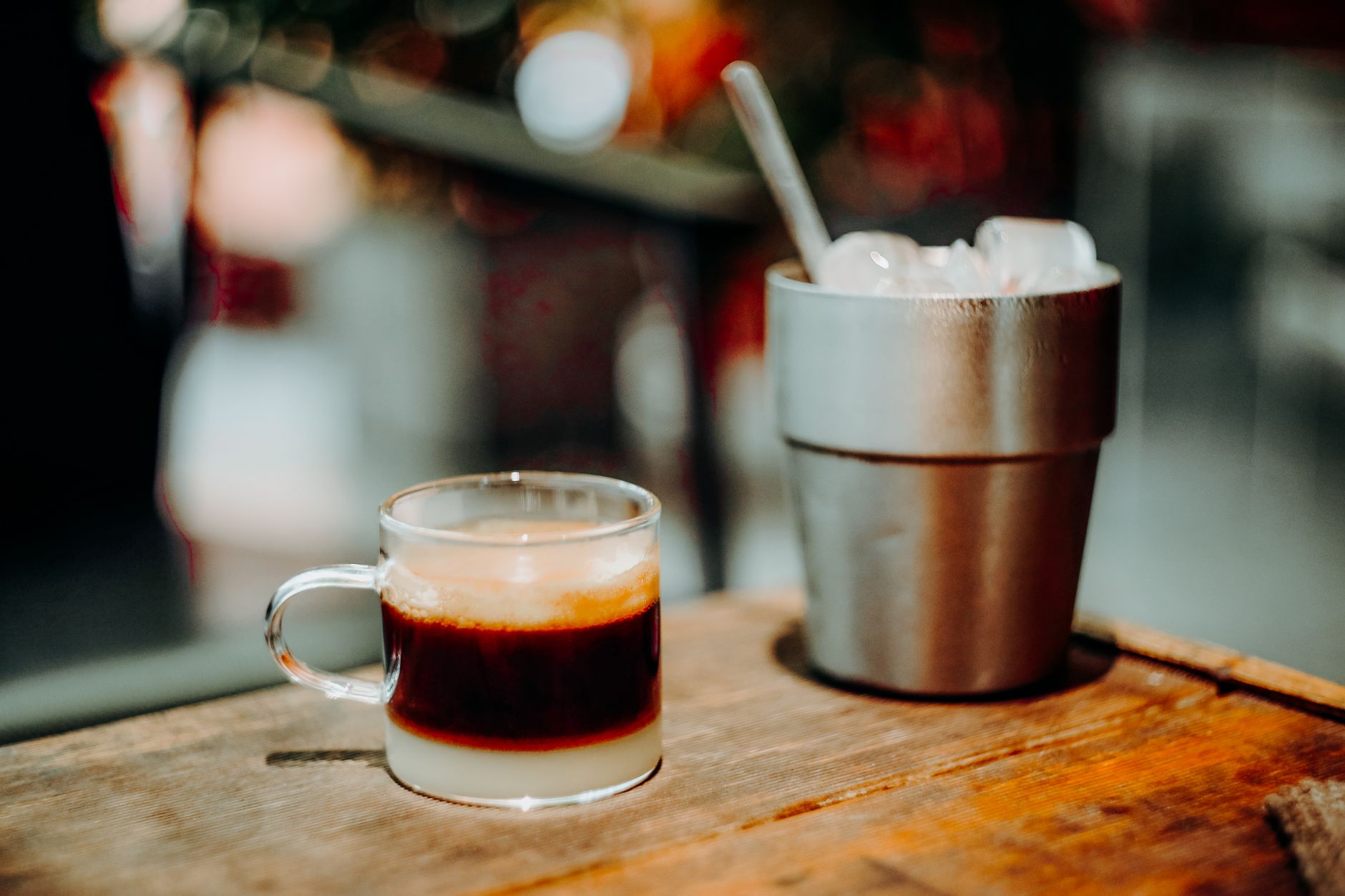 Photo: 🇻🇳🇻🇳Nguyễn Tiến Thịnh 🇻🇳🇻🇳 via Pexels
What Is a Dead Eye Coffee?
A dead eye adds three espresso shots to drip coffee — also called a “green eye” or “dripped eye” at some regional chains. Caffeine can reach 350–400mg in a single cup, approaching the FDA’s single-dose advisory ceiling of 400mg. Flavor becomes intensely bitter without exceptional beans and precise extraction.
 Photo: Josh Sorenson via Pexels
Triple-shot additions make sense on paper for maximum caffeine, but in practice dead eye coffee is harsh unless every component is dialed in. Specialty shops rarely serve it by default; you’ll typically have to ask.
The FDA recommends staying under 400mg caffeine per day for healthy adults. A dead eye in the morning leaves almost no room for anything else — including the cup at 3pm you probably also want.
Red Eye vs Black Eye vs Dead Eye: Quick Comparison
| Name | Espresso Shots | Est. Caffeine | Best For |
|---|---|---|---|
| Red Eye | 1 | ~150–200mg | Morning boost, drip coffee lover |
| Black Eye | 2 | ~250–300mg | Long shifts, heavy caffeine tolerance |
| Dead Eye | 3 | ~350–400mg | Near-zero sleep, high tolerance only |
Which One Should You Order?
Start with a red eye unless you have a well-established high caffeine tolerance. Black eye is a legitimate daily option for people who’ve built tolerance. Dead eye belongs in your toolkit for emergencies, not habits.
The quality of your drip coffee matters more than the shot count. A well-extracted single-origin pour-over with one espresso shot will taste cleaner and more complex than a commodity drip with three. Chase quality before quantity.
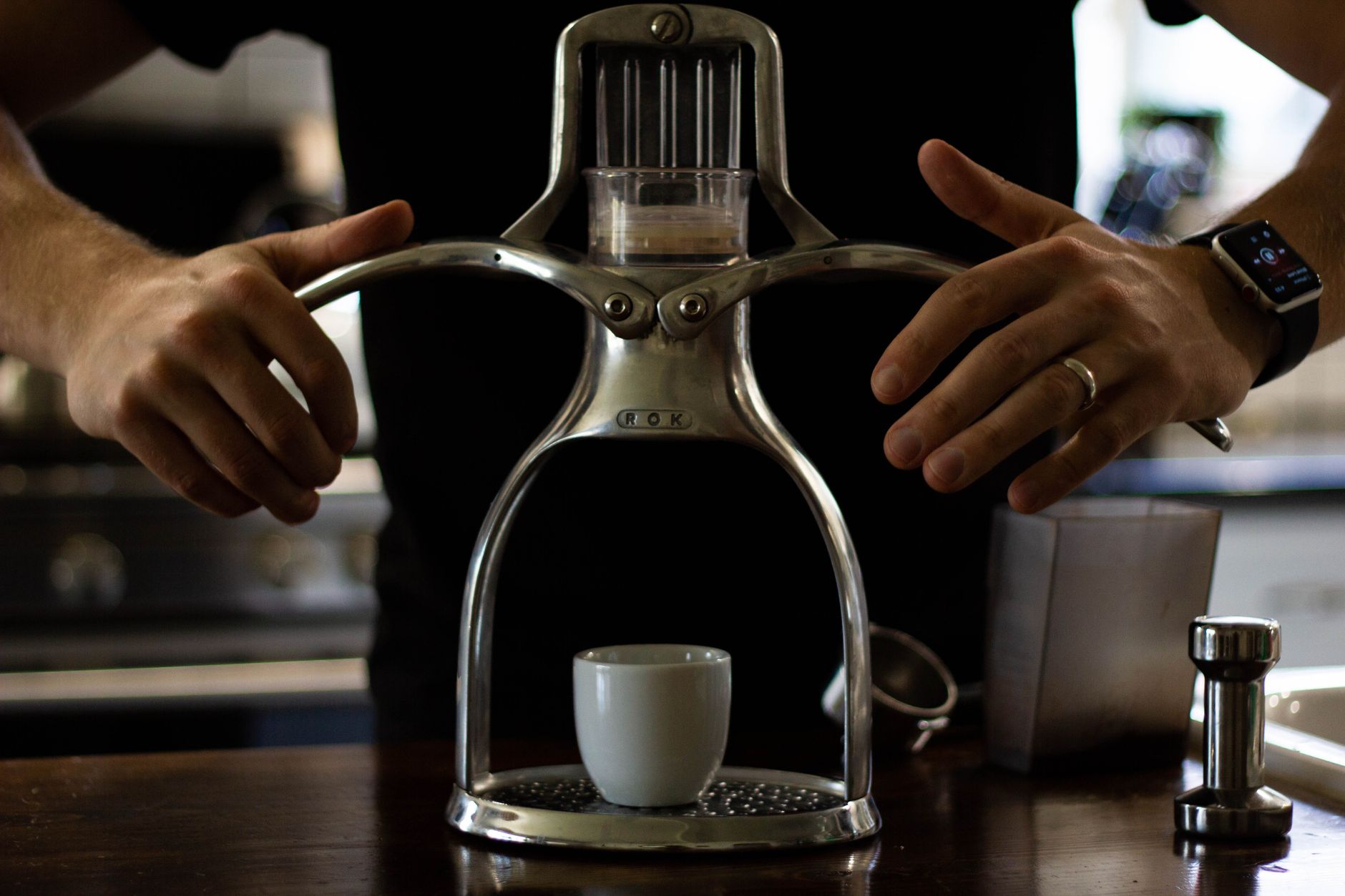 Photo: John Zook via Pexels
If you’re making these at home, a semi-automatic or manual espresso machine handles the shots side, while any brewer — V60, Chemex, Moka pot — covers the drip base.
→ See also:
- Espresso Drinks: The Complete Guide to Every Type
- What Is a Cortado? (And How It Differs From a Macchiato)
- Cortado vs Flat White vs Macchiato: Full Comparison
FAQ
What is the difference between a red eye and a black eye coffee? A red eye contains one shot of espresso added to drip coffee; a black eye contains two. The black eye is noticeably stronger in both caffeine content (roughly 250–300mg vs 150–200mg) and espresso flavor. Both are served in a standard drip coffee cup.
How much caffeine is in a dead eye coffee? A dead eye combines three espresso shots with a full cup of drip coffee, putting total caffeine somewhere between 350–400mg depending on the espresso extraction and drip strength. That’s near the FDA’s recommended single-day limit for healthy adults, so most people shouldn’t make it a daily drink.
Why is it called a red eye coffee? The most common explanation ties the name to red-eye flights — late-night trips where passengers arrived bleary-eyed and needed extra caffeine. The red eye drink mirrors that need: drip coffee wasn’t enough, so a shot of espresso gets added. The name predates specialty coffee culture and likely originated in American diner and deli menus.
Can I make a red eye black eye dead eye coffee at home without an espresso machine? You can approximate it with a Moka pot or AeroPress, which produce concentrated coffee close to espresso in strength (though not identical in extraction pressure). Brew a concentrated 1–2oz shot with either device, then add it to your drip coffee. The result won’t have crema, but caffeine and flavor intensity will be similar.
Is a dead eye coffee safe to drink? For healthy adults with no caffeine sensitivity or heart conditions, an occasional dead eye is within general safety guidelines — but it pushes close to the 400mg daily ceiling in a single cup. Regular consumption at that level can cause elevated heart rate, anxiety, and disrupted sleep. Treat it as an occasional tool, not a daily routine.
Editorial methodology: Assessments are based on manufacturer specifications, published user reviews, and editorial research. Physical hands-on testing is noted explicitly where it occurred. Rankings reflect our editorial judgment and are not influenced by affiliate commission rates. Full editorial policy · Affiliate disclosure