Rancilio Silvia Review: Still Worth It in 2026?
TL;DR: The Rancilio Silvia
What Is the Rancilio Silvia?
The Silvia is a single-boiler, heat exchanger-free machine built to commercial tolerances — 58mm portafilter, brass boiler, commercial group head. It launched in 1997 and has barely changed since, which is either a testament to the design or a criticism of its stagnation, depending on who you ask.
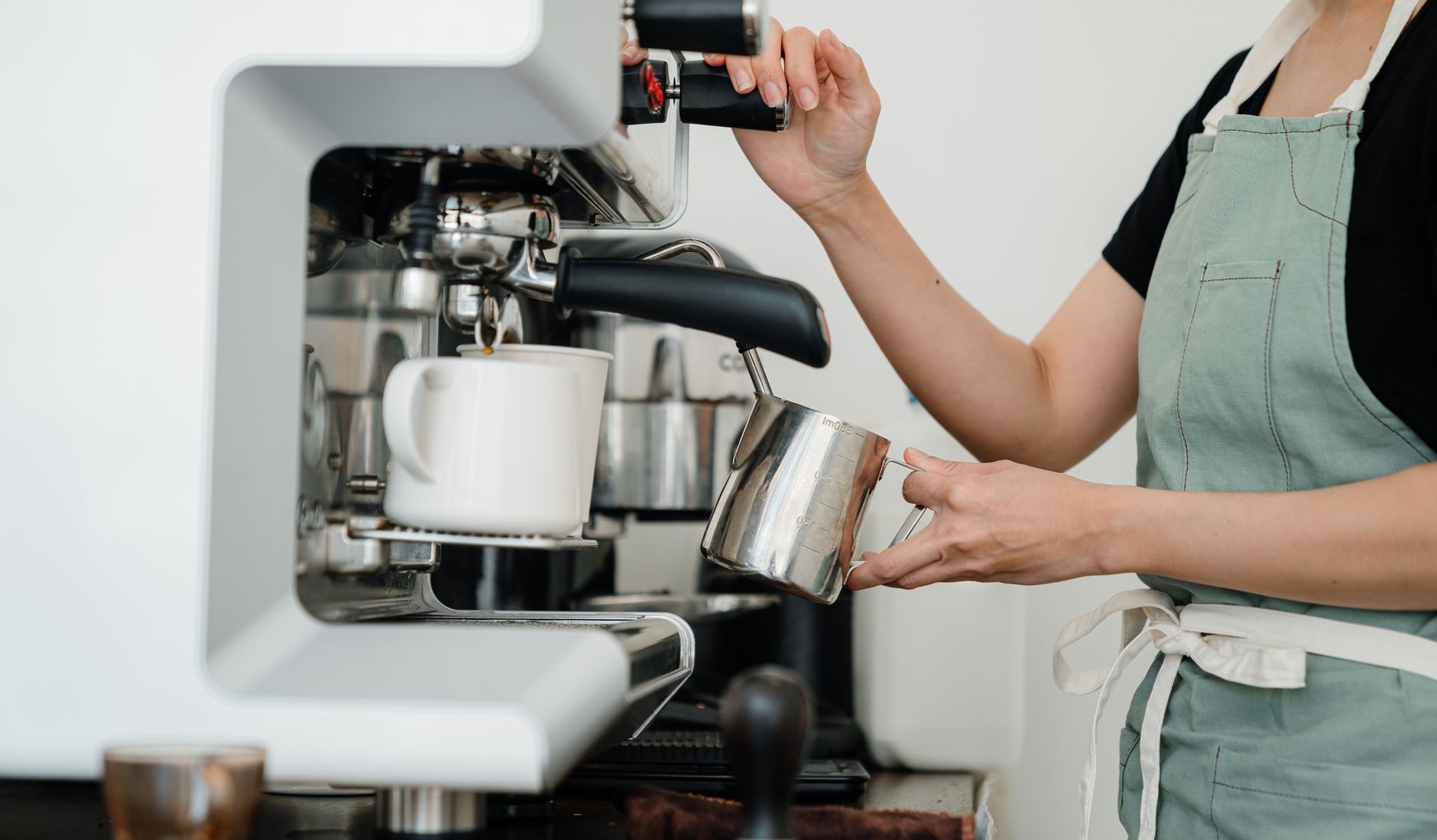
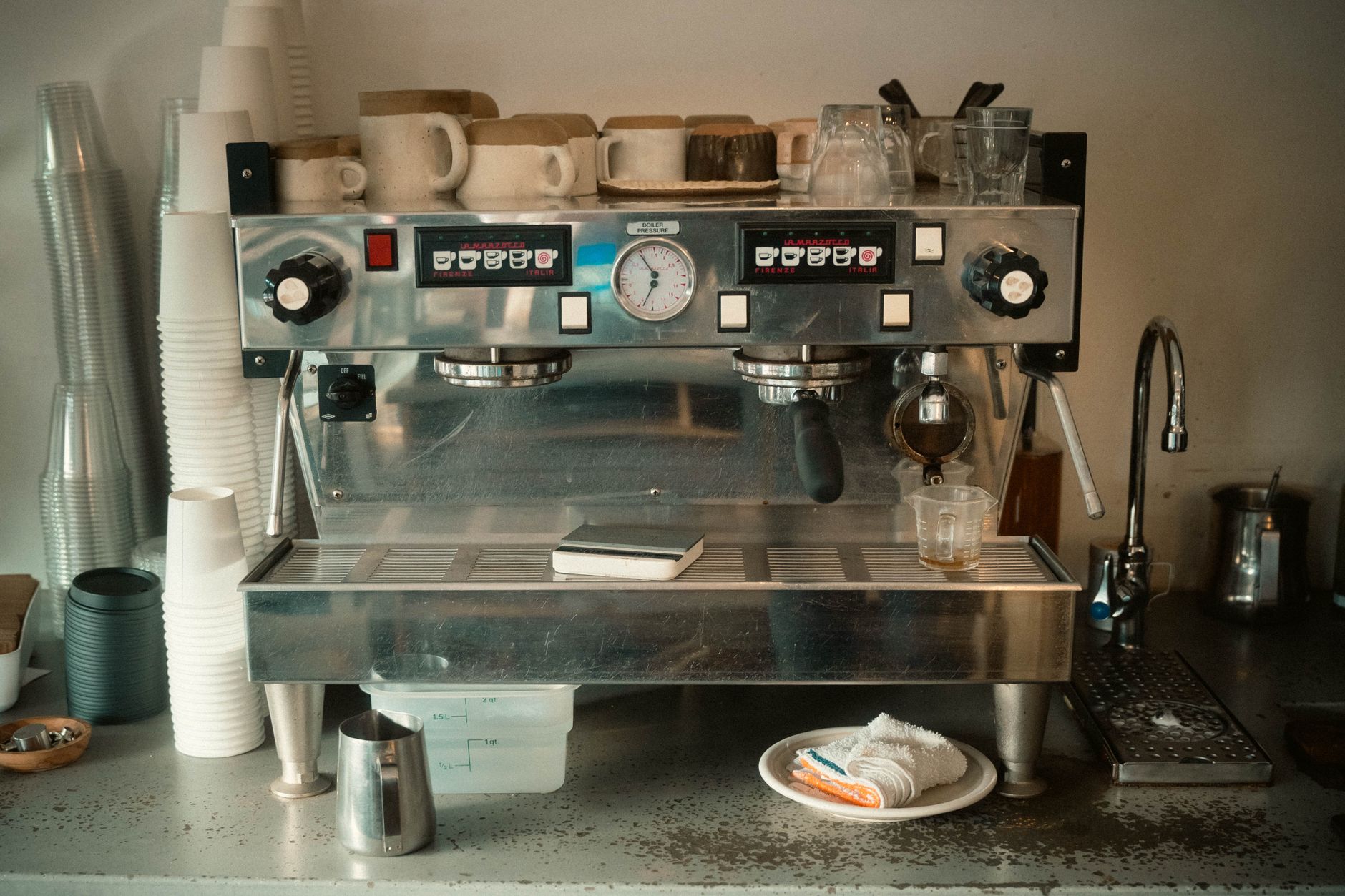 Photo: James Collington via Pexels
Rancilio makes equipment for professional cafés. The Silvia is essentially their commercial group head and portafilter bolted onto a consumer-sized chassis. That’s the whole pitch, and it’s a good one — most machines in this price range use 53mm portafilters and plastic-heavy group heads. The Silvia doesn’t compromise there.
What it does compromise on: temperature stability. Without a PID, the single boiler cycles between roughly 190°F and 205°F. Experienced users time their shots around the heating cycle — called “temperature surfing” — or buy a third-party PID kit for around $150.
Specs
| Feature | Rancilio Silvia |
|---|---|
| Boiler type | Single brass boiler |
| Portafilter size | 58mm (commercial standard) |
| PID | No (V6 model, addable) |
| Pump type | Vibration (ULKA) |
| Burr size | N/A (no integrated grinder) |
| Boiler capacity | 0.3L |
| Wattage | 1000W |
| Dimensions | 9.5“ × 11.4“ × 13.4“ |
| Weight | 30 lbs |
Build Quality and Hardware
Commercial portafilter, brass boiler, stainless steel housing — the Silvia is built to outlast most machines twice its price. The group head runs hotter and retains heat better than any plastic-bodied competitor at this tier.
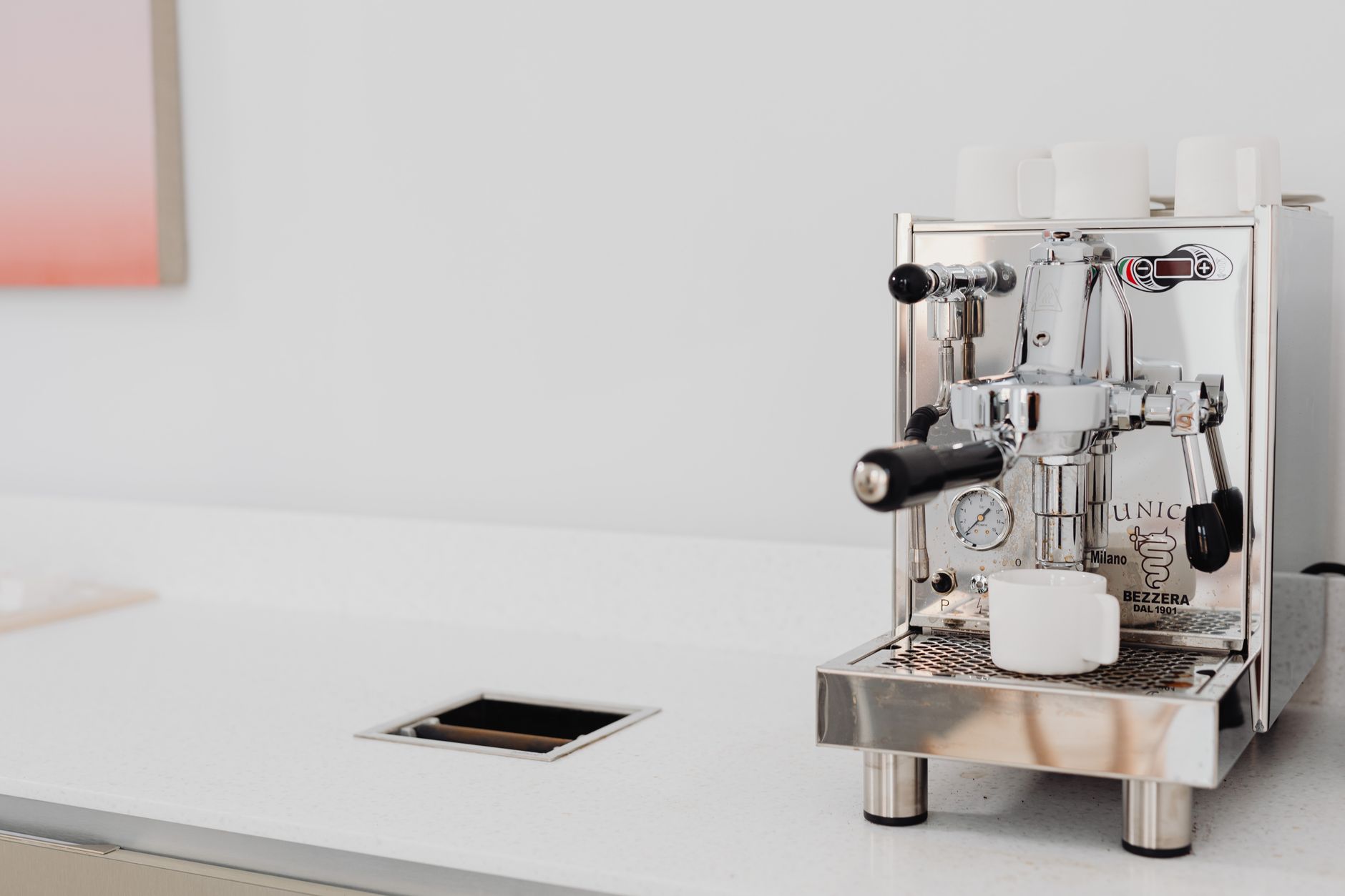
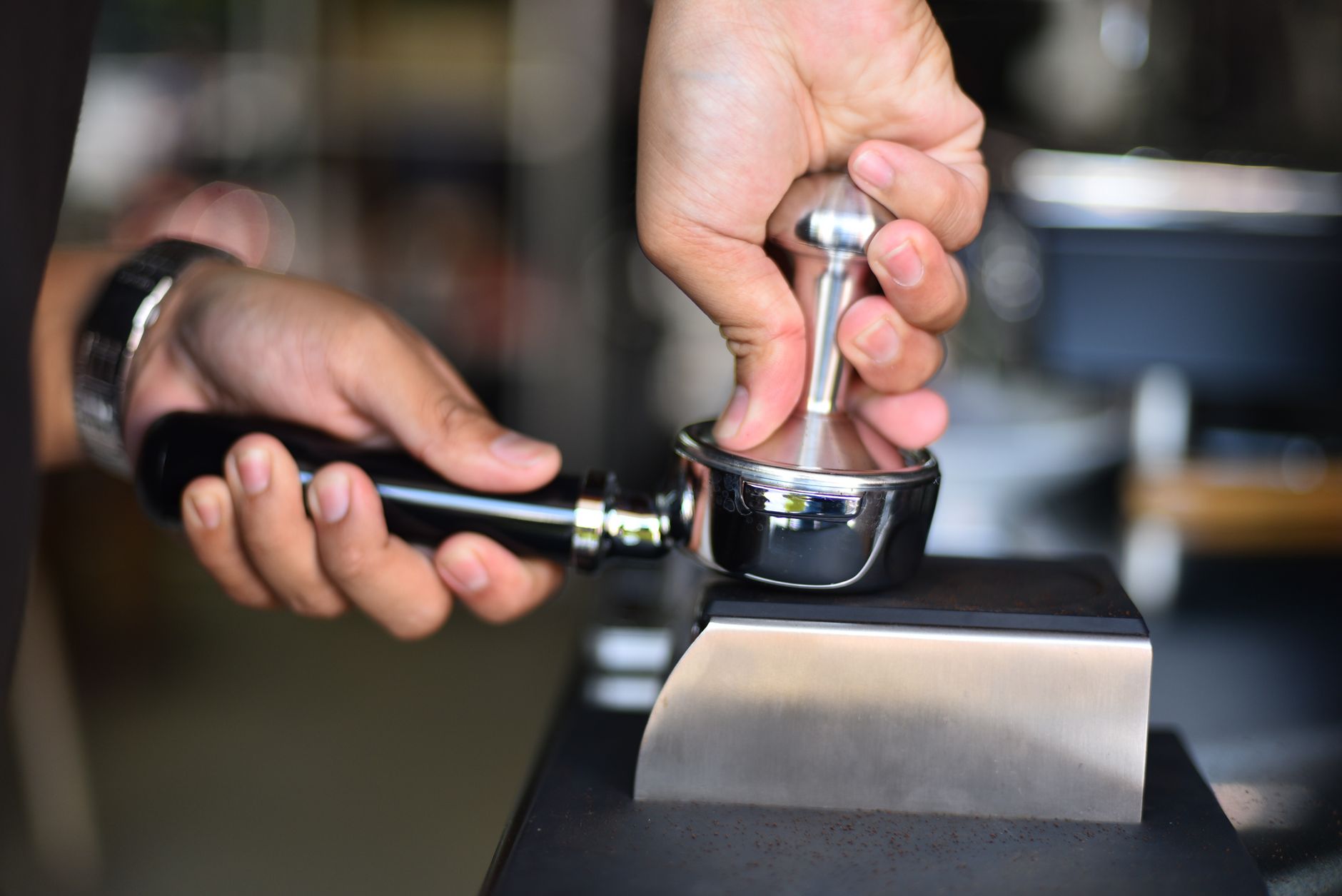 Photo: Chevanon Photography via Pexels
The chassis is 304 stainless steel. The group head is chromed brass. The portafilter is the same 58mm standard used in La Marzocco and Rancilio commercial machines — which means a massive ecosystem of compatible baskets, tampers, and distributor tools.
The steam wand is a commercial-style single-hole tip. It takes practice, but once dialed in, it produces tight microfoam. This is not a pannarello wand that auto-froths — you’re learning to steam properly.
One legitimate complaint: the build is heavy and blocky. At 30 pounds, it doesn’t move easily. Counter space is non-negotiable.
Temperature Control: The Core Problem
Without a PID, the Silvia’s temperature swings up to 15°F across a single shot. This is the machine’s defining limitation in 2026 — every competing machine at this price now ships with thermal stability that the Silvia only achieves with a $150 add-on.
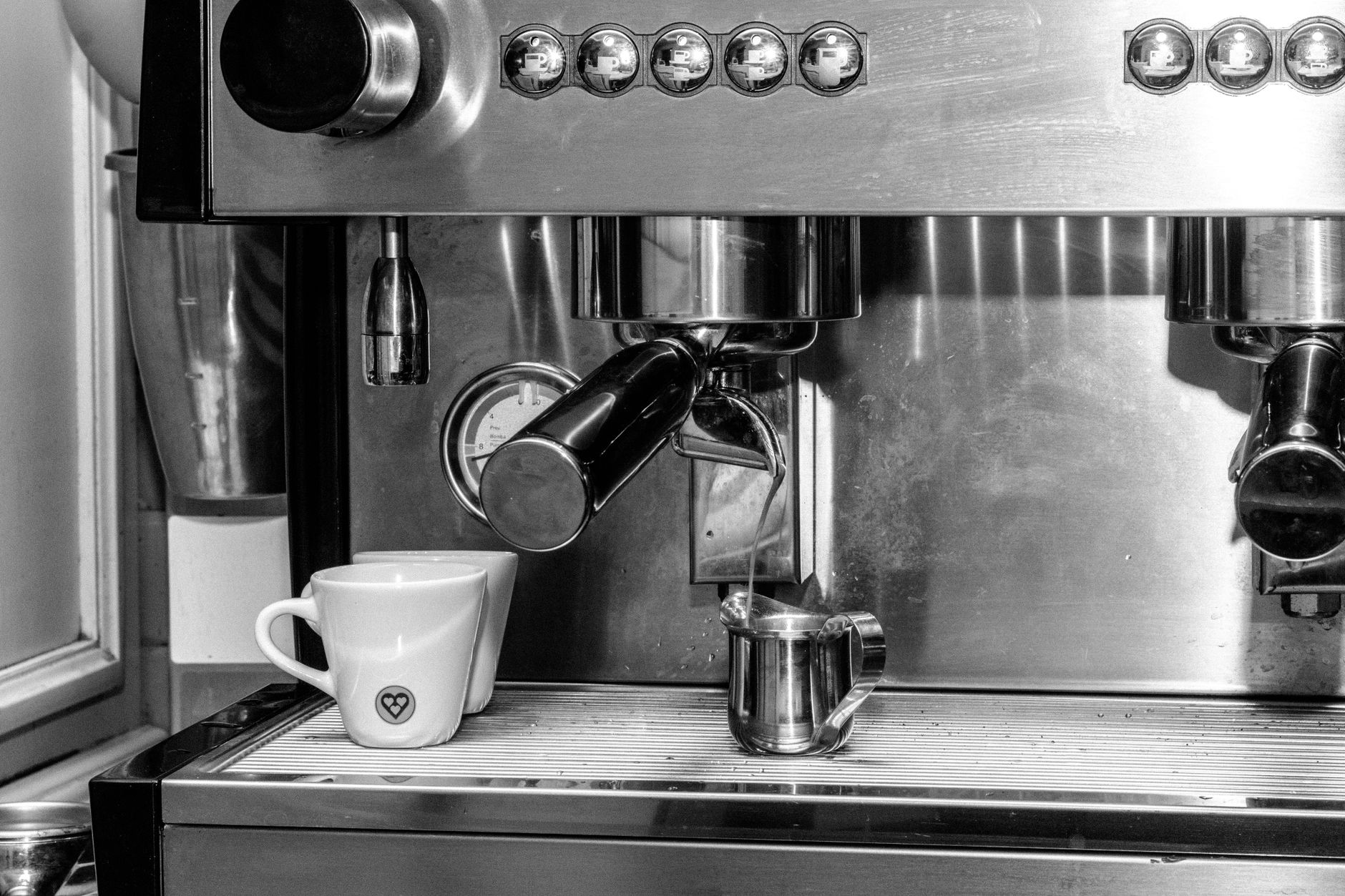
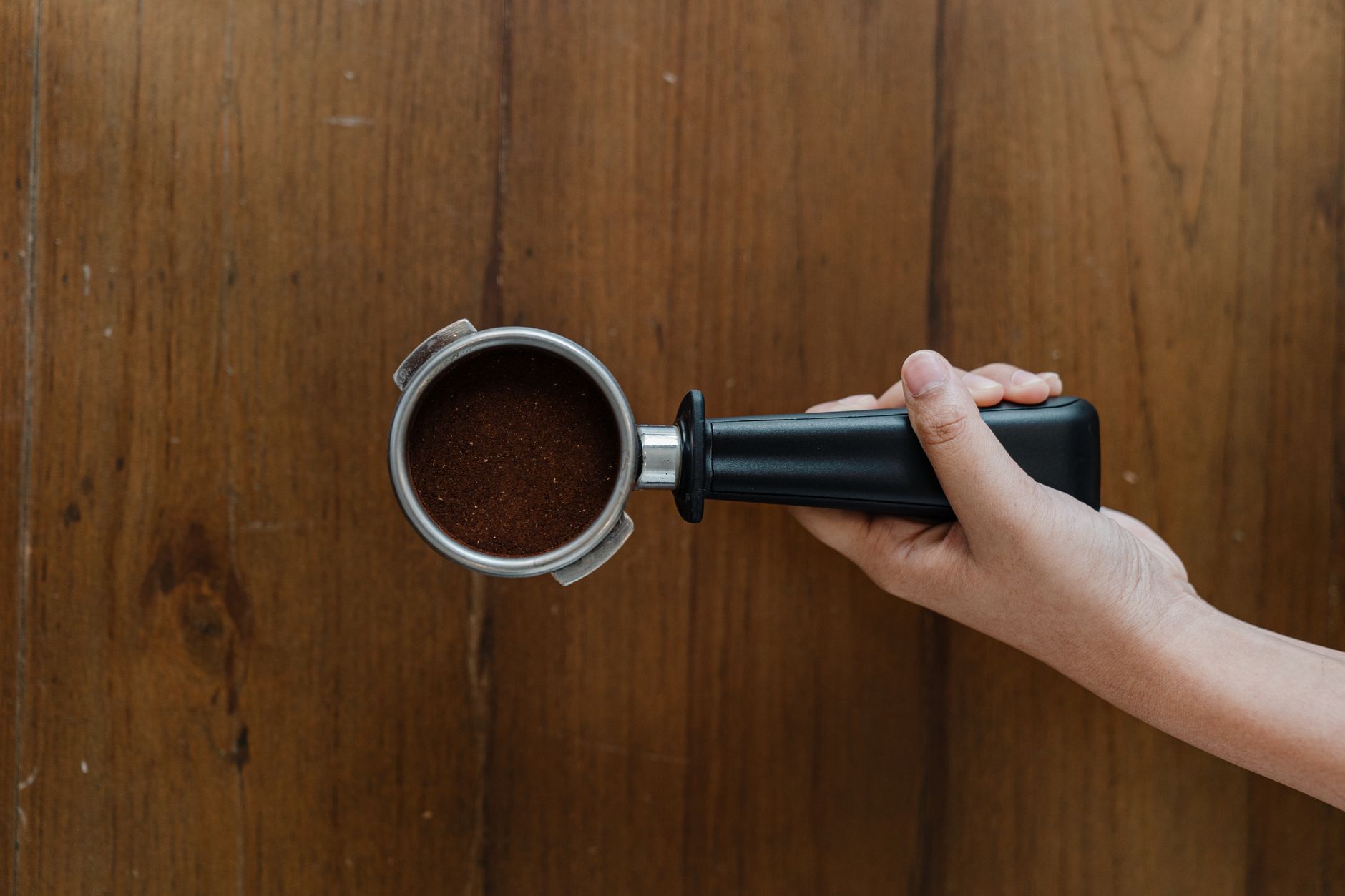 Photo: Ketut Subiyanto via Pexels
Temperature surfing works. Experienced users flush the group head after the boiler clicks off, wait for the element to cycle on, then pull immediately. It produces excellent espresso — but it adds 2–3 minutes of ritual to every shot, and it takes weeks to internalize.
The better fix is a PID. The Auber Instruments kit (~$150) is the most popular retrofit; it installs in about 90 minutes and brings the Silvia to ±1°F stability. At that point the temperature complaint disappears entirely.
Rancilio does sell a factory PID version — the Silvia Pro and Silvia Pro X — but those cost significantly more. If you want PID without the DIY, you’re paying a premium or looking at a different machine category.
Espresso Quality
Properly dialed in — good grinder, correct dose, correct temp — the Silvia pulls shots that compete with machines costing $1,500+. The limiting factor is almost never the machine; it’s the grinder and technique.
The 58mm basket and commercial group head pressure distribution means extraction is even and consistent. The ULKA vibration pump delivers stable 9-bar pressure. With a quality single-dose grinder (Niche Zero, DF64, or even a Baratza Sette 270), the Silvia produces complex, layered espresso that reveals bean character clearly.
Milk drinks are fully viable. The steam wand has enough power for 12oz lattes. It won’t match a heat exchanger or dual boiler for simultaneous steaming — you pull your shot, then switch to steam mode and wait ~45 seconds — but the output is proper microfoam, not just hot milk.
Rancilio Silvia vs. Competitors
| Machine | Price | Boiler | Portafilter | PID | Pump | Best For |
|---|---|---|---|---|---|---|
| Rancilio Silvia | ~$750 | Single brass | 58mm | No | Vibration | Purists who’ll add PID |
| Gaggia Classic Pro | ~$450 | Single brass | 58mm | No | Vibration | Budget entry |
| Breville Barista Express | ~$700 | Thermocoil | 54mm | Yes | Vibration | Convenience, built-in grinder |
| Lelit Anna PL41TEM | ~$700 | Single brass | 58mm | Yes | Vibration | Silvia with factory PID |
| Breville Barista Pro | ~$850 | Thermocoil | 54mm | Yes | Vibration | Fast heat-up, digital UI |
The Lelit Anna PL41TEM is the most direct competitor — similar build quality, 58mm portafilter, but with a factory PID at roughly the same price. It deserves serious consideration if you want to skip the PID retrofit.
The Gaggia Classic Pro
Who Should Buy the Rancilio Silvia
Espresso purist: Yes. The build quality, portafilter standard, and extraction ceiling are class-leading at this price. Budget $150 for a PID and you have a machine that punches well above its tier.
Milk drinker: Conditional. If you make 1–2 milk drinks a day, the single boiler workflow is manageable. If you’re pulling back-to-back lattes for multiple people, a heat exchanger machine will serve you better.
Convenience-first: No. This machine rewards technique and patience. If you want to press a button and get espresso, look at the Breville Barista Express
Beginner: Debatable. It’s a capable teacher — every variable is manual, so you learn fast — but the temperature management creates a real barrier for people who just want consistent results on day one.
→ See Also
- The Complete Guide to Espresso Machines (2026)
- Best Espresso Machine Under $500 (2026)
- Best Espresso Machine Under $200 (2026)
FAQ
Is the Rancilio Silvia good for beginners? It can be, but expect a steeper learning curve than average. The lack of a PID means you’re managing temperature manually until you add one, and the steam wand requires real technique. Beginners who commit to learning will develop strong skills; those who want quick results may get frustrated.
Does the Rancilio Silvia need a PID? Not strictly — experienced users temperature surf effectively without one. But in 2026, competitors at the same price ship with built-in PID, so adding one is strongly recommended. The Auber Instruments retrofit takes about 90 minutes and costs around $150, and it transforms temperature consistency to ±1°F.
How long does the Rancilio Silvia last? Machines from the late 1990s and early 2000s still run today with routine maintenance (descaling, grouphead seal replacements, occasional boiler cleaning). Rancilio parts remain widely available. 10–15 years of reliable service is a reasonable expectation with basic upkeep.
What grinder pairs best with the Rancilio Silvia? The 58mm basket demands a grinder that produces consistent, fine grinds with good particle distribution. The Niche Zero and DF64 Gen 2 are the most-recommended pairings in the $300–$500 range. Don’t spend $750 on the machine and pair it with a $50 grinder — the grinder matters as much as the machine.
Is the Rancilio Silvia Pro worth the extra cost? The Pro adds a factory dual PID (separate brew and steam temperatures) and a larger boiler. If you want to avoid the DIY PID install and make frequent milk drinks, the Pro justifies the premium. If you’re comfortable with the retrofit, the base Silvia leaves $200–$300 for a better grinder.
Editorial methodology: Assessments are based on manufacturer specifications, published user reviews, and editorial research. Physical hands-on testing is noted explicitly where it occurred. Rankings reflect our editorial judgment and are not influenced by affiliate commission rates. Full editorial policy · Affiliate disclosure