Contents
Matcha Latte vs Coffee Latte: Caffeine, Taste, and Which Wins
TL;DR: A matcha latte contains 60–80mg of caffeine per cup versus 120–150mg in a coffee latte, but matcha’s L-theanine delivers calmer, longer-lasting energy without the spike-and-crash. Taste-wise, a matcha latte vs coffee latte comparison comes down to earthy-vegetal sweetness against roasted bitterness — both pair beautifully with steamed milk, but they’re genuinely different drinks.
Caffeine: How Much Is Actually in Each Drink?
A standard 12oz coffee latte contains 120–150mg of caffeine from a double espresso shot. A matcha latte made with 1 teaspoon (2g) of ceremonial-grade matcha contains 60–80mg. Both numbers vary widely by preparation — but matcha will almost never match espresso shot-for-shot on caffeine.
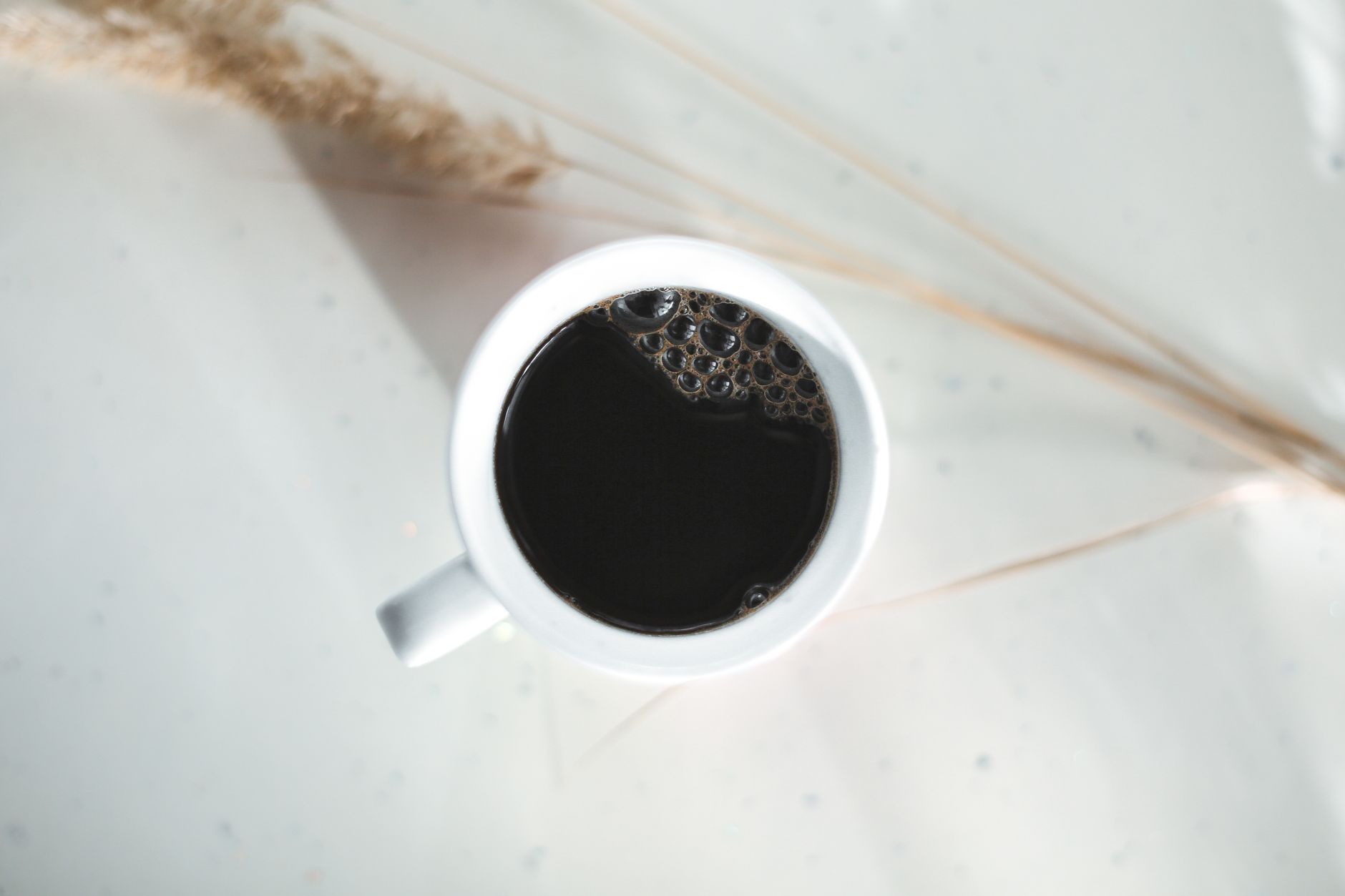
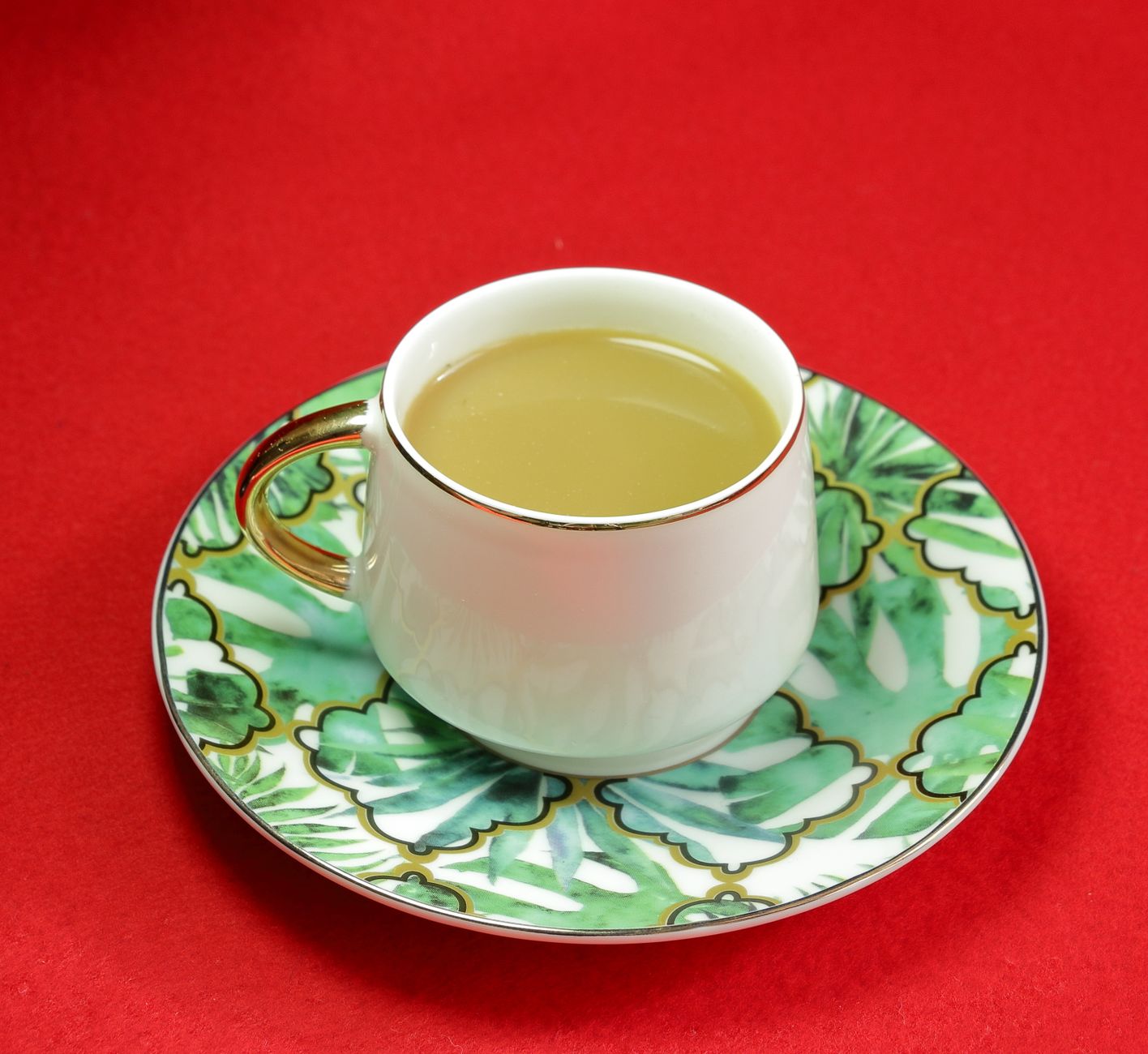 Photo: Mustafa Akın via Pexels
Espresso is concentrated: a 1oz double shot packs roughly 60–75mg per ounce. Matcha averages 30–40mg per gram of powder, so a single-teaspoon serving lands around half the caffeine of that double shot.
What the numbers miss: matcha contains L-theanine, an amino acid that modulates how caffeine is absorbed. Instead of a sharp spike, most people report a gradual ramp-up and a plateau that holds for 4–6 hours without the cortisol jolt that straight coffee often causes. If you’re sensitive to caffeine anxiety, the caffeine-to-L-theanine ratio in matcha is worth more than the raw mg count.
| Matcha Latte | Coffee Latte | |
|---|---|---|
| Caffeine (typical 12oz) | 60–80mg | 120–150mg |
| Caffeine source | Ground leaf (whole plant) | Extracted shot |
| L-theanine present | Yes (~25mg per serving) | No |
| Energy onset | Gradual, 20–30 min | Fast, 10–15 min |
| Duration | 4–6 hours | 3–4 hours |
| Crash risk | Low | Moderate–high |
Taste Profile: What You’re Actually Drinking
A matcha latte tastes grassy, umami-forward, and slightly sweet with a lingering vegetal finish — think fresh green tea amplified and rounded by milk. A coffee latte tastes roasty, bitter-edged, and sweet in the background, with the milk softening the espresso’s acidity. They share a creamy texture but nothing else.
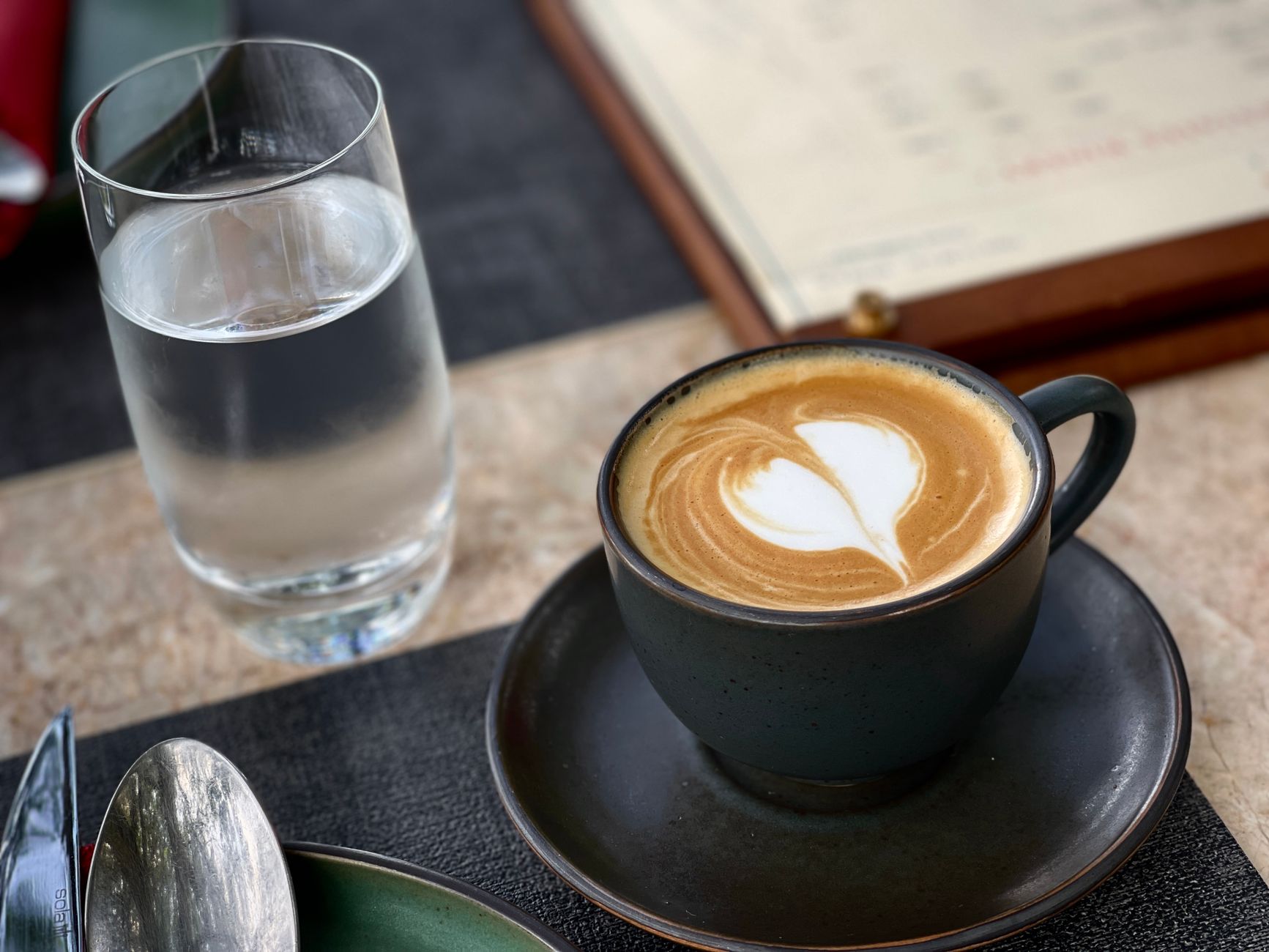
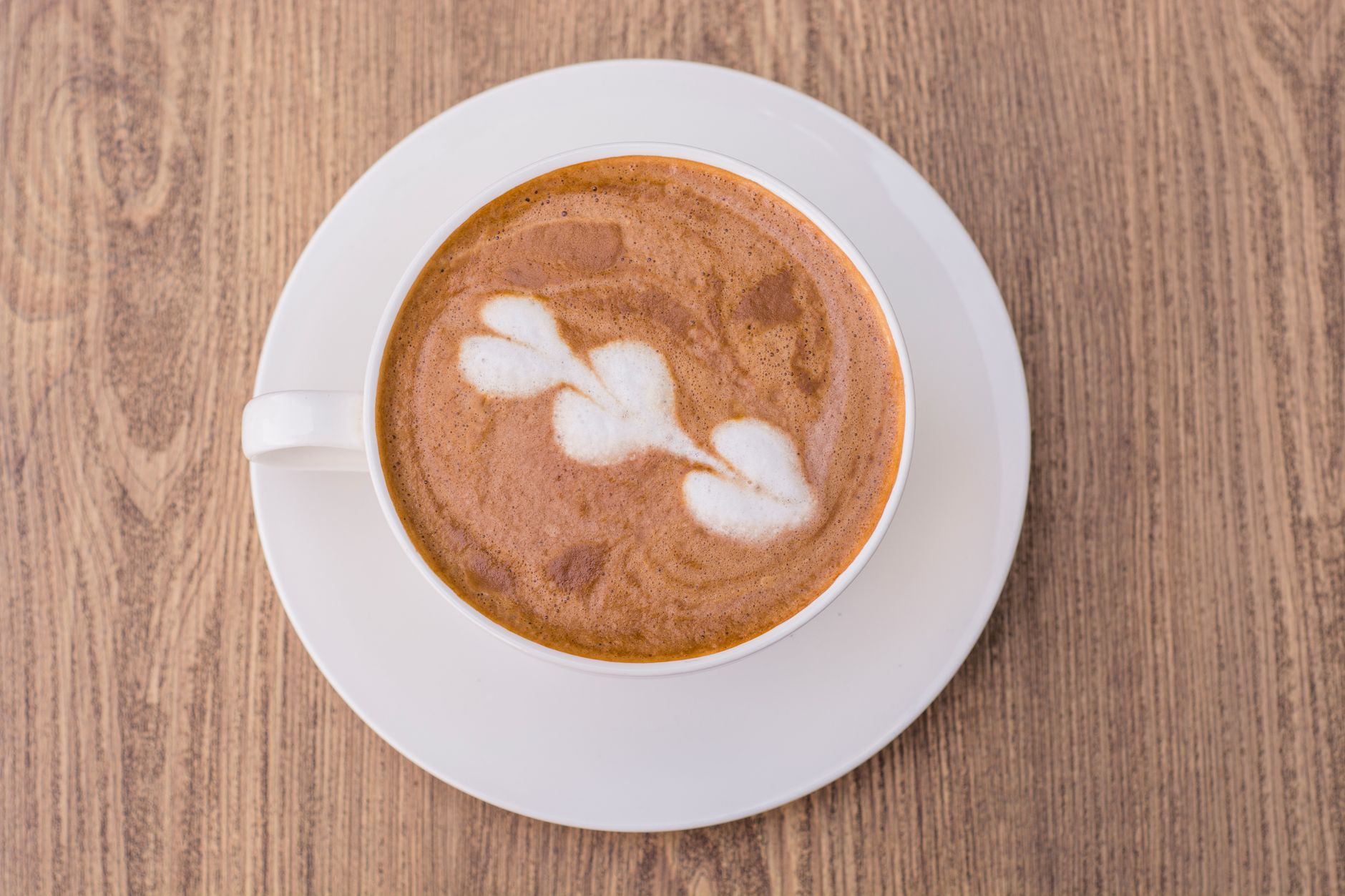 Photo: Ahmad No More via Pexels
Matcha quality is the single biggest variable in taste. Ceremonial-grade powder — stone-ground from shade-grown tencha leaves — delivers vivid green color and a smooth, almost sweet flavor. Culinary-grade matcha often tastes bitter and dull; use it for baking, not lattes.
On the coffee side, the roast profile drives the flavor. A light roast espresso pulls fruity and bright, changing the latte character entirely versus a dark, chocolatey Italian-style shot. Milk temperature matters for both: above 65°C (150°F) you scorch both drinks into flatness.
Sweetness and Texture
Neither drink is naturally sweet — that’s a menu myth. A plain matcha latte without sweetener is vegetal and slightly bitter; a coffee latte without sweetener is straight espresso in milk. Most café versions add 1–2 pumps of simple syrup or vanilla.
Texture is where both drinks shine. Properly steamed whole milk creates microfoam that integrates with both matcha and espresso to produce something noticeably silkier than just stirring powder or coffee into cold milk.
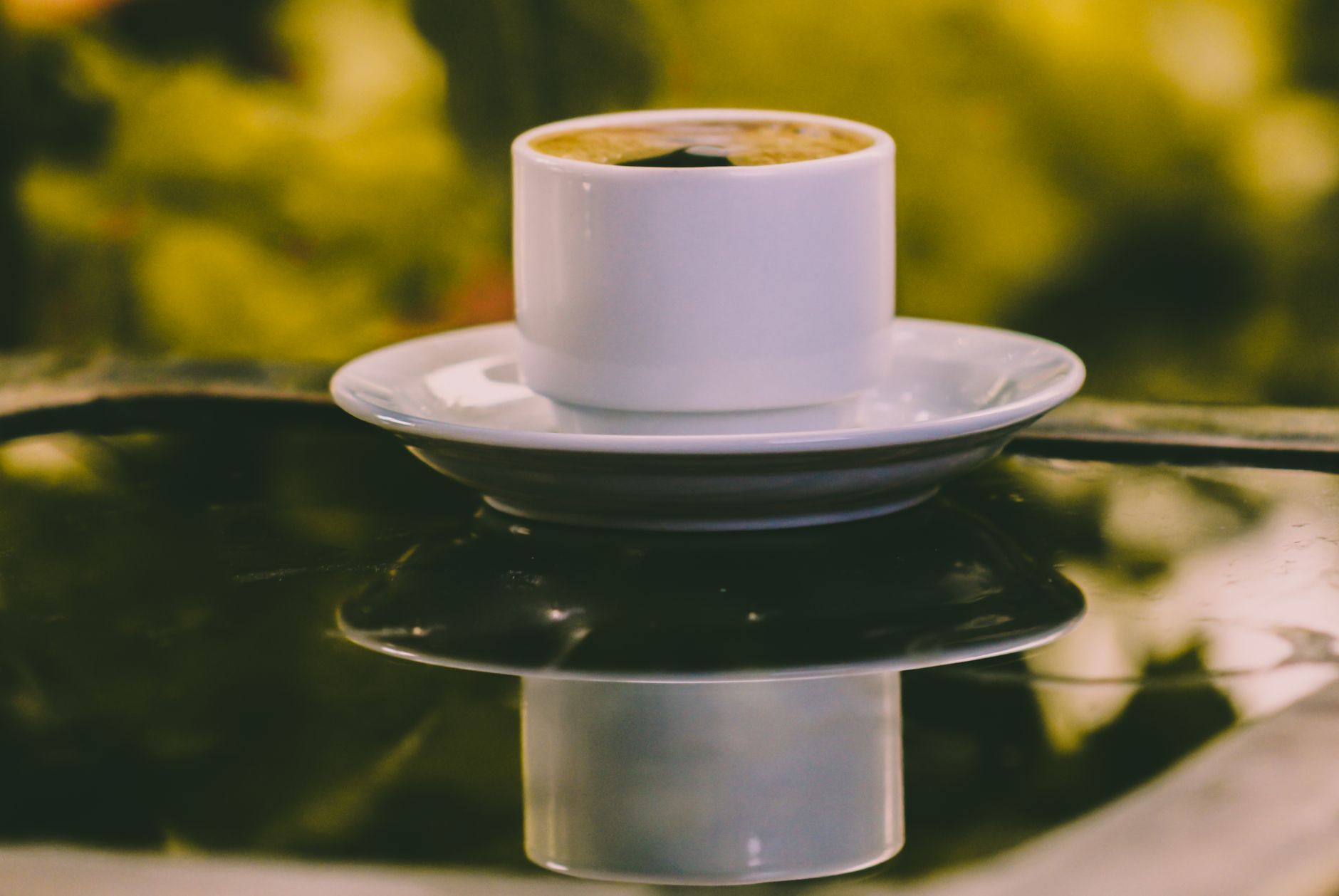
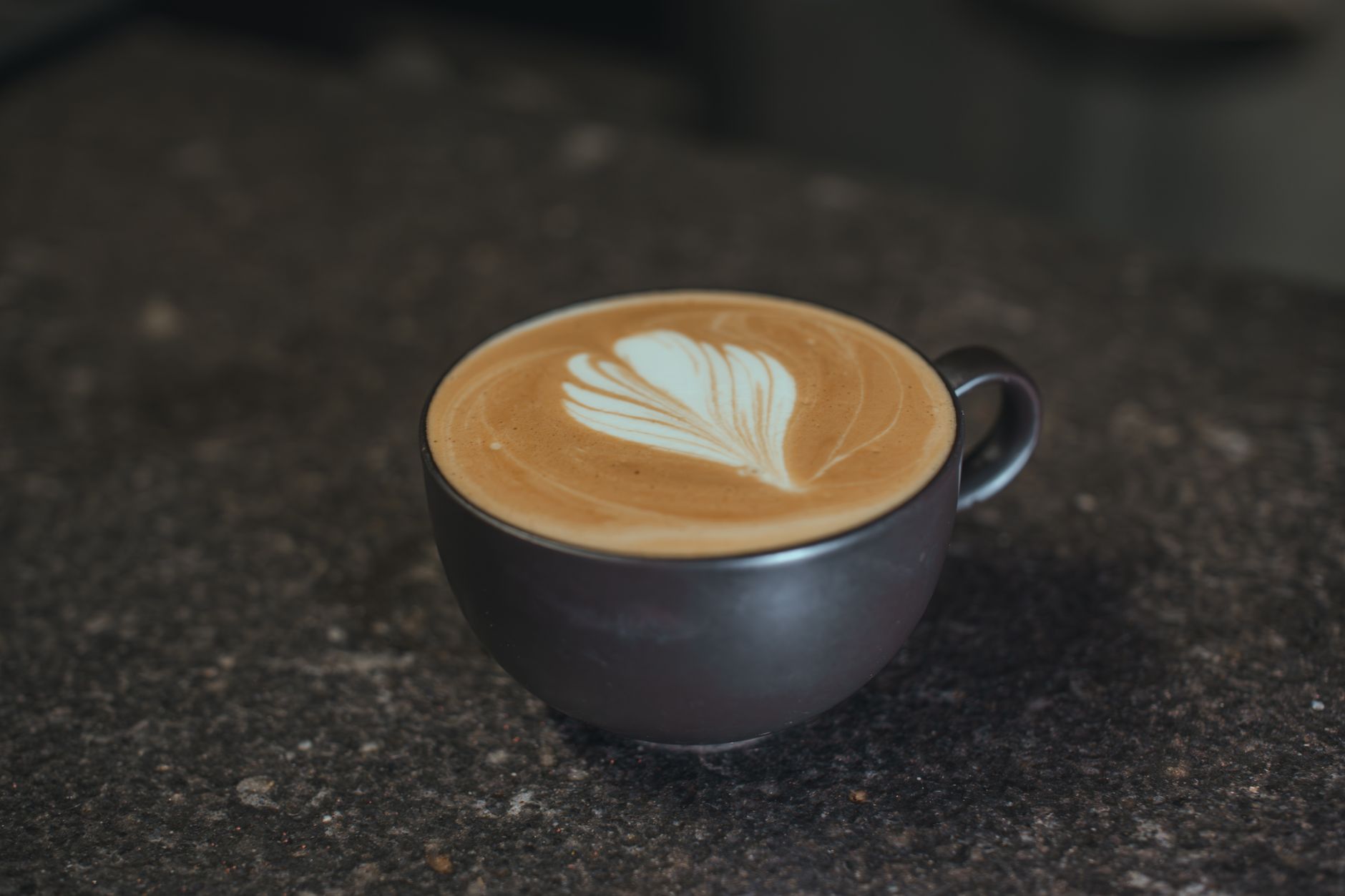 Photo: Yasin Onuş via Pexels
Health Comparison: Beyond the Caffeine
Matcha wins on antioxidant density — it contains EGCG (epigallocatechin gallate) at levels roughly 10x higher than brewed green tea, since you consume the whole leaf. Coffee’s antioxidants come primarily from chlorogenic acids and are still significant. Neither drink is unhealthy unless you’re adding 40g of sugar to it.
| Matcha Latte | Coffee Latte | |
|---|---|---|
| Primary antioxidants | EGCG, catechins | Chlorogenic acids |
| Calories (12oz, whole milk, no sugar) | ~140 kcal | ~190 kcal |
| Added sugar typical (café) | 8–12g | 6–10g |
| Effect on sleep | Milder disruption | Significant if after 2pm |
| Gut effects | Generally gentle | Can increase stomach acid |
How to Make Each at Home
You don’t need a café-grade espresso machine to make a good coffee latte, and you definitely don’t need one for matcha. The baseline equipment for matcha is a bamboo whisk or electric milk frother; for an espresso latte, a Moka pot or AeroPress gets you close to café quality at a fraction of the cost.
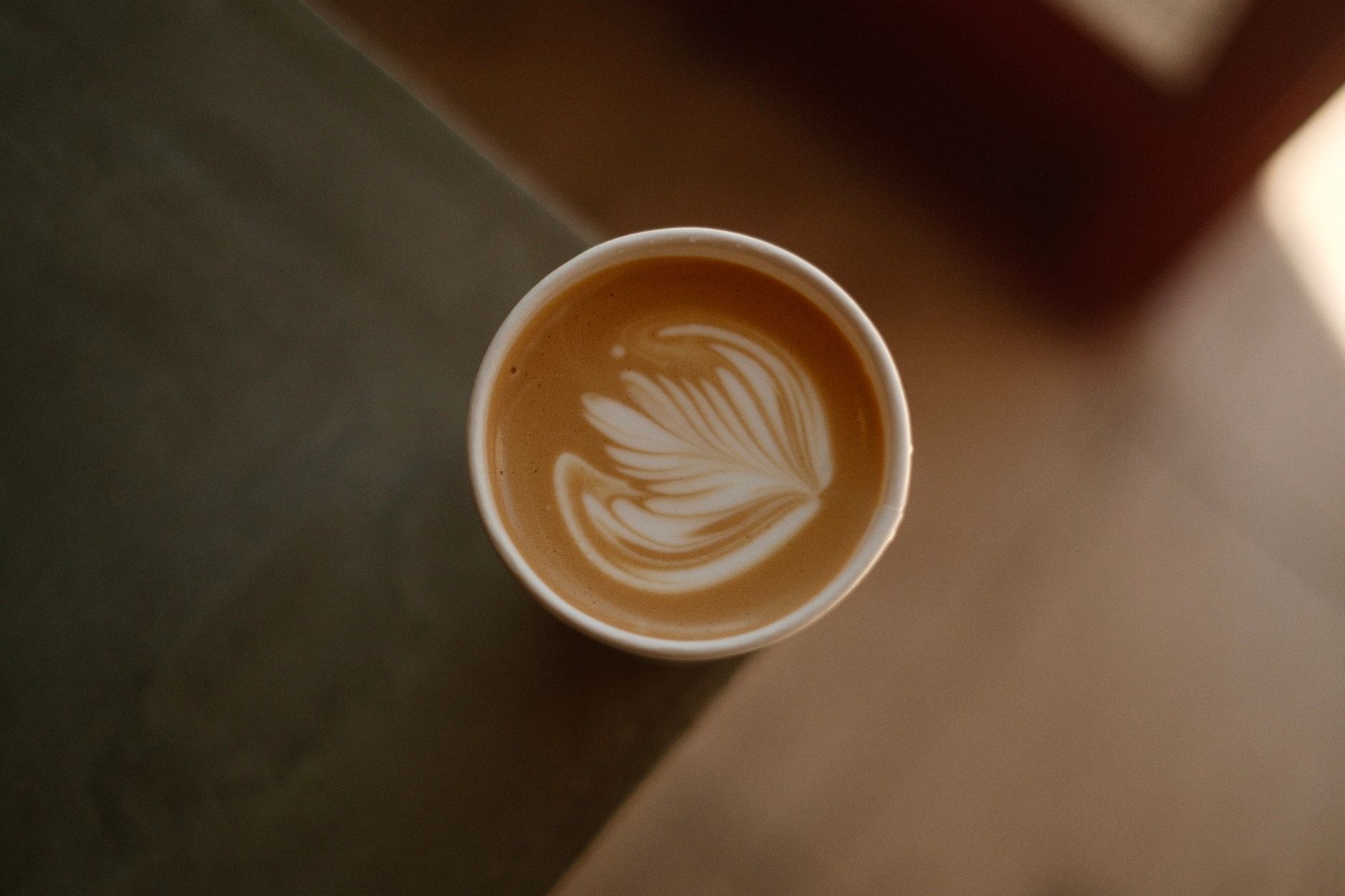
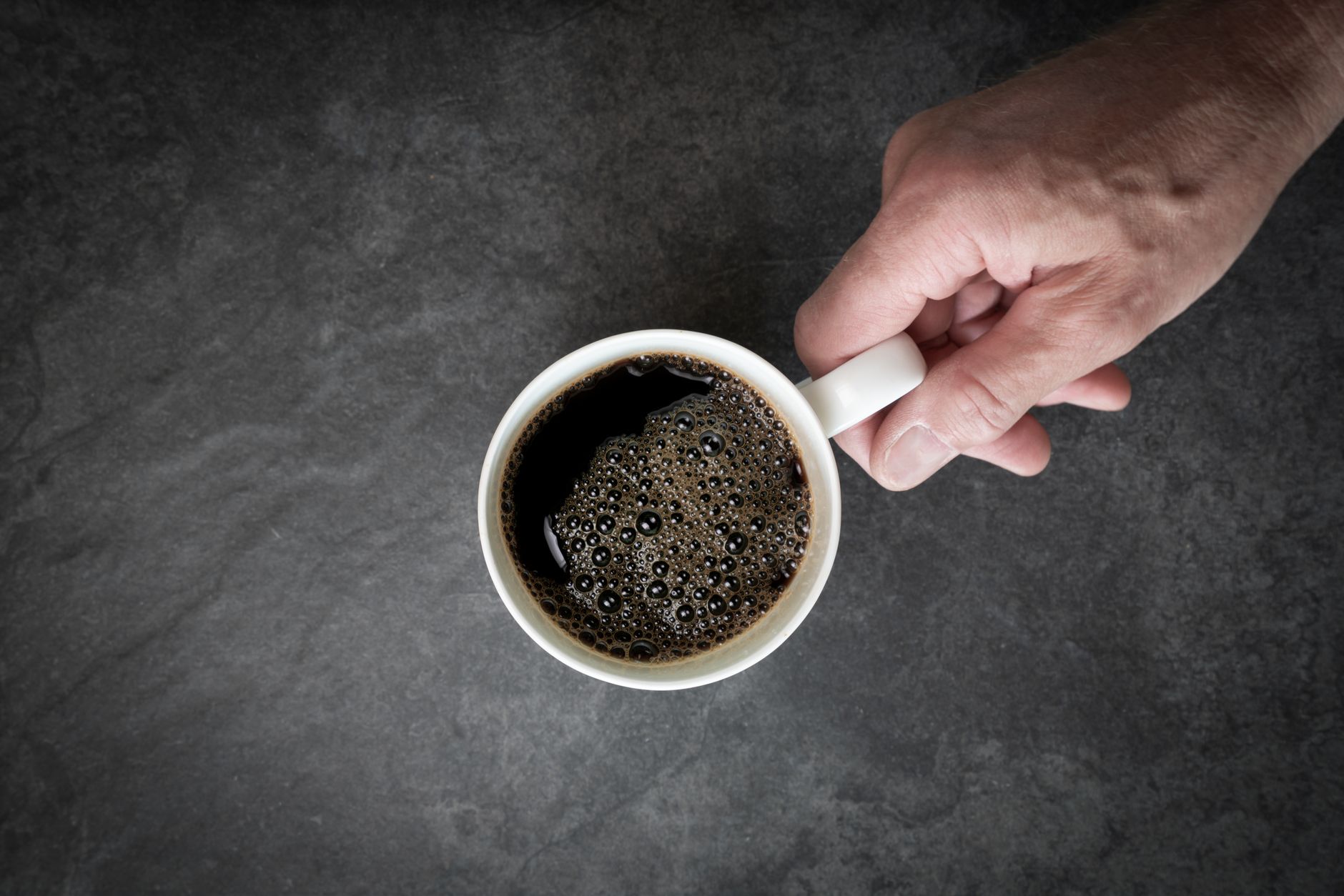 Photo: Frank Schrader via Pexels
Matcha latte method:
- Sift 1–2 tsp ceremonial-grade matcha into a warmed bowl or mug
- Add 2oz water at 75°C (167°F) — never boiling, it turns bitter
- Whisk in W-motion until frothy with no lumps
- Steam or microwave 8–10oz milk to 60°C, froth if possible
- Pour milk over matcha; add sweetener to taste
Espresso latte method (AeroPress):
- Use 20g fine-ground coffee, 60ml water at 90°C
- Steep inverted for 90 seconds, press firm and fast
- Steam or heat 8oz milk, froth to microfoam
- Pour espresso into milk — ratio roughly 1:3
Which Should You Choose?
Choose matcha if you want lower caffeine, longer-lasting energy, and you enjoy earthy, umami flavors. Choose a coffee latte if you want a faster, stronger caffeine hit and prefer roasty, familiar flavor with more regional variety. There is no objectively better option — it’s entirely about what your body and palate want on a given morning.
| You want… | Better choice |
|---|---|
| Less caffeine, no jitters | Matcha latte |
| Strong, fast-acting caffeine | Coffee latte |
| Earthy, umami, vegetal flavor | Matcha latte |
| Roasty, bitter-edged flavor | Coffee latte |
| More antioxidant variety | Matcha latte |
| Wider flavor range via roast/origin | Coffee latte |
| Easier home preparation | Roughly tied |
| Lower cost per serving at home | Coffee latte |
→ See also:
- Espresso Drinks: The Complete Guide to Every Type
- What Is a Cortado? (And How It Differs From a Macchiato)
- Cortado vs Flat White vs Macchiato: Full Comparison
FAQ
Does a matcha latte have more caffeine than a coffee latte? No — a standard coffee latte contains roughly twice the caffeine of a matcha latte. A 12oz coffee latte with a double espresso shot delivers 120–150mg; the same size matcha latte averages 60–80mg. If you’re reducing caffeine intake, matcha is the straightforward swap.
Why does matcha caffeine feel different from coffee caffeine? Matcha contains L-theanine, an amino acid that slows caffeine absorption and promotes alpha-wave brain activity — the state associated with calm focus. The result is a slower onset and a steadier plateau, without the spike that triggers anxiety or the crash that follows a large espresso.
Can I drink a matcha latte every day? Yes, within reason. Daily intake of 2–3 cups of matcha is generally considered safe for healthy adults. The main caution: matcha can contain trace amounts of lead (absorbed from soil), so choosing high-quality Japanese ceremonial-grade powder from reputable sources matters more for daily consumption than occasional use.
Is a matcha latte good for weight loss? Matcha’s EGCG has modest evidence behind it for slightly increasing metabolic rate and fat oxidation, but the effect is small. The bigger variable is what you put in the drink — a matcha latte with 4 pumps of syrup and whole milk is not a low-calorie food. Black matcha whisked in water is about 5 calories; everything else you add is what it costs.
What milk works best in a matcha latte? Oat milk is the current front-runner for both matcha and espresso lattes: its natural sweetness balances matcha’s bitterness, and it froths well without curdling. Whole dairy milk produces the richest microfoam and the creamiest result. Almond milk is thinner and can overwhelm matcha’s delicate flavor; avoid it if you want the matcha to come through.
Does matcha taste like green tea? Matcha is made from the same plant as green tea but processed differently — the leaves are shade-grown (boosting chlorophyll and L-theanine), then stone-ground into powder. The flavor is more concentrated, creamier, and less astringent than steeped green tea, with a stronger umami note. Think of it as green tea dialed up to 10 and then smoothed out with milk.
Editorial methodology: Assessments are based on manufacturer specifications, published user reviews, and editorial research. Physical hands-on testing is noted explicitly where it occurred. Rankings reflect our editorial judgment and are not influenced by affiliate commission rates. Full editorial policy · Affiliate disclosure