Contents
Café de Olla Recipe: Mexican Spiced Coffee
TL;DR: A café de olla recipe simmers ground coffee with cinnamon and piloncillo in a clay pot — no espresso machine required. Use a 1:12 coffee-to-water ratio, steep for 5 minutes after boiling, and strain into a mug. The result is earthy, lightly sweet, and warmly spiced.
What Is Café de Olla?
Café de Olla is a traditional Mexican brewed coffee made by simmering coarse-ground coffee with piloncillo (unrefined cane sugar) and cinnamon sticks. It’s served unsweetened after straining, since the sweetness is built in. The clay pot it’s named after subtly affects flavor — earthenware adds a mineral, slightly smoky note you won’t get from stainless.
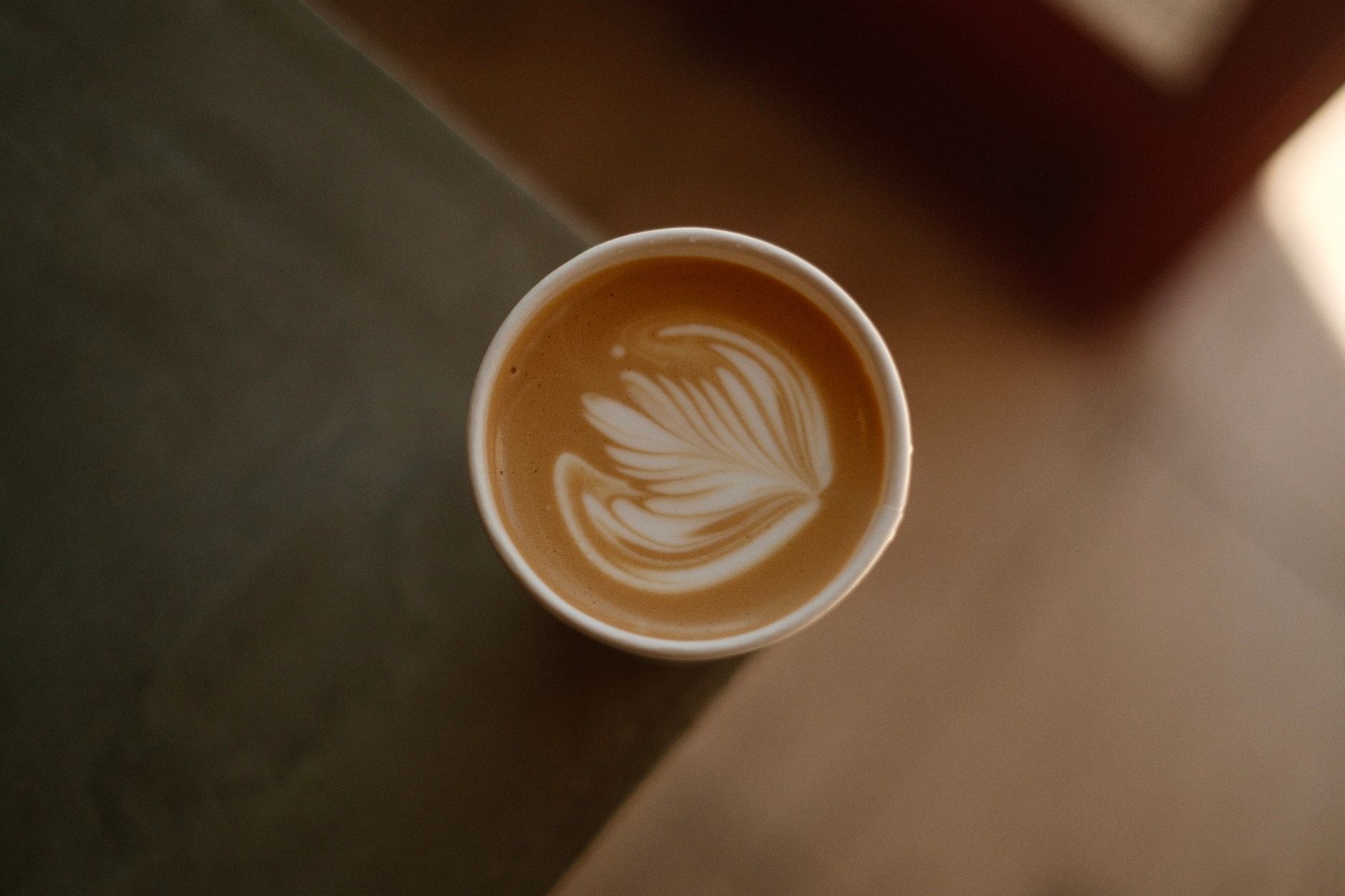
 Photo: David Bares via Pexels
Café de olla predates espresso culture in Mexico by centuries. It’s not specialty coffee — it’s a cultural artifact. The combination of piloncillo’s molasses depth and Ceylon cinnamon’s floral warmth transforms cheap, dark-roasted coffee into something worth drinking slowly.
You don’t need a clay pot. A small saucepan works. But if you can find an earthenware olla at a Latin grocery or online, the flavor difference is real — porous clay acts like a very slow, passive filter that rounds out bitterness.
Ingredients and Ratios
For 2 servings: 500ml water, 40g coarse-ground dark roast, 30g piloncillo (or dark brown sugar), and one 3-inch cinnamon stick. Optional additions — one clove, one star anise, a strip of orange peel — are regional variants, not requirements.
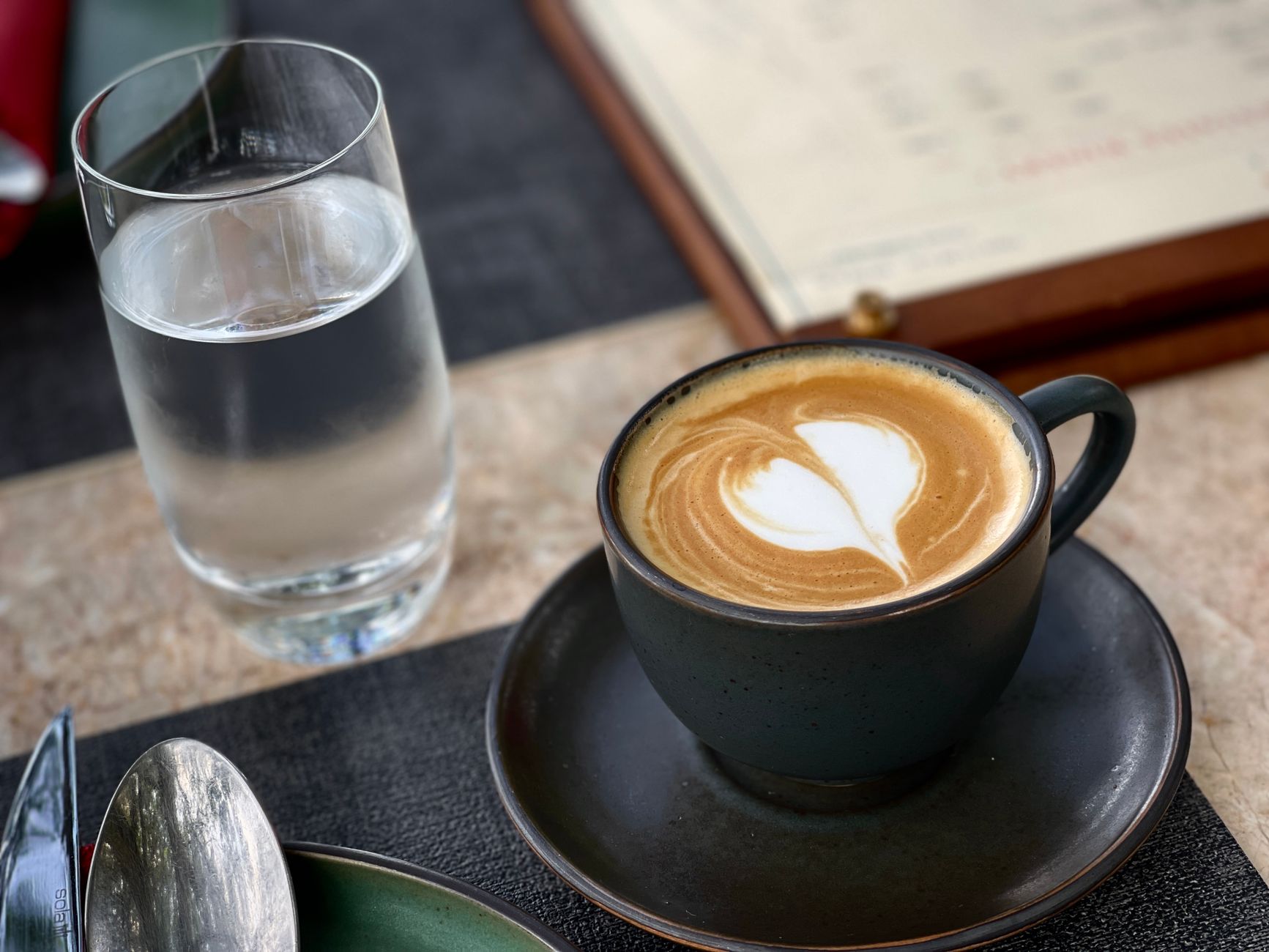
 Photo: Rahime Gül via Pexels
| Ingredient | Amount (2 servings) | Notes |
|---|---|---|
| Water | 500ml | Start cold or room temp |
| Ground coffee | 40g | Coarse grind, dark roast |
| Piloncillo | 30g | Substitute: dark brown sugar |
| Cinnamon stick | 1 (3 inch) | Ceylon preferred over cassia |
| Clove | 1 (optional) | Adds depth, not sweetness |
| Star anise | ½ pod (optional) | Regional variant |
| Orange peel | 1 strip (optional) | Adds brightness |
Piloncillo is non-negotiable if you want authentic flavor. Dark brown sugar gets you close. White sugar with a teaspoon of molasses is a reasonable workaround. Honey changes the flavor profile entirely — it’s a different drink.
How to Make Café de Olla: Step-by-Step
Add water, piloncillo, and cinnamon to your pot. Bring to a gentle boil, stirring until the piloncillo dissolves fully. Add coffee, stir once, reduce heat to low, steep 5 minutes, then strain. That’s the whole recipe — eight minutes start to finish.
Equipment
You need almost nothing: a small pot, a fine-mesh strainer or cheesecloth, and a mug. If you have a clay olla , use it. If not, a small saucepan works fine.
For grinding, a medium-coarse setting — similar to French press — is correct. Pre-ground coffee works here; the simmering process is forgiving.
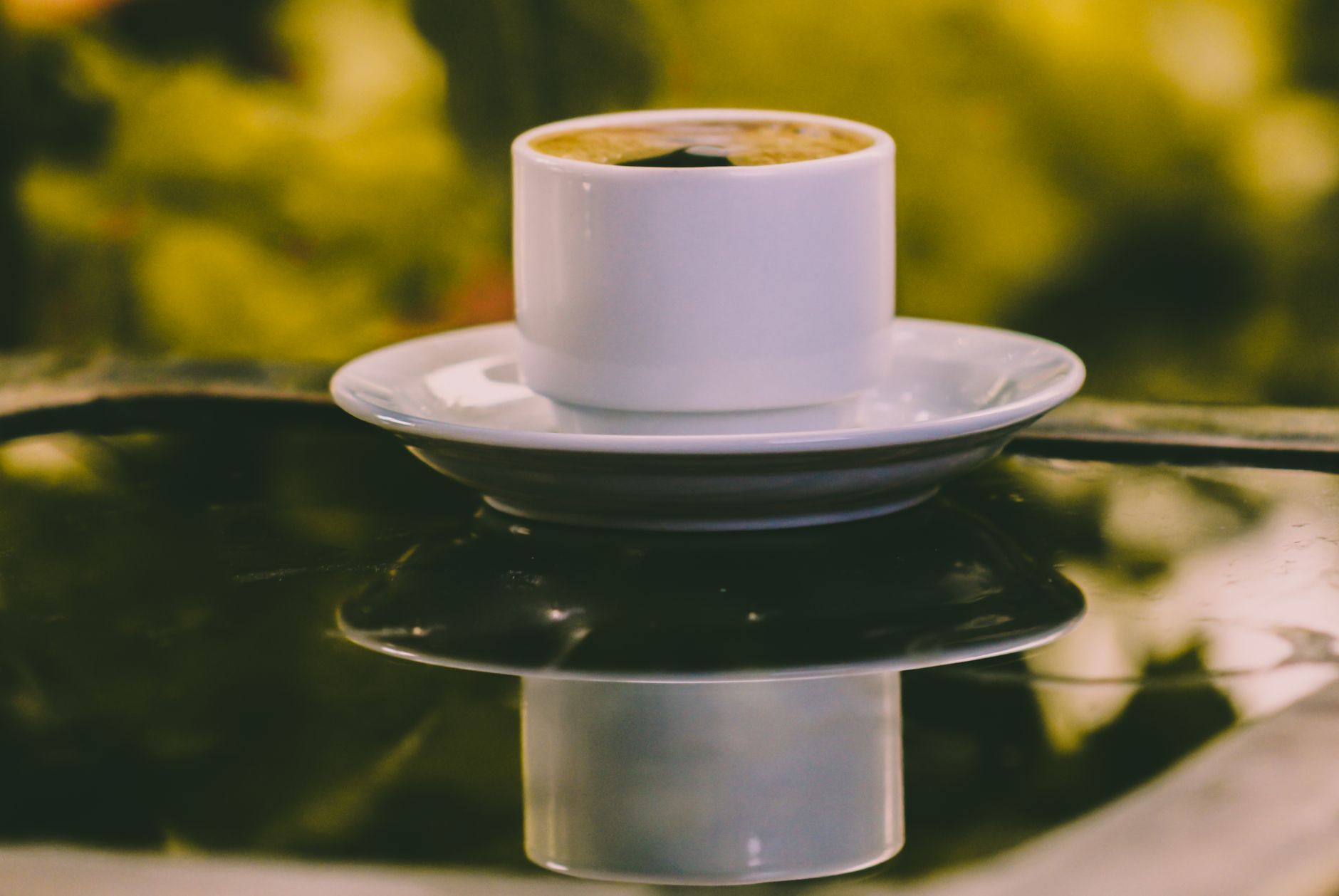
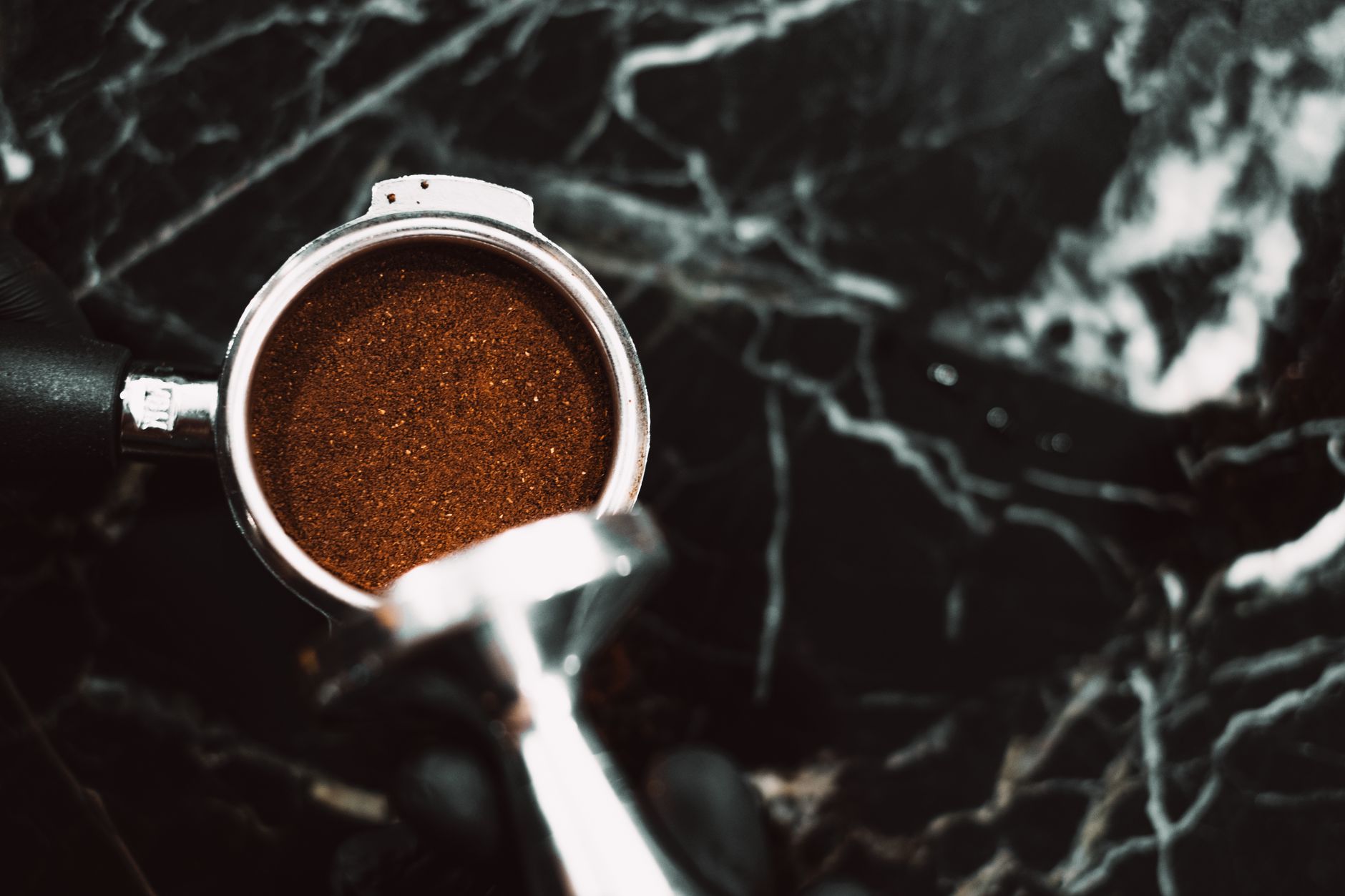 Photo: Furkan Tumer via Pexels
Method
- Combine 500ml cold water with 30g piloncillo and the cinnamon stick in your pot.
- Bring to a boil over medium heat, stirring until piloncillo is fully dissolved.
- Add 40g ground coffee. Stir once to wet the grounds.
- Reduce to the lowest heat. Steep uncovered for 5 minutes — no boiling.
- Remove from heat. Let grounds settle for 30 seconds.
- Strain through a fine-mesh strainer into mugs.
- Serve immediately. No milk, no cream — café de olla is black.
Do not boil the coffee. Once grounds go in, heat drops to low. Boiling extracts excess bitterness and blows off the aromatic compounds that make this drink worth making.
Choosing the Right Coffee
Dark roast is traditional and correct here. The spices and piloncillo pair with roast-forward, chocolatey, low-acid coffees — a washed Ethiopian light roast will fight the cinnamon rather than complement it. A Mexican or Central American dark roast is the ideal match.
Pre-ground grocery store coffee works. If you’re grinding your own, aim for a coarse French press grind — too fine and straining becomes difficult, and you’ll get silt in the cup.
Blade grinder users: pulse in short bursts and aim for even, coarse pieces. A burr grinder gives cleaner results, but this recipe forgives inconsistency better than most pour-over methods.
Regional Variations
| Region | Added Spice | Effect |
|---|---|---|
| Oaxaca | Star anise | Licorice undertone |
| Veracruz | Orange peel | Brightness, citrus lift |
| Puebla | Clove | Warm, slightly medicinal depth |
| Michoacán | Piloncillo + raw honey | Floral sweetness |
None of these variations are wrong. Start with the base recipe, then add one optional ingredient per batch until you find your version.
Troubleshooting
Too bitter: You boiled the coffee, steeped too long, or used too fine a grind. Pull heat down before adding grounds, keep steep to 5 minutes.
Too weak: Ratio is off, or grind is too coarse. Try 45g coffee per 500ml.
Grainy cup: Strainer holes too large. Double-strain through cheesecloth, or let the grounds settle longer before pouring.
Cinnamon too aggressive: Use Ceylon, not cassia (Saigon/Vietnamese cinnamon). Cassia is sharper and more pungent — good for baking, harsh in coffee.
→ See also:
- Espresso Drinks: The Complete Guide to Every Type
- What Is a Cortado? (And How It Differs From a Macchiato)
- Cortado vs Flat White vs Macchiato: Full Comparison
FAQ
Can I make café de olla without a clay pot? Yes — a small saucepan works well. The clay pot adds a subtle mineral note from the earthenware, but the flavor difference is minor. If you want to try the authentic version, an unglazed clay olla is inexpensive at most Latin grocery stores.
What’s the difference between piloncillo and brown sugar in café de olla? Piloncillo is unrefined cane sugar with a stronger molasses flavor — deeper, more complex, and less sweet by weight than brown sugar. Dark brown sugar is the closest substitute. The swap is noticeable but acceptable; white sugar produces a flat, one-dimensional sweetness by comparison.
Can I make café de olla with espresso or instant coffee? You can, but the method doesn’t improve either. Espresso is already extracted — simmering it produces bitterness. Instant coffee dissolves instantly; steep for 1 minute maximum at most. The base recipe is designed for coarse-ground coffee that can survive a 5-minute low-heat steep.
What grind size should I use for café de olla? Medium-coarse — similar to French press. Fine grinds clog the strainer and create muddy sediment. Coarser than French press under-extracts. If you’re using pre-ground grocery coffee, standard “coarse grind” bags work fine.
Is café de olla served with milk? Traditionally, no. The piloncillo provides sweetness and the spices provide aroma; milk dilutes both. Some modern variations add a splash of evaporated milk or condensed milk, which makes it richer — but that’s a different drink.
Editorial methodology: Assessments are based on manufacturer specifications, published user reviews, and editorial research. Physical hands-on testing is noted explicitly where it occurred. Rankings reflect our editorial judgment and are not influenced by affiliate commission rates. Full editorial policy · Affiliate disclosure