
Contents
Japanese Iced Coffee vs Cold Brew: Which Is Better?
TL;DR: Japanese iced coffee brews hot directly over ice, producing a bright, aromatic cup in under 5 minutes. Cold brew steeps cold for 12–24 hours, yielding a smoother, less acidic concentrate. Neither is objectively better — japanese iced coffee vs cold brew is a question of flavor preference and how much time you have.
What Is Japanese Iced Coffee?
Japanese iced coffee brews a concentrated hot extraction directly onto ice, chilling the coffee instantly. The rapid temperature drop locks in volatile aromatic compounds that would otherwise dissipate. You get full extraction clarity plus cold-temperature freshness — in about 4 minutes.
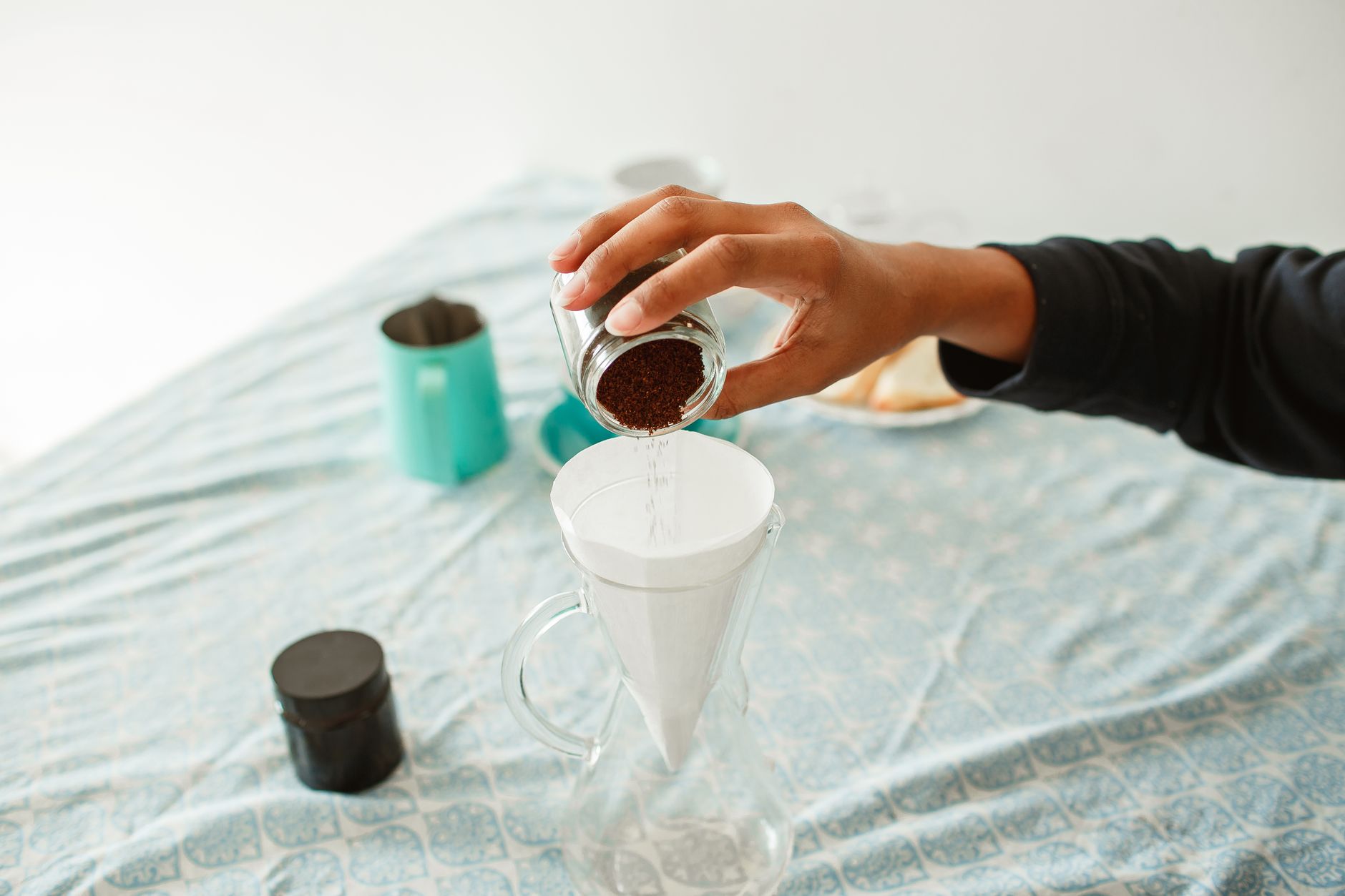 Photo: Helena Lopes via Pexels
The method is simple: use a pour-over dripper (V60, Kalita Wave, or Chemex), reduce your water volume by roughly 40%, and replace that missing water with ice in the receiving vessel. The brew hits the ice, flash-chills, and dilutes to the correct strength simultaneously.
Because you’re using hot water, extraction is complete and fast. Acids bloom fully — which some read as brightness, others as sharpness. Origin character comes through clearly: a washed Ethiopian with jasmine and bergamot notes will taste distinctly floral. That transparency is the format’s main strength.
Grind and Ratio for Japanese Iced Coffee
Use the same grind you’d use for hot pour-over — medium-fine. A reliable starting ratio: 15g coffee per 150ml hot water, with 100g ice in the vessel below (total yield ~250ml). Adjust ice weight up if your brew tastes weak, down if it’s diluted.
 Photo: Quang Nguyen Vinh via Pexels
What Is Cold Brew?
Cold brew steeps coarsely ground coffee in cold or room-temperature water for 12–24 hours, then filters it. The absence of heat extracts fewer acids and bitter compounds, producing a concentrate that’s heavy-bodied, sweet-forward, and shelf-stable for up to two weeks.
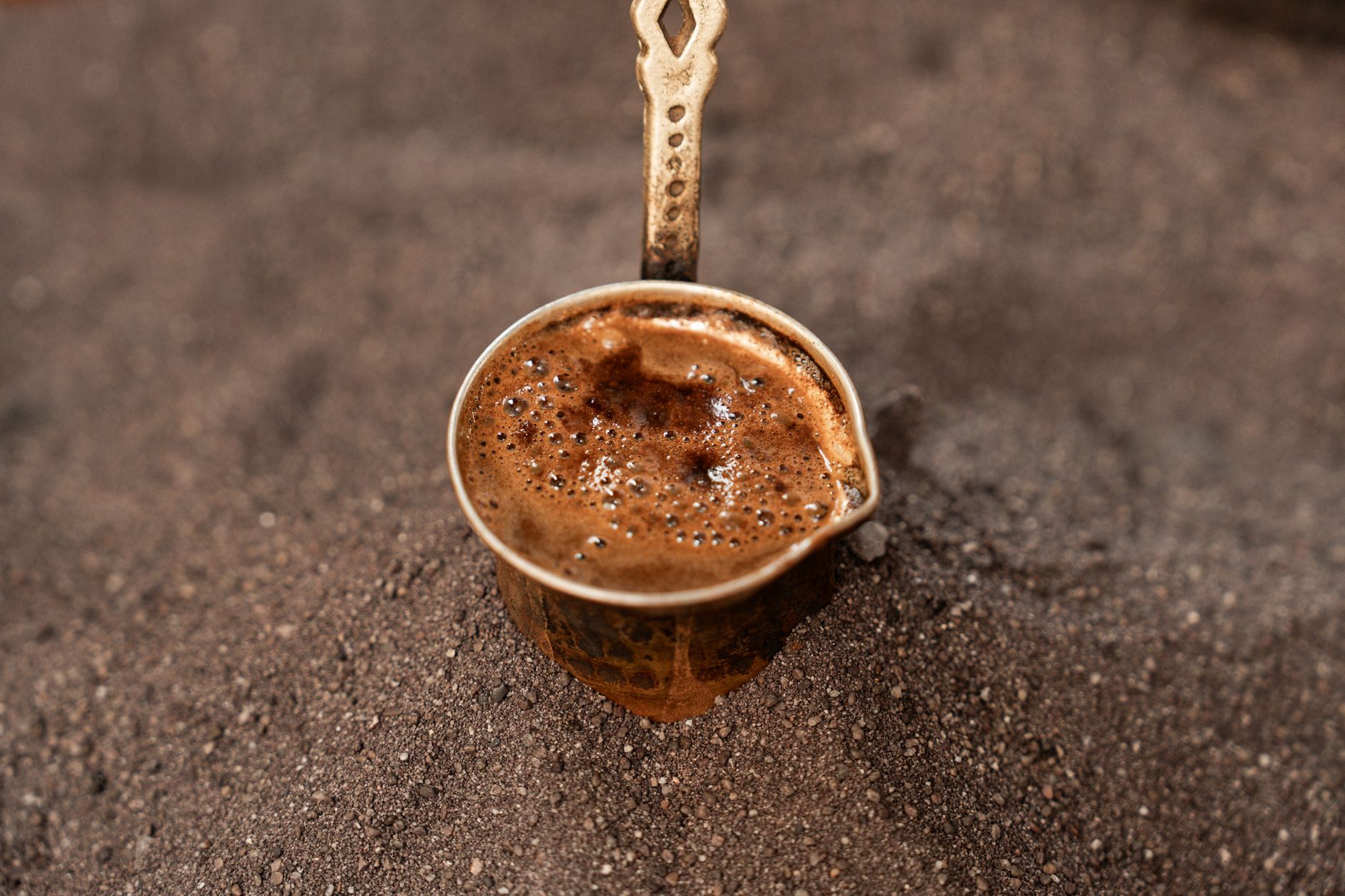 Photo: Ahmed via Pexels
The chemistry is fundamentally different from hot brewing. Heat accelerates extraction of acids and certain bitter quinones — remove heat and those compounds extract slowly and incompletely. The result is a naturally low-acid beverage that many people with acid sensitivity drink comfortably.
Standard cold brew ratio: 1:8 by weight (100g coffee to 800ml water) for concentrate, diluted 1:1 before serving. You can adjust the steep time between 12 hours (lighter, brighter) and 24 hours (heavier, more intense) — beyond 24 hours, you risk over-extraction even cold.
Cold Brew Equipment
You don’t need specialist gear. A mason jar and a paper filter covers it. Dedicated cold brew makers like the Oxo Brew or Toddy System simplify filtering and storage but aren’t necessary.
Japanese Iced Coffee vs Cold Brew: Direct Comparison
| Factor | Japanese Iced Coffee | Cold Brew |
|---|---|---|
| Brew time | 4–6 minutes | 12–24 hours |
| Flavor profile | Bright, aromatic, origin-forward | Smooth, sweet, low-acid |
| Acidity | Higher (hot extraction) | Lower |
| Caffeine | Standard (~80–100mg/250ml) | Higher if undiluted concentrate |
| Shelf life | Best same-day | Up to 2 weeks refrigerated |
| Equipment | Pour-over dripper + scale | Container + coarse filter |
| Best coffee | High-quality single origins | Blends, medium roasts work well |
| Batch size | Single serve to 4 cups max | Easy to scale to 1–2 liters |
Flavor: Where They Actually Differ
Japanese iced coffee preserves the aromatics and terroir of the bean — floral, fruity, tea-like notes survive because the brew is flash-chilled before they oxidize. Cold brew mutes those high notes and amplifies body and sweetness, which makes it more forgiving of mediocre beans.
 Photo: Sóc Năng Động via Pexels
If you’re spending money on a single-origin natural-process coffee, Japanese iced coffee is the honest choice — you’ll taste what you paid for. Cold brew is better suited to approachable, crowd-pleasing drinks: it’s what works well with milk, flavored syrups, or nitro infusion.
When to Use Each Method
Use Japanese iced coffee when:
- You want a single fresh cup now
- You’re brewing a high-quality, expensive single origin
- You want a wine-like tasting experience
- You have a pour-over setup already
Use cold brew when:
- You want a week’s supply made once
- You’re serving a crowd or batch-prepping for a café
- You’re making coffee cocktails, milk drinks, or nitro
- Acidity is a concern (GI sensitivity, acid reflux)
→ See Also
- Cold Brew Coffee: The Complete Guide (Ratio, Method, Storage)
- Cold Brew Coffee Ratio Calculator
- How to Make Cold Brew Coffee at Home
FAQ
Does Japanese iced coffee taste watered down? Not if you calibrate correctly. The ice replaces a portion of your brew water — it’s not added on top of a full-strength brew. Get the ratio right (typically 60% hot water, 40% ice by weight) and the final dilution matches a standard hot brew.
Is cold brew stronger than regular iced coffee? Cold brew concentrate is stronger — often 2× the caffeine of a standard brew before dilution. Served diluted 1:1, it’s roughly equivalent. Japanese iced coffee brewed at standard ratios delivers a normal caffeine dose.
Can you use any coffee for Japanese iced coffee? Yes, but light and medium roasts show the most benefit. The method’s transparency means dark, ashy roasts don’t hide behind cold-temperature sweetness the way they do in cold brew. Use the freshest beans you have.
Why does cold brew taste less bitter? Bitter compounds like chlorogenic acid lactones extract primarily with heat. Cold extraction at 4–20°C extracts them slowly and partially, so the final cup contains fewer bitter compounds even after a 24-hour steep. It’s chemistry, not mythology.
Which method is better for batch prep? Cold brew by a wide margin. A 1-liter batch stays fresh for two weeks refrigerated. Japanese iced coffee is best consumed within hours — the aromatics that make it special oxidize quickly once brewed and chilled.
Can you make Japanese iced coffee with an Aeropress? Yes. Brew a concentrated Aeropress shot using a 1:6 ratio (15g coffee, 90ml water) directly over 60–70g of ice. The result is similar — bright, fast, single-serve — though with slightly higher pressure extraction than a pour-over.
Editorial methodology: Assessments are based on manufacturer specifications, published user reviews, and editorial research. Physical hands-on testing is noted explicitly where it occurred. Rankings reflect our editorial judgment and are not influenced by affiliate commission rates. Full editorial policy · Affiliate disclosure