Contents
How to Make Nitro Cold Brew at Home
TL;DR: You can make nitro cold brew at home by brewing a strong cold brew concentrate, then infusing it with nitrogen using a whipped cream dispenser (iSi or similar) and N2O cartridges — or a dedicated nitro tap system for a more authentic result. The result is a silky, cascading pour with a creamy head, no dairy needed.
What Is Nitro Cold Brew?
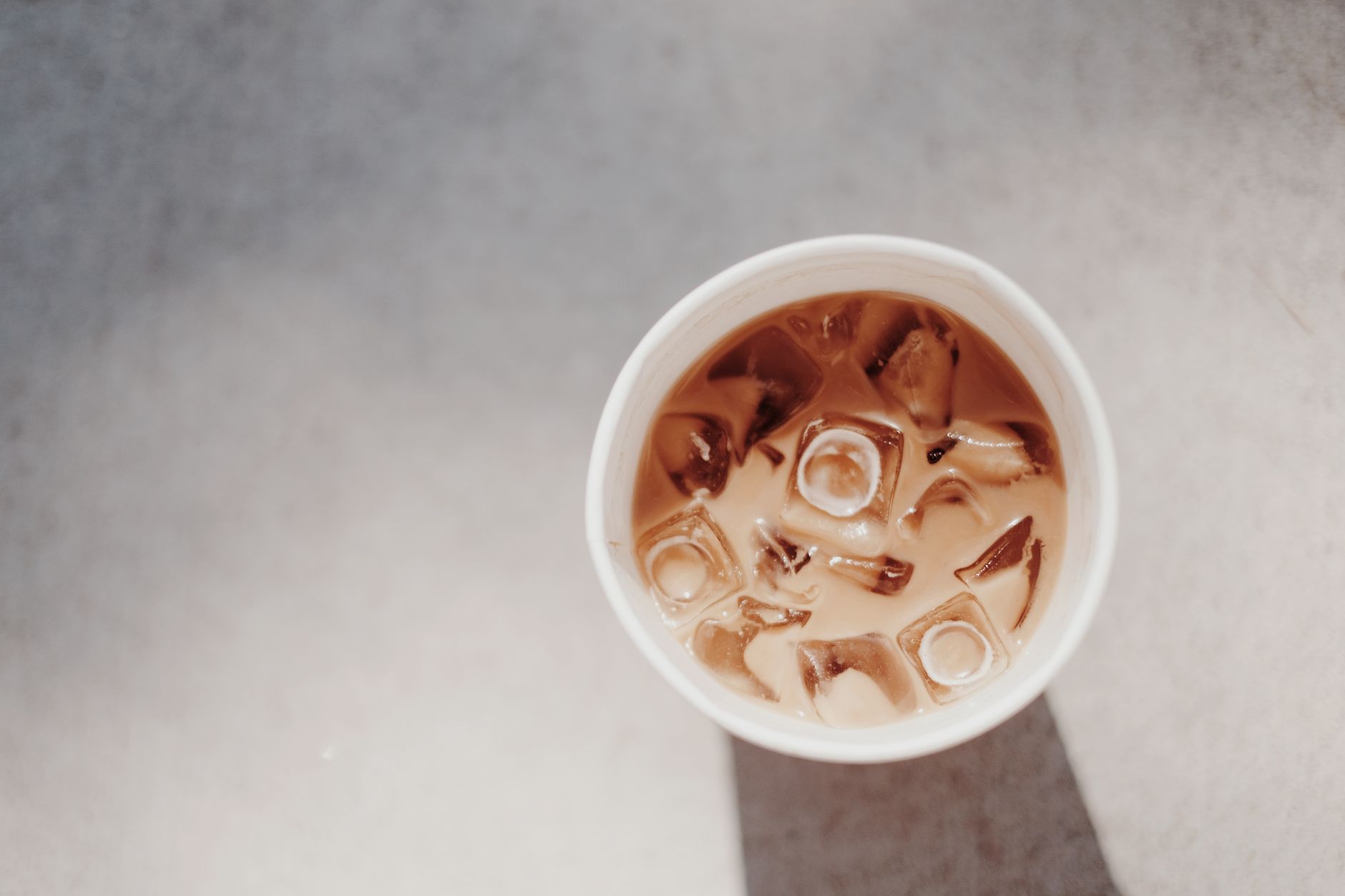
Nitro cold brew is regular cold brew coffee infused with nitrogen gas under pressure. Nitrogen’s tiny, insoluble bubbles create a thick, velvety mouthfeel and a distinctive cascading pour — not a CO2 fizz, but a creamy, Guinness-like texture. The sweetness comes from the nitrogen itself, not added sugar.
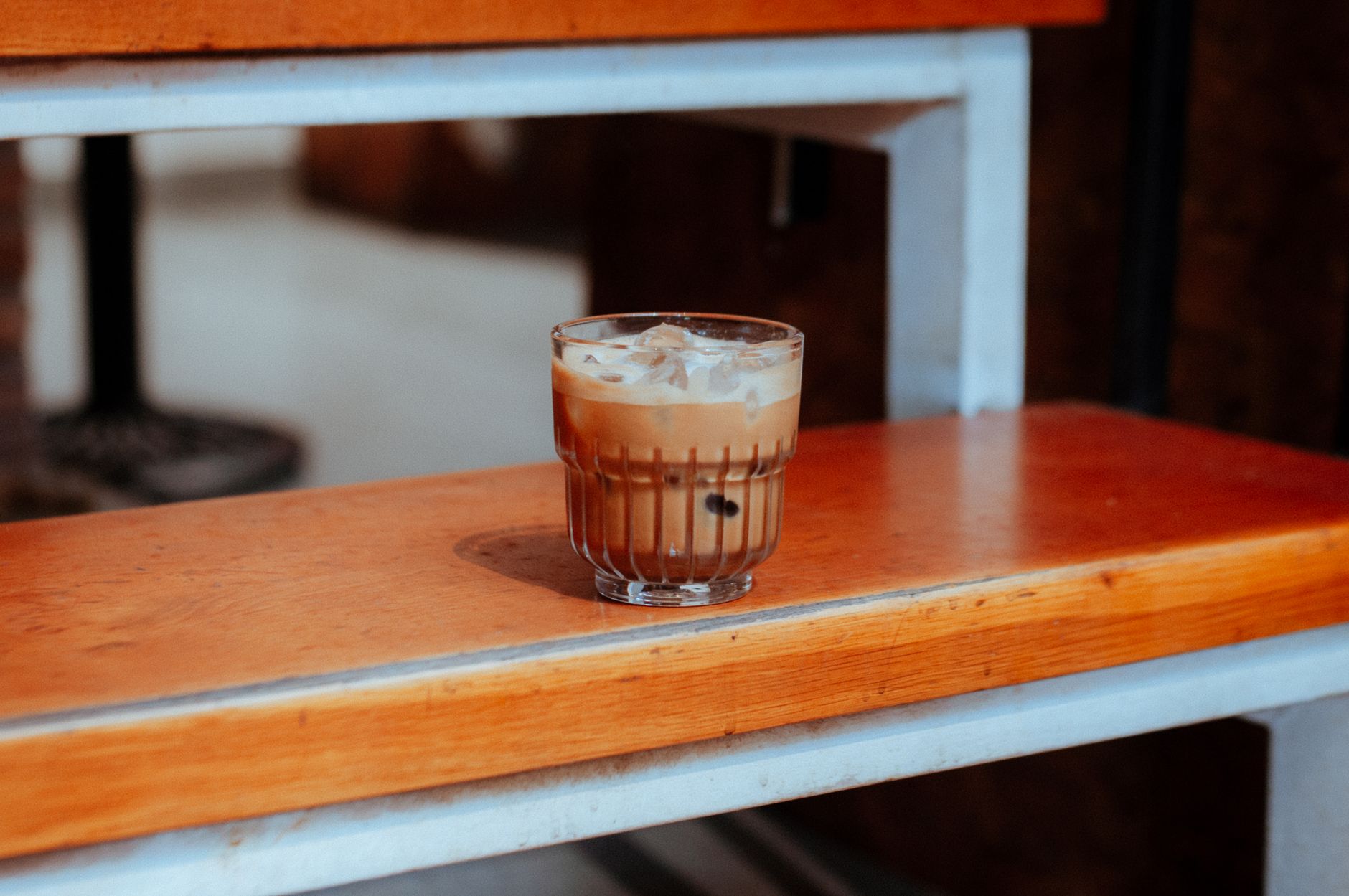 Photo: 🇻🇳🇻🇳Nguyễn Tiến Thịnh 🇻🇳🇻🇳 via Pexels
Nitrogen behaves differently from CO2. It’s far less soluble in liquid, which means the bubbles stay small and dense rather than creating carbonation. That’s what gives nitro its signature creaminess and the frothy head that sits on top.
You need two things to replicate this at home: a strong cold brew base and a way to force nitrogen into it under pressure.
The Cold Brew Base: Make It Strong
Use a 1:4 coffee-to-water ratio (by weight) for nitro. Standard cold brew is typically 1:8; nitro is served over ice or in small pours, so concentrate is the starting point. Coarse-ground beans, room temperature or cold water, 12–24 hours of steep time.
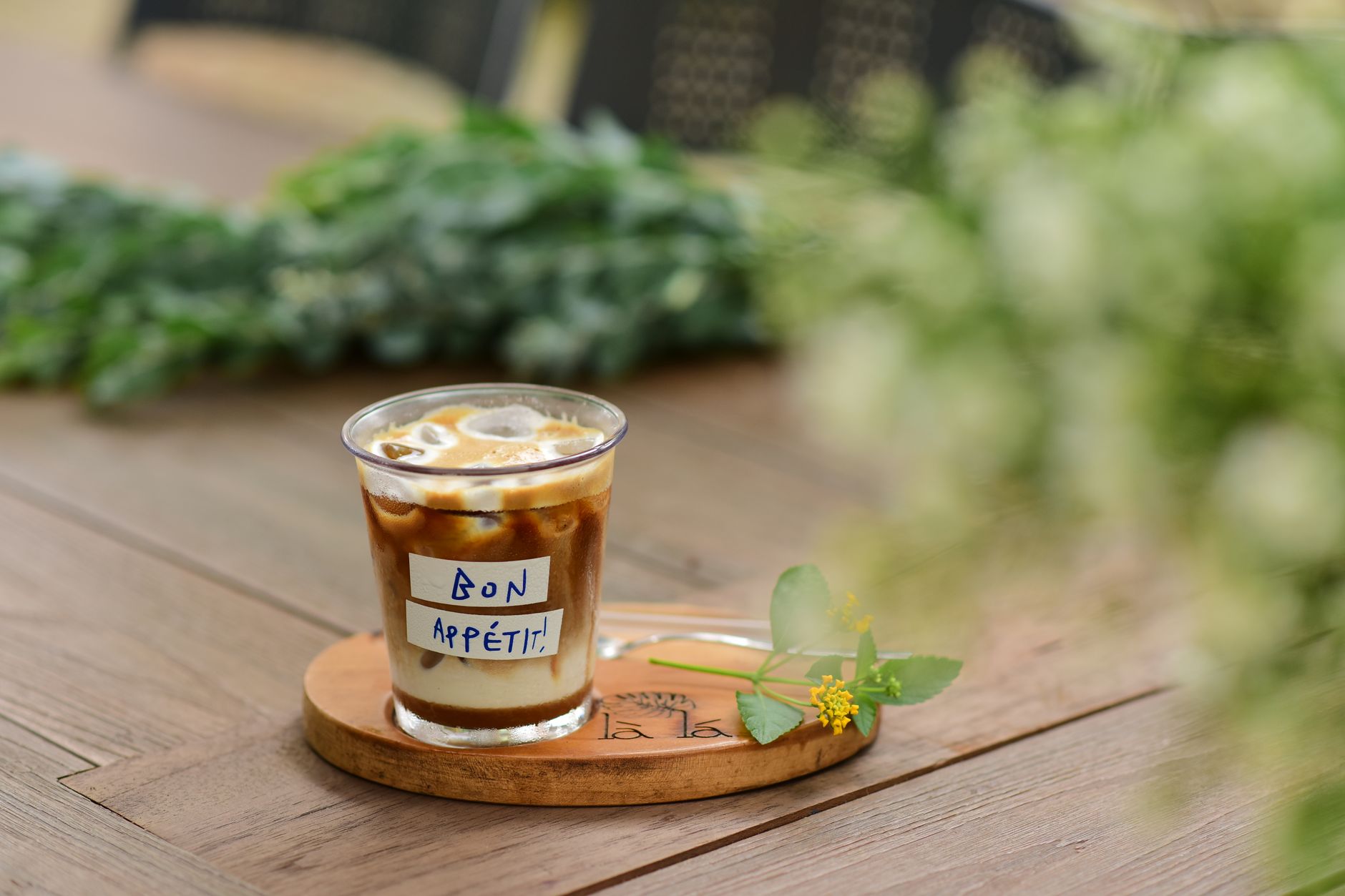
 Photo: 🇻🇳🇻🇳Nguyễn Tiến Thịnh 🇻🇳🇻🇳 via Pexels
A finer grind or hotter water produces astringency — the colder, longer steep rounds the edges. For a 500 ml batch:
- 125 g coarse-ground coffee
- 500 ml filtered water
- Steep in a mason jar or cold brew maker 18–24 hours in the fridge
- Strain through a paper filter or fine mesh + cheesecloth
This concentrate is what you’ll charge with nitrogen.
Coffee Selection
Medium to medium-dark roasts work best. Light roasts have higher acidity that can taste sharp when amplified by nitrogen’s perceived sweetness contrast. Look for beans with chocolate, caramel, or nutty notes — they read as naturally sweet once infused.
Equipment: Two Routes
Route 1 — Whipped Cream Dispenser (Budget, ~$40–70)
A 500 ml iSi Gourmet Whip or similar cream dispenser uses N2O (nitrous oxide) cartridges, not true nitrogen. The result is close — creamy, smooth — but purists will notice a very slight sweetness and less authentic cascade. For most home brewers, it’s indistinguishable.
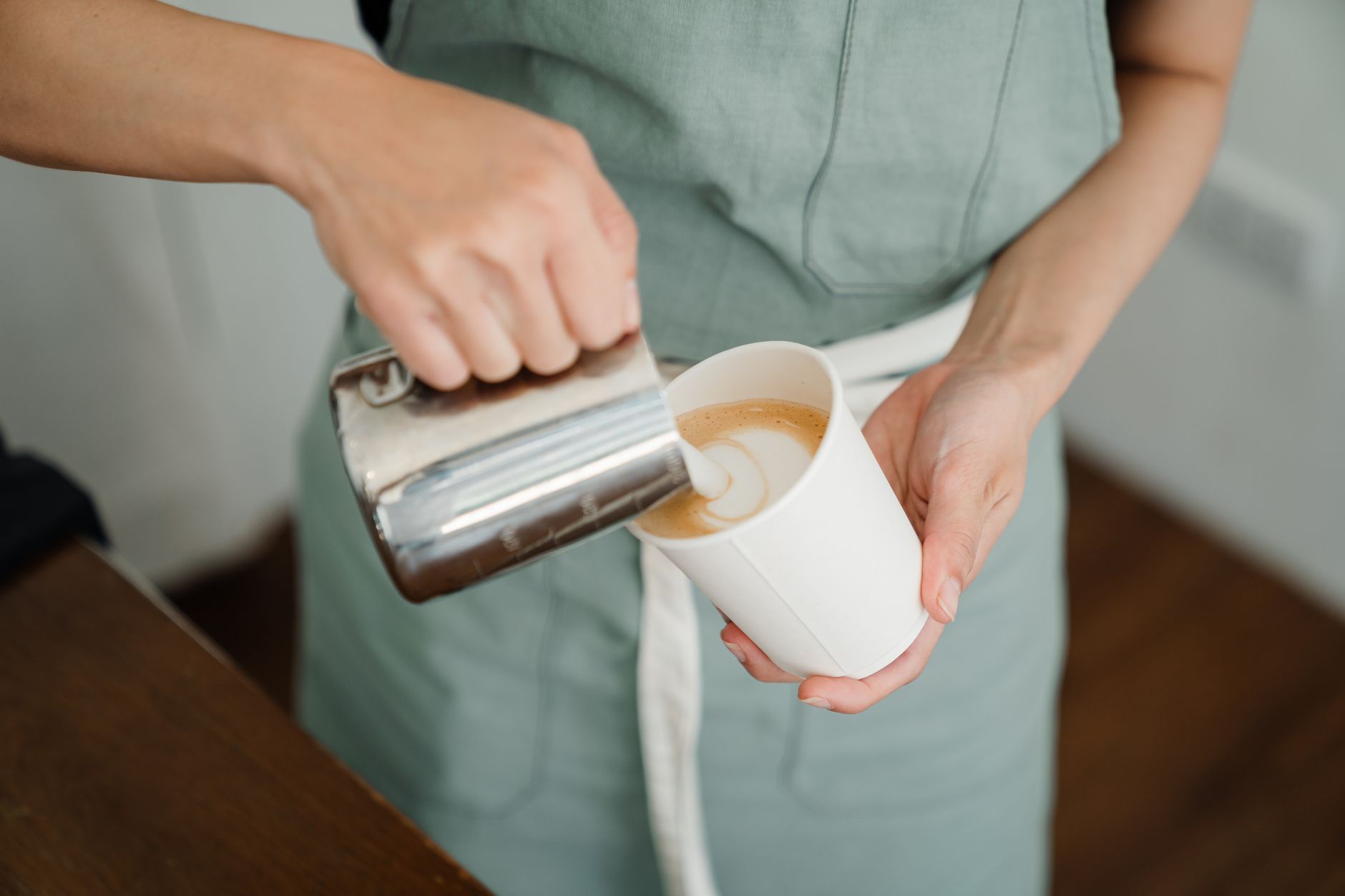 Photo: Ketut Subiyanto via Pexels
How to use it:
- Fill the dispenser no more than 2/3 full with cold brew concentrate
- Screw on the head, charge with one N2O cartridge
- Shake vigorously 10–20 times
- Refrigerate 30 minutes minimum (overnight is better)
- Invert and dispense slowly into a glass
The key: dispense slowly over the back of a spoon pointed at the glass wall. This creates the cascade.
Route 2 — Dedicated Nitro Tap System (~$150–300)
A nitro tap system — like the Royal Brew Nitro Coffee Maker or NitroPress — uses actual N2 cartridges or a small nitrogen tank. This produces the authentic stout-style cascade and micro-bubble texture that N2O approximates but doesn’t quite match.
 Photo: Chris F via Pexels
How to use a keg-style system:
- Fill the keg with cold brew concentrate
- Purge oxygen by charging briefly and releasing
- Charge to 30–40 PSI with nitrogen
- Let sit pressurized 12+ hours in the fridge
- Tilt the tap forward and pour; the restrictor plate inside the tap creates the cascade
Step-by-Step: Full Home Nitro Cold Brew
Here’s the complete process, start to finish:
Day 1 (15 minutes active):
- Grind 125 g coffee coarse (sea salt texture)
- Combine with 500 ml cold filtered water in a jar
- Stir, cover, refrigerate 18–24 hours
Day 2 (10 minutes active):
- Strain through a paper filter — patience here, don’t rush it
- Transfer strained concentrate into your dispenser or keg
- Charge with nitrogen/N2O
- Refrigerate pressurized, minimum 4 hours
Serve:
- Pour into a glass with no ice (or one large cube maximum)
- Dispense slowly — the texture lives in the pour
- No stirring, no straws initially — let the cascade settle and watch the head form
Troubleshooting
| Problem | Likely Cause | Fix |
|---|---|---|
| No cascade, flat pour | Dispenser not cold enough | Chill dispenser itself before charging |
| Thin or no head | Too little pressure | Add a second cartridge; increase PSI |
| Sour or harsh flavor | Grind too fine / steep too short | Go coarser; extend to 24 hrs |
| Watery texture | Concentrate too dilute | Drop ratio to 1:3 (150 g per 500 ml) |
| Head disappears instantly | Glass not cold | Pre-chill your glass in the freezer |
N2O vs. N2: Does It Actually Matter?
For casual home use — no. N2O cartridges are widely available, affordable, and produce a genuinely good nitro cold brew. N2 is technically correct: it’s less soluble, creates finer bubbles, and gives a more persistent head.
If you’re making nitro cold brew more than once a week, a proper N2 setup pays for itself in cartridge costs within a few months and produces a noticeably superior texture.
→ See also:
- Cold Brew Coffee: The Complete Guide (Ratio, Method, Storage)
- Cold Brew Coffee Ratio Calculator
- How to Make Cold Brew Coffee at Home
FAQ
Can you make nitro cold brew without a special machine? Yes — a standard whipped cream dispenser (iSi or similar) and N2O cartridges work well and cost under $70 total. You won’t get an authentic N2 cascade, but the texture and flavor are genuinely close for casual use.
Why does my nitro cold brew taste flat? Most often this is a temperature issue: the dispenser or keg wasn’t cold enough when charged, or you served it too warm. Nitrogen’s solubility increases at colder temperatures, so everything should be fridge-cold before and after charging.
How long does nitro cold brew keep? Pressurized in a sealed dispenser or keg, up to 2 weeks refrigerated. Once you start dispensing from a dispenser (iSi-style), use it within 24–48 hours because each pour introduces air and the pressure drops.
Do I need to dilute cold brew concentrate before making it nitro? No — and you shouldn’t. The concentrate delivers a richer, more syrupy texture when nitrogen-infused, and nitro is typically served in 8–10 oz pours rather than 12–16 oz like standard cold brew. Diluting defeats the purpose.
What coffee grind size is best for cold brew concentrate? Coarse — roughly the texture of raw sugar or sea salt. A finer grind over-extracts during a 20+ hour steep, producing bitterness and excessive fines that clog filters and muddy the texture.
Can I use a SodaStream or CO2 for nitro cold brew? No — CO2 produces carbonation, not the nitrogen-style creaminess. The bubbles are larger and more soluble, giving a seltzer-like fizziness instead of the velvet texture you’re after. N2O is the minimum viable substitute for actual nitrogen.
Editorial methodology: Assessments are based on manufacturer specifications, published user reviews, and editorial research. Physical hands-on testing is noted explicitly where it occurred. Rankings reflect our editorial judgment and are not influenced by affiliate commission rates. Full editorial policy · Affiliate disclosure