Contents
How to Make Strong Coffee: 7 Ways to Brew Bolder
Strong coffee means higher coffee-to-water ratio, finer grind, or both — not darker roast. Robusta blends and dark roasts taste intense but often have less caffeine than a well-extracted light roast. These seven methods give you genuine strength: more dissolved solids, more caffeine, more body.
1. Increase Your Brew Ratio
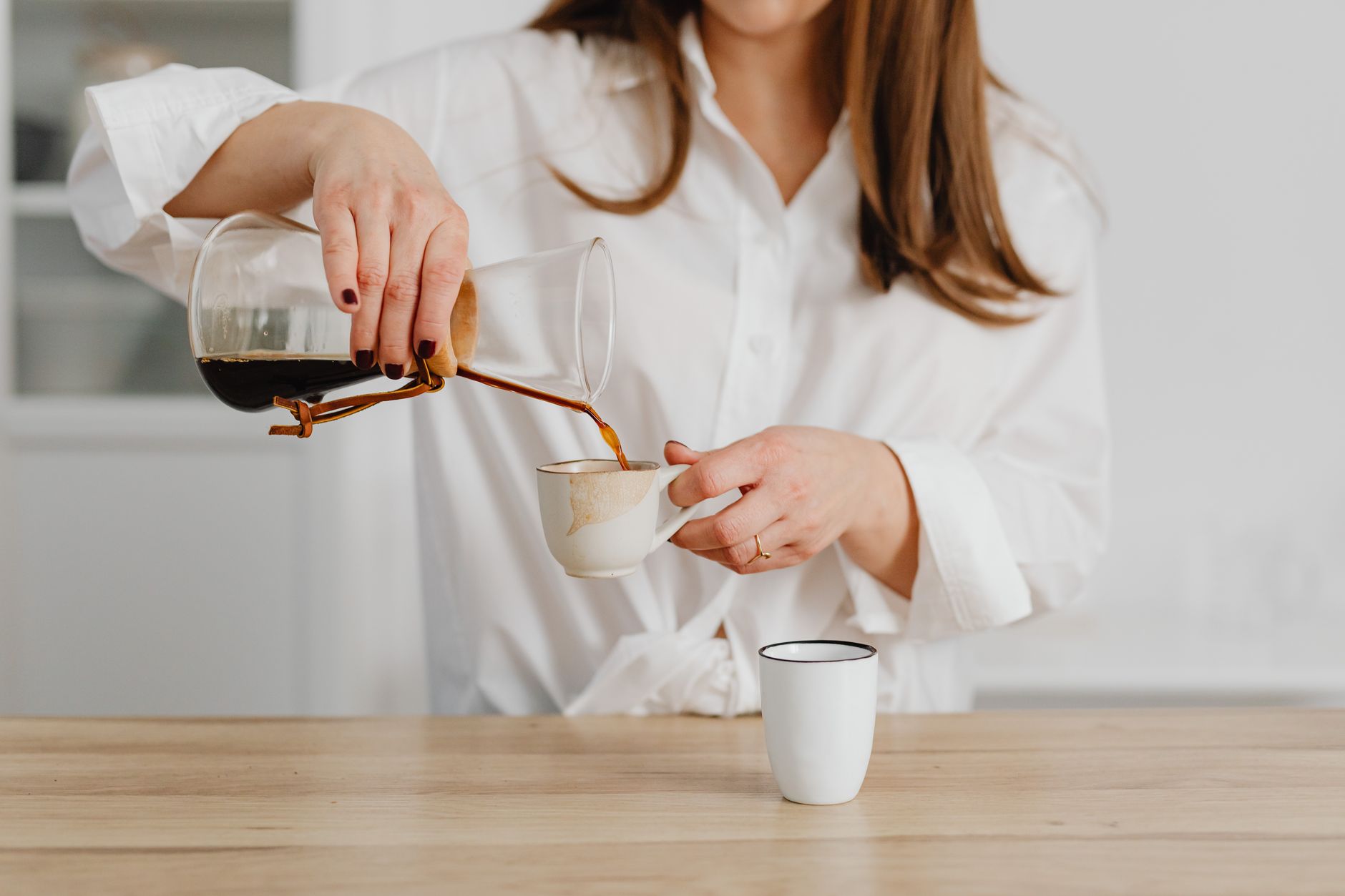
The fastest way to make strong coffee is to use more coffee per unit of water. A standard ratio is 1:15 (1g coffee per 15g water). Drop to 1:12 or even 1:10 for a noticeably bolder cup — no equipment changes required.
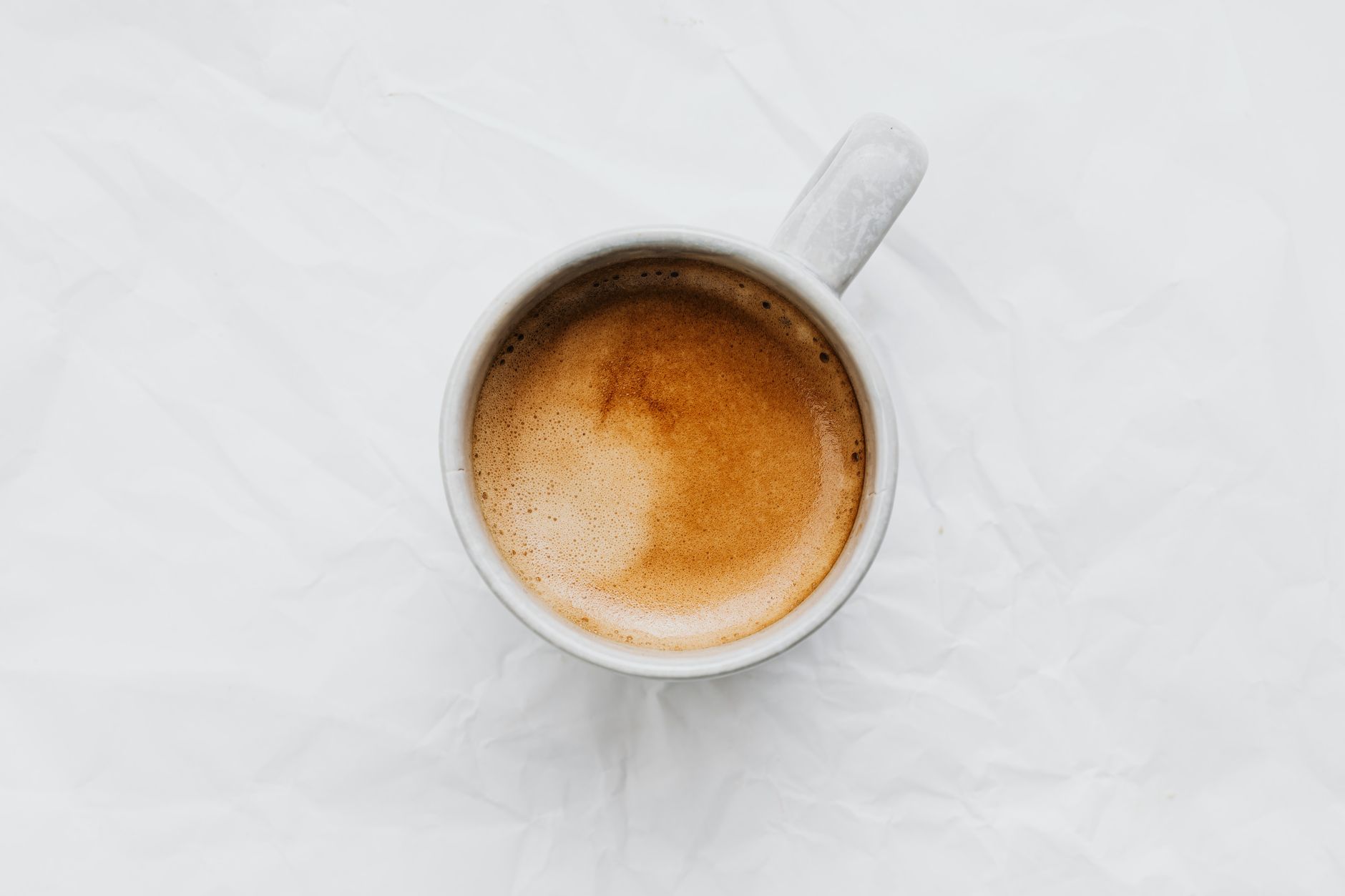 Photo: https://kaboompics.com/ via Pexels
Most drip machines default to around 1:17, which is weak by specialty standards. Start at 1:15, taste, then adjust downward in small steps. Going below 1:10 risks over-extraction and bitterness unless your grind is dialed in.
| Ratio | Cup Style | Use Case |
|---|---|---|
| 1:17–1:15 | Standard / light | Default drip |
| 1:13–1:12 | Strong | Everyday bold cup |
| 1:10–1:8 | Very strong / concentrate | Iced coffee, milk drinks |
2. Grind Finer
A finer grind increases the surface area exposed to water, extracting more dissolved solids in the same brew time. Dialing one step finer on your grinder can make a more dramatic difference than adding an extra gram of coffee.
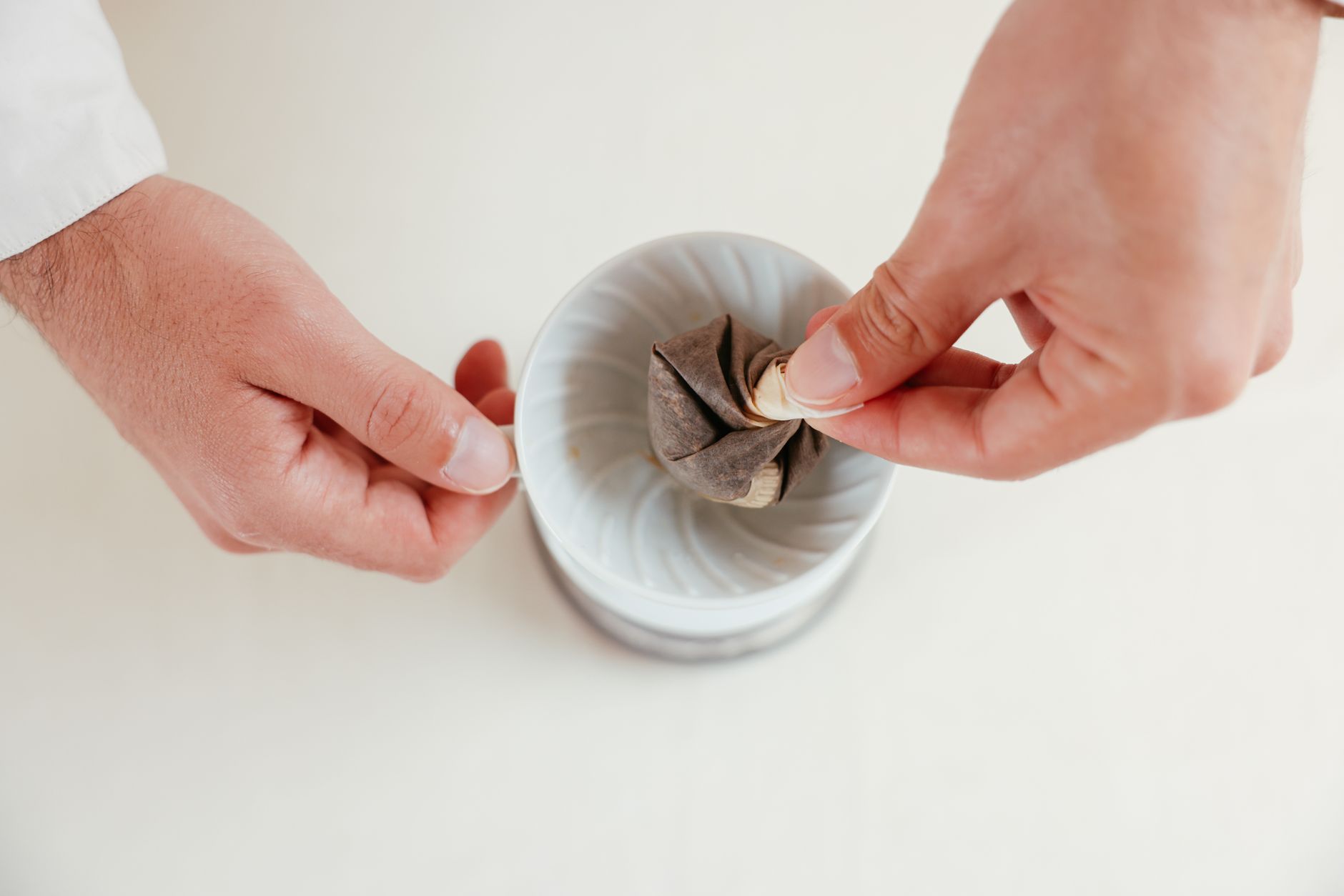 Photo: Cup of Couple via Pexels
This only works up to a point — grind too fine for your brew method and you’ll choke a pour-over or get over-extracted bitterness. Match grind size to method: medium-fine for drip, fine for espresso, coarse for French press even when brewing strong.
3. Brew Espresso (or Moka Pot)
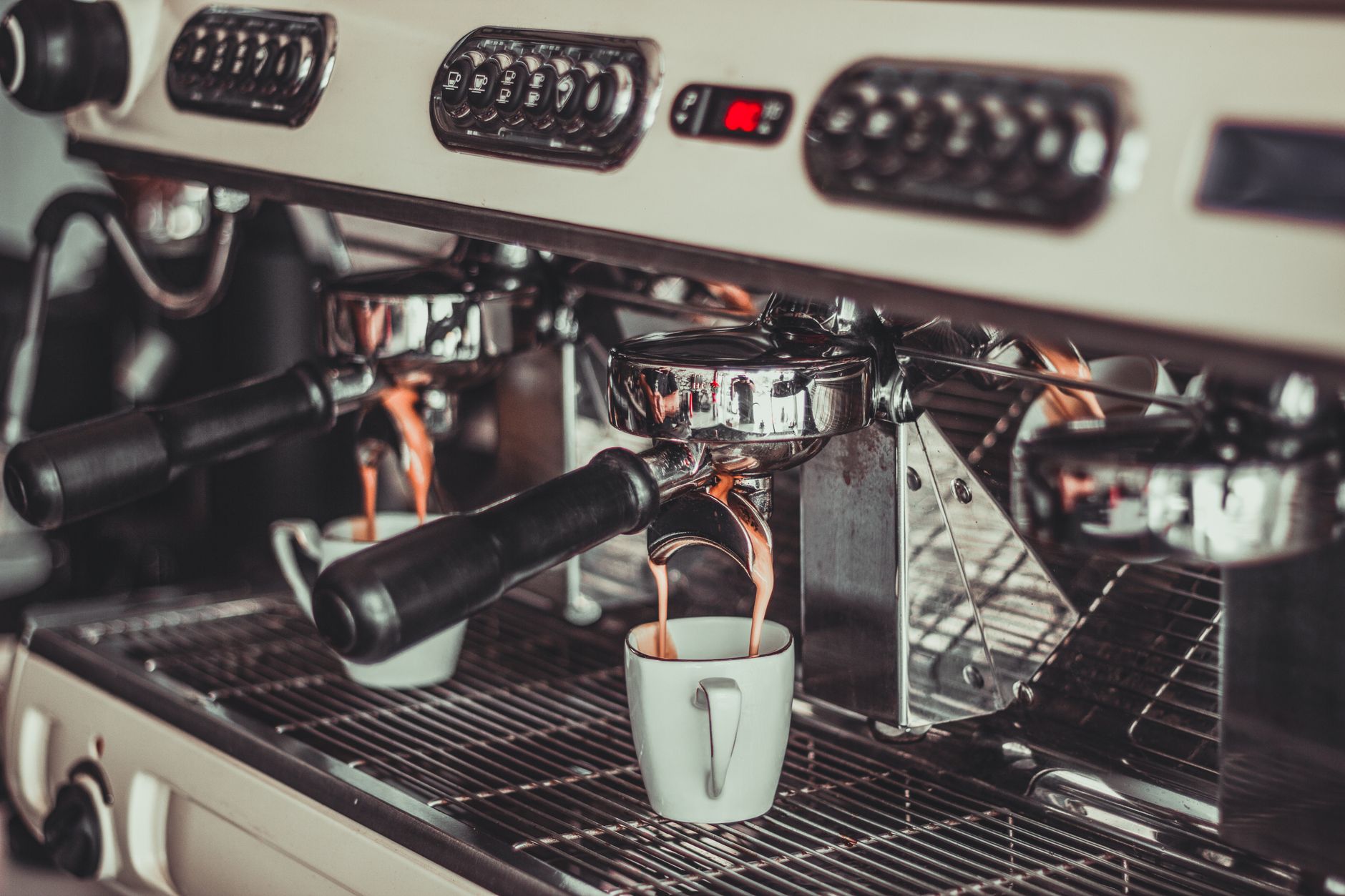
Espresso is the most concentrated form of brewed coffee: a standard 36g yield from 18g of coffee is a 1:2 ratio — roughly six times stronger than drip by dissolved solids. If you want strong coffee, espresso is the benchmark everything else is measured against.
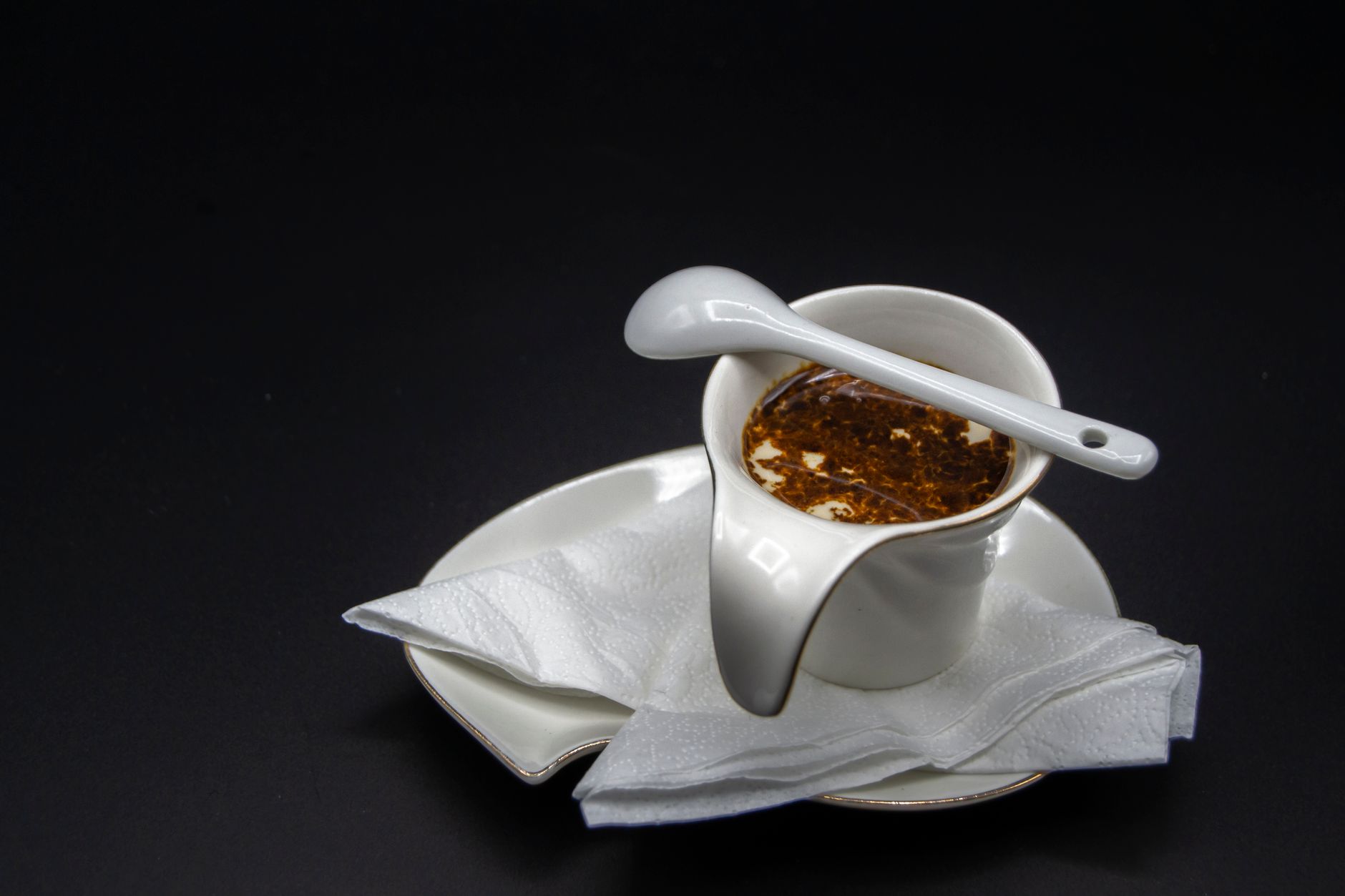 Photo: itschansy via Pexels
A moka pot won’t produce true espresso pressure (it runs at 1–2 bar vs. 9 bar), but it produces a concentrated, full-bodied brew at 1:5–1:7 that’s significantly stronger than drip. It’s the most accessible path to espresso-style strength without a machine.
Espresso Extraction Parameters
Dose:         18g (double basket)
Yield:        36g
Ratio:        1:2
Time:         25–30 seconds
Temperature:  93–94°C (199–201°F)
Pressure:     9 bar
Puck Prep:
- WDT (Weiss Distribution Technique): stir grounds in basket before tamping to break up clumps
- Level: tap portafilter lightly, then use a distribution tool or finger-sweep
- Tamp: 15–20kg of even, level pressure — consistency matters more than force
- Pre-infusion: 3–5 seconds at low pressure helps even saturation and reduces channeling
Troubleshooting:
| Symptom | Likely Cause | Fix |
|---|---|---|
| Fast pull (<20s), watery | Too coarse / under-dosed | Grind finer, add 0.5g dose |
| Slow pull (>35s), bitter | Too fine / over-dosed | Grind coarser, reduce 0.5g |
| Channeling (spurts) | Uneven distribution or tamp | Re-do WDT and tamp level |
| Flat, no crema | Stale beans | Use beans within 2–6 weeks of roast |
4. Use French Press with a Stronger Ratio
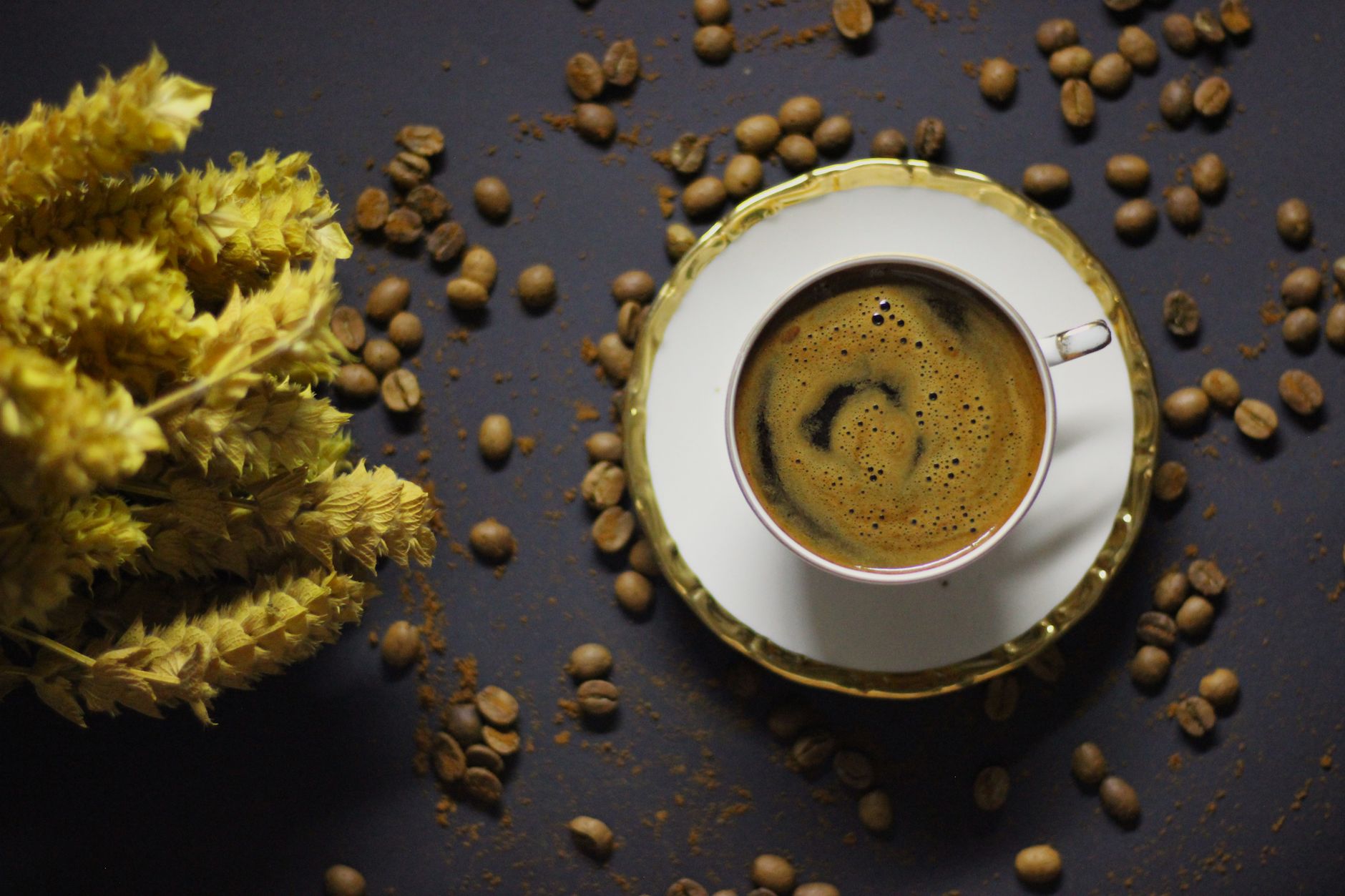
French press is already one of the fuller-bodied brew methods because the metal filter allows oils and fine particles into the cup. Brew at 1:12 instead of the standard 1:15 and steep for 4 minutes — the result is thick, strong, and loaded with texture.
 Photo: Diego Romero via Pexels
Don’t over-steep trying to extract more strength — past 5 minutes you get harsh tannins, not more caffeine. Use the ratio to control strength, not the time.
→ See also: French Press Coffee: Complete Brewing Guide (Ratios + Technique) | French Press Coffee-to-Water Ratio Calculator
5. Cold Brew Concentrate
Cold brew concentrate brewed at 1:4 to 1:5 (coffee to water) is the strongest form of non-espresso coffee. Steep 12–24 hours at room temperature or in the fridge, strain, and dilute 1:1 with water or milk to serve.
Cold brew’s low-acid, smooth profile makes high-concentration brewing surprisingly drinkable — it doesn’t taste as intense as it is. Use coarse grounds (similar to French press), a mason jar, and a cloth or paper filter to strain.
| Steep Time | Strength | Notes |
|---|---|---|
| 12 hours | Medium concentrate | Lighter, slightly more acidic |
| 18 hours | Standard concentrate | Sweet spot |
| 24 hours | Full concentrate | Dilute more before drinking |
6. AeroPress with Inverted Method
The inverted AeroPress lets you steep grounds fully submerged before pressing — closer to a French press steep than a percolation brew. At 1:6 ratio with 2-minute steep and fine-medium grind, it produces an espresso-adjacent concentrate.
This is the most flexible method for dialing in strength — you can adjust ratio, grind, steep time, and water temperature independently. Use 80°C for a sweeter cup, 93°C for more extraction and intensity.
7. Choose High-Caffeine Beans (Robusta Blend or Light Roast)
Caffeine content is about the bean, not the roast color. Robusta has roughly twice the caffeine of Arabica. Light roasts retain slightly more caffeine by mass than dark roasts because roasting degrades caffeine marginally.
If strength means caffeine rather than flavor intensity, look for blends with Robusta content or single-origin Robusta. Specialty-grade Robusta (from Vietnam, Uganda, or India) is far more palatable than commodity Robusta — earthy and nutty rather than rubbery.
→ See also: How to Brew Coffee at Home: Complete Method Guide
FAQ
What makes coffee stronger — more grounds or finer grind? Both increase strength, but they work differently. More grounds raises the coffee-to-water ratio and adds more extractable material. Finer grind increases surface area and extraction rate. For the cleanest result, start with more grounds; use finer grind only if your current grind still leaves the cup tasting thin at a strong ratio.
Does dark roast have more caffeine than light roast? No — if anything, slightly less. Dark roasting degrades a small percentage of caffeine. The bigger variable is bean species: Robusta (often used in dark-roast blends) has more caffeine than Arabica regardless of roast level. Dark roasts taste bolder because the roast-derived flavors are more intense, not because they’re higher in caffeine.
How do I make strong coffee without it tasting bitter? Bitterness usually means over-extraction, not strength. Use a coarser grind with more coffee, rather than grinding finer. Brew water at 90–96°C, not boiling. For espresso, aim for 25–30 seconds — if you’re pulling long to get strength, you’re over-extracting. Strength and bitterness are separate dials.
What’s the strongest home brewing method? Cold brew concentrate at 1:4 ratio contains the most caffeine per milliliter before dilution. For a hot cup, espresso at 1:2 ratio from a home machine is the most concentrated. Moka pot sits between the two in terms of concentration and is the most accessible option without a dedicated espresso machine.
Editorial methodology: Assessments are based on manufacturer specifications, published user reviews, and editorial research. Physical hands-on testing is noted explicitly where it occurred. Rankings reflect our editorial judgment and are not influenced by affiliate commission rates. Full editorial policy · Affiliate disclosure