Contents
Coffee Filter Types: Paper vs Metal vs Cloth Compared
TL;DR: Paper filters produce the cleanest, brightest cup by trapping oils and fines; metal filters let oils through for a fuller body; cloth sits between both. The right coffee filter type depends on your brewer, your taste preference, and how much maintenance you’ll actually do.
What Are the Main Coffee Filter Types?
Direct Answer: There are three practical filter types — paper (bleached or unbleached), metal (stainless mesh or gold-coated), and cloth (cotton or hemp). Each changes what ends up in your cup: paper blocks oils and sediment, metal passes them through, cloth does both partially depending on weave tightness.
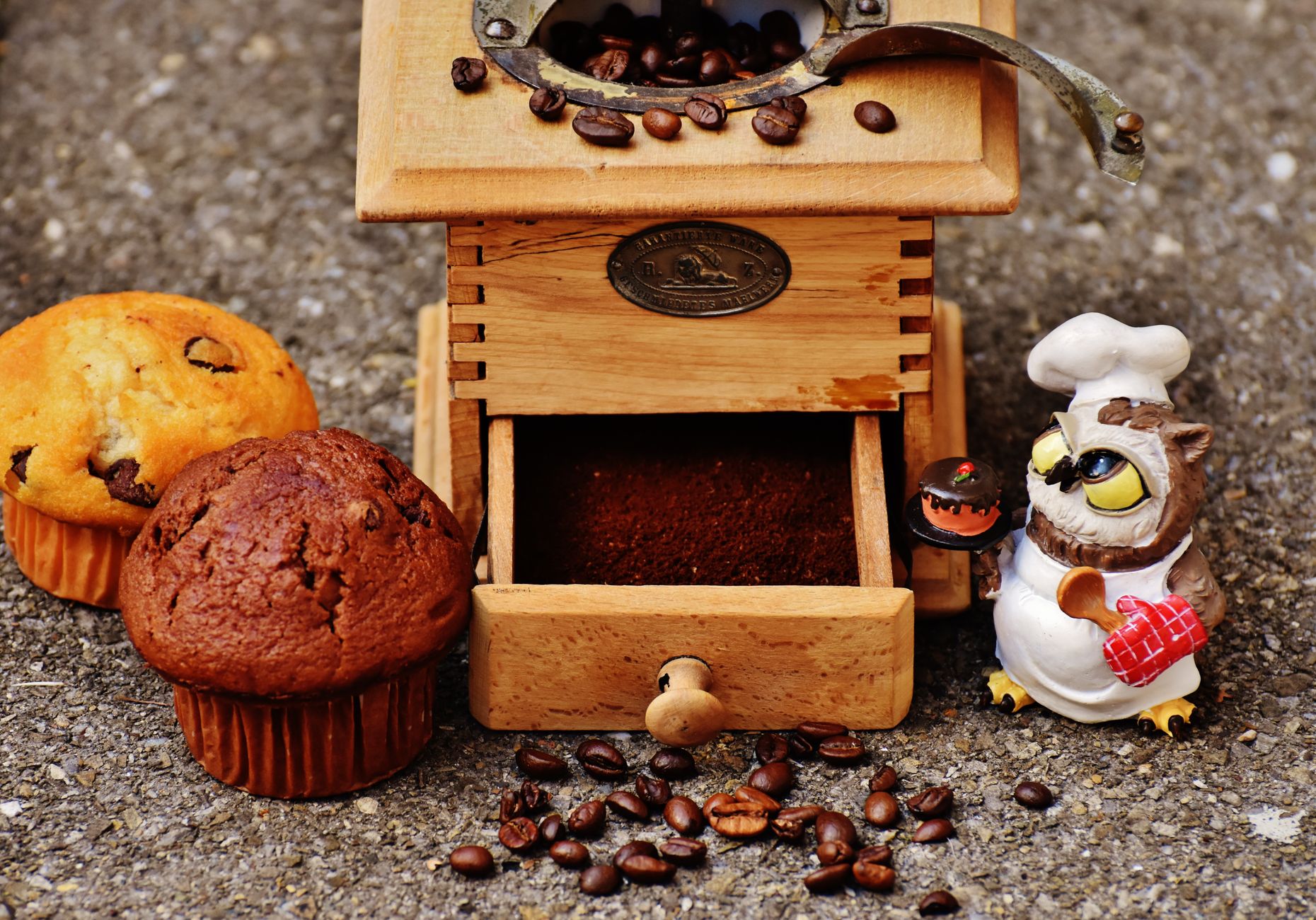 Photo: Pixabay via Pexels
| Filter Type | Material | Oils Passed | Sediment | Reusable | Avg Cost |
|---|---|---|---|---|---|
| Bleached paper | Cellulose | None | None | No | $0.05–0.10/use |
| Unbleached paper | Natural cellulose | None | None | No | $0.06–0.12/use |
| Stainless mesh | Steel | Yes | Some | Yes | $10–30 one-time |
| Gold-coated mesh | Steel + gold | Yes | Some | Yes | $15–40 one-time |
| Cloth (cotton) | Woven cotton | Partial | Minimal | Yes (50–100 uses) | $5–15 |
Paper Coffee Filters: Clean Cup, Disposable Convenience
Direct Answer: Paper filters are the default for drip machines and pour-over for a reason — they produce a clean, sediment-free cup that highlights acidity and delicate flavors. The tradeoff is cost over time and waste, though both bleached and unbleached options are widely available.
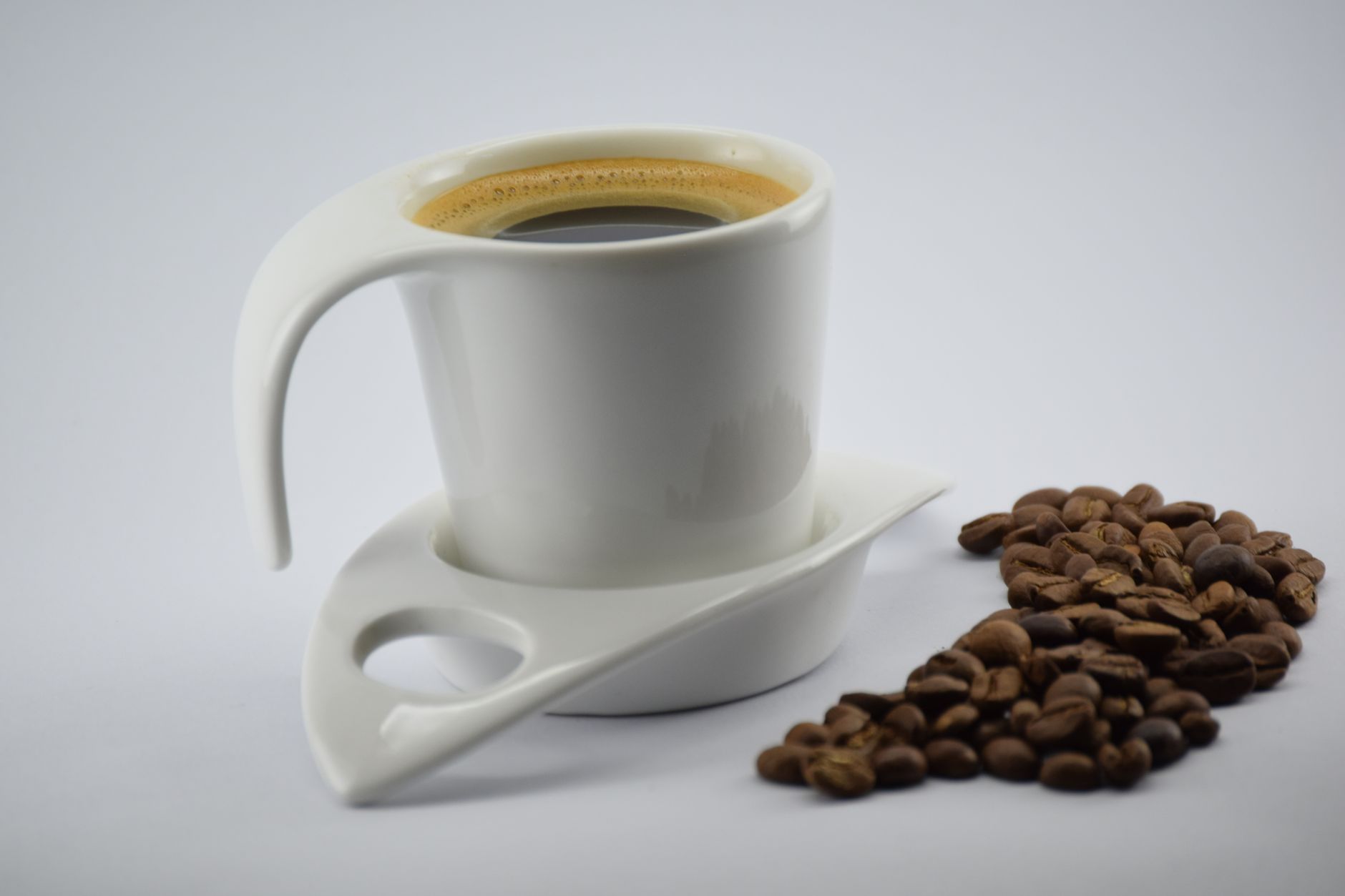 Photo: Fer Strange via Pexels
Bleached vs Unbleached Paper
Bleached filters (white) use either chlorine or oxygen bleaching. Oxygen-bleached (TCF — totally chlorine free) filters are the better choice; they don’t impart papery taste and are more environmentally neutral. Unbleached (brown) filters are less processed but can carry a faint papery note unless pre-rinsed with hot water.
Pre-rinsing any paper filter before brewing eliminates that taste and pre-warms your brewer — it takes 10 seconds and makes a measurable difference.
Top picks:
- Hario V60 paper filters — the standard for pour-over
- Chemex bonded filters — thicker, removes more oils than standard paper
Metal Coffee Filters: Full Body, Zero Waste
Direct Answer: Metal mesh filters pass coffee oils (diterpenes like cafestol) directly into the cup, producing a heavier, rounder body similar to French press. They’re permanent, cost-effective long-term, and environmentally sensible — but they let fine particles through, so grind consistency matters more.
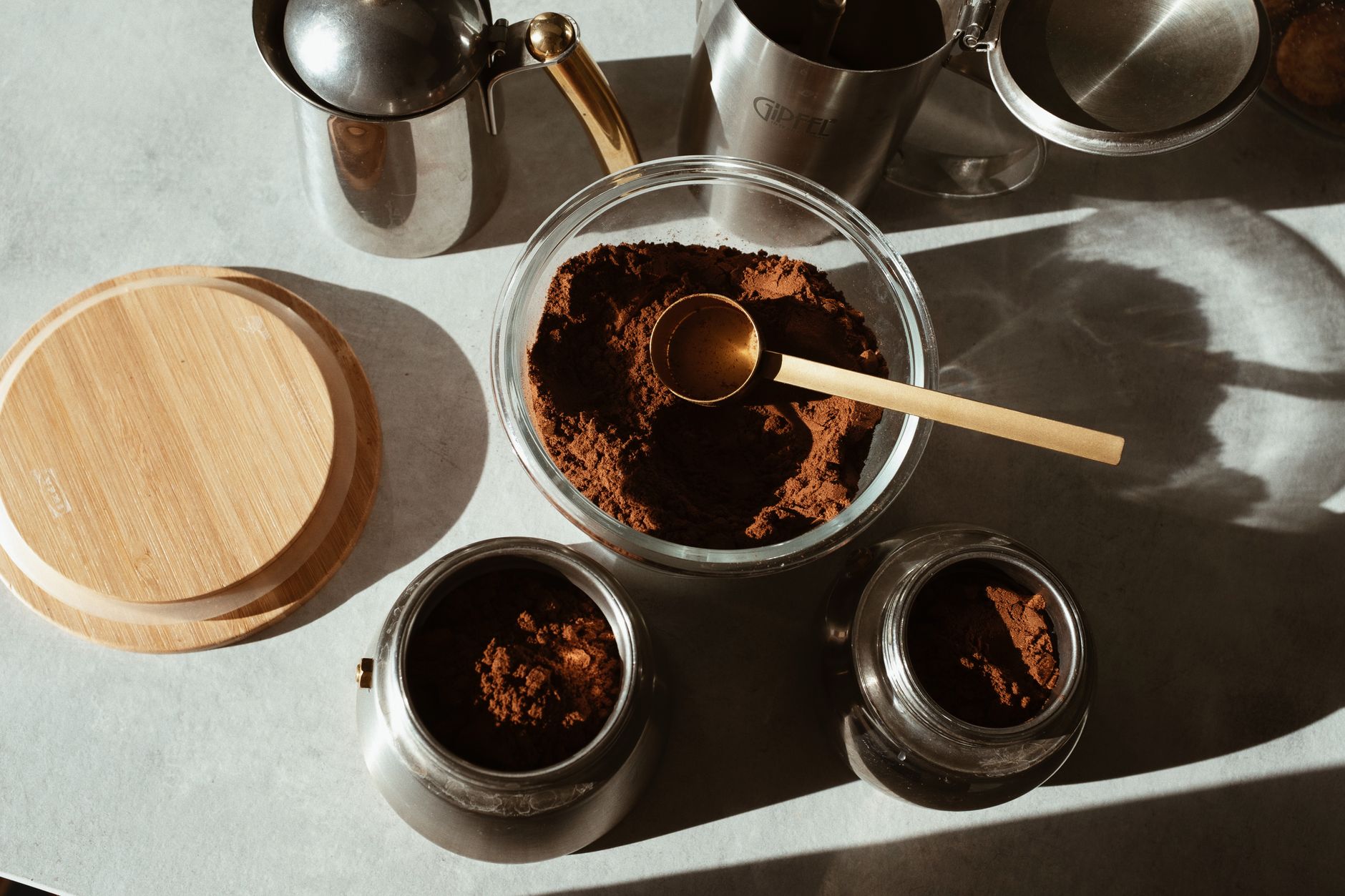 Photo: ready made via Pexels
Who Should Use Metal Filters
Metal filters suit drinkers who prefer body over clarity. If you pull a French press and like it, a metal filter in a drip machine or AeroPress gives similar results with less mess. They’re poor choices for light roasts with subtle florals — the oils tend to mute high notes.
Maintenance is non-negotiable. Oils accumulate in mesh pores and go rancid within days. Rinse after every use; run through the dishwasher or soak in diluted dish soap weekly.
Top picks:
- Able Disk Fine for AeroPress — tighter mesh than standard, less sediment
- Kone filter for Chemex — full-immersion body in a pour-over form
Cloth Coffee Filters: The Middle Ground
Direct Answer: Cloth filters split the difference — they pass some oils while blocking most sediment, producing a cup with more body than paper but more clarity than metal. The catch is maintenance: cloth must be rinsed immediately after use, stored wet (in water, in the fridge), and replaced every few months.
 Photo: Cup of Couple via Pexels
Cloth was the original filter material and is still standard in some traditional brewing methods (e.g., Vietnamese phin, some Chemex alternatives). Hemp cloth is more durable than cotton and easier to keep odor-free. Cotton stretches with use, which loosens the weave and changes flow rate over time.
Practical reality: Cloth filters are a commitment. Forget to rinse one and leave it damp — it molds within 24 hours. For daily brewers willing to maintain them, they’re excellent. For irregular brewers, paper is more reliable.
Brewing Guide: Filter Variables That Affect Extraction
Extraction Parameters by Filter Type
| Parameter | Paper | Metal | Cloth |
|---|---|---|---|
| Dose | 15–17g / 250ml | 15–17g / 250ml | 15–17g / 250ml |
| Grind size | Medium-fine | Medium (slightly coarser) | Medium |
| Flow rate | Slower | Faster | Medium |
| Contact time | 2:30–3:30 min | 2:00–3:00 min | 2:30–3:30 min |
| Temperature | 92–96°C | 90–95°C | 92–96°C |
Puck Prep (AeroPress / Espresso with Disk Filters)
- WDT: Stir grounds before tamping to break clumps — critical with metal disks where channeling is harder to detect
- Leveling: Tap or shake to level before pressing
- Tamping: Light even pressure; over-tamping a metal disk restricts flow severely
- Pre-infusion: 30-second bloom with 2× water-to-coffee ratio before full pour
- Channeling prevention: Even grind distribution and consistent tamp angle
Troubleshooting
| Symptom | Likely Cause | Fix |
|---|---|---|
| Muddy, gritty cup (metal) | Grind too fine or worn mesh | Coarsen grind 1–2 clicks; inspect mesh |
| Papery taste (paper) | Filter not pre-rinsed | Always pre-rinse with boiling water |
| Slow drip, stalling (cloth) | Clogged pores or stretched weave | Boil cloth in clean water; replace if stretched |
| Bitter extraction (any) | Too-fine grind extending contact time | Coarsen grind; reduce brew time |
| Sour, under-extracted (paper) | Filter too thick slowing bloom | Switch to thinner paper or adjust pour rate |
| Rancid taste (metal) | Oil buildup in mesh | Soak in hot water + dish soap; dishwasher monthly |
Which Filter Type Should You Actually Buy?
- Paper: Best for pour-over (V60, Chemex, Kalita), automatic drip. Buy bleached TCF for cleanest taste.
- Metal: Best for AeroPress , moka-adjacent setups, anyone who wants to eliminate ongoing paper cost.
- Cloth: Best for traditional methods (Vietnamese, Nel drip), brewers who want body without full French press sediment and will commit to maintenance.
→ See Also
- How to Brew Coffee at Home: Complete Method Guide
- French Press Coffee: Complete Brewing Guide (Ratios + Technique)
- French Press Coffee-to-Water Ratio Calculator
FAQ
Does the coffee filter type affect caffeine content? Filter type has minimal effect on caffeine — most caffeine is water-soluble and passes through all filter materials. Metal filters may allow marginally more caffeine via oils and fines, but the difference is negligible compared to dose, grind, and water temperature.
Are paper coffee filters bad for the environment? Bleached paper filters (especially TCF/oxygen-bleached) have a relatively low environmental footprint when composted — used paper filters and coffee grounds go straight into compost. Unbleached filters have slightly less processing. Metal and cloth filters eliminate waste entirely but require water and energy to clean.
Can I use a paper filter with a metal filter for less sediment? Yes — layering a paper filter inside a metal basket is a common hack that cuts sediment while preserving some body from the metal’s flow dynamics. It extends paper filter use since oils don’t clog the paper as fast when the metal pre-filters large particles.
Why does coffee taste different with a metal filter vs paper? Coffee oils (primarily cafestol and kahweol) are lipophilic compounds that paper traps but metal passes. These oils contribute body, mouthfeel, and some bitterness. Paper-filtered coffee has a lighter body with more perceived brightness and acidity; metal-filtered coffee has more weight and roundness. Neither is objectively better.
How often should I replace a cloth coffee filter? Most cotton cloth filters last 50–100 uses before the weave loosens enough to affect performance. Hemp cloth lasts longer. Replace when you notice faster drip times (loosened weave), persistent off-flavors after thorough cleaning, or visible discoloration that doesn’t respond to a 10-minute boil.
Do gold coffee filters taste different from standard stainless steel? Gold-coated mesh is chemically inert and marketed as flavor-neutral, but blind taste tests show negligible difference versus high-quality stainless mesh. The main practical benefit of gold coating is corrosion resistance over years of use. Save your money unless you’re replacing a worn gold filter you already own.
Editorial methodology: Assessments are based on manufacturer specifications, published user reviews, and editorial research. Physical hands-on testing is noted explicitly where it occurred. Rankings reflect our editorial judgment and are not influenced by affiliate commission rates. Full editorial policy · Affiliate disclosure