How to Descale an Espresso Machine (Step-by-Step)
TL;DR: To descale an espresso machine, run a food-grade descaling solution (citric acid or a commercial descaler) through the boiler and group head, then flush with clean water until the machine runs clear. Most home machines need descaling every 2–3 months depending on water hardness. Skipping it kills your boiler and ruins shot quality.
Why Descaling Actually Matters
Limescale silently destroys espresso machines. It restricts water flow, lowers boiler efficiency, raises energy consumption, and eventually cracks heating elements. A machine that takes longer to heat up or produces weak shots is almost certainly scaled — not broken.
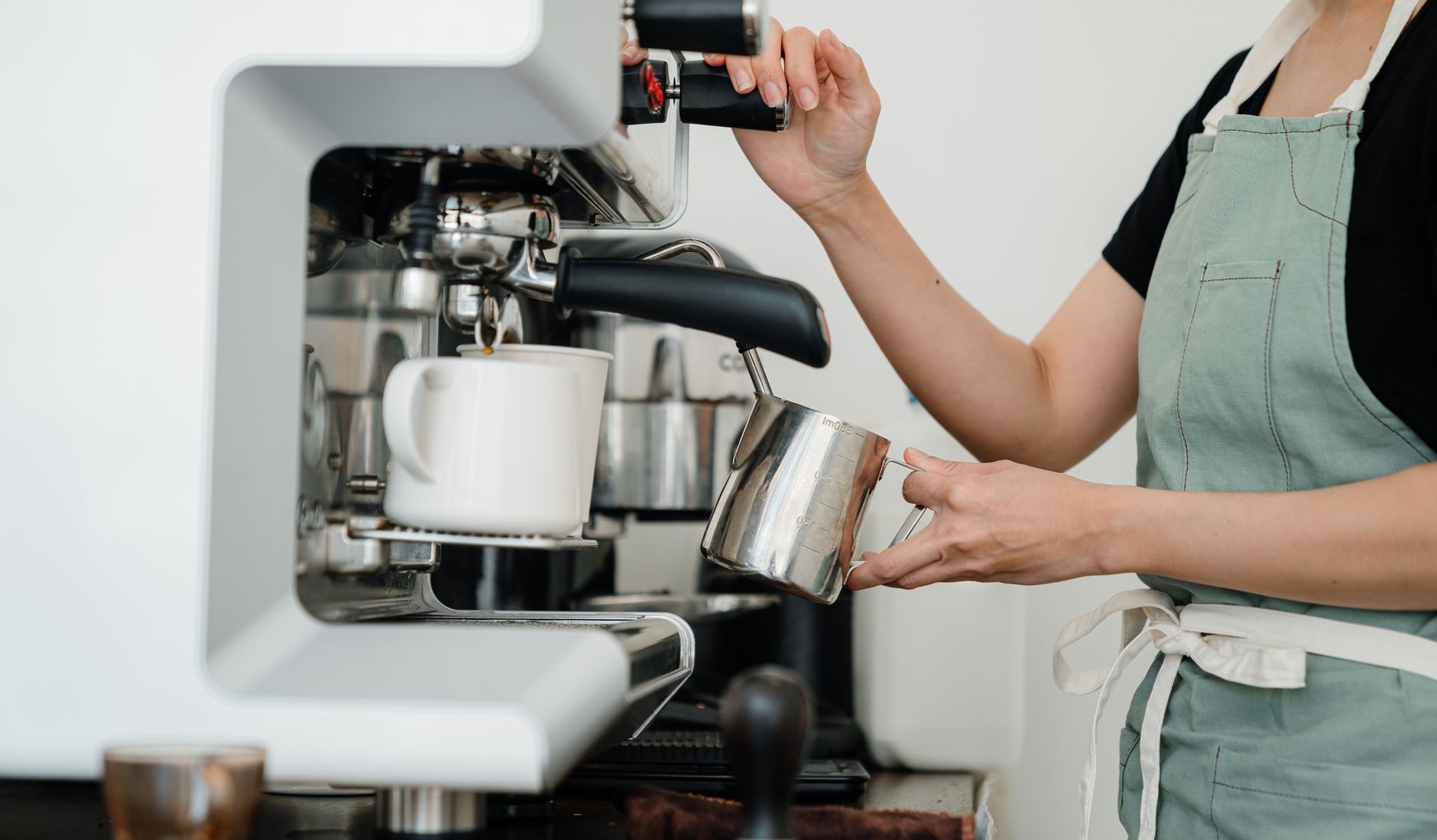
 Photo: https://kaboompics.com/ via Pexels
Calcium and magnesium carbonate precipitate out of water when heated. The harder your water, the faster scale accumulates. At 0.5mm thickness, scale acts as insulation — your boiler works harder, your shots suffer, and the repair bill starts climbing.
Hard water (above 150 ppm TDS) means descaling every 6–8 weeks. Soft water or filtered water buys you 3–4 months. Some machines with integrated water softeners (like the Breville Barista Express)
What You Need Before You Start
You need a food-grade descaler, water, and 45–90 minutes. That’s it. Use citric acid (cheap, effective, safe) or a branded descaler like Dezcal or Cafiza. Never use white vinegar — it’s too acidic, leaves residue, and can degrade rubber seals over time.
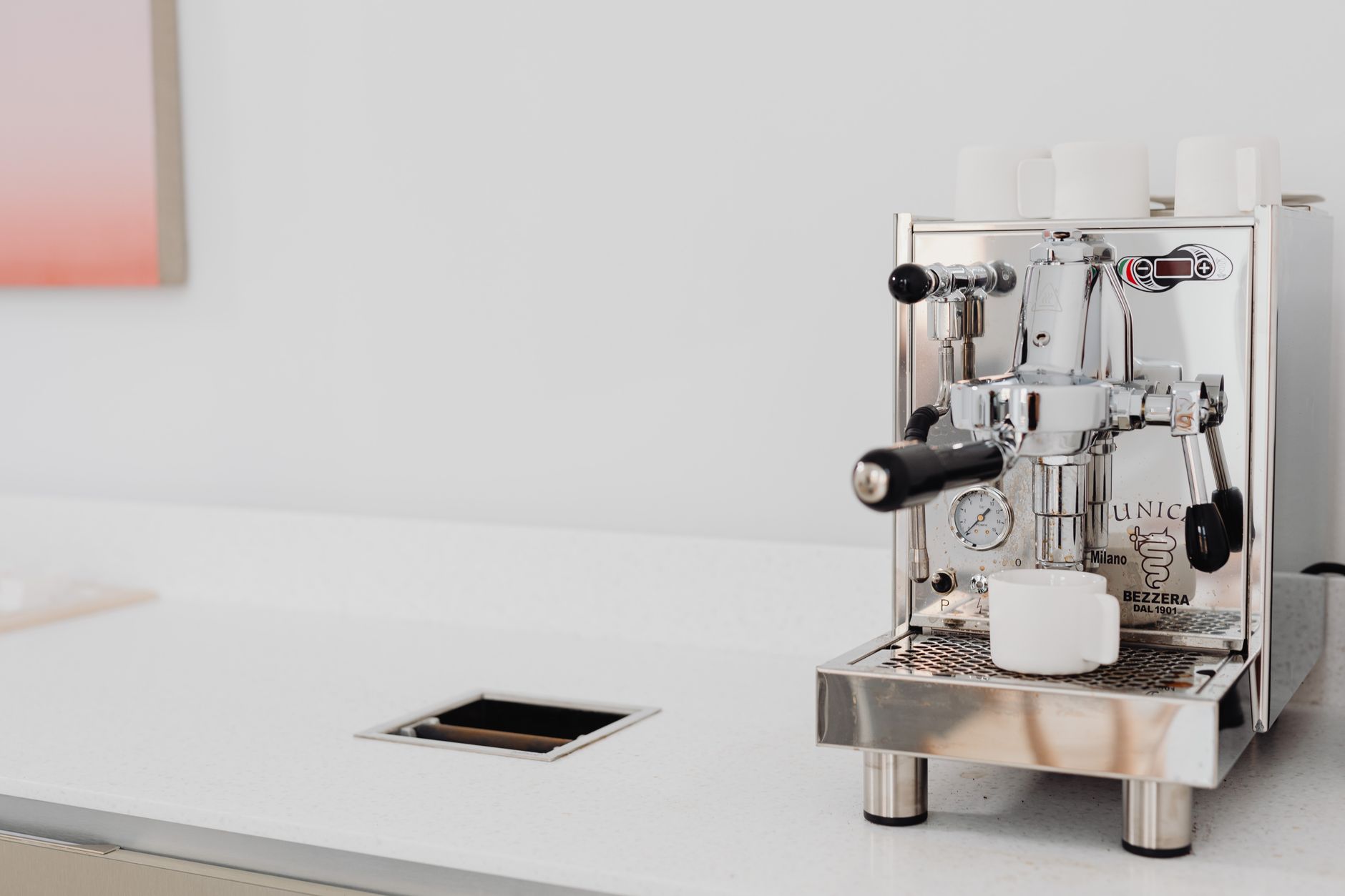
 Photo: Miguel Á. Padriñán via Pexels
Descaling options compared:
| Descaler | Cost | Safety | Rinse Cycles Needed | Notes |
|---|---|---|---|---|
| Citric acid (powder) | Very low | High | 2–3 | Food-safe, no smell |
| Dezcal (Urnex) | Low | High | 2 | Purpose-made, widely available |
| Cafiza tablets | Low | High | 2 | Dissolves quickly |
| White vinegar | Cheapest | Low | 5+ | Damages seals, leaves smell — avoid |
| Machine-brand descaler | Medium-high | High | Per manual | Identical chemistry, premium price |
Mix citric acid at a ratio of 1 tsp per 1 litre of water, or follow your commercial descaler’s instructions.
How to Descale an Espresso Machine
Step 1 — Prepare the Machine
Empty the drip tray and water tank. Remove any water filter cartridge — descaler solution will ruin it. Fill the tank with your descaling solution (typically 1–1.5L).
Turn the machine on and let it reach operating temperature. Place a large container (at least 1.5L) under the group head and steam wand.
Step 2 — Run the Descaling Cycle
Most machines fall into two camps: those with a dedicated descale mode, and those you run manually.
Machines with descale mode (Breville, De’Longhi, Sage): Enter descale mode per your manual — usually holding a button combination. The machine automates flow and pauses. Follow the prompts.
Manual machines (Gaggia Classic Pro
- Run 100ml of solution through the group head — pause 30 seconds
- Run 100ml through the steam wand — pause 30 seconds
- Repeat until the tank is empty
- The pauses matter: they let the solution sit in the boiler and dissolve scale rather than flushing straight through
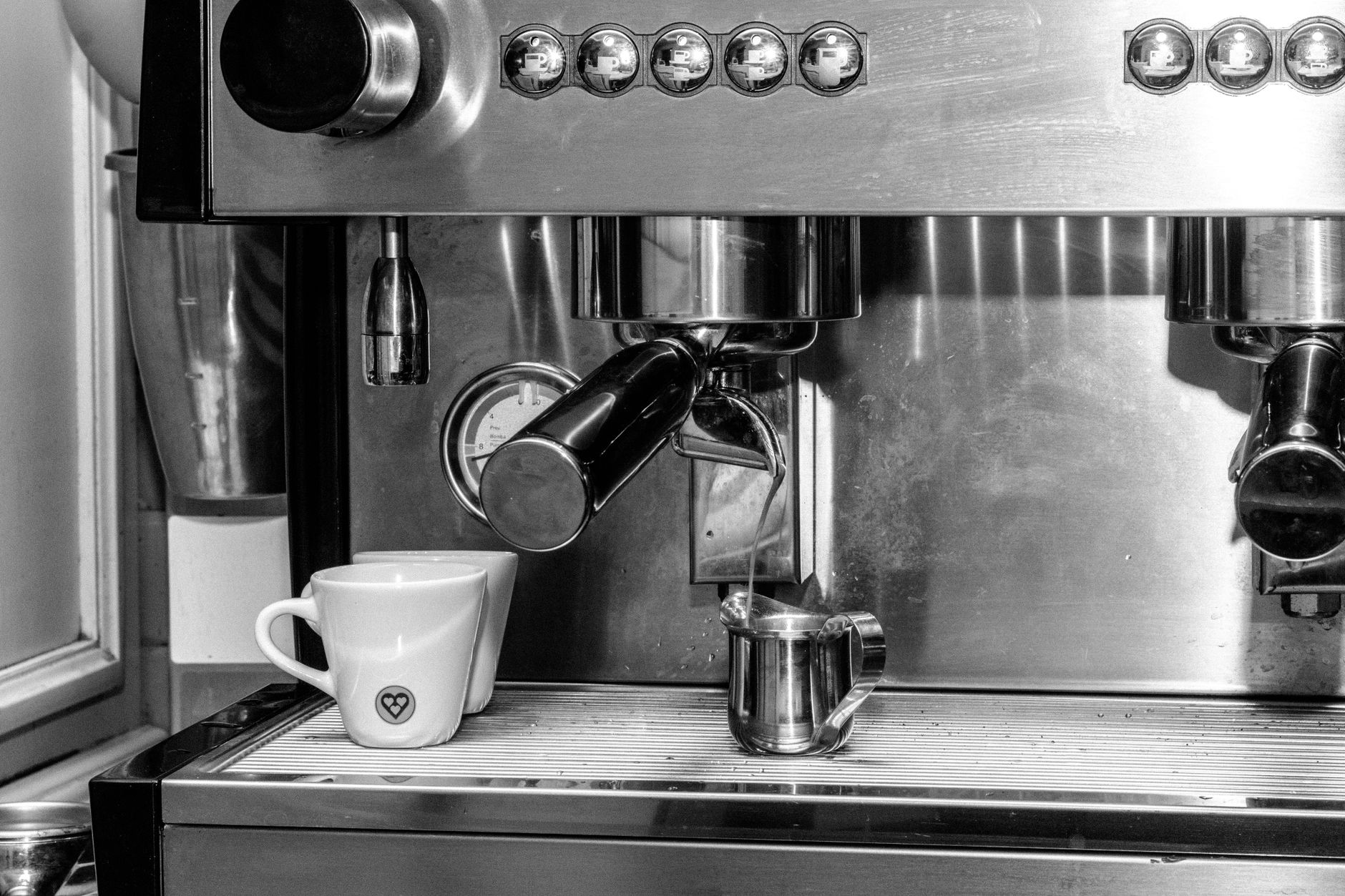
 Photo: Сокіл Sokil via Pexels
Step 3 — Flush with Clean Water
Discard the descaling solution from your container. Rinse the tank thoroughly and refill with fresh cold water.
Run the entire tank through the machine — split evenly between the group head and steam wand, same pattern as above but no pauses needed.
Repeat with a second full tank. This is non-negotiable: descaler residue affects shot taste and can irritate your throat.
Step 4 — Reinstall and Test
Reinstall the water filter if your machine uses one. Run a blank shot (no coffee) and taste the water — it should be completely neutral. If you detect any chemical or sour note, run another flush cycle.
Log the date. Set a calendar reminder for your next descale.
Descaling Specific Machine Types
Single-Boiler Machines (Gaggia Classic, De’Longhi Dedica)
These are the most straightforward — one boiler, two outlets. Follow the manual cycle above. The Gaggia Classic Pro has no descale mode, so manual is your only option. Budget 45 minutes.
Dual-Boiler and HX Machines
Machines like the Breville Dual Boiler or ECM Synchronika have separate brew and steam boilers. Many have an automated descale cycle that addresses both — use it. Manual descaling on dual-boiler machines is fiddly and risks missing one boiler entirely.
Machines with Thermocoils (Jura, Nespresso)
These are fully automated — always use the machine’s proprietary descale cycle. The thermocoil design means you cannot manually control flow safely, and third-party descalers sometimes void the warranty on these machines.
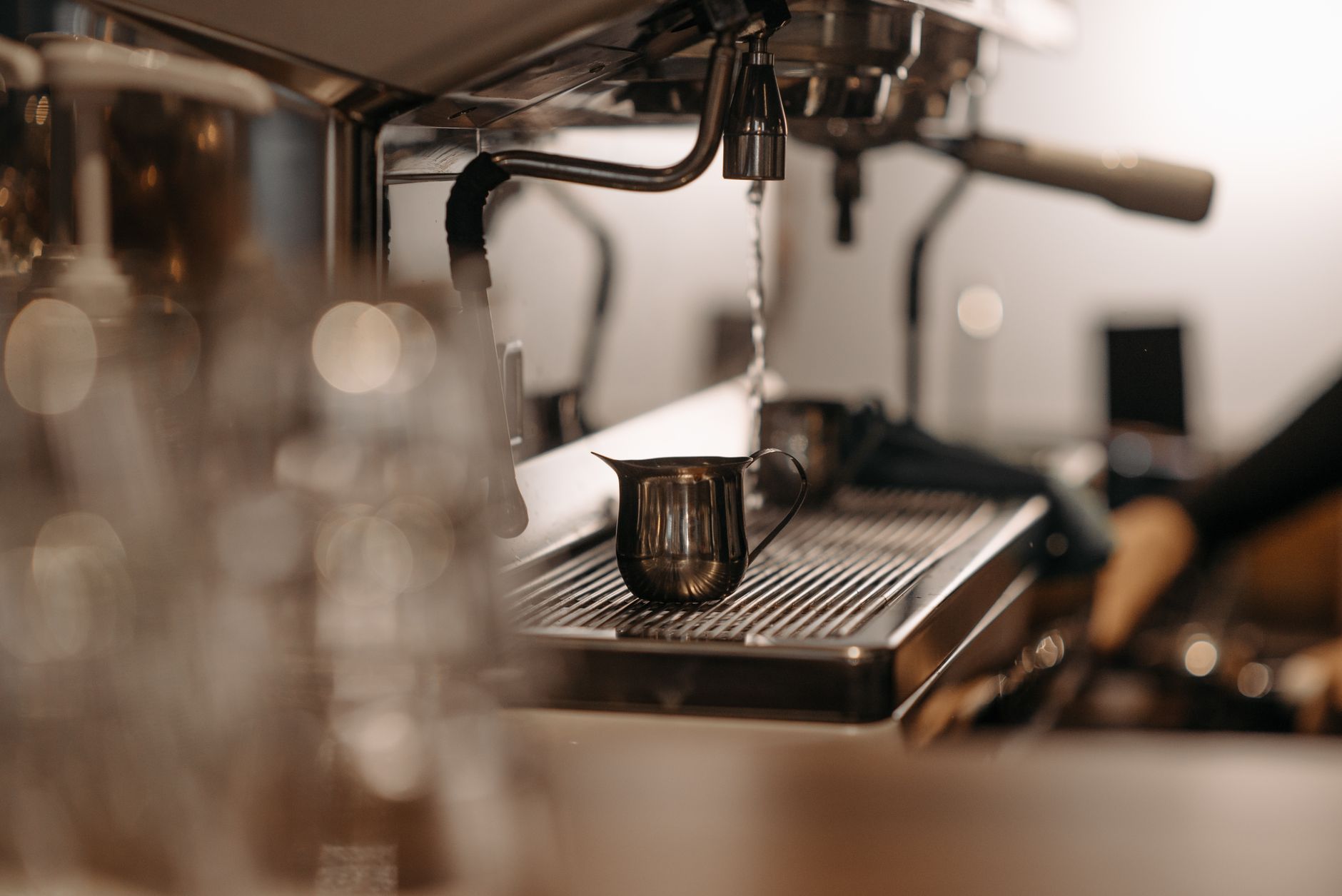
 Photo: Erik Mclean via Pexels
How Often to Descale: Water Hardness Guide
| Water Hardness | TDS (ppm) | Descale Frequency |
|---|---|---|
| Very soft | < 50 | Every 4–6 months |
| Soft | 50–100 | Every 3–4 months |
| Moderate | 100–200 | Every 2–3 months |
| Hard | 200–300 | Every 6–8 weeks |
| Very hard | > 300 | Monthly |
Test your water with a TDS meter (under $15) or use your local water authority’s report. This single piece of data will save your boiler.
Signs Your Machine Is Overdue
- Shot extraction is slower than usual with the same grind setting
- Machine takes longer than normal to reach temperature
- Steam pressure feels weaker
- Machine is louder during operation (pump working harder)
- You can’t remember when you last descaled
Any one of these is reason enough to run a cycle today.
→ See also:
- The Complete Guide to Espresso Machines (2026)
- Best Espresso Machine Under $200 (2026)
- Best Espresso Machine Under $500 (2026)
FAQ
How long does it take to descale an espresso machine? Most home machines take 45–90 minutes including flush cycles. Machines with an automated descale mode are faster — typically 30–45 minutes. Manual descaling on a single-boiler machine runs about 45 minutes if you follow the pause-and-flush method properly.
Can I use white vinegar to descale my espresso machine? Technically yes, but you shouldn’t. Vinegar’s acetic acid is effective on scale but it’s harsh on rubber seals and O-rings, and it takes 5+ flush cycles to remove the smell and taste. Citric acid does the same job, rinses clean in 2 cycles, and costs almost nothing.
What happens if you never descale an espresso machine? Scale buildup restricts water flow, so your pump works harder and your boiler runs hotter to compensate. Eventually the heating element cracks, seals fail, or the pump burns out. Repair costs typically run $100–300 on a home machine — far more than a $5 bag of citric acid every few months.
Do I need to descale if I use filtered water? Filtered water slows scale buildup but doesn’t eliminate it. Most water filters reduce chlorine and off-tastes but don’t soften water (remove calcium/magnesium). A reverse osmosis system genuinely reduces scale, but requires re-mineralizing your water before use — too-soft water also damages espresso machines and tastes flat.
Can I descale while the machine is under warranty? Yes — in fact, most manufacturers require regular descaling to keep the warranty valid. Neglecting descaling is typically listed as a cause for voiding warranty coverage. Use a food-grade descaler and keep the receipt or packaging in case of a warranty claim.
Is backflushing the same as descaling? No. Backflushing (using a blind filter and cleaning tablet) cleans coffee oils from the group head, solenoid valve, and shower screen. Descaling removes mineral buildup from the boiler and internal water path. Both are necessary — they address different problems and don’t substitute for each other.
Editorial methodology: Assessments are based on manufacturer specifications, published user reviews, and editorial research. Physical hands-on testing is noted explicitly where it occurred. Rankings reflect our editorial judgment and are not influenced by affiliate commission rates. Full editorial policy · Affiliate disclosure