Contents
How to Set Up a Home Coffee Bar (Budget to Pro)
TL;DR: A functional home coffee bar setup needs four things: a grinder, a brewer, filtered water, and a place to put them. You can start for under $150 or spend $3,000+ — the principles are the same. This guide walks every level so you buy once and right.
What You Actually Need First
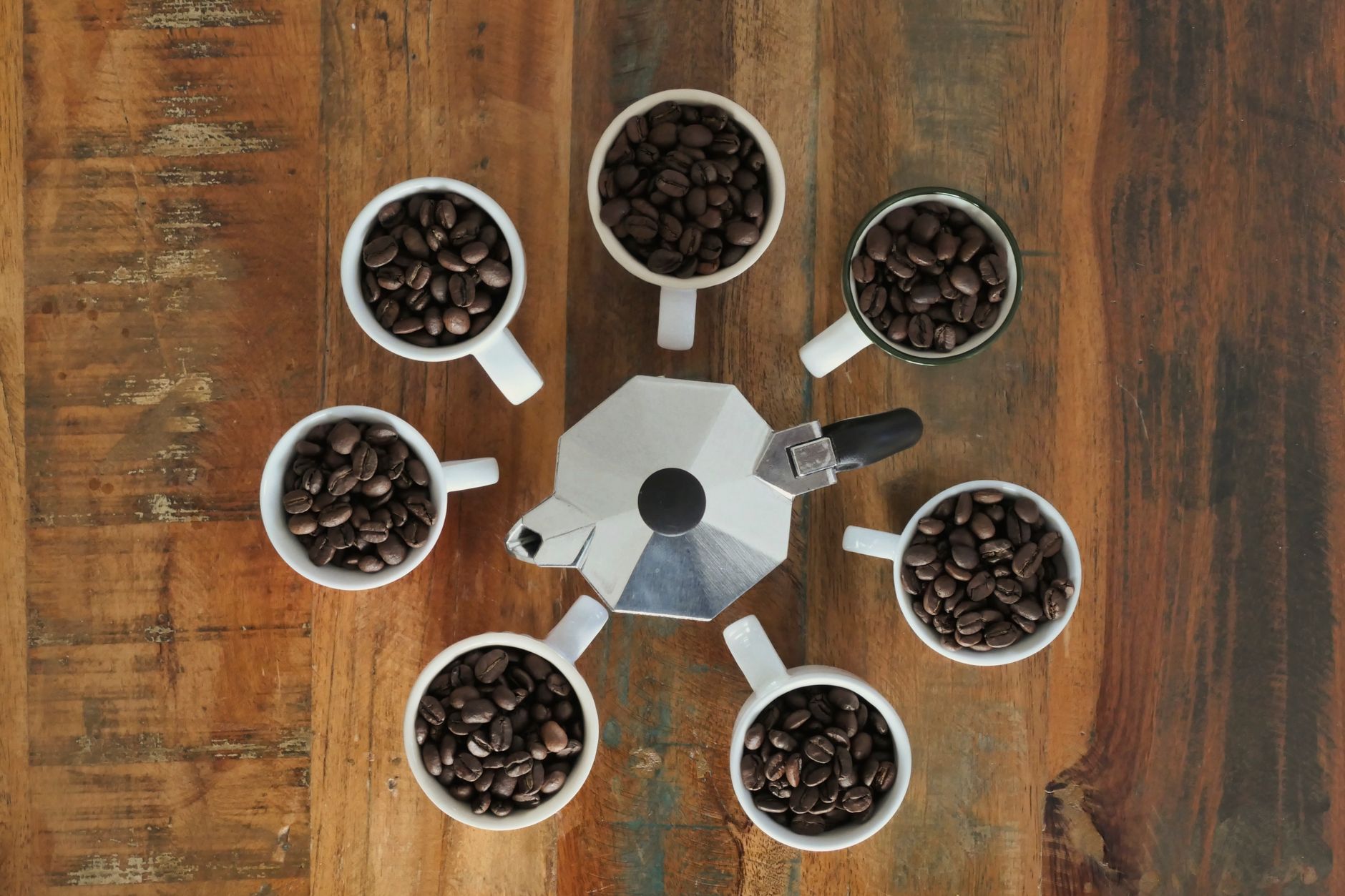
Before buying anything, decide your primary brew method. Every other purchase follows from that decision. Espresso demands different equipment than pour-over or French press — and mixing categories is the most expensive mistake beginners make.
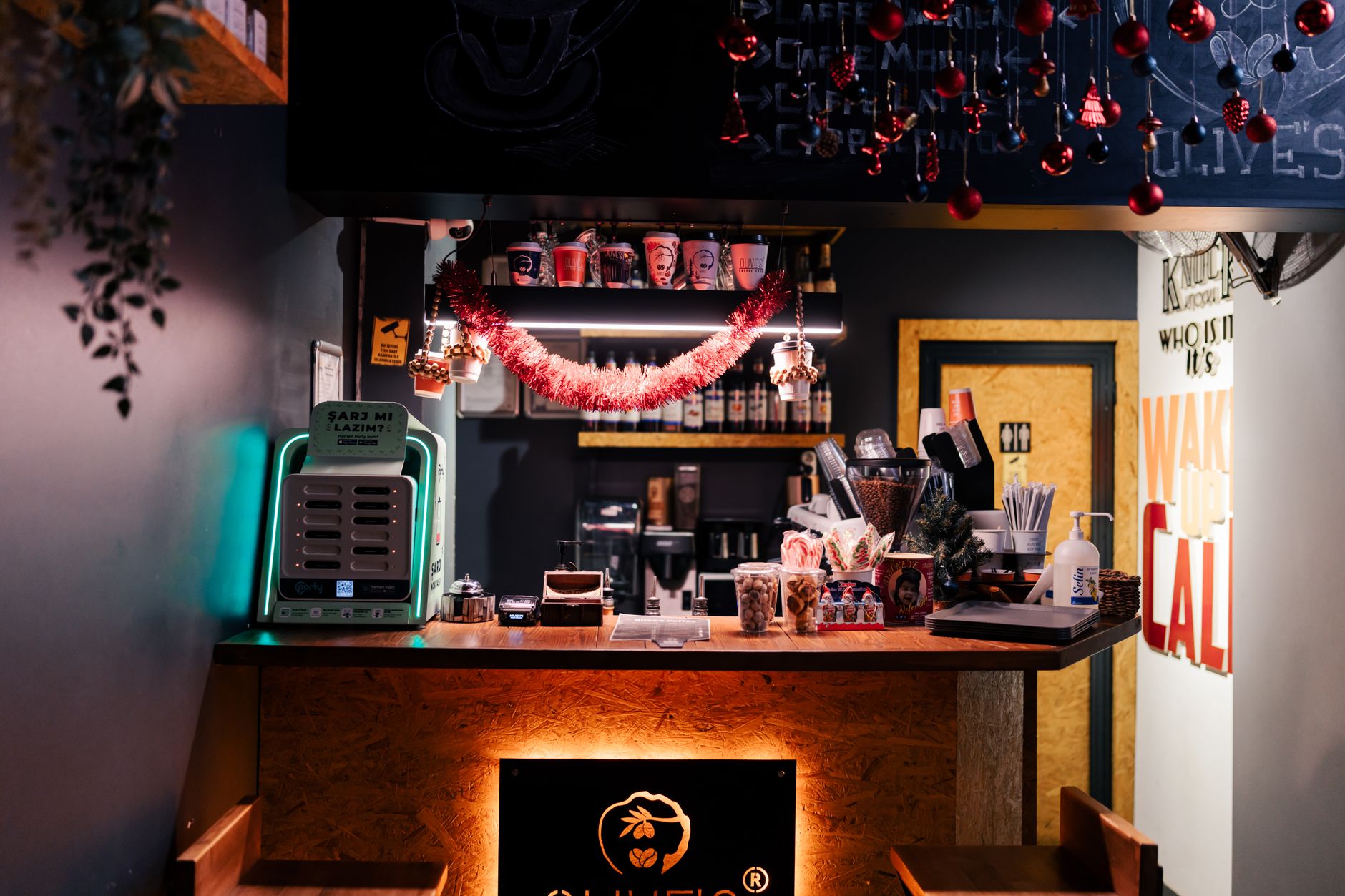 Photo: Yunus Tuğ via Pexels
The three realistic starting points:
| Level | Budget | Anchor Piece |
|---|---|---|
| Entry | $100–$300 | Manual grinder + pour-over or AeroPress |
| Mid | $300–$900 | Electric grinder + espresso machine or auto-drip |
| Pro | $900–$3,000+ | Flat burr grinder + semi-auto espresso machine |
Pick your level honestly. A $200 espresso machine will frustrate you more than a $60 AeroPress will delight you.
Entry-Level Home Coffee Bar Setup ($100–$300)
At this level, spend 60–70% of your budget on the grinder, not the brewer. A quality hand grinder with a blade-free burr set will outperform a cheap electric grinder paired with a $400 brewer. Freshly and consistently ground coffee is the biggest variable you control.
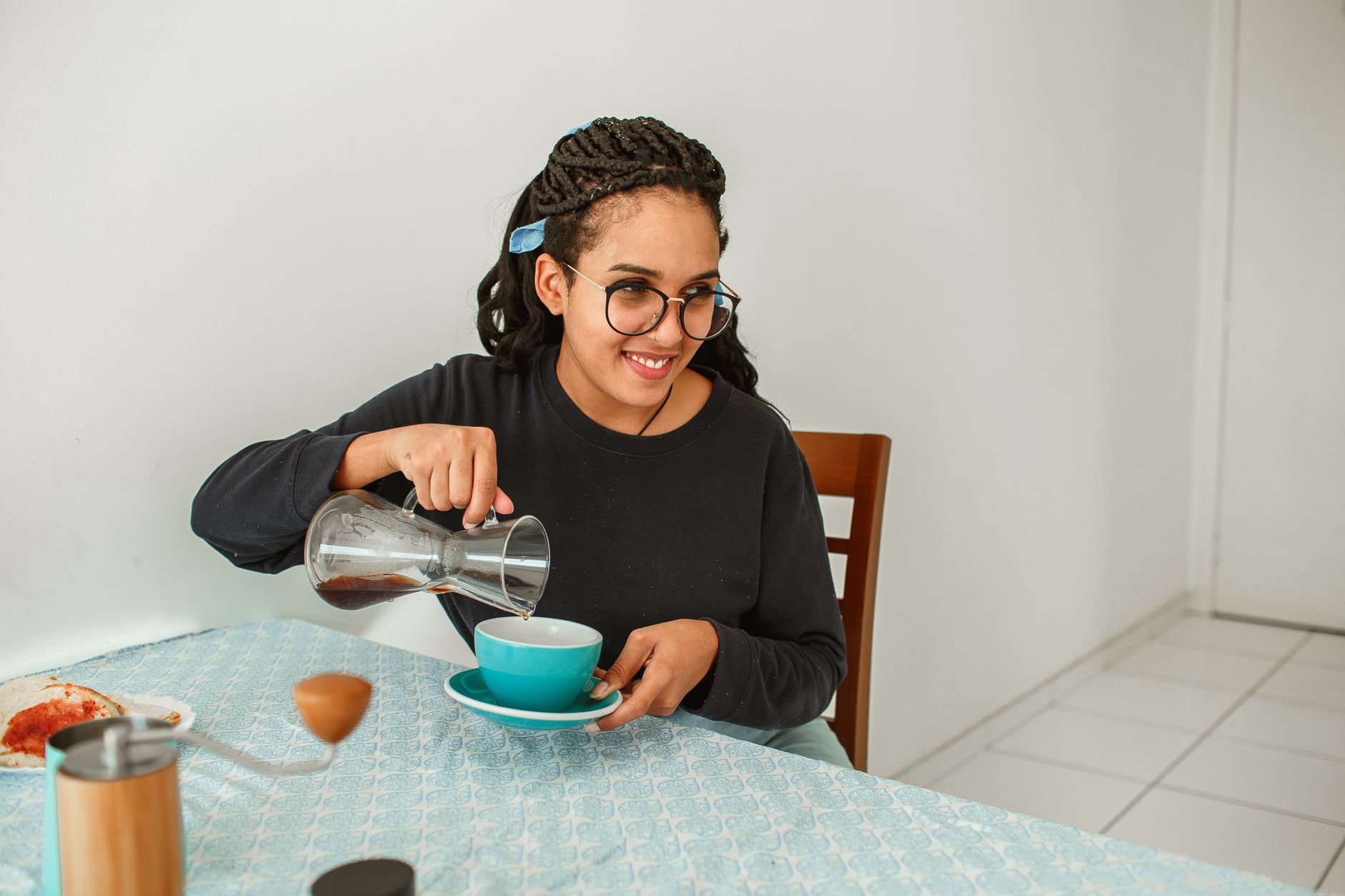 Photo: Helena Lopes via Pexels
The Grinder
The Timemore C3 is the entry standard. Stainless steel conical burrs, consistent grind from fine espresso to coarse French press, under $75. The 1Zpresso JX steps up with larger burrs and faster grinding if you’re making multiple cups.
Avoid blade grinders. They chop unevenly, heat the grounds, and produce a mix of dust and boulders that makes every brew unpredictable.
The Brewer
AeroPress : $35, nearly indestructible, produces clean espresso-style concentrate or full cup. Best single purchase for value-per-cup quality at this level.
Pour-over (Hario V60 or Kalita Wave ): $25–$40, produces bright, clean cups. Requires a gooseneck kettle for control — add the Fellow Stagg EKG or the budget Bonavita Variable at $40.
French press: Forgiving, no paper filters needed, produces full-bodied cups. The Bodum Chambord at $45 is the reliable choice.
Entry Setup Checklist
- Hand grinder with conical burrs
- Brewer of choice
- Gooseneck kettle (for pour-over) or standard kettle
- Digital scale (a $12 kitchen scale works fine)
- Filtered water source
Mid-Range Home Coffee Bar ($300–$900)
This range is where most home setups should live. You get electric convenience, real grind consistency, and the ability to dial in espresso or batch brew at a level that matches most café output. The Breville Barista Express is the most common recommendation here — resist it.
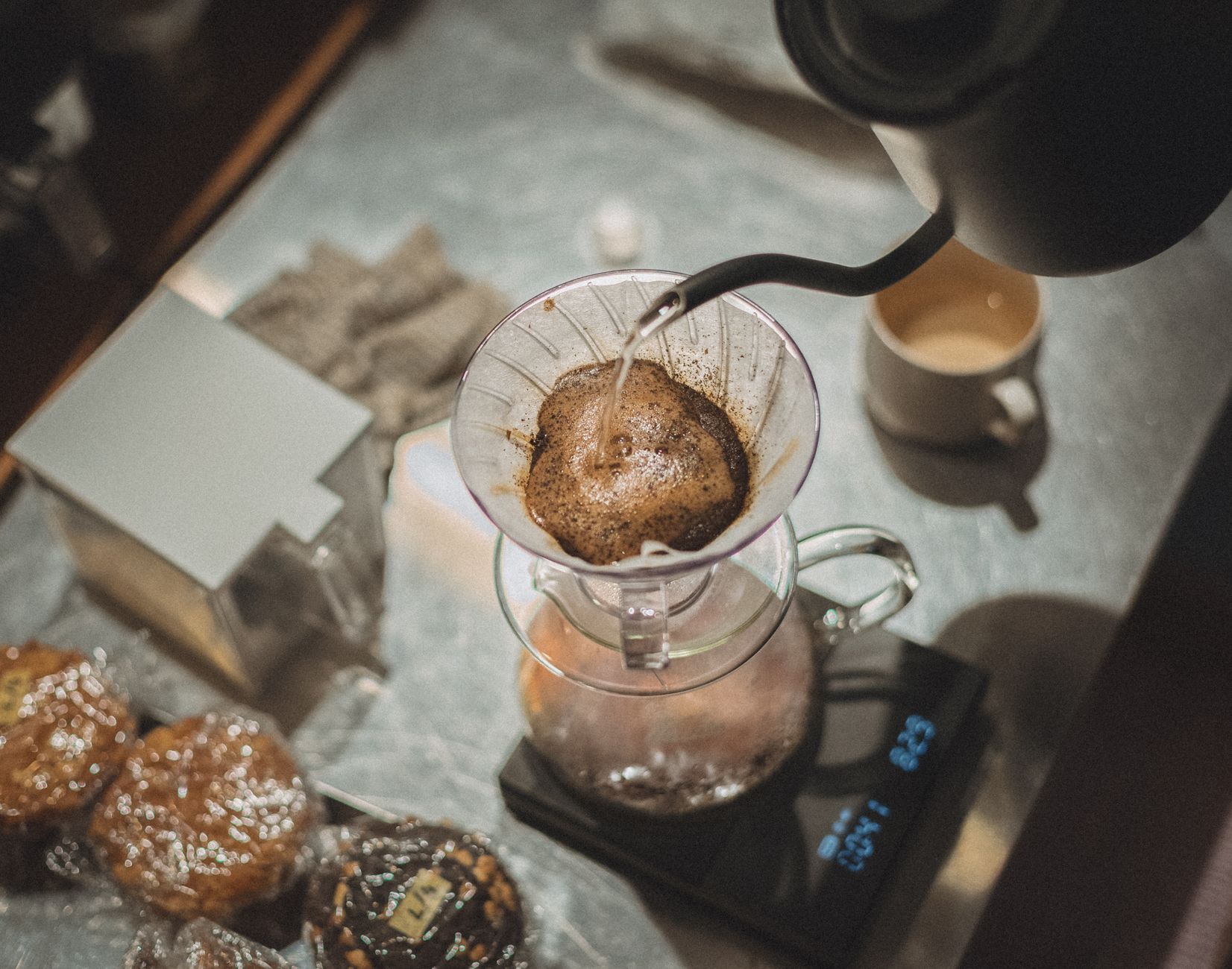
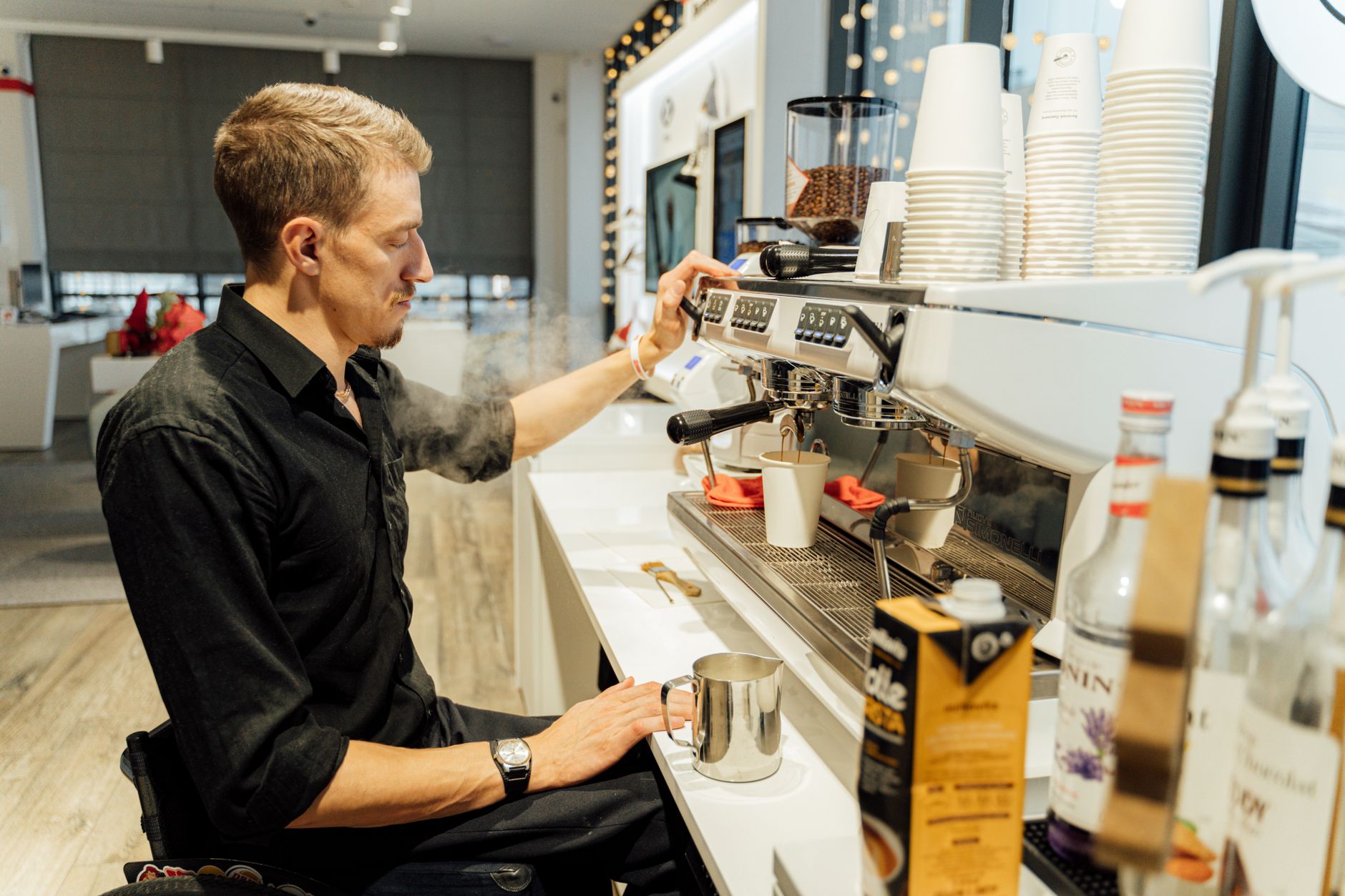 Photo: Adventure Studio via Pexels
The Barista Express bundles grinder and machine, which sounds efficient but means you upgrade both when one fails. Separating them costs slightly more upfront and is worth every dollar.
The Grinder (Electric)
Baratza Encore ESP : $200, covers drip through espresso, reliable, repairable. The workhorse recommendation for this tier.
DF54 by DF: $250, single-dose flat burr, minimal retention, significantly better espresso grind consistency than the Encore at a similar price point.
The Espresso Machine
Breville Bambino Plus
Gaggia Classic Pro
For drip at this level: Breville Precision Brewer ($200) hits SCA Golden Cup standards — water temperature, bloom timing, and flow rate are dialed from the factory.
Mid-Range Setup: What to Add
- Tamper sized to your portafilter (54mm or 58mm)
- Distribution tool or WDT (weiss distribution technique) needle tool
- Milk pitcher (12oz for single drinks, 20oz for multiple)
- Shot glasses or espresso cups with a pour spout
Pro-Level Home Coffee Bar ($900–$3,000+)
At this level you’re buying equipment used in professional training environments. The ceiling is genuine: a properly calibrated flat-burr grinder and a PID-controlled single-boiler or heat-exchanger machine will produce shots that match or exceed most café output.
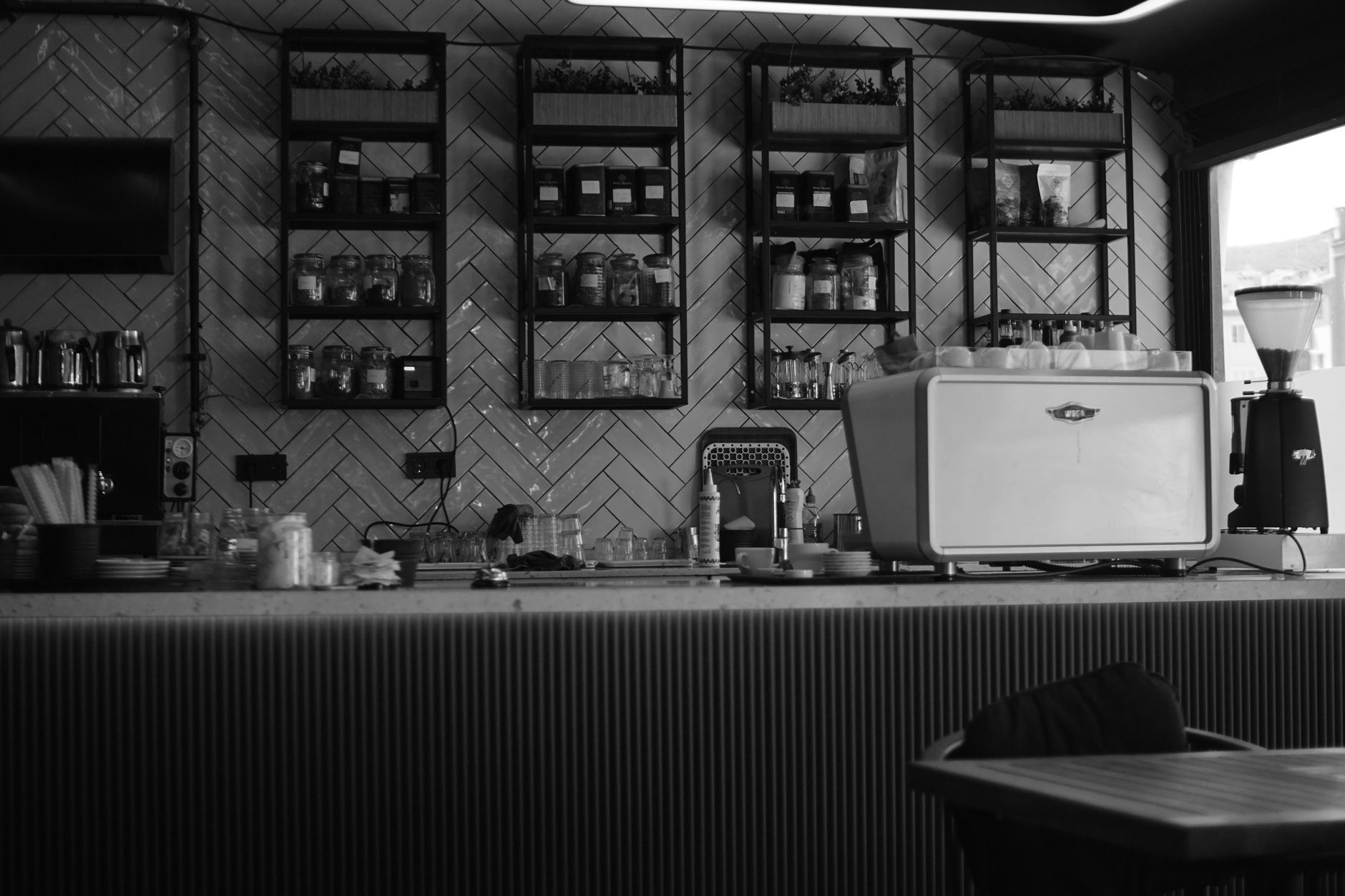
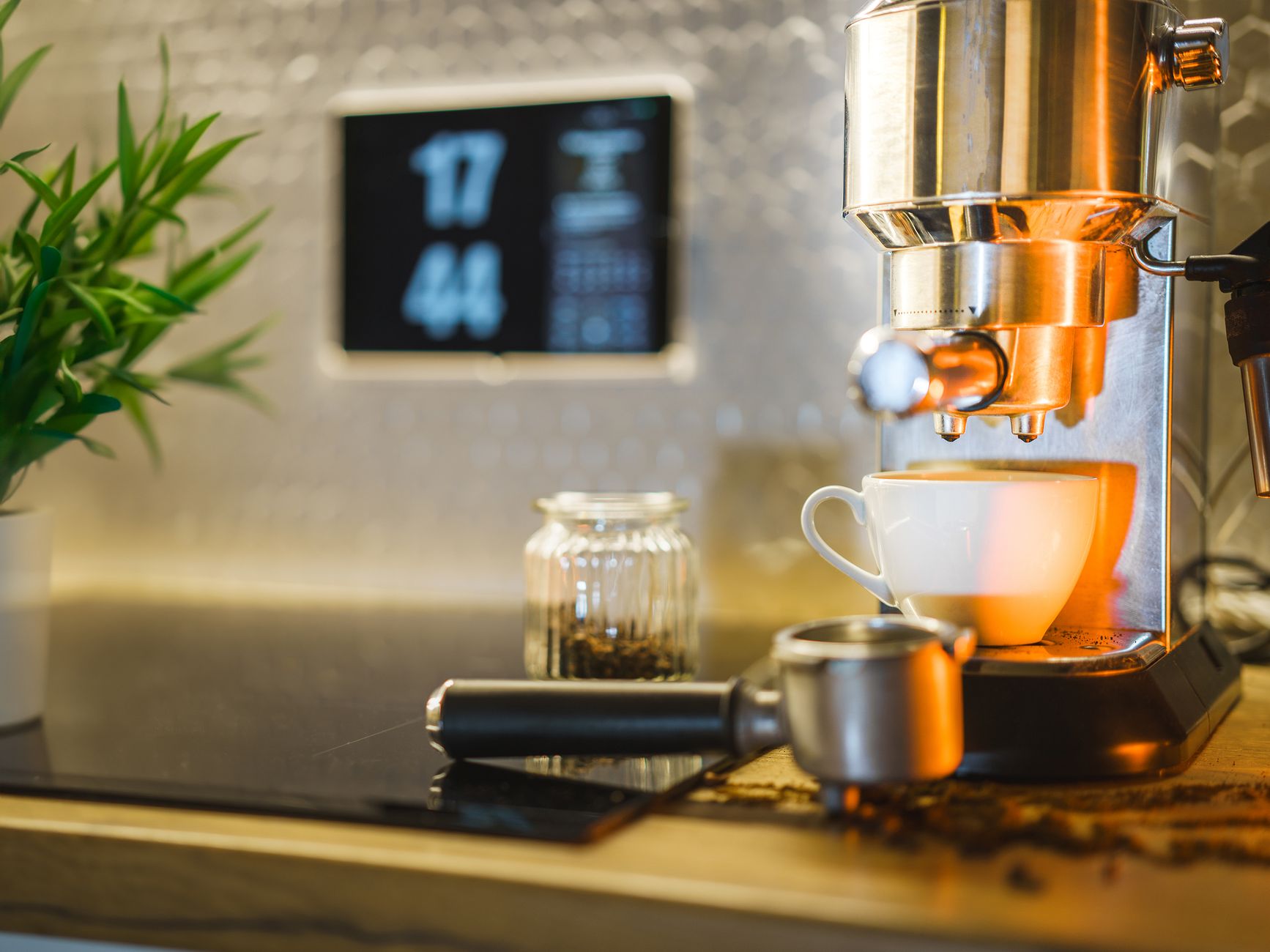 Photo: Jakub Zerdzicki via Pexels
The Grinder
Eureka Mignon Specialita
Niche Zero : $700, single-dose conical, near-zero retention, exceptional for both espresso and filter. The premium pick if you brew multiple methods.
The Machine
Rancilio Silvia Pro X
Lelit Bianca V3 : $2,000+, flow control paddle, dual boiler, gorgeous build. For the barista who wants to manipulate pressure profiles.
ECM Synchronika : $2,500, heat exchanger, rotary pump (quiet), built in Germany. High resale value, 10+ year lifespan with maintenance.
What Separates Pro Setups
A pressure gauge, a leveling tamper, and a puck screen aren’t luxuries at this level — they’re diagnostics. A bottomless portafilter shows channeling immediately. A flow control device lets you experiment with pre-infusion on machines that don’t have it built in.
Water quality matters more here, not less. Invest in an Everpure or BWT water filter for your feed line, or use a remineralised RO system.
The Physical Setup: Counter Space and Workflow
Layout follows the barista’s triangle: grinder → tamping station → machine. Left to right if you’re right-handed, right to left if left-handed. The machine needs clearance above for the water reservoir (if top-fill) and ideally a dedicated 15A circuit if you’re running a dual boiler.
A dedicated bar cart or butcher block section makes a material difference to enjoyment. It creates a ritual space separate from the rest of the kitchen and keeps your equipment accessible rather than shuffled into cabinets. The IKEA RÅSKOG cart handles entry-level setups; a butcher block island or custom open shelving handles the rest.
Accessories to organize:
| Item | Budget Pick | Pro Pick |
|---|---|---|
| Knock box | Any knock box with a rubber bar | Cafelat Knocktube |
| Scale | Any 0.1g kitchen scale | Acaia Pearl |
| Timer | Phone | Built into the Acaia |
| Storage | OXO airtight canisters | Airscape or Fellow Atmos |
| Lighting | Under-cabinet LED strip | Same, just install it properly |
Coffee Storage and Bean Sourcing
Beans belong in an airtight, opaque container away from heat and light — not in the freezer once opened, not on the counter in a clear jar next to the espresso machine.
Buy from local roasters or specialty subscription services. Roast date matters: espresso pulls best 7–21 days post-roast; filter coffee is often best at 5–14 days. Avoid anything without a roast date printed on the bag.
→ See also:
- The Third Wave Coffee Movement: A Complete Guide
- Best Coffee Cities in the US (2026 Guide)
- New York City Specialty Coffee Guide: 20 Best Cafés
FAQ
How much space does a home coffee bar actually need? A functional entry-level setup fits on 18 inches of counter — hand grinder, kettle, brewer, scale. An espresso setup with an electric grinder needs 24–30 inches minimum. Build in clearance above the machine for filling the water reservoir and below for your drip tray.
Can I make good espresso for under $500? Yes, with caveats. The Gaggia Classic Pro paired with a Baratza Encore ESP puts you just under $650 with a tamper — that’s the honest entry for real espresso. Under $400 you get the Bambino Plus used or the Delonghi Stilosa with a separate grinder; results are competent but not café-comparable. Under $200 you’re making espresso-style concentrate, not espresso.
Do I need a scale for pour-over? For consistent results, yes. A 1:15 or 1:16 coffee-to-water ratio is easy to repeat by weight and nearly impossible to repeat by volume. A $12 kitchen scale works fine — you don’t need a specialty coffee scale unless you want the timer integration.
What water should I use? Third Wave Water mineral packets added to distilled water are the easiest way to control mineral content. Tap water varies too much city-to-city to give a single recommendation. The SCA target is 150 mg/L TDS, 50–175 mg/L hardness, pH 7.0. Soft water under-extracts; hard water scales your machine and over-extracts.
How often should I clean my espresso machine? Backflush daily if using it daily (blank basket, no detergent), with a detergent backflush weekly (Cafiza or Puly Caff). Descale every 3–6 months depending on water hardness — a scale indicator or maintenance reminder will tell you. Clean the steam wand immediately after every use; baked milk is almost impossible to remove once it dries.
Should I buy a used espresso machine? For prosumer machines (Rancilio, Gaggia, ECM), yes — they’re rebuildable and parts are available. Avoid used super-automatics unless you know the maintenance history. Avoid used pod machines entirely. A used Rancilio Silvia in good shape at $400 beats a new $400 all-in-one machine.
What’s the biggest mistake people make setting up a home coffee bar? Buying the machine before the grinder. The machine is the visible centerpiece so it gets the budget — but grind consistency determines 80% of what ends up in your cup. A $150 electric grinder with a $50 AeroPress will produce better coffee than a $600 espresso machine with a $30 blade grinder.
Schema
Editorial methodology: Assessments are based on manufacturer specifications, published user reviews, and editorial research. Physical hands-on testing is noted explicitly where it occurred. Rankings reflect our editorial judgment and are not influenced by affiliate commission rates. Full editorial policy · Affiliate disclosure