Gaggia Classic Pro Review (2026): Still Worth It?
TL;DR: The Gaggia Classic Pro remains one of the best entry-level espresso machines for serious home baristas in 2026. At ~$450, it delivers commercial-grade 58mm portafilter compatibility, a solenoid valve for dry pucks, and genuine upgrade headroom — but demands manual skill and has no PID out of the box.
What Is the Gaggia Classic Pro?
Direct Answer: The Gaggia Classic Pro
 Photo: Doğu Tuncer via Pexels
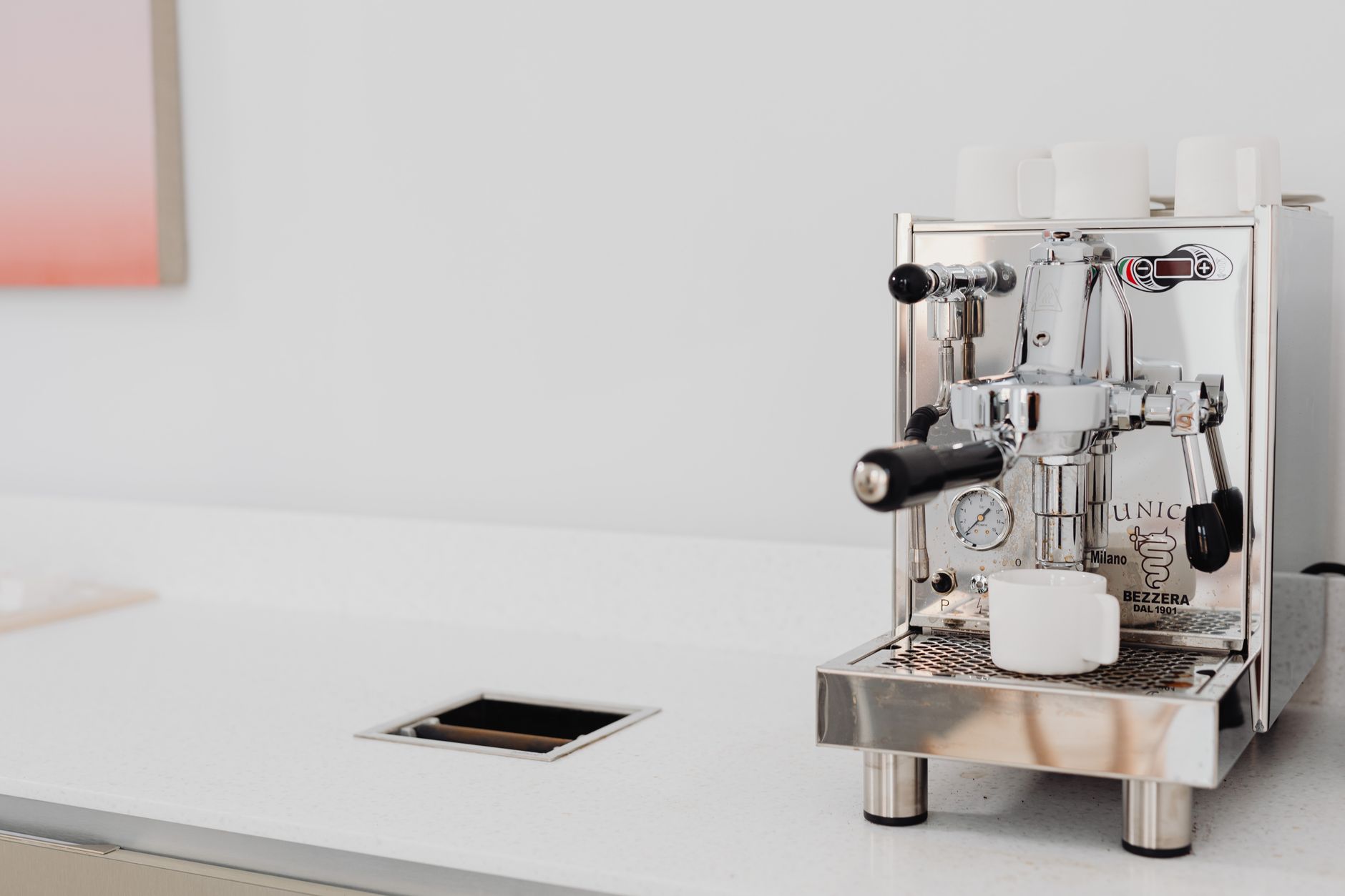
The Classic Pro sits at a crossroads: it’s affordable enough to be someone’s first “real” machine, yet capable enough that experienced baristas keep it as a daily driver. That’s a narrow lane, and Gaggia navigates it well — mostly.
The core hardware hasn’t changed dramatically since the 2019 revision. What you get is a 58mm commercial-standard portafilter, a single boiler that does double duty for espresso and steam, and a bare-metal construction that feels built to last a decade.
Gaggia Classic Pro Specs
| Feature | Spec |
|---|---|
| Boiler Type | Single thermoblock (brass) |
| Portafilter Size | 58mm commercial |
| PID | No (stock) |
| Pump Type | Vibratory (ULKA EP5) |
| Burr Size | N/A (no grinder included) |
| Boiler Capacity | 100ml |
| Pump Pressure | 15 bar (9 bar effective) |
| Steam Wand | Panarello-style (removable tip) |
| Weight | 8.2 kg |
| Dimensions | 23 × 24 × 34 cm |
Espresso Quality: What Does It Actually Pull?
Direct Answer: The Gaggia Classic Pro pulls genuinely excellent espresso — dense, syrupy, with real crema — once you dial in your grind and dose. At stock settings it runs around 200°F (93°C), which is on the cooler side; temperature surfing or a PID upgrade corrects this for lighter roasts.
 Photo: Maor Attias via Pexels
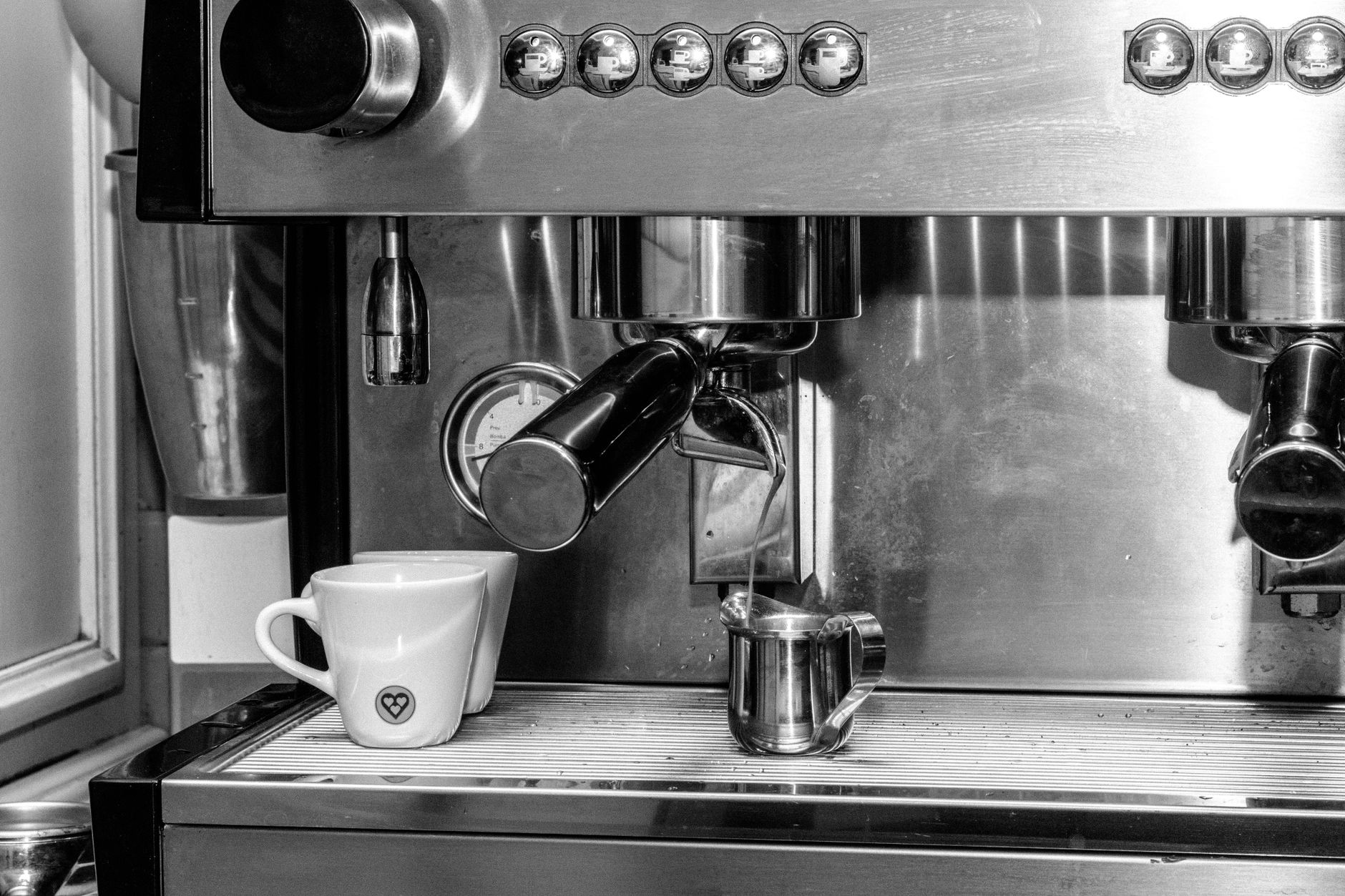
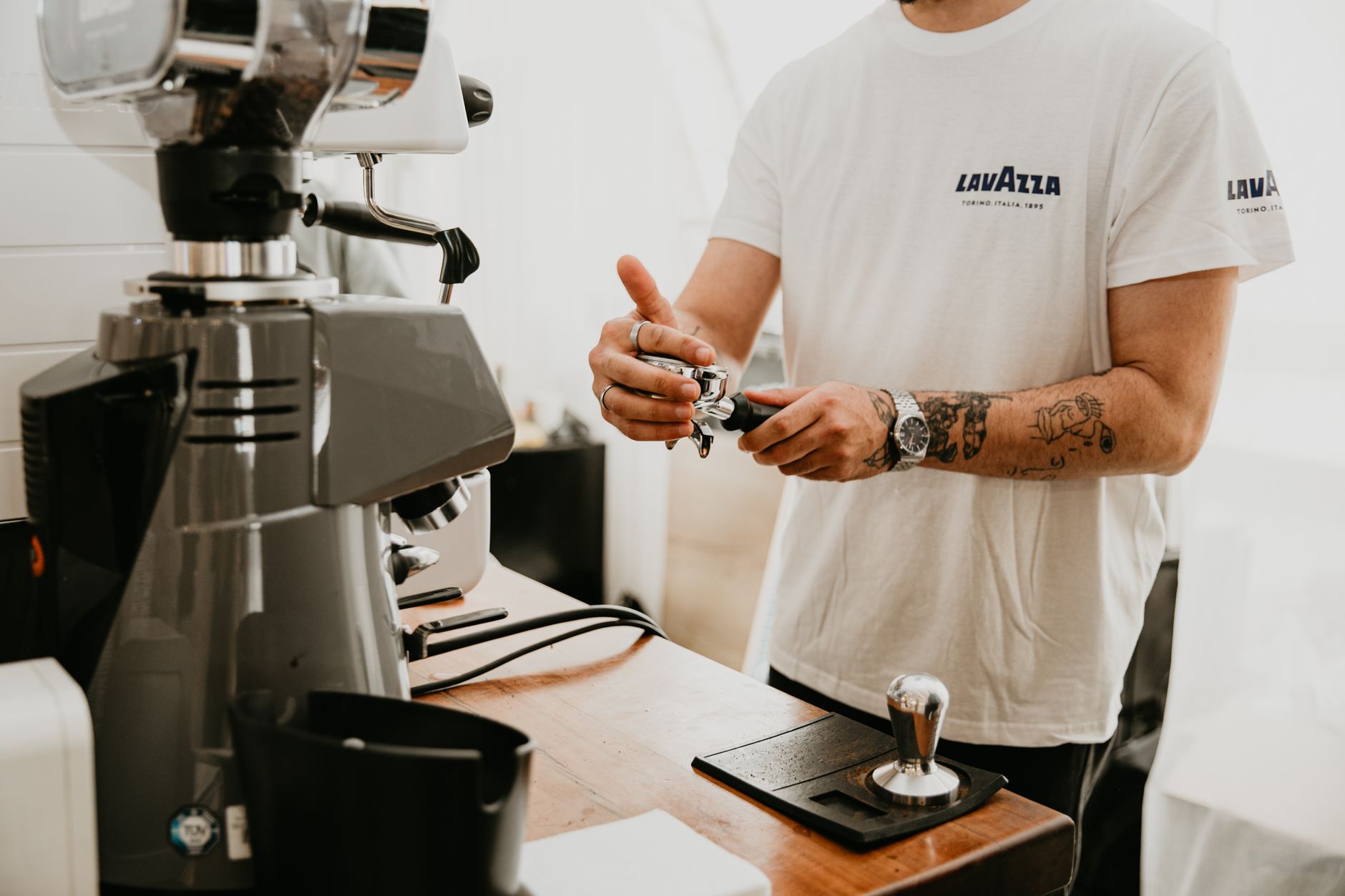
The 58mm portafilter is the real unlock here. It means every commercial-standard basket, tamper, and distribution tool fits — VST baskets, IMS precision baskets, all of it. That’s not the case on cheaper machines with proprietary 51mm or 54mm portafilters.
Stock, the machine ships with a pressurized basket (Gaggia calls it “commercial style”). Throw it away. Replace it with a standard unpressurized single-wall basket and suddenly the machine reveals what it can actually do. The pressure profile flattens out, crema becomes real rather than aerated foam, and you’ll actually taste the difference between a good and bad grind.
The thermoblock heats fast — under 45 seconds from cold — and holds temperature reasonably well for espresso. Steaming milk is where the single-boiler compromise shows: you pull your shot, then wait 30–45 seconds for the boiler to climb to steam temperature. For one drink, tolerable. For a round of cappuccinos, mildly annoying.
Steam and Milk Performance
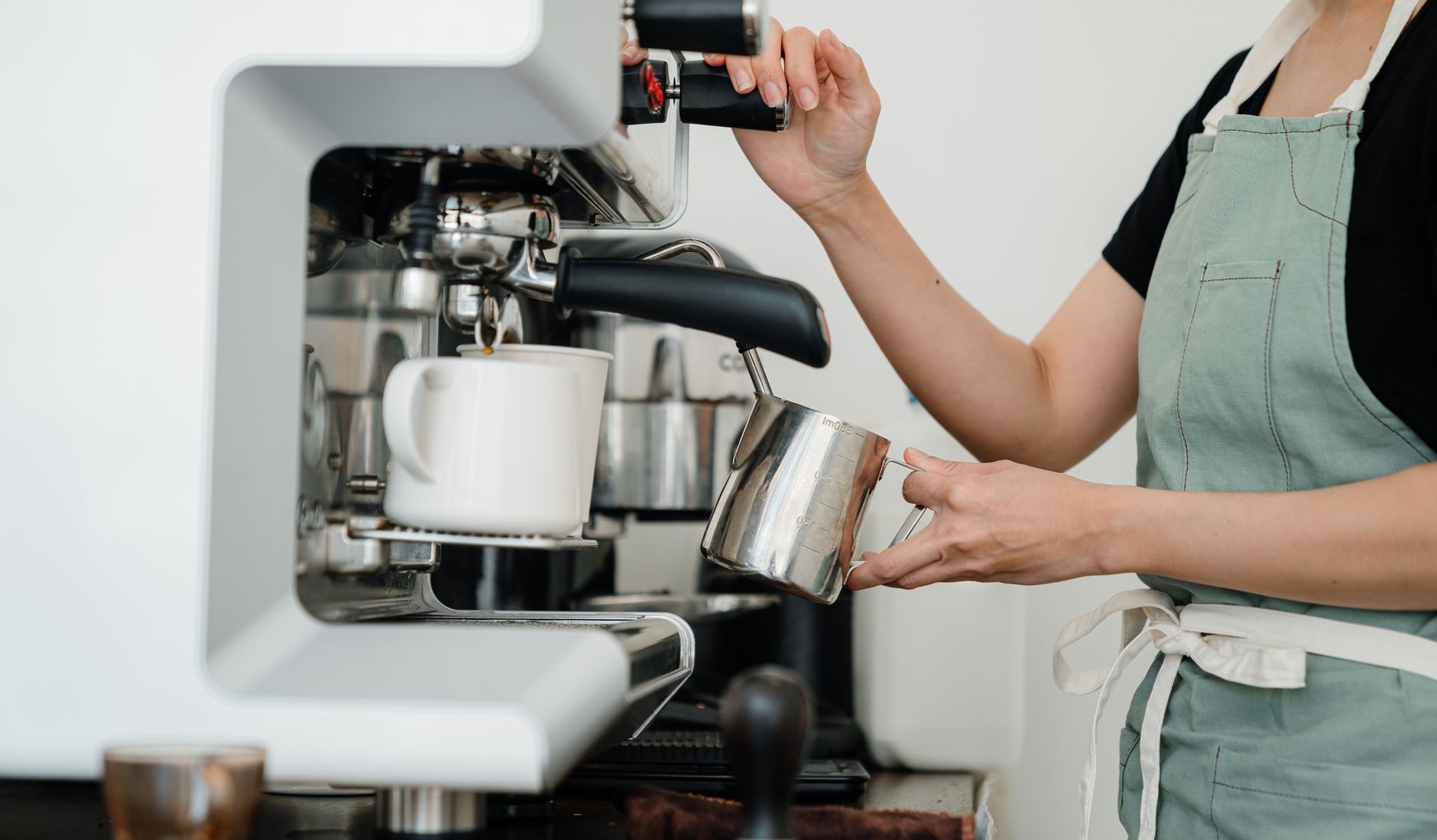
Direct Answer: Milk steaming on the Classic Pro is functional but limited. Steam pressure is adequate for microfoam on a 250ml pitcher, but the panarello tip is best removed — the inner steam tip underneath produces real microfoam if your technique is solid.
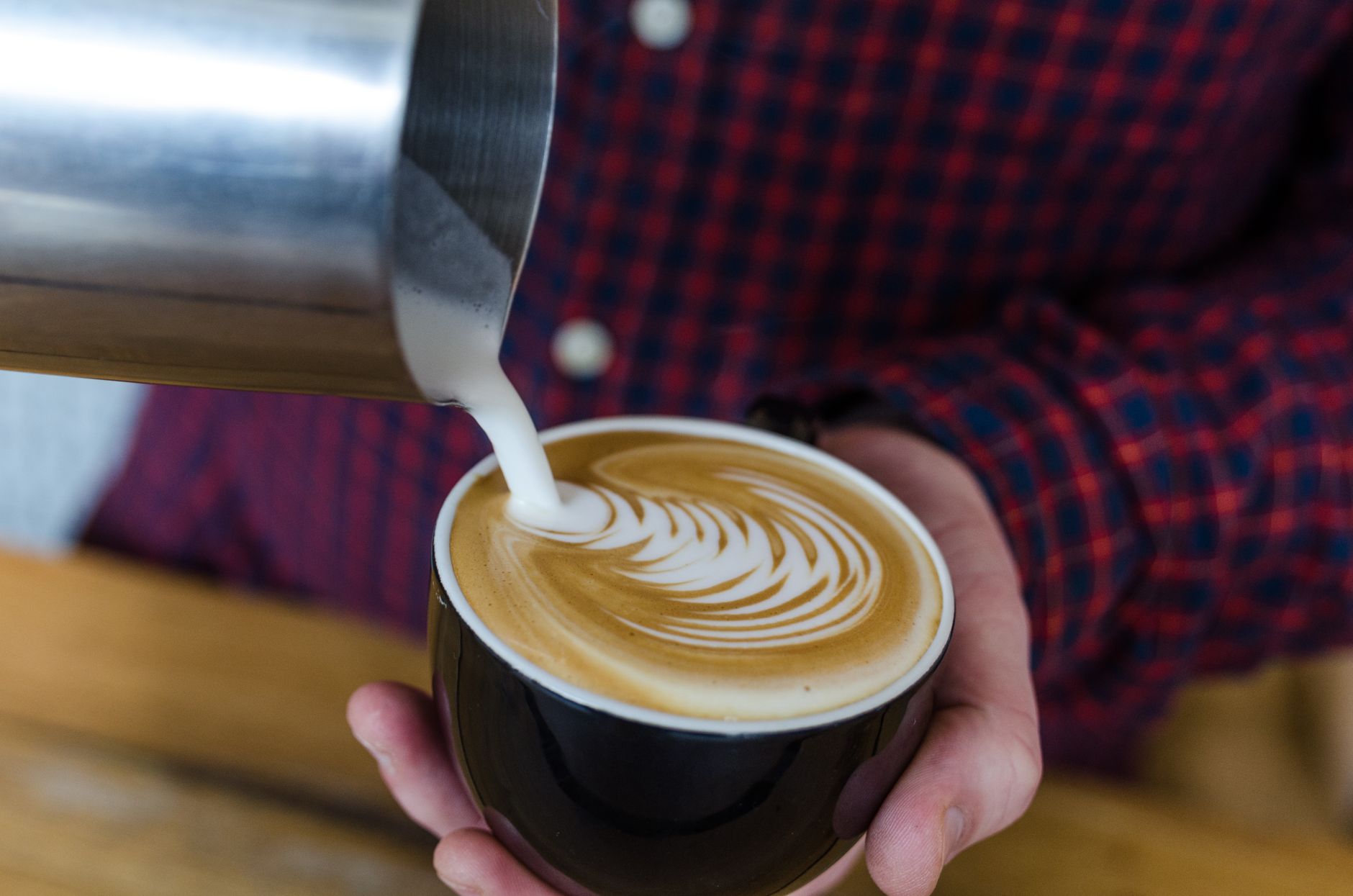 Photo: Amelia Hallsworth via Pexels
The stock panarello wand auto-aerates milk by injecting air, which produces foam rather than microfoam. Fine for a cappuccino with a thick cap, not fine for latte art. Remove the plastic tip and the inner single-hole steam tip underneath performs genuinely well for a machine at this price. Expect 60–75 seconds to steam 200ml of milk to 65°C.
The boiler-switch protocol matters here: pull shot → flip switch to steam → wait for ready light → steam. Once you’re used to it, the rhythm is fast. The frustration disappears with a PID or a boiler mod, which brings the steam boiler temperature up independently.
Build Quality and Longevity
Direct Answer: The Gaggia Classic Pro is built to last. The chassis is stainless steel, the boiler is brass, and spare parts are widely available. Owners routinely run these machines for 10+ years with basic descaling and occasional gasket replacement.
The internal layout is simple and repairable — no proprietary boards, no sealed units. The group head gasket (standard 8.5mm Gaggia gasket) runs about $5 and takes ten minutes to replace. Descale every 2–3 months with a standard citric acid solution and you’ll see no performance degradation.
One weak point: the steam knob on early Classic Pro units had a plastic insert that cracked under heat cycling. Gaggia revised this in later production runs, and the current 2024/2025 units appear fixed. Check that yours has the updated knob; replacements are inexpensive.
The ULKA EP5 pump is a known quantity — it powers dozens of machines in this segment and replacement units cost under $20 online.
Upgrade Path: How Far Can You Take It?
Direct Answer: The Classic Pro has one of the best upgrade trajectories in its class. A PID kit ($50–$100) transforms temperature stability; an OPV adjustment brings pressure from 9+ bar to a genuine 9 bar; a bottomless portafilter reveals extraction defects immediately. These three changes cost under $200 total and produce a genuinely serious machine.
| Upgrade | Cost | Impact |
|---|---|---|
| PID controller (e.g. Auber) | $70–$110 | Temperature stability, lighter roast compatibility |
| OPV spring adjustment | $0–$15 | Consistent 9-bar extraction pressure |
| Bottomless portafilter | $20–$40 | Immediate visual feedback on extraction |
| IMS precision basket | $25–$35 | Tighter tolerances, more even extraction |
| Steam wand tip swap | $5–$10 | Real microfoam capability |
The PID is the highest-leverage upgrade. Stock temperature control relies on a pressurestat with ~5°C hysteresis. With a PID, you can target 93°C for a dark roast or 96°C for a light Ethiopian and hold it there shot to shot.
The OPV (over-pressure valve) stock setting on many Classic Pros runs at 11–12 bar rather than the 9 bar standard. An OPV spring kit or a simple adjustment brings this into line and immediately improves extraction on lighter roasts that bloom under excess pressure.
Gaggia Classic Pro vs. Competitors
| Machine | Price | Boiler | Portafilter | PID | Pump | Best For |
|---|---|---|---|---|---|---|
| Gaggia Classic Pro |
The Rancilio Silvia is the closest true competitor — similar boiler architecture, same 58mm portafilter, similar upgrade ecosystem. The Silvia’s steam boiler runs slightly hotter and its build is marginally more substantial, but the Classic Pro’s lower price and better parts availability make it the smarter value.
The Breville Barista Express wins on convenience (built-in grinder, PID stock) but the 54mm portafilter limits your basket and accessory options long-term.
Verdict by User Type
Espresso purist: Buy it. The 58mm portafilter, repairable internals, and upgrade path make this the natural first serious machine. Add a PID within six months and you’ll stop looking at anything under $1,000.
Milk drink focus: It works, but the single-boiler workflow will frustrate you if you’re pulling rounds of flat whites. Consider the Breville Dual Boiler if milk volume matters more than espresso purity.
Convenience-first: Wrong machine. The Classic Pro rewards patience and punishes shortcuts. If you want push-button espresso, look at the Breville Barista Touch or a super-automatic.
 Photo: Ketut Subiyanto via Pexels
→ See Also
- The Complete Guide to Espresso Machines (2026) — full framework for choosing the right machine at every budget
- Best Espresso Machine Under $500 (2026) — how the Classic Pro stacks against all competitors in its price range
- Best Espresso Machine Under $200 (2026) — if you’re not ready to commit to the Classic Pro yet
FAQ
Is the Gaggia Classic Pro good for beginners? It depends on the beginner. If you’re committed to learning espresso technique and willing to invest in a good grinder, yes — the Classic Pro teaches you more than any automated machine. If you want reliable espresso with minimal learning curve, a machine with built-in PID and grinder (like the Breville Barista Express) will serve you better out of the box.
Does the Gaggia Classic Pro need a PID? Not immediately, but eventually. Stock temperature control uses a pressurestat with roughly 5°C swing, which is fine for medium-dark roasts but inconsistent with lighter, more temperature-sensitive beans. A PID ($70–$110) is the single best upgrade and most serious Classic Pro owners add one within a year.
What grinder pairs best with the Gaggia Classic Pro? At minimum, a burr grinder capable of espresso-fine adjustment: the Baratza Encore ESP, DF54, or Niche Zero are popular pairings at $200, $250, and $600 respectively. Don’t use a blade grinder — uneven particle size ruins extraction and wastes the machine’s potential entirely.
How long does the Gaggia Classic Pro last? Well-maintained units routinely last 10–15 years. Key maintenance: descale every 2–3 months, replace the group head gasket every 1–2 years ($5), and backflush weekly with water (the 3-way solenoid makes this easy). Spare parts are widely stocked and inexpensive.
Is the Gaggia Classic Pro still made in Italy? Yes, as of 2026 the Classic Pro is still assembled in Milan. This is a genuine differentiator at the price point — most competitors at $400–$500 are manufactured in China or elsewhere. The Italian manufacturing contributes to the machine’s parts availability and repairability.
Editorial methodology: Assessments are based on manufacturer specifications, published user reviews, and editorial research. Physical hands-on testing is noted explicitly where it occurred. Rankings reflect our editorial judgment and are not influenced by affiliate commission rates. Full editorial policy · Affiliate disclosure