What Is a PID Controller on an Espresso Machine?
TL;DR: A PID controller is an electronic temperature regulator that keeps your boiler water at a precise, stable target — typically within ±1°C. Without one, brew temperature swings by 5–10°C between shots, wrecking extraction consistency. It’s the single most impactful internal upgrade on any espresso machine.
What Does a PID Controller Actually Do?
A PID (Proportional-Integral-Derivative) controller continuously reads boiler temperature via a sensor, calculates the gap between actual and target, then fires the heating element in precise pulses to close that gap — rather than just switching full-on or full-off like a thermostat. The result: temperature locked to ±0.5–1°C instead of swinging 5–10°C.
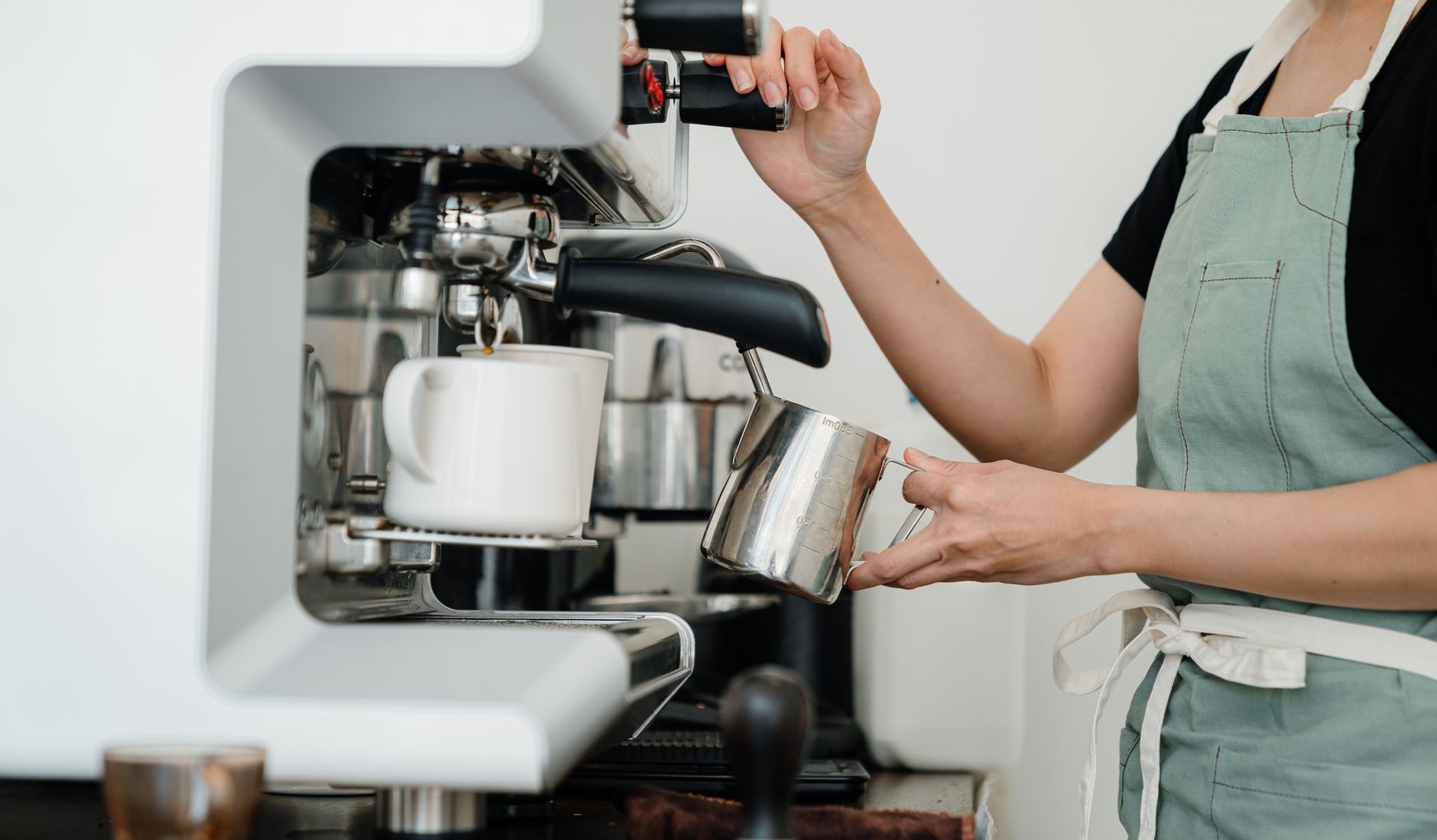
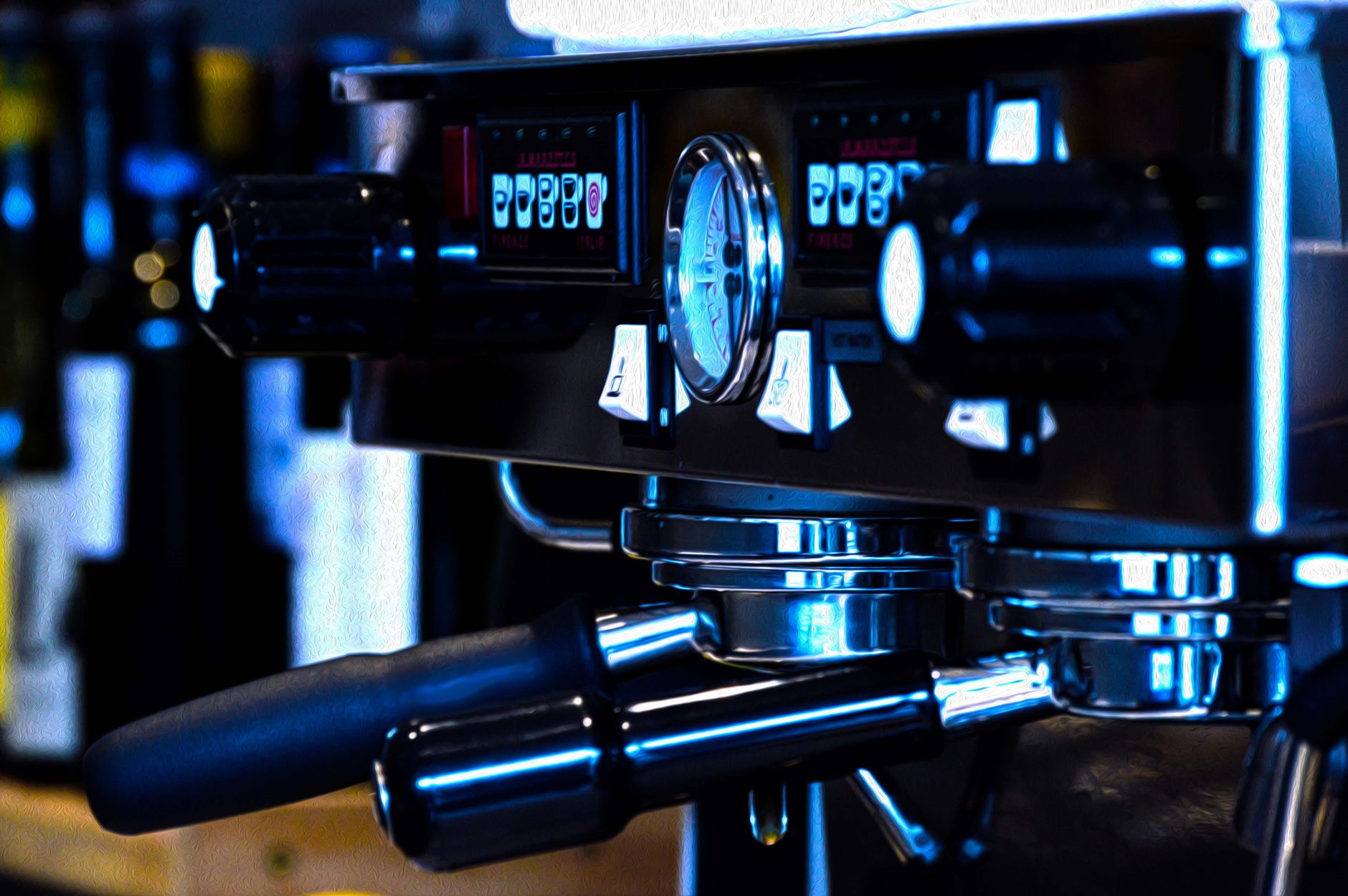 Photo: Elwira Glowacz via Pexels
The name describes its three correction strategies working simultaneously:
- Proportional — applies heating power proportional to how far off target you are. Big gap = more heat. Small gap = less.
- Integral — accounts for accumulated error over time. If the machine runs consistently 2° cold, the integral term corrects for that persistent offset.
- Derivative — anticipates overshoot. As temperature approaches target rapidly, the derivative term begins pulling back before the boiler blows past the setpoint.
Together they produce what engineers call a “tight control loop” — and what baristas experience as a machine that behaves identically on shot one and shot twenty.
Why Temperature Stability Matters for Espresso
Espresso extraction is acutely temperature-sensitive. A 3°C swing shifts extraction yield measurably — lower temps pull sour, under-extracted shots; higher temps produce bitter, harsh ones. With a PID, you dial in 93°C and it stays at 93°C.
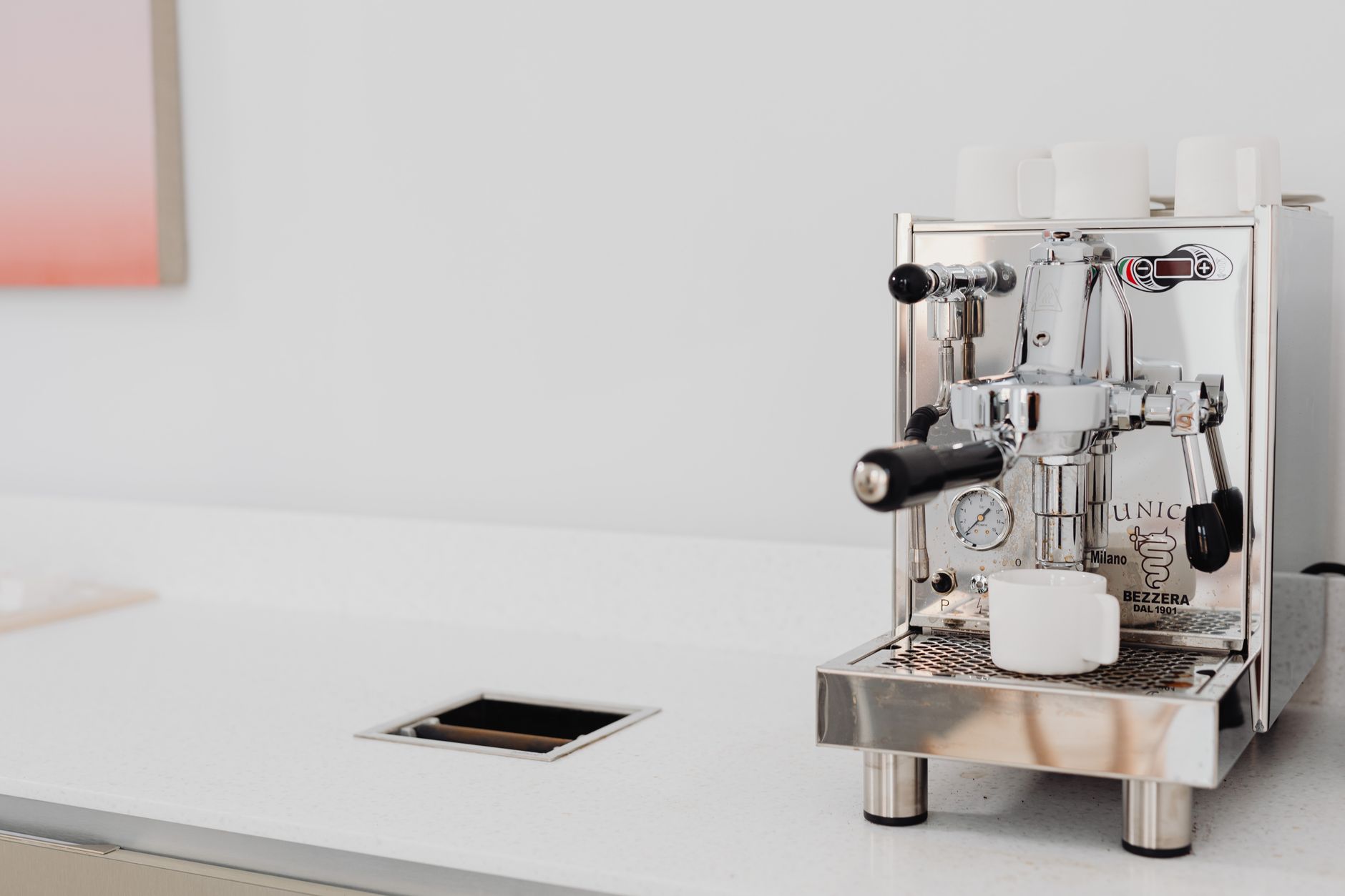
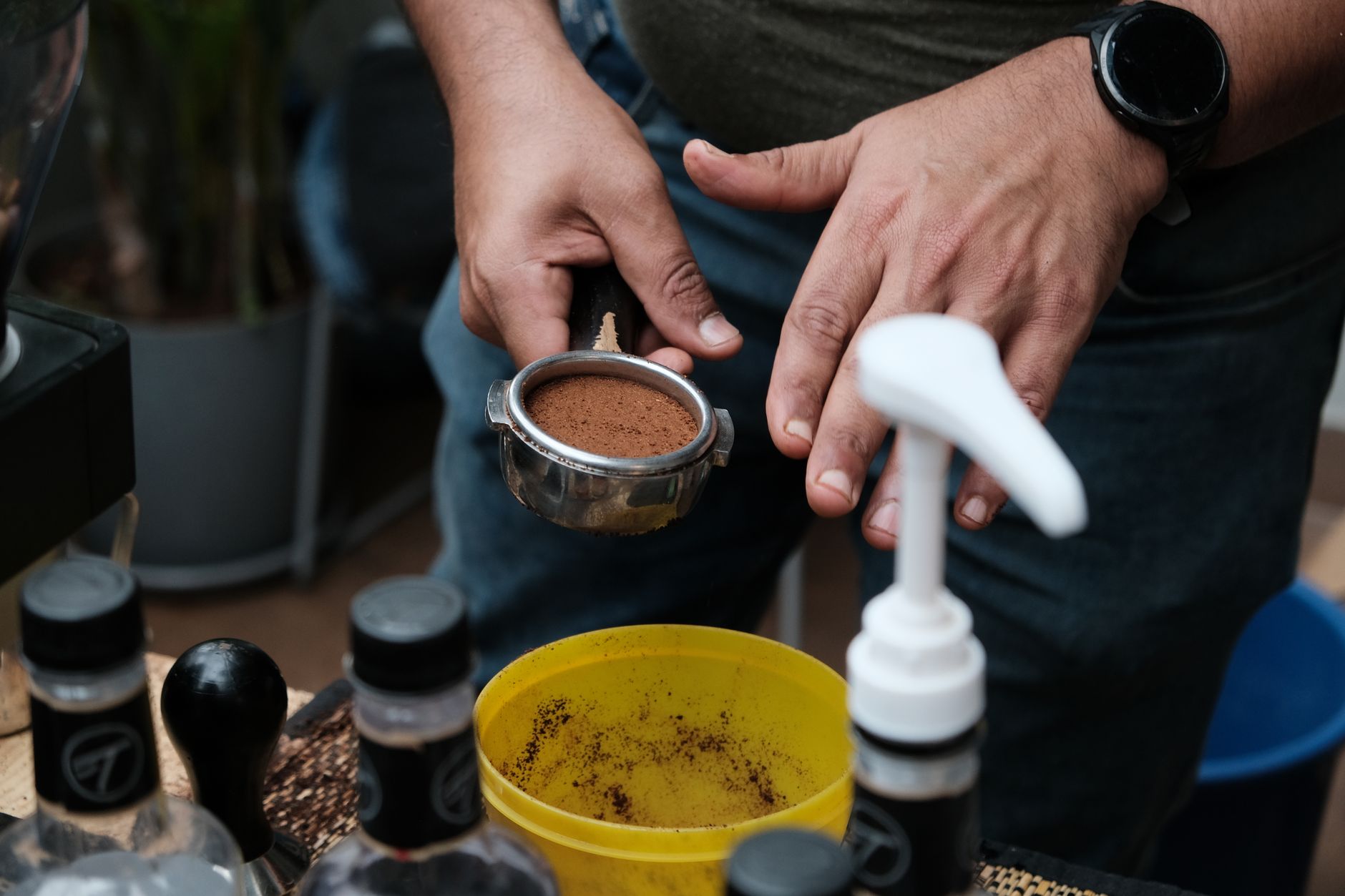 Photo: Aditya Oberai via Pexels
Without a PID, machines use a simple pressurestat or bimetallic thermostat — a dumb on/off switch triggered at a pressure threshold. These allow temperature swings of ±5–10°C around the nominal setpoint. On a budget machine, this means your first shot (pulled too hot, just after the element cut out) and your third shot (pulled too cool, after heat dissipated) will taste different even with identical technique.
This is why experienced home baristas treat PID as a near-mandatory feature above the $400 price point — and why retrofitting a PID into an older Gaggia or Rancilio Silvia remains a popular mod.
PID vs. Thermostat vs. Thermoblock: What’s the Difference?
| Feature | Pressurestat / Thermostat | PID Controller | Thermoblock |
|---|---|---|---|
| Temperature accuracy | ±5–10°C | ±0.5–1°C | ±2–5°C (varies) |
| User-adjustable temp | No | Yes (most models) | No |
| Heat-up time | Slower (full boiler) | Slower (full boiler) | Fast (on-demand) |
| Consistency shot-to-shot | Poor | Excellent | Moderate |
| Common price tier | Under $300 | $400–$2000+ | Under $400 |
Thermoblocks heat water on-demand through a narrow channel — fast, but prone to channeling temperature variation. A PID paired with a proper brass or stainless boiler remains the gold standard for shot-to-shot repeatability.
Which Espresso Machines Have a PID?
Most machines above $400 now include a PID. Below that, it’s rare unless it’s a flagship budget model. Key machines with user-adjustable PIDs include the Breville Barista Express, Gaggia Classic Pro (with mod), Rancilio Silvia Pro, ECM Classika, and virtually all E61 prosumer machines.
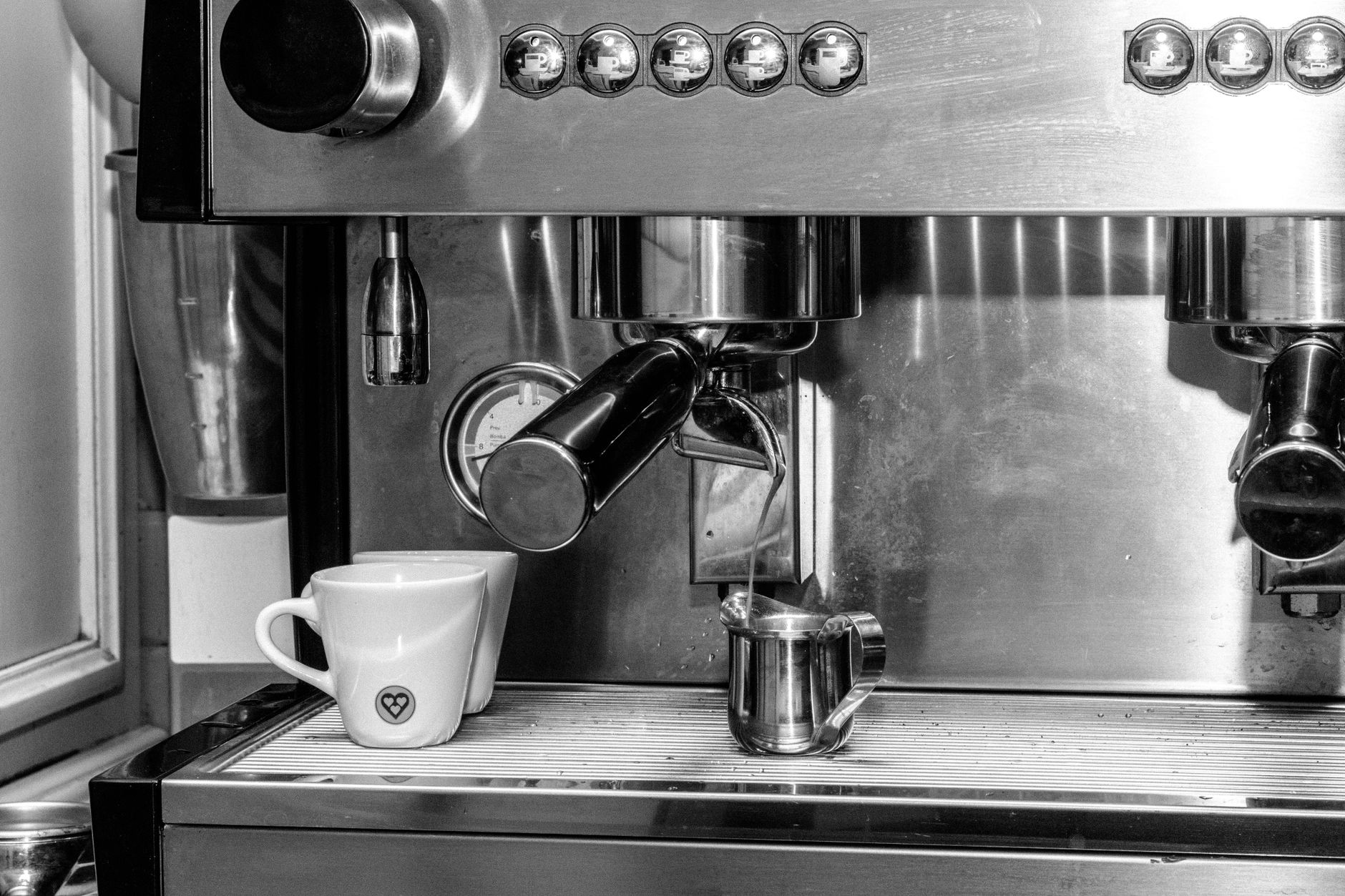
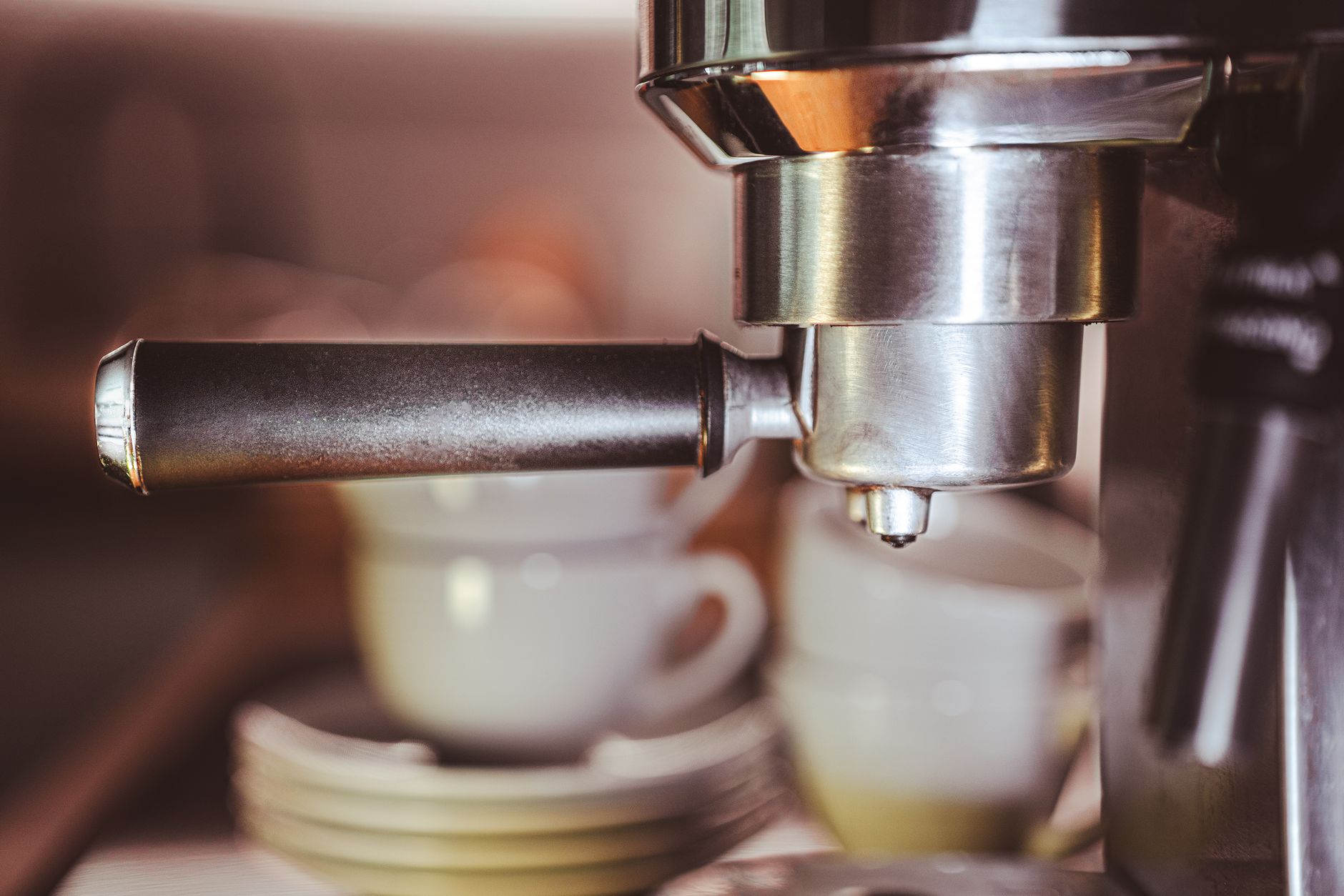 Photo: Jakub Zerdzicki via Pexels
Machines With Built-In PID (Selected)
| Machine | Price (approx.) | PID | Boiler | Adjustable Temp? |
|---|---|---|---|---|
| Breville Barista Express |
Can You Add a PID to an Existing Machine?
Yes — and it’s one of the most cost-effective espresso upgrades available. The Gaggia Classic and Rancilio Silvia are the most popular retrofit candidates. A pre-wired PID kit (Auber, Rancilio OEM) runs $80–$150 and can be installed in under an hour with basic electrical comfort. The mod typically converts a ±8°C temperature swing into ±1°C immediately.
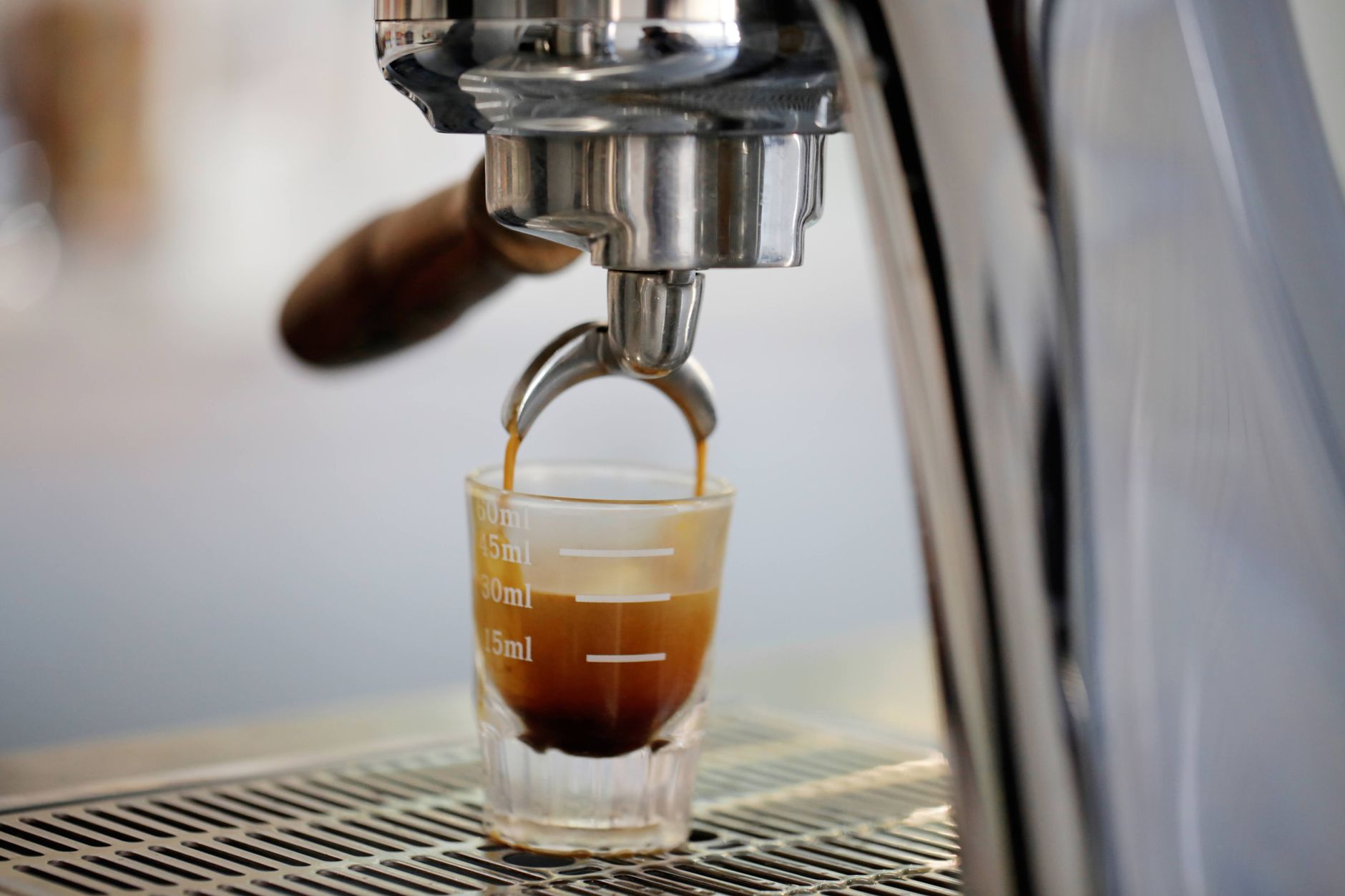
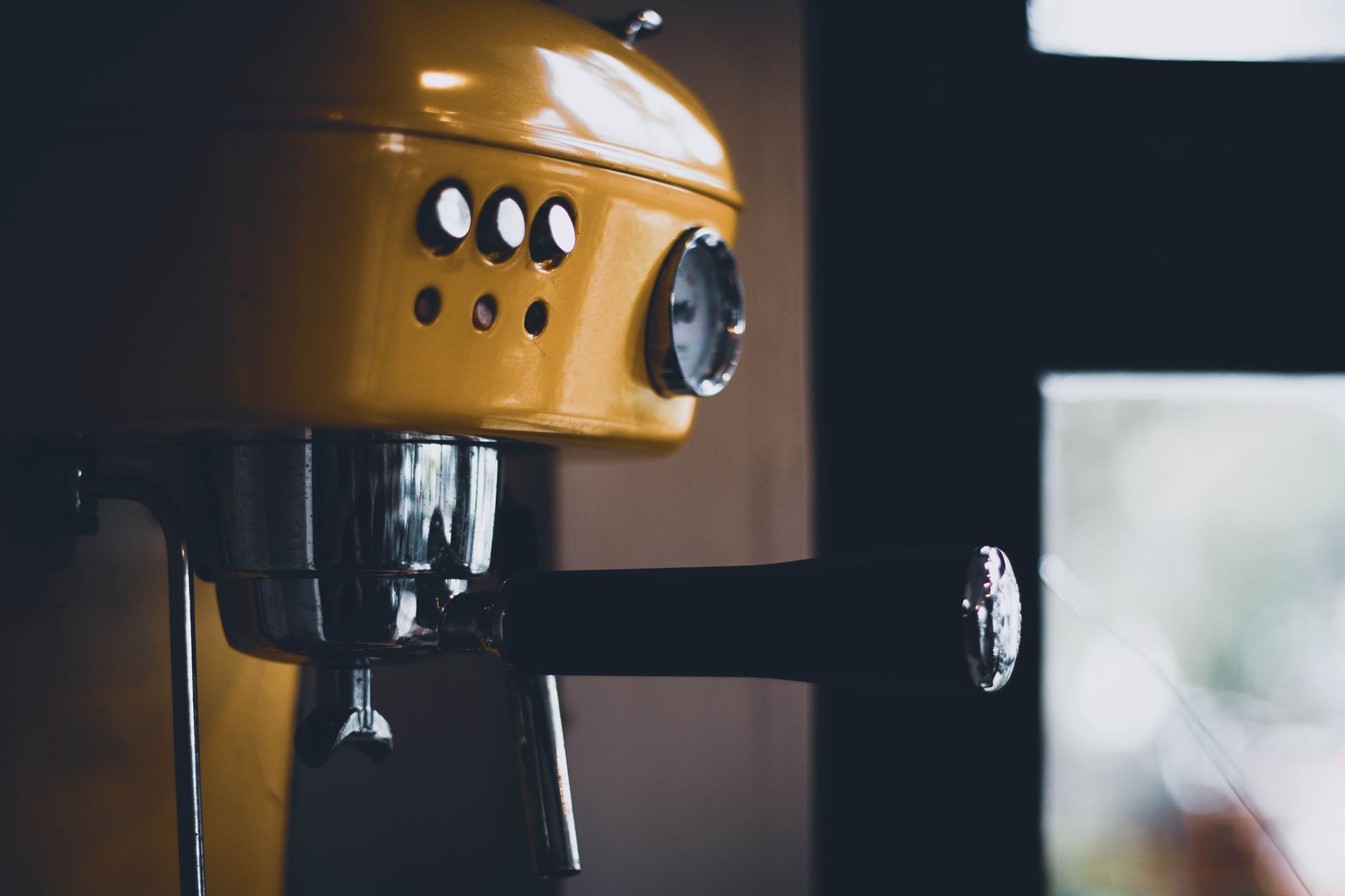 Photo: O’NEIL GONZALES via Pexels
Does a PID Make a Noticeable Difference?
Yes — but only if your grinder, technique, and coffee are already decent. A PID eliminates temperature as a variable. If your shots are still inconsistent after adding PID, look at grind consistency, dose, and distribution first.
The honest answer for beginners: a PID matters more at the margins. If you’re pulling one or two shots a day and surfing the temperature curve on a pressurestat machine anyway, the improvement is real but not transformative. For back-to-back shots, milk-based drinks requiring consistent steaming temp, and anyone dialing in single-origin espresso, a PID is genuinely game-changing.
→ See Also
- The Complete Guide to Espresso Machines (2026)
- Best Espresso Machine Under $200 (2026)
- Best Espresso Machine Under $500 (2026)
FAQ
What does PID stand for on an espresso machine? PID stands for Proportional-Integral-Derivative — the three mathematical terms describing how the controller calculates heating corrections. In practice, it just means precise, stable temperature control. You don’t need to understand the math to benefit from it.
Is a PID worth it on a home espresso machine? Yes, if you’re spending over $400 on a machine. Temperature stability directly affects extraction consistency, and a PID is the only way to guarantee your boiler holds within 1°C of your target. Below $400, focus budget on a better grinder first.
How do I set the PID temperature on my espresso machine? Most machines with user-facing PIDs have a dedicated button sequence or display interface — consult your manual since the method varies by brand. Common targets are 93–94°C for light roasts and 90–92°C for darker roasts. Start at 93°C and adjust in 1°C increments based on taste.
Can a PID controller be added to any espresso machine? Not every machine, but many single-boiler machines with accessible wiring are viable candidates. The Gaggia Classic and Rancilio Silvia are the most well-documented. Machines with sealed electronics or integrated thermoblock systems are generally not retrofittable without voiding the warranty and significant engineering effort.
Does a PID affect steam pressure or milk frothing? On single-boiler machines, yes — lowering brew temp to 90°C for espresso means you need a short temperature surf back up to ~125°C for steam. Dual-boiler and heat-exchanger machines manage brew and steam temperatures independently, so the PID controls each circuit separately without compromise.
Editorial methodology: Assessments are based on manufacturer specifications, published user reviews, and editorial research. Physical hands-on testing is noted explicitly where it occurred. Rankings reflect our editorial judgment and are not influenced by affiliate commission rates. Full editorial policy · Affiliate disclosure