Contents
Cold Brew in a Mason Jar: The Cheapest DIY Method
TL;DR: Making cold brew in a mason jar is the simplest, cheapest method — coarse-ground coffee, cold water, 12–24 hours in the fridge, then strain through a coffee filter. You need zero special equipment. A 32 oz jar makes about 2 cups of concentrate.
What You Need to Make Cold Brew in a Mason Jar
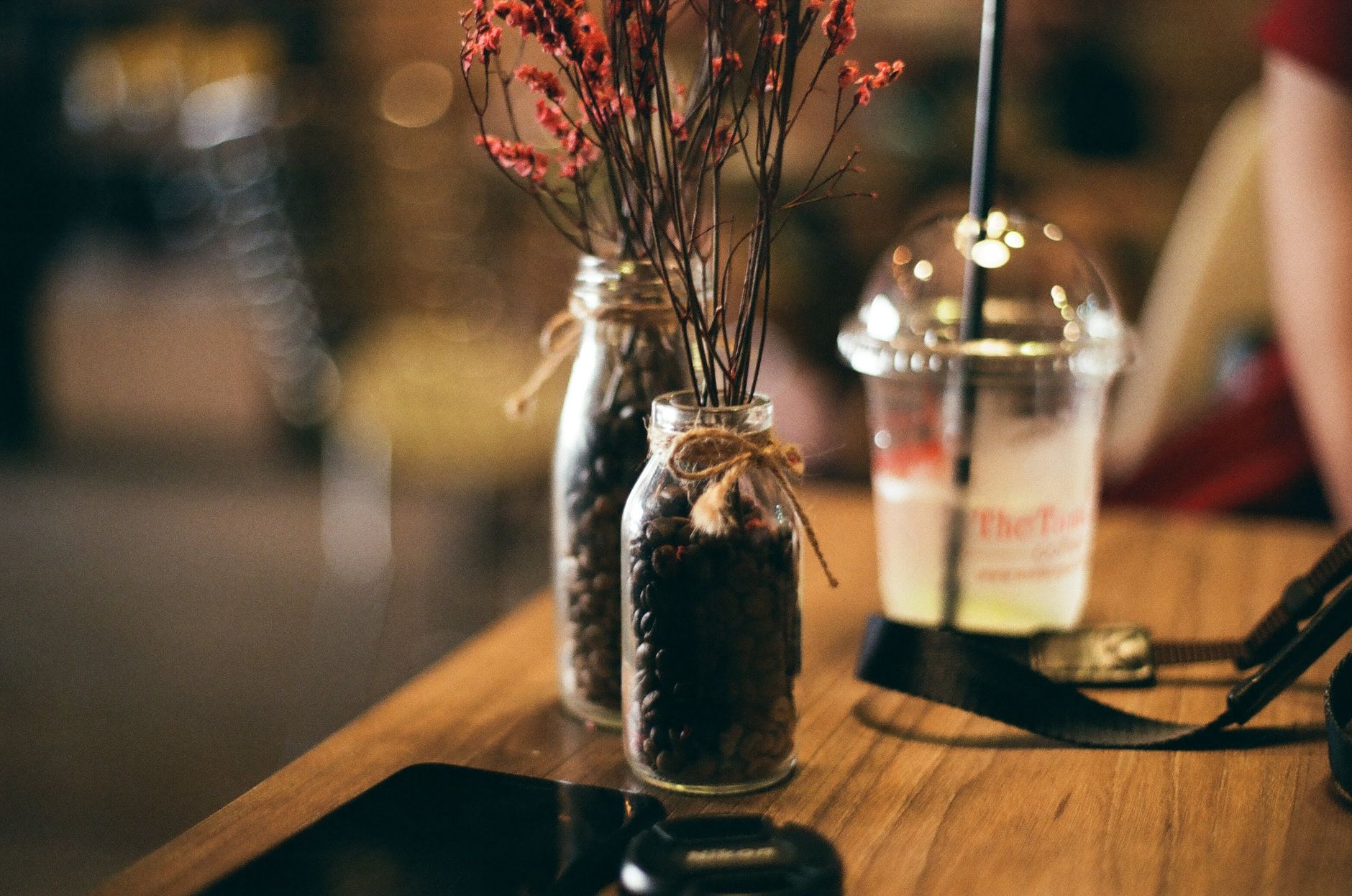
You need a mason jar, coarse-ground coffee, cold water, and something to strain with. That’s the entire equipment list. A wide-mouth quart jar is ideal — easier to stir and clean — but any glass jar with a lid works.
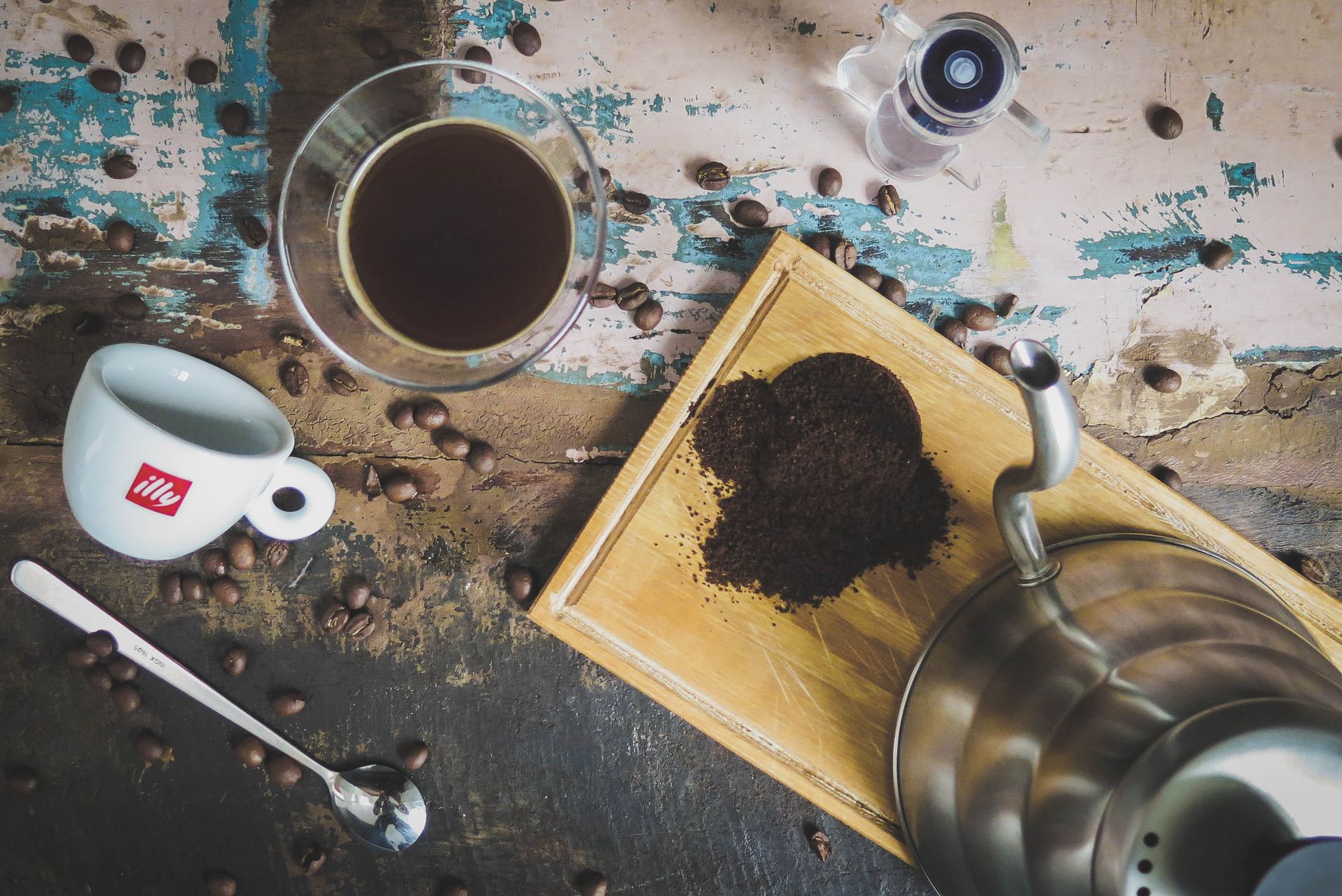 Photo: David Bares via Pexels
| Item | Minimum | Better |
|---|---|---|
| Jar | Any glass jar | 32 oz wide-mouth Mason jar |
| Coffee | Pre-ground (coarse) | Freshly ground on a burr grinder |
| Filter | Paper coffee filter | Cheesecloth + paper filter |
| Water | Tap (cold or room temp) | Filtered, cold |
The Mason jar is the right call here — a 32 oz wide-mouth holds a full batch, the lid seals for fridge storage, and they cost almost nothing.
The Cold Brew Mason Jar Ratio
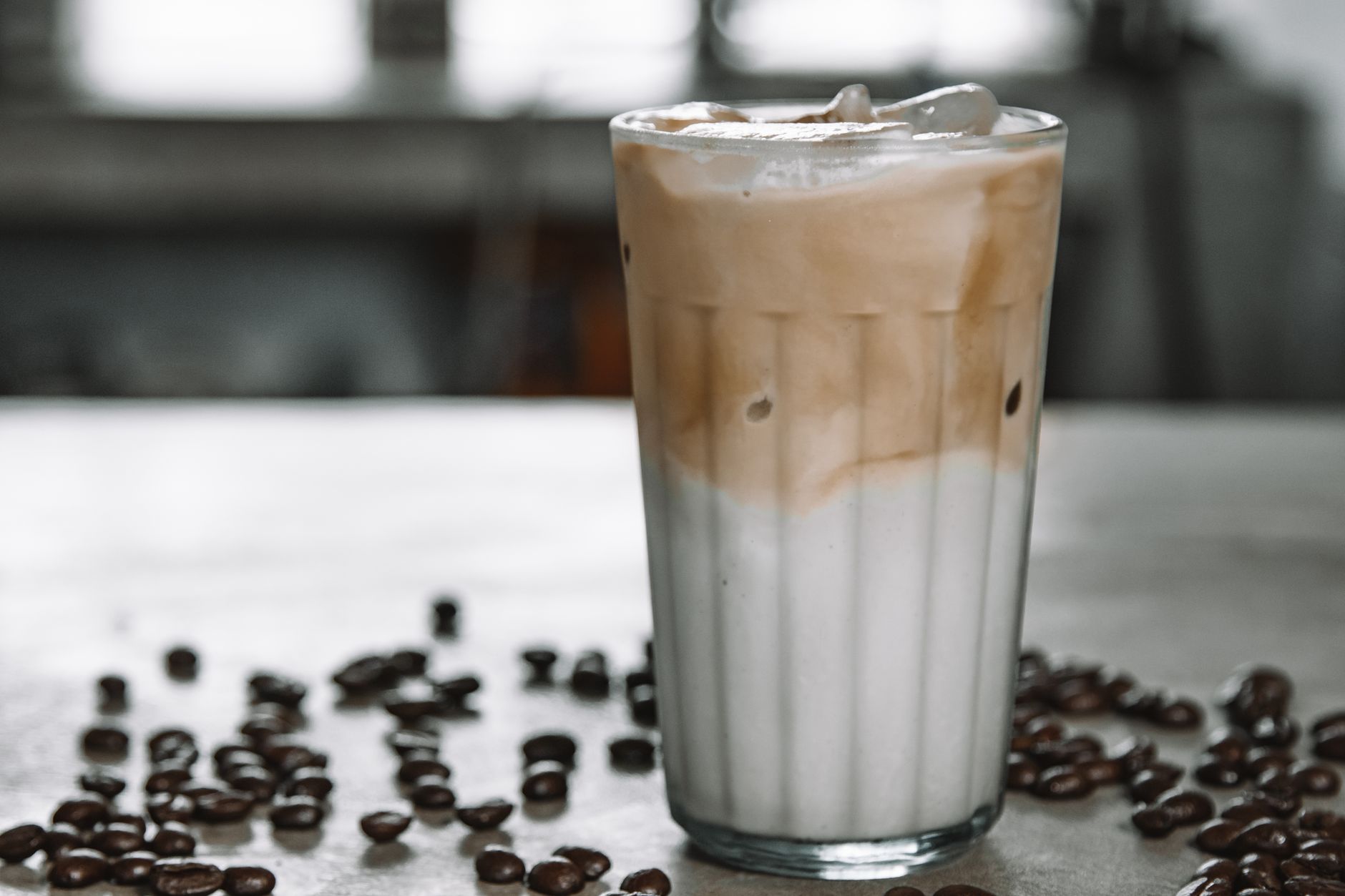
Use a 1:4 ratio by weight for concentrate: 1 gram of coffee per 4 grams of water. In volume terms, that’s roughly ¼ cup of ground coffee per 1 cup of cold water. For a 32 oz jar, use 1 cup (80–85g) coffee to 3 cups water.
 Photo: Maria Orlova via Pexels
If you don’t have a scale, use the volume shortcut. It’s slightly less accurate, but close enough for home brewing. Adjust after your first batch — prefer it stronger, go 1:3; lighter, go 1:5.
See also: Cold Brew Coffee Ratio Calculator for dialing in exact weights per jar size.
Grind Size Matters More Than You Think
Use a coarse grind — similar to coarse sea salt or French press grind. Fine grounds slip through filters, make the brew muddy, and extract bitter compounds faster than cold water can flush them away.
A blade grinder produces inconsistent particle sizes that lead to both under- and over-extraction in the same batch. If you’re grinding at home, a burr grinder set to its coarsest setting is worth the upgrade. For now, ask your local roaster to grind it coarse for cold brew.
Step-by-Step: Cold Brew in a Mason Jar
Add coffee, add water, stir, wait, strain. Five steps, no heat, no timing beyond the steep window.
 Photo: Min An via Pexels
- Add coffee — Measure your grounds into the jar.
- Add cold water — Pour slowly, making sure all grounds are saturated. Stir gently.
- Seal and steep — Lid on. Into the fridge (or on the counter if steeping for 12 hours max at room temp).
- Steep time — 12–16 hours for a balanced brew; 18–24 hours for a stronger concentrate. Don’t go past 24 hours — diminishing returns and off-flavors.
- Strain — Set a paper coffee filter inside a fine-mesh strainer over a second jar or pitcher. Pour slowly. If it drips fast and the brew looks murky, add a second filter layer.
The finished concentrate keeps for up to 2 weeks sealed in the fridge. Dilute 1:1 with water or milk to serve.
Straining Without Special Equipment
A paper coffee filter set inside a regular kitchen strainer does the job. For cleaner results, strain twice — once through a metal strainer to catch the bulk of the grounds, then through a paper filter for clarity.
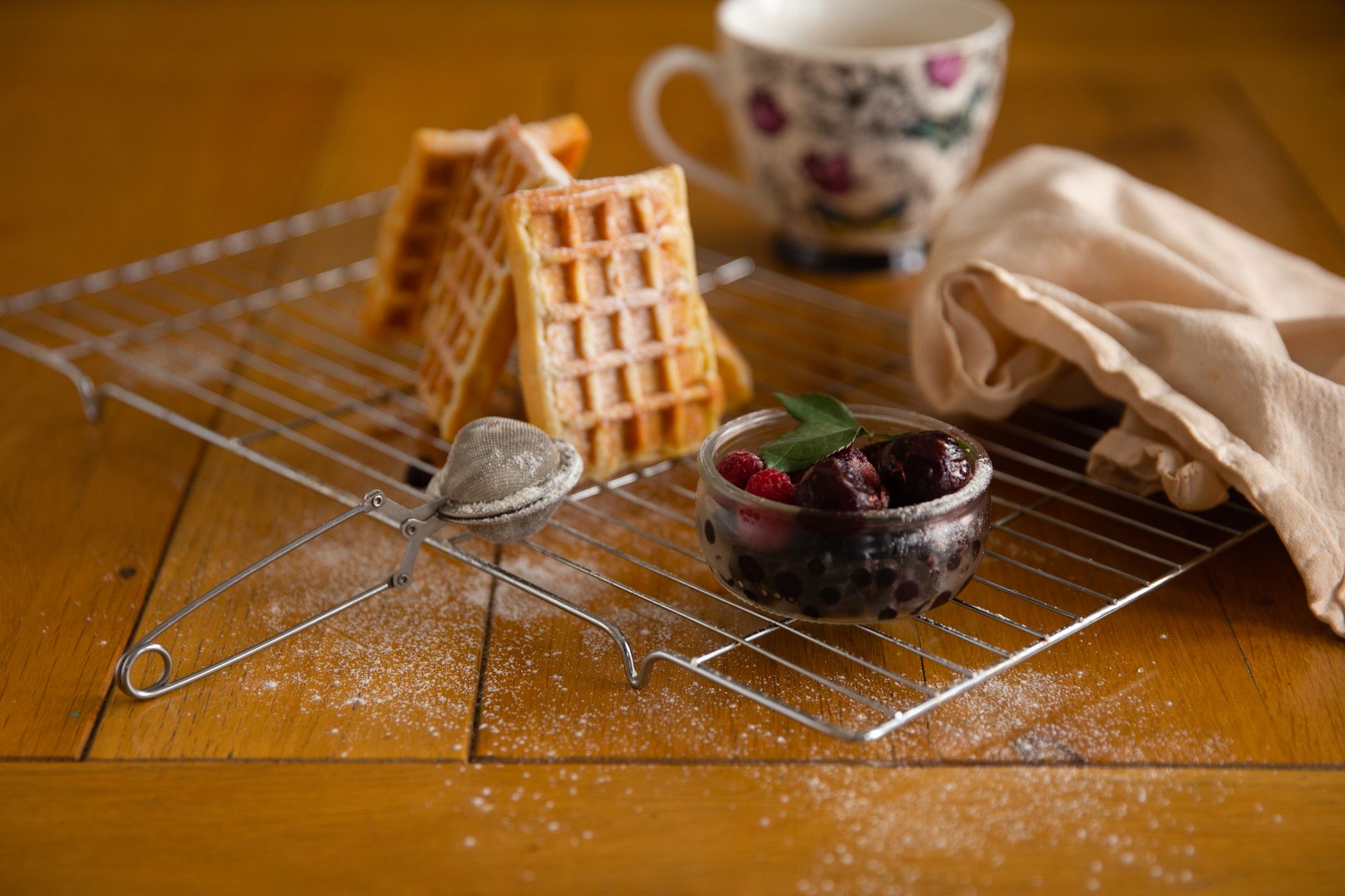 Photo: Amanda Hemphill via Pexels
Cheesecloth works, but it lets through more fine sediment than paper. A nut milk bag is a popular upgrade and reusable. None of these cost more than a few dollars.
What doesn’t work: a cloth dish towel (too slow, absorbs the coffee), or trying to pour directly through the jar lid (the grounds will pour right through most standard Mason jar inserts).
Troubleshooting Common Problems
| Problem | Likely Cause | Fix |
|---|---|---|
| Bitter, harsh flavor | Steep too long or grind too fine | Cut to 14 hours, coarser grind |
| Weak, watery | Steep too short or ratio off | 1:4 ratio, steep to 16 hours |
| Gritty texture | Filter not fine enough | Double-filter with paper |
| Sour, acidic | Under-steeped | Add 2–4 hours |
| Muddy appearance | Grounds disturbed during strain | Pour slowly, don’t squeeze filter |
→ See Also
- Cold Brew Coffee: The Complete Guide (Ratio, Method, Storage)
- Cold Brew Coffee Ratio Calculator
- How to Make Cold Brew Coffee at Home
FAQ
Can I make cold brew in a regular mason jar, not a wide-mouth? Yes. A standard-mouth jar works fine for steeping. The wide-mouth version is just easier to fill, stir, and clean — particularly when getting the last of the grounds out. Either type produces the same brew.
How long should I steep cold brew in a mason jar? 12–16 hours in the fridge is the sweet spot for most coffee. Room-temperature steeping is faster — 8–12 hours — but the fridge is more forgiving and produces a cleaner, less astringent result. Never steep longer than 24 hours.
Can I reuse the coffee grounds for a second batch? Technically yes, but the second extraction is noticeably weaker and flatter. Cold water extracts slowly, and a 14-hour steep pulls most of the soluble compounds. A second steep gives you thin, watery output — not worth it.
Do I have to refrigerate cold brew while it steeps? No, but it’s the safer option. Room-temperature steeping works in 8–12 hours but requires more attention — longer than 12 hours at room temp risks bacterial growth and off-flavors. Fridge steeping gives you a longer window and more control.
What coffee roast works best for mason jar cold brew? Medium to medium-dark roasts are the most forgiving. Light roasts can taste sour or under-extracted in cold water unless you steep toward the longer end (18–20 hours). Dark roasts are smooth and low-acid but can go flat quickly after steeping. Start with a medium roast and adjust from there.
How much cold brew does a 32 oz mason jar make? Using a 1:4 concentrate ratio, a 32 oz jar (with 1 cup coffee + 3 cups water) yields about 3 cups of concentrate. Diluted 1:1 before serving, that’s roughly 6 cups of finished cold brew — about 5–6 servings.
Editorial methodology: Assessments are based on manufacturer specifications, published user reviews, and editorial research. Physical hands-on testing is noted explicitly where it occurred. Rankings reflect our editorial judgment and are not influenced by affiliate commission rates. Full editorial policy · Affiliate disclosure