Contents
Cold Brew Coffee: The Complete Guide (Ratio, Method, Storage)
TL;DR: Cold brew coffee is made by steeping coarse-ground coffee in cold or room-temperature water for 12–24 hours, then straining. The standard cold brew coffee guide ratio is 1:8 (coffee to water) for concentrate or 1:15 for ready-to-drink. The result is smooth, low-acid, and shelf-stable for up to two weeks refrigerated.
What Is Cold Brew Coffee?
Cold brew is not iced coffee. Iced coffee is hot-brewed coffee poured over ice — diluted, acidic, and stale within hours. Cold brew steeps ground coffee in cold water over many hours, extracting a fundamentally different flavor profile: low acidity, natural sweetness, and a syrupy body that doesn’t turn bitter as it cools.
The chemistry is simple: heat accelerates extraction of acids and bitter compounds. Remove heat, extend time, and you extract the same caffeine and sweetness while leaving most of those harsh compounds behind.
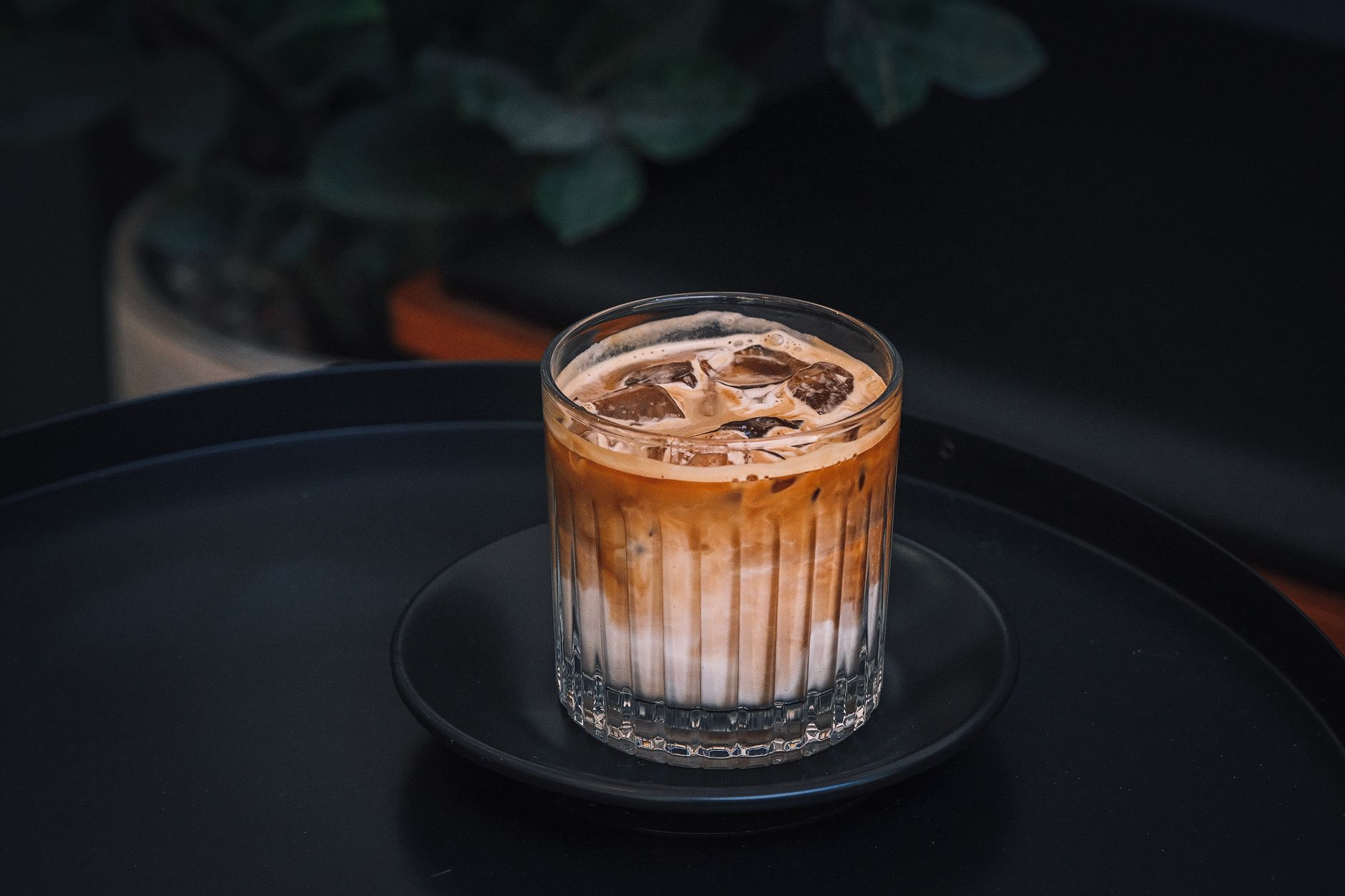
 Photo: Pascal 📷 via Pexels
Cold brew originated in Japan (Kyoto-style drip) centuries before American coffee shops adopted it. Today it’s one of the fastest-growing coffee formats — and one of the easiest to make at home for a fraction of café prices.
The Cold Brew Coffee Ratio: How to Get It Right
The standard cold brew ratio is 1:8 by weight for concentrate and 1:15 for ready-to-drink. Weight beats volume every time — coffee grounds vary wildly in density depending on grind size and roast. A kitchen scale removes the guesswork entirely.
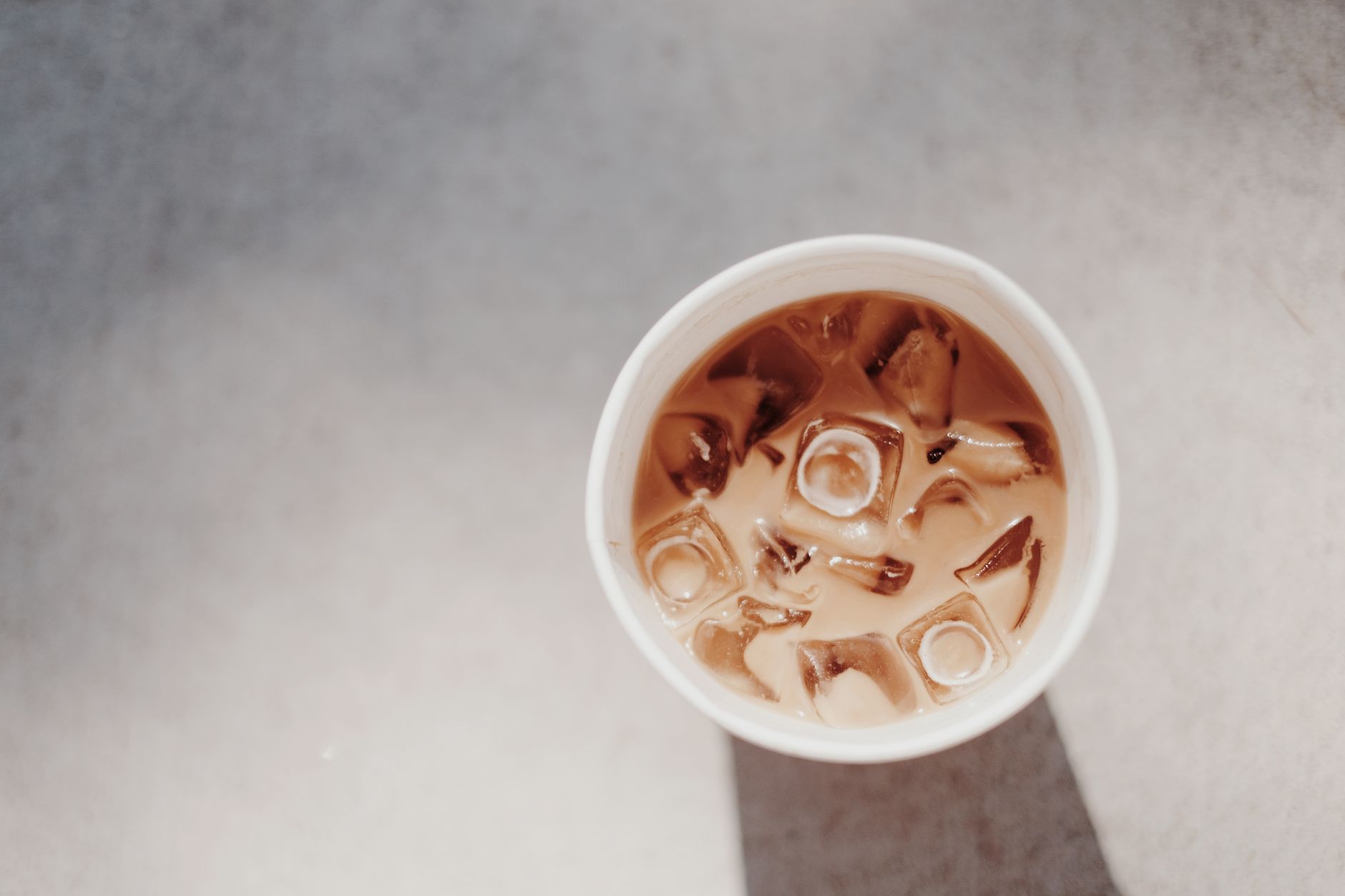
 Photo: 이현 김 via Pexels
Concentrate vs. Ready-to-Drink
| Format | Coffee : Water (by weight) | How to Serve |
|---|---|---|
| Strong concentrate | 1:4 | Dilute 1:1 with water or milk |
| Standard concentrate | 1:8 | Dilute 1:1 to 1:2 |
| Ready-to-drink | 1:15 | Serve directly over ice |
Most home brewers use concentrate — it’s more efficient to store and you control the final strength at pour time.
In Practical Numbers
For a 32 oz (1 liter) batch of concentrate:
- 125 g coffee + 1000 g (1 liter) water
For a 32 oz batch ready-to-drink:
- 65 g coffee + 1000 g water
→ Use the Cold Brew Coffee Ratio Calculator to dial in any batch size.
Why Weight Over Volume?
A cup of coarsely ground coffee can weigh anywhere from 60 g to 100 g depending on how settled the grounds are. If you measure by volume, you’re guessing. Measure by weight once, repeat perfectly every time.
Choosing Your Coffee for Cold Brew
Any coffee works for cold brew, but medium and dark roasts shine. Their lower acidity and chocolatey, caramel notes translate cleanly through cold extraction. Light roasts can produce a complex, fruit-forward cup — but require longer steep times and a slightly finer grind to extract fully.
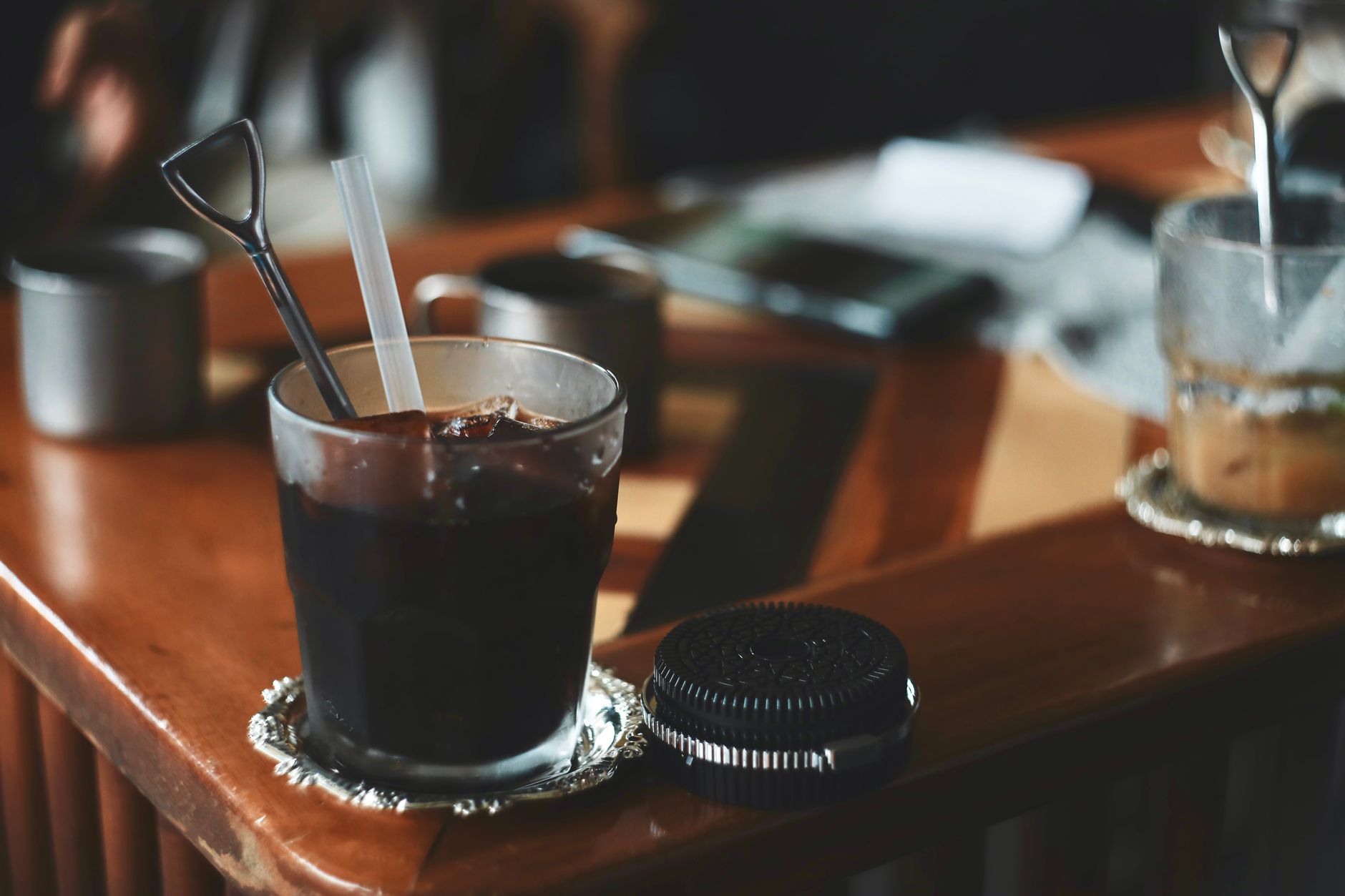
 Photo: Jacob Yavin via Pexels
Roast Level Guide
| Roast | Cold Brew Result | Steep Time |
|---|---|---|
| Light | Fruity, tea-like, delicate | 18–24 hours |
| Medium | Balanced, chocolatey, round | 14–18 hours |
| Dark | Bold, low-acid, cocoa/caramel | 12–16 hours |
Origin Notes That Hold Up Cold
- Brazil / Colombia: Chocolate, nuts, mild sweetness — classic cold brew base
- Ethiopia / Kenya: Bright berry notes, floral complexity — works well as RTD
- Sumatra / Guatemala: Earthy, full-bodied — excellent for cocktail applications
Pre-ground vs. Whole Bean
Buy whole bean and grind immediately before steeping. Pre-ground coffee, even in an airtight bag, has already lost a significant portion of its aromatics. Cold extraction is slow — you want every volatile compound available at steep time.
The Grind: Coarse, Consistent, Non-Negotiable
Use a coarse grind — roughly the texture of raw sugar or coarse sea salt. A consistent grind is more important than any other variable in cold brew. Fine grinds over-extract and produce bitter, muddy cold brew that’s difficult to filter.
 Photo: Chevanon Photography via Pexels
Why Coarse?
- Surface area: Finer grinds have more surface area, extracting faster — in cold brew, that means over-extraction during a long steep
- Filtration: Fine particles clog paper filters and slip through metal mesh, resulting in gritty coffee
- Clarity: Coarse grinds produce cleaner, clearer cold brew
Burr vs. Blade Grinder
| Grinder Type | Cold Brew Suitability | Notes |
|---|---|---|
| Burr grinder (flat or conical) | Excellent | Consistent particle size, repeatable |
| Blade grinder | Poor | Uneven — some dust, some boulders |
A burr grinder is the single biggest quality upgrade you can make to your cold brew. The Baratza Encore
How to Make Cold Brew Coffee: Step-by-Step
Cold brew requires no special equipment — a mason jar, a fine-mesh strainer, and a coffee filter cover 95% of use cases. Immersion brewing (grounds submerged in water) is the home standard. Slow-drip Kyoto towers are beautiful but add no practical quality for most brewers.
Equipment Options
| Method | Equipment Needed | Output Quality |
|---|---|---|
| Mason jar immersion | Jar + mesh strainer + paper filter | Excellent |
| French press | French press | Very good (some sediment) |
| Dedicated cold brew maker | OXO Cold Brew Coffee Maker or Toddy | Excellent, built-in filtration |
The Standard Immersion Method
What you need: A 32 oz or larger mason jar, kitchen scale, coarse-ground coffee, filtered water, fine-mesh strainer, paper filter or cheesecloth.
Steps:
- Grind 125 g coffee to coarse — similar to raw sugar
- Add grounds to your mason jar
- Pour 1000 g cold or room-temperature filtered water over grounds
- Stir briefly to ensure all grounds are saturated
- Cover (lid, plastic wrap, or a plate) — keeps out fridge odors
- Steep 14–18 hours in the refrigerator (or 12–14 hours at room temperature)
- Strain through a fine-mesh strainer lined with a paper filter or cheesecloth into a clean jar
- Press gently — do not squeeze the grounds, which pushes bitter compounds through
- Store sealed in the refrigerator
Total hands-on time: Under 10 minutes.
→ For a full walkthrough with variations, see How to Make Cold Brew Coffee at Home.
Steep Time Troubleshooting
| Problem | Likely Cause | Fix |
|---|---|---|
| Watery, weak flavor | Too short, too coarse, or too little coffee | Extend steep time or increase ratio |
| Bitter, harsh | Too long, too fine, or room temp too warm | Shorten steep or move to fridge |
| Gritty texture | Grind too fine or filter failure | Coarsen grind, use paper filter |
| Muddy/cloudy | Fine particles passing through | Double-filter through paper |
Cold Brew Coffee Steep Time: The Full Breakdown
Steep for 14–18 hours in the refrigerator as your default. Room-temperature steeping runs faster (12–14 hours) but increases the risk of over-extraction and microbial activity. Steeping beyond 24 hours rarely improves anything — it typically degrades the cup.
Temperature vs. Time
| Steep Location | Temperature | Ideal Time Range |
|---|---|---|
| Refrigerator | ~38°F / 3°C | 14–24 hours |
| Room temperature | ~68°F / 20°C | 10–14 hours |
| Room temp (hot climate) | 75–85°F / 24–30°C | 8–12 hours |
Room-temperature cold brew extracts faster because molecular activity increases with heat — even a modest 65°F room is dramatically warmer than a 38°F fridge. The tradeoff: less margin for error and a slightly higher risk with older or low-quality beans.
The 12-Hour Cold Brew Myth
Many recipes recommend 12 hours. That works for dark roasts in a warm kitchen, but it consistently under-extracts medium and light roasts in the fridge. If your cold brew tastes thin or sour, steep longer before adjusting your ratio.
Filtering Cold Brew: Getting It Clear
Fine, clear cold brew requires two-stage filtration. First pass through a fine-mesh strainer to remove the bulk of the grounds, then pass again through a paper pour-over filter, cheesecloth, or a nut milk bag.
Do not rush the second filtration. Let gravity do the work. Pressing or squeezing forces fine particles and bitter oils through the filter, clouding the result and adding harshness.
Paper vs. Cloth vs. Metal:
| Filter Type | Clarity | Body | Notes |
|---|---|---|---|
| Paper (chemex/pour-over) | Excellent | Light, clean | Best for clarity, removes oils |
| Cloth / nut milk bag | Very good | Medium, silky | Reusable, slight haze acceptable |
| Metal mesh only | Fair | Full, heavy | Sediment present — some prefer it |
For a clean refrigerator-ready concentrate, paper filtration is worth the extra five minutes.
Cold Brew Coffee Storage: How Long Does It Last?
Properly filtered cold brew concentrate keeps for up to 14 days in a sealed container in the refrigerator. Ready-to-drink cold brew (diluted to 1:15) degrades faster — drink within 7–10 days. Freezing is viable for long-term storage and doesn’t meaningfully degrade flavor.
 Photo: Archie Binamira via Pexels
Storage Rules
- Container: Airtight glass or BPA-free plastic — mason jars, swing-top bottles, or purpose-built pitchers
- Seal: Oxygen accelerates staling; minimize headspace in the container
- Temperature: Keep below 40°F / 4°C consistently
- Light: Dark or opaque container preferred; avoid leaving in a bright door shelf
Signs Your Cold Brew Has Turned
- Sour or vinegary smell (not just bright acidity — full sour)
- Visible mold (uncommon in filtered cold brew, more common if grounds were left in)
- Off or musty flavor beyond normal oxidation flatness
Cold brew going “stale” is different from cold brew going “bad.” Stale cold brew (after 10–14 days) loses its aromatics and tastes flat — it’s safe but disappointing. Off cold brew smells or tastes actively wrong.
Freezing Cold Brew
Pour concentrate into ice cube trays, freeze, then transfer to a zip-lock bag. Each cube can be dropped directly into a glass — zero dilution as they melt. This also makes excellent coffee cocktail ice.
Serving Cold Brew Coffee
Cold brew concentrate at 1:8 is too strong to drink neat. The standard serve is 1 part concentrate to 1–2 parts water or milk, over ice.
Dilution Guide (Concentrate at 1:8)
| Dilution | Result | Best For |
|---|---|---|
| 1:1 (concentrate:water) | Strong, bold | Morning hit |
| 1:1.5 | Balanced | Standard daily drink |
| 1:2 | Lighter, smooth | Afternoon, hot-weather sipping |
| 1:1 with oat milk | Creamy, sweet | Non-dairy alternative |
| Neat, no dilution | Espresso-like intensity | Cocktails, desserts |
Cold Brew Variations
Cold Brew Tonic: 1 part concentrate over ice, topped with quality tonic water. The bitterness of tonic amplifies coffee’s natural sweetness — a surprisingly sophisticated drink.
Cold Brew Lemonade: 1 part concentrate, 1 part fresh lemonade. Bright, fruity, polarizing but worth trying once with an Ethiopian bean.
Nitro Cold Brew: Cold brew charged with nitrogen gas via a whipped cream dispenser. Creates a thick, creamy head and a silkier mouthfeel without added dairy. Requires an iSi Gourmet Whip or a dedicated nitro tap.
Cold Brew Espresso Martini: 30ml vodka, 30ml coffee liqueur, 60ml cold brew concentrate, shaken with ice. Better than any espresso-based version — the low acidity lets the coffee flavor dominate the cocktail.
Cold Brew vs. Other Brewing Methods
Cold Brew vs. Iced Coffee
| Cold Brew | Iced Coffee | |
|---|---|---|
| Brew method | Cold steep, 12–24h | Hot brewed, poured over ice |
| Acidity | Low | High (same as hot coffee) |
| Bitterness | Low | Moderate to high |
| Caffeine | Higher (longer contact time) | Similar to hot brew |
| Freshness window | 2 weeks (cold) | Hours |
| Effort | 10 min hands-on | 5 min |
Cold Brew vs. Flash-Brewed (Japanese Iced Coffee)
Flash-brewed coffee — brewed hot directly onto ice — is the true alternative to cold brew. It’s faster (4–5 minutes), captures bright aromatics that cold extraction can’t, and is better suited to light roasts and single-origin coffees where acidity and clarity are the point.
Cold brew wins on: convenience, batch size, shelf life, low acidity. Flash brew wins on: brightness, aromatic complexity, speed.
Neither is objectively better — they suit different palates and beans.
Caffeine in Cold Brew Coffee
Cold brew typically contains more caffeine per ounce than regular coffee, but the story depends on how it’s served.
A standard concentrate at 1:8 has approximately 200–300 mg caffeine per cup before dilution. Diluted 1:1, that drops to 100–150 mg — comparable to a strong drip coffee.
Factors that increase cold brew caffeine:
- Higher coffee-to-water ratio
- Longer steep time
- Finer grind (more extraction surface)
- Higher-caffeine bean varieties (Robusta blends)
If you’re caffeine-sensitive, cold brew’s strength can be deceptive. The low acidity and smooth taste don’t register as “strong” the way a bitter drip does — but the caffeine is there.
→ See Also
- Cold Brew Coffee Ratio Calculator — Dial in any batch size by weight
- How to Make Cold Brew Coffee at Home — Step-by-step with troubleshooting photos
FAQ
How long should I steep cold brew coffee? Steep for 14–18 hours in the refrigerator, or 12–14 hours at room temperature. Dark roasts can be done at the low end; light roasts benefit from the full time. Steeping beyond 24 hours rarely improves flavor and can introduce harsh, musty notes.
What is the best ratio for cold brew coffee? 1:8 coffee-to-water by weight for concentrate, or 1:15 for ready-to-drink. Weigh your coffee and water rather than measuring by volume — ground density varies enough that volume measurements produce inconsistent results.
Can I use regular ground coffee for cold brew? Yes, but grind it coarse. Pre-ground coffee sold for drip is typically ground too fine for cold brew — it over-extracts and is difficult to filter cleanly. If using store-bought pre-ground as a one-off, expect more sediment and a slightly harsher cup.
Does cold brew have more caffeine than regular coffee? The concentrate does — significantly. Once diluted to ready-to-drink strength (1:15 or concentrate diluted 1:1), caffeine content is roughly comparable to a strong drip coffee at 100–150 mg per 8 oz cup. Don’t drink cold brew concentrate the way you’d drink regular coffee.
Can I make cold brew without a cold brew maker? Absolutely. A large mason jar, a fine-mesh strainer, and a paper coffee filter are all you need. Dedicated cold brew makers add built-in filtration and make the process marginally cleaner — they don’t improve the coffee. The mason jar method produces the same result.
Why does my cold brew taste bitter? The three most common causes: grind too fine, steep time too long, or room temperature too warm during steeping. Start by coarsening your grind — this solves the problem in most cases. If bitterness persists, shorten the steep by 2–3 hours or move to the refrigerator.
Can I cold brew with flavored coffee? Yes, though quality flavored beans vary. Look for beans where the flavoring is applied to specialty-grade coffee, not a commodity base — cheap flavored beans produce a synthetic result. Natural process coffees (fruit-forward without added flavoring) often work better for adding complexity to cold brew.
How do I make cold brew less strong? Add more water at serving time. If you consistently find concentrate too strong at 1:1 dilution, try 1:2 (one part concentrate to two parts water) or brew at a weaker base ratio (1:10 instead of 1:8). The easiest adjustment is always at the glass, not the brewing stage.
JSON-LD Schema
Editorial methodology: Assessments are based on manufacturer specifications, published user reviews, and editorial research. Physical hands-on testing is noted explicitly where it occurred. Rankings reflect our editorial judgment and are not influenced by affiliate commission rates. Full editorial policy · Affiliate disclosure