
Contents
Coffee Certifications Explained: Fair Trade, Organic, Rainforest Alliance
TL;DR: Coffee certifications explained simply: Fair Trade guarantees farmers a minimum price and democratic co-op structure; Organic prohibits synthetic chemicals; Rainforest Alliance focuses on environmental and social sustainability. Each label signals something different, and a bag can carry all three — or none, and still be excellent coffee.
What Do Coffee Certifications Actually Mean?
Direct Answer: A certification is a third-party audit confirming a farm, co-op, or supply chain meets specific standards. The standards differ dramatically — Fair Trade is about price floors and farmer equity, Organic is about what touches the plant, and Rainforest Alliance is about ecosystem and labor practices. Buying certified coffee supports whichever value that label prioritizes.
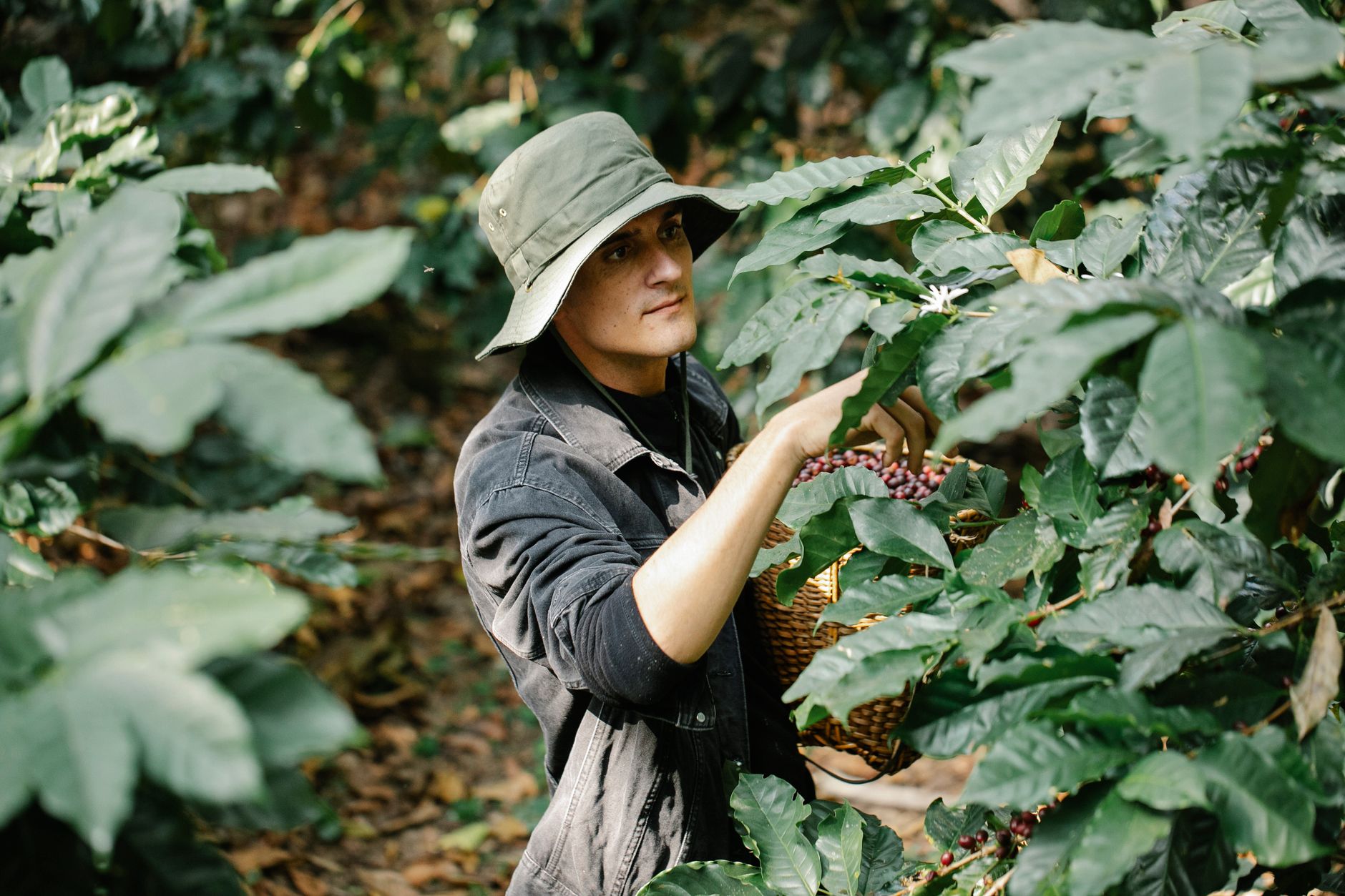 Photo: Michael Burrows via Pexels
The specialty coffee world has a complicated relationship with certifications. Some roasters see them as the floor, not the ceiling. Others avoid them entirely — not because they disagree with the values, but because direct trade relationships they’ve built themselves go further than any third-party standard requires. Neither position is wrong. Understanding what each label actually audits helps you decide what it’s worth to you.
Fair Trade Coffee: Price Floors and Farmer Power
Direct Answer: Fair Trade sets a minimum purchase price ($1.80/lb for washed Arabica as of 2024) plus a social premium ($0.20/lb) that goes to community development. It requires democratic farmer co-ops, prohibits child and forced labor, and promotes environmental standards. The main critique: the minimum price is often below specialty market rates, so it matters most in commodity downturns.
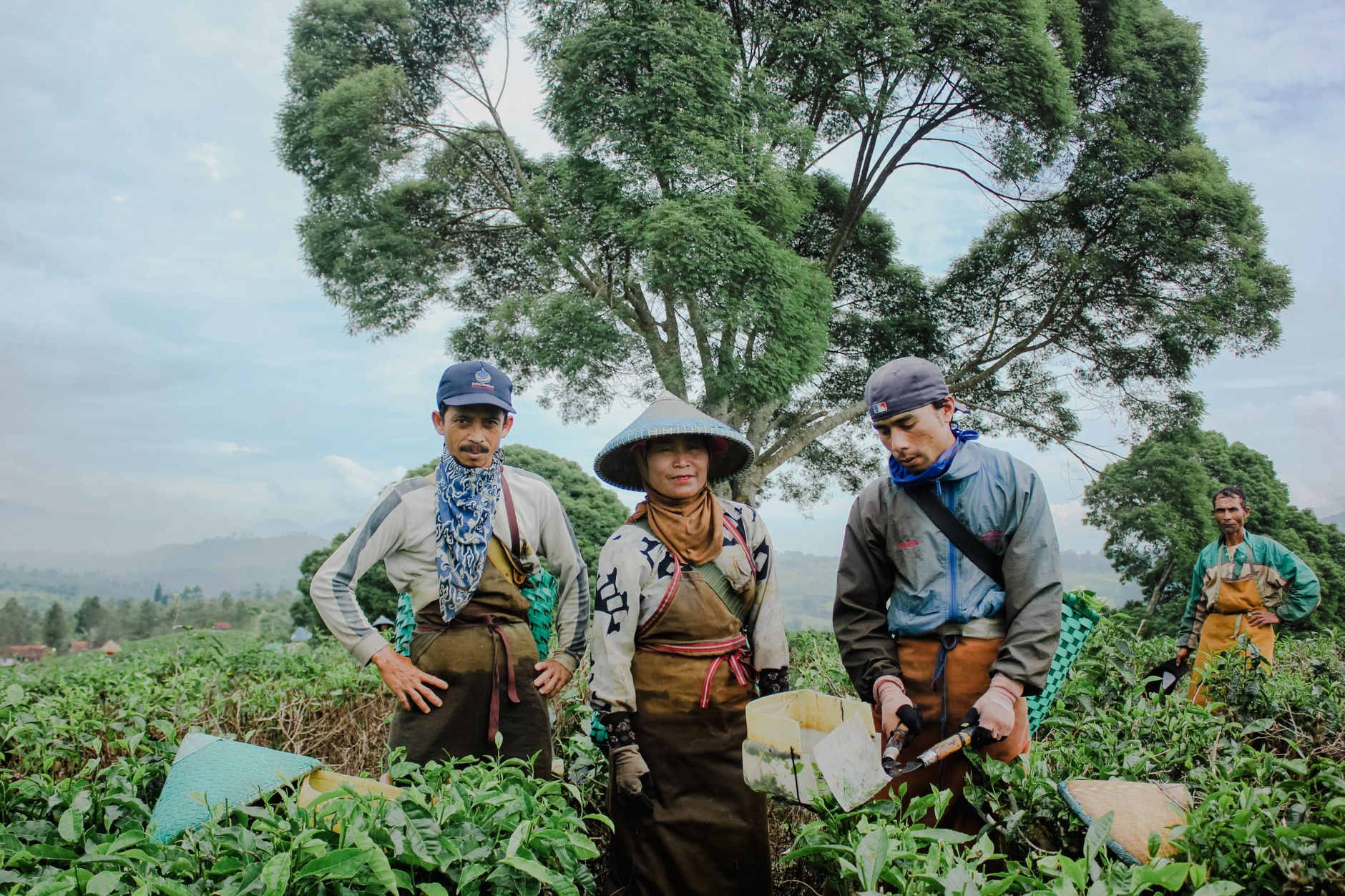 Photo: Raiza Azkaril via Pexels
Who Actually Certifies It?
Two main bodies operate here. Fairtrade International (used in Europe, Australia, most of the world) and Fair Trade USA (broke off in 2011, operates in North America) share principles but differ on key rules — Fair Trade USA allows larger estates and single-farm certification; Fairtrade International requires small-farmer co-ops. When you see “Fair Trade Certified” on a US bag, that’s Fair Trade USA’s mark.
The social premium is the underappreciated part of the model. Co-ops vote democratically on how to spend it — schools, medical clinics, clean water, processing equipment. Over decades, that compounds into real infrastructure in communities that otherwise wouldn’t have it.
The Critique Worth Understanding
The price floor was last meaningfully updated years ago and doesn’t automatically track inflation or local cost-of-living increases. During periods when the C-market (commodity coffee price) trades above the Fair Trade minimum — which happens — the floor provides no benefit at all. The certification also costs money: co-ops pay audit fees, which small ones sometimes struggle to absorb. Some economists argue it’s a transfer from consumers to certification bodies rather than farmers. The honest answer is: it helps most when commodity prices crash, which is exactly when farmers need it.
Organic Coffee Certification
Direct Answer: USDA Organic (or equivalent EU/JAS standards) prohibits synthetic pesticides, herbicides, and fertilizers for three years before certification, with annual audits. It does not guarantee quality, taste, or fair farmer pay — it only certifies what chemicals weren’t used. High-altitude shade-grown coffee is often naturally pest-resistant and could pass organic standards without being certified, simply because certification costs money.
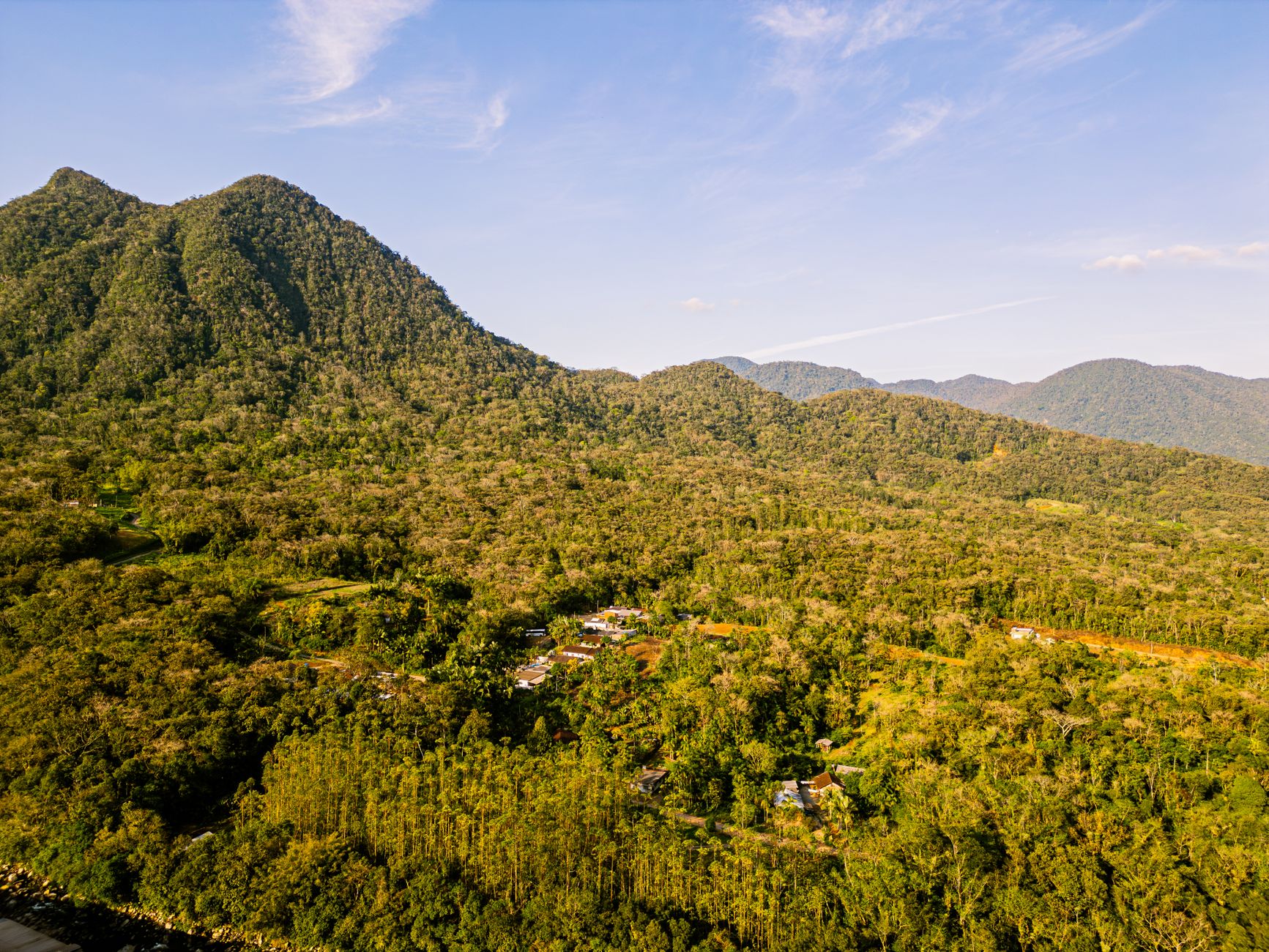 Photo: JUNIOR FOSSILE via Pexels
What the Certification Covers — and Doesn’t
The three-year transition period is significant. Farmers must farm organically for three years before they can sell their coffee as certified organic — without the premium price during that window. That’s a real financial risk, which is one reason small farms sometimes don’t pursue it even when their practices qualify.
Organic certification also doesn’t follow the full supply chain. A coffee can be certified organic at origin but processed or stored in a facility that handles conventional coffee — cross-contamination protocols exist, but the label is about farm inputs, not the entire post-harvest chain.
The taste argument cuts both ways. Some agronomists argue organic-only farms have lower yields and, under certain conditions, produce beans with less consistent development. Others argue that synthetic inputs mask terroir and that organic practices produce cleaner cup profiles. Blind cuppings don’t reliably favor one over the other.
Rainforest Alliance Certification
Direct Answer: Rainforest Alliance (merged with UTZ in 2018) audits farms against a “Sustainable Agriculture Standard” covering biodiversity, ecosystem protection, worker rights, and farm management. It uses a percentage-based model — a bag labeled Rainforest Alliance Certified must contain at least 30% certified coffee, rising to 90% by 2027 for the frog seal. It’s the most ecosystem-focused of the three major certifications.
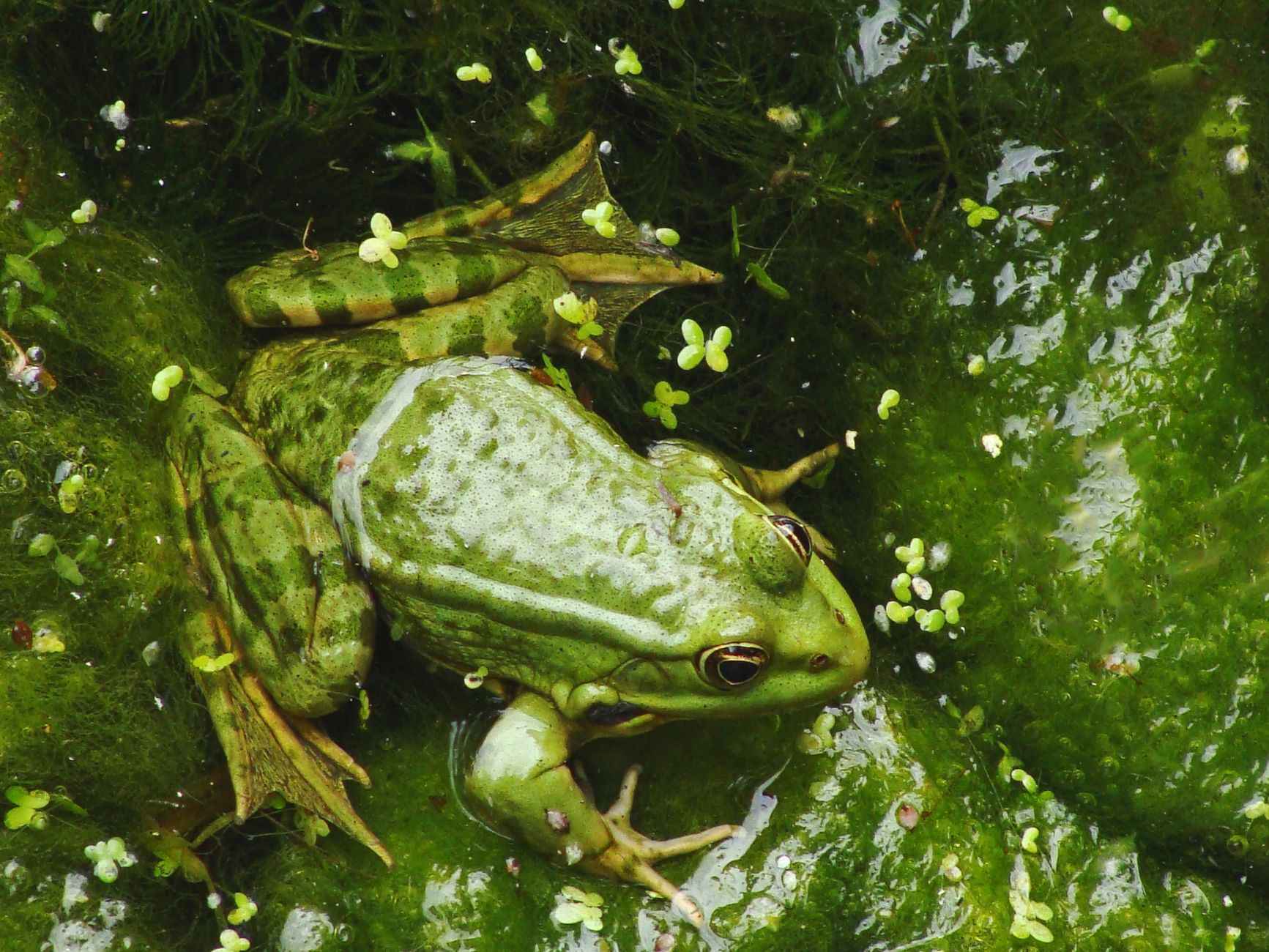 Photo: nastia via Pexels
The Frog and What It Signals
The green frog seal is one of the most recognized marks in grocery retail. After the UTZ merger, Rainforest Alliance restructured its standards into “baseline” and “advanced” tiers, with farms progressing over time. Critics pointed out the 30% threshold as a loophole — technically, most of a “certified” bag could be uncertified coffee. The 90% target by 2027 addresses this but hasn’t landed yet.
Where Rainforest Alliance genuinely shines is biodiversity. Their standards require wildlife-friendly shade canopy, water quality management, and buffer zones near waterways. For farms in critical habitat regions — Central America, Southeast Asia — this has measurable ecological impact.
How the Three Certifications Compare
| Fair Trade | Organic | Rainforest Alliance | |
|---|---|---|---|
| Primary focus | Farmer price & equity | Chemical inputs | Ecosystem & labor |
| Price guarantee | Yes (minimum floor) | No | No |
| Environmental standards | Basic | Core requirement | Core requirement |
| Labor standards | Strong (co-op model) | Not audited | Strong |
| Farm type required | Co-ops (Int’l) / any (USA) | Any | Any |
| Annual audit | Yes | Yes | Yes |
| Certification cost to farmer | Yes | Yes | Yes |
A bag carrying all three marks (triple-certified) exists and is common at large co-ops. It signals compliance with each standard’s requirements — not necessarily exceptional cup quality, but a supply chain that’s been audited from multiple angles.
Direct Trade vs. Certified: The Specialty Alternative
Many specialty roasters bypass third-party certification entirely and use direct trade relationships — paying above market rates, visiting farms annually, and publishing their FOB prices. There’s no governing body for “direct trade,” which means no audit and no accountability beyond the roaster’s word. The best direct trade relationships go further than any certification requires. The worst are marketing language.
Certifications are auditable and comparable across supply chains. Direct trade claims are not. For consumers who can’t visit a farm or trust a roaster’s sourcing story, certifications provide a floor with third-party accountability. For consumers who trust a specific roaster’s track record, direct trade may represent something better.
→ See also:
- The Third Wave Coffee Movement: A Complete Guide
- Best Coffee Cities in the US (2026 Guide)
- New York City Specialty Coffee Guide: 20 Best Cafés
FAQ
Does Fair Trade certification guarantee better-tasting coffee? No. Fair Trade audits price, labor, and co-op structure — not cup quality. A Fair Trade bag can be commodity-grade robusta or exceptional single-origin Yirgacheffe. The certification tells you how the farmer was paid, not how the coffee was grown or processed for flavor.
Is organic coffee actually healthier? The evidence is thin. Residual pesticide levels in brewed coffee are extremely low regardless of farming method — the roasting process destroys most compounds. Organic certification matters more for soil health, farm worker safety, and ecosystem impact than for what ends up in your cup.
Can a small farm get Fair Trade certified without joining a co-op? Under Fairtrade International (the global body), small farmers must belong to a certified co-op. Fair Trade USA, operating in North America, does allow individual estate certification — a policy change that caused the 2011 split between the two organizations, with critics arguing it dilutes the co-op-democracy model.
What does it mean when a bag says “Rainforest Alliance Certified” but the percentage isn’t listed? Under current rules (transitioning through 2027), a bag can carry the mark with as little as 30% certified content. If the percentage matters to you, look for it on the packaging — some roasters print it voluntarily. The closer to 100%, the more the certification reflects the whole bag.
Are coffee certifications worth the price premium to consumers? Depends on your priorities. If you value environmental auditing, Rainforest Alliance adds something. If you value farmer income guarantees, Fair Trade adds something — especially for commodity-market coffee. For specialty-grade single origins from transparent roasters, a certification may be redundant with what the roaster already publishes about their sourcing. Read the roaster’s sourcing notes alongside any label.
Editorial methodology: Assessments are based on manufacturer specifications, published user reviews, and editorial research. Physical hands-on testing is noted explicitly where it occurred. Rankings reflect our editorial judgment and are not influenced by affiliate commission rates. Full editorial policy · Affiliate disclosure