Contents
Coffee and Cholesterol: What You Need to Know
TL;DR: Unfiltered coffee — French press, espresso, Turkish — raises LDL cholesterol because it delivers cafestol and kahweol directly into your cup. Paper-filtered coffee removes most of both compounds and has a negligible effect on cholesterol. If you have elevated LDL, your brew method matters more than how much coffee you drink.
Does Coffee Raise Cholesterol?
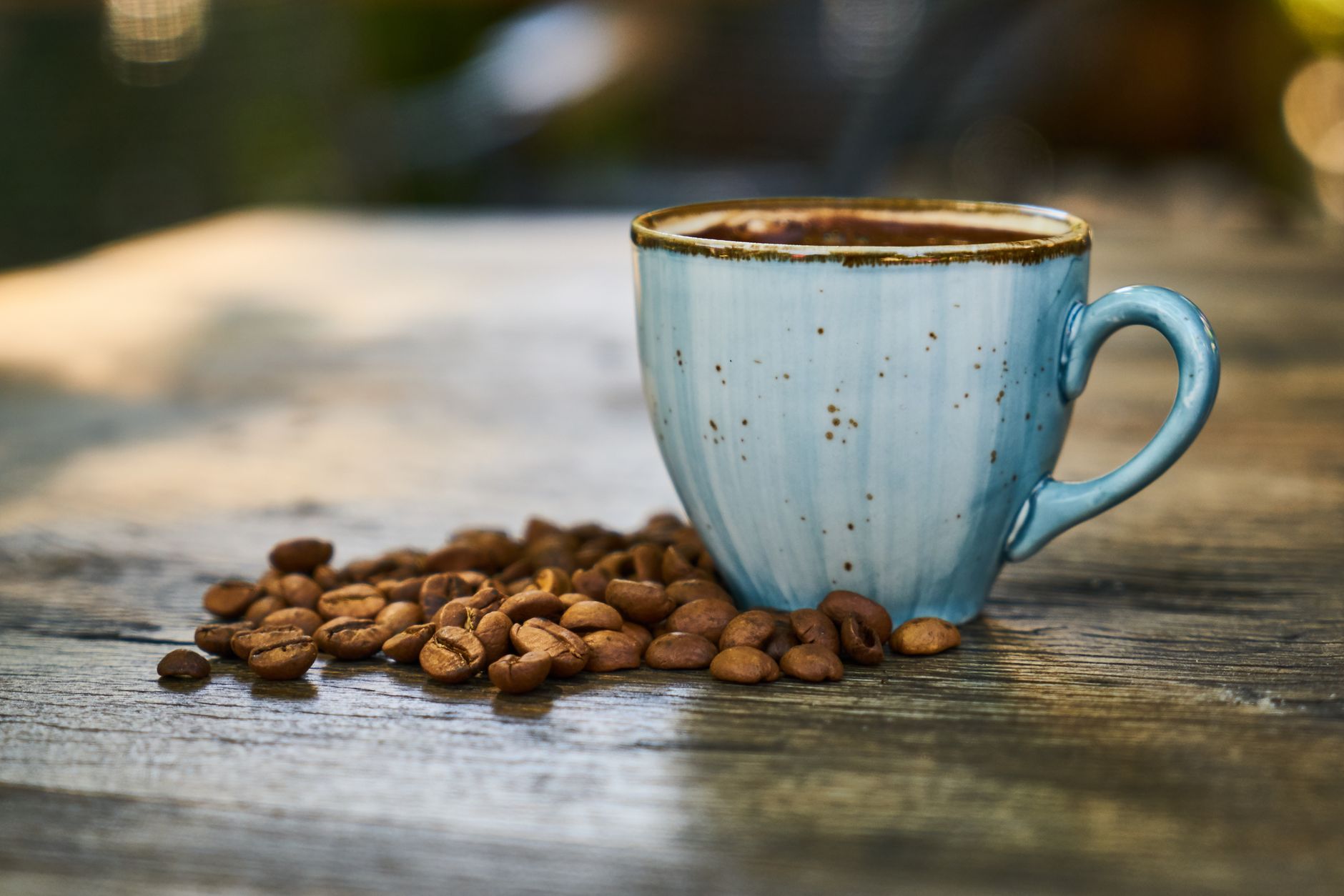
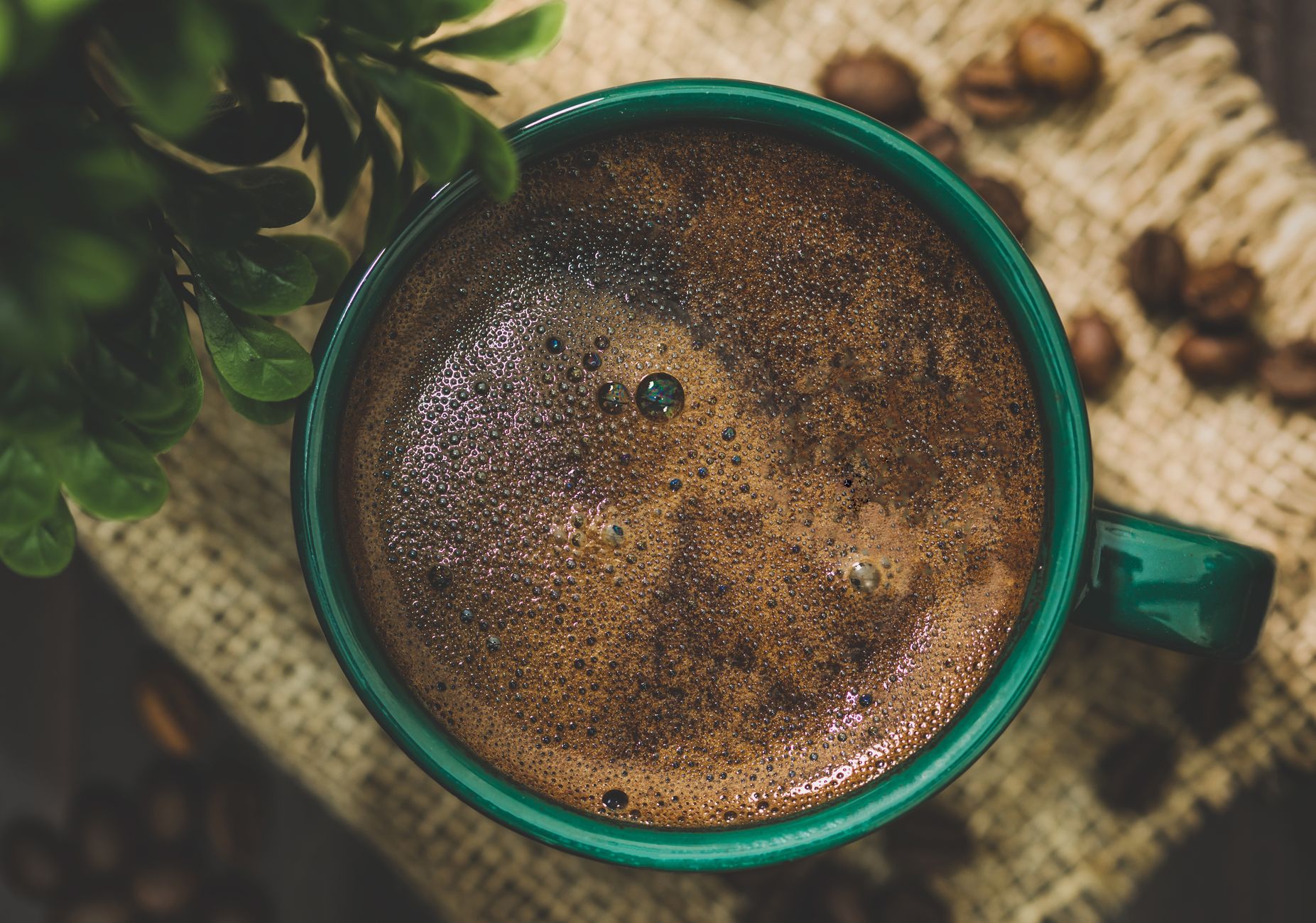
It depends entirely on how you brew it. Unfiltered coffee contains two diterpene compounds — cafestol and kahweol — that suppress a liver receptor responsible for clearing LDL from the blood. Studies show 5+ cups of French press daily can raise LDL by 6–8 mg/dL over weeks. Drip coffee through a paper filter? Negligible effect.
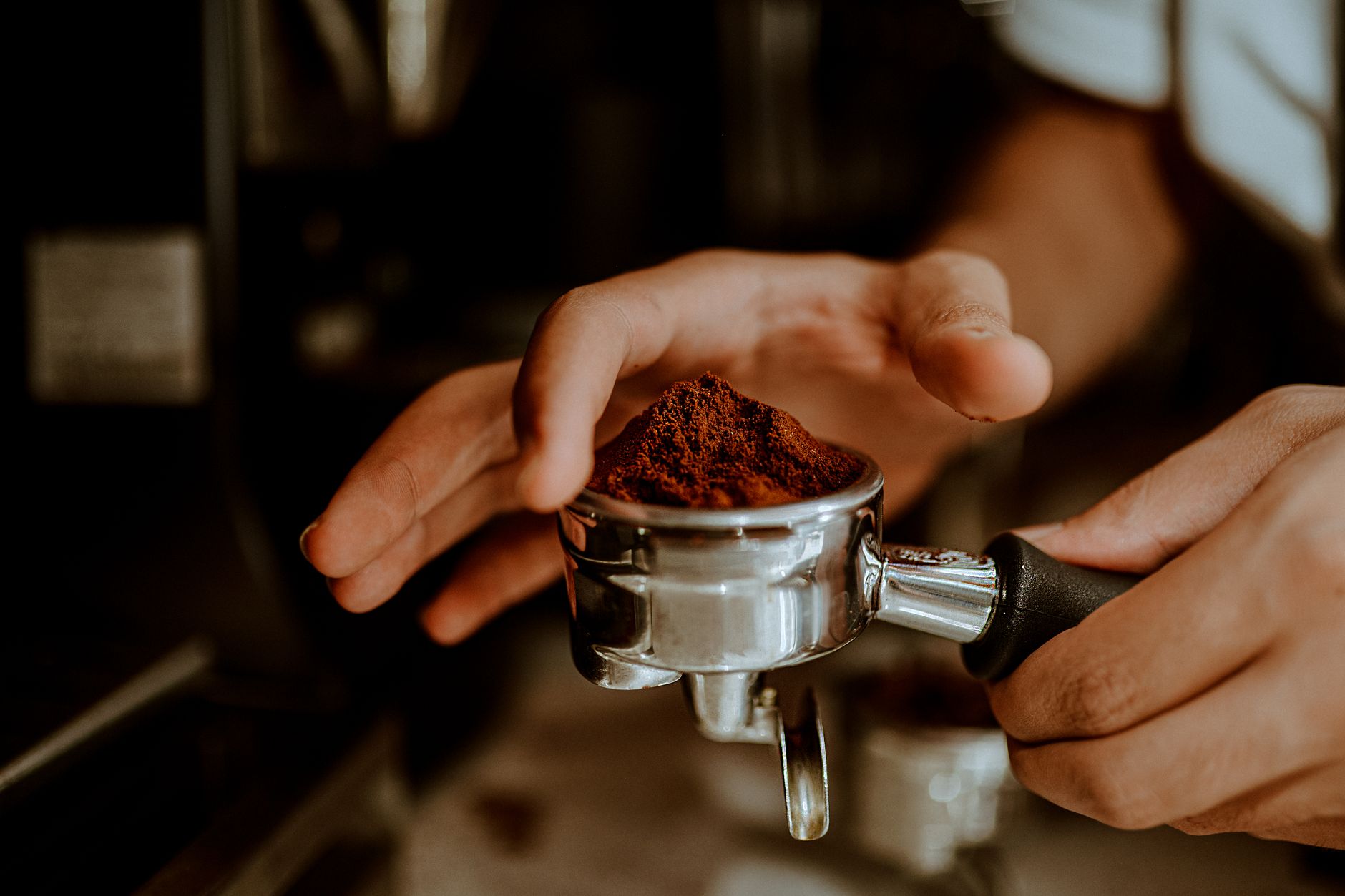 Photo: Kader D. Kahraman via Pexels
Cafestol is the more potent of the two — it’s been called the most cholesterol-elevating substance in the human diet, gram for gram. Kahweol adds a smaller effect and is almost entirely absent in robusta beans (one reason specialty Arabica drinkers are more exposed, ironically).
The mechanism: both diterpenes bind to a nuclear receptor in the intestine that regulates bile acid synthesis. Less bile acid means less LDL clearance. The effect is dose-dependent and fully reversible when you switch brew methods.
Which Brew Methods Raise Cholesterol?
Ranked by cafestol delivery, highest to lowest: boiled/Turkish > French press > espresso > AeroPress (metal filter) > moka pot > paper-filtered drip > pour-over (paper) ≈ zero. The filter — not the caffeine, not the roast — is the variable that controls cholesterol impact.
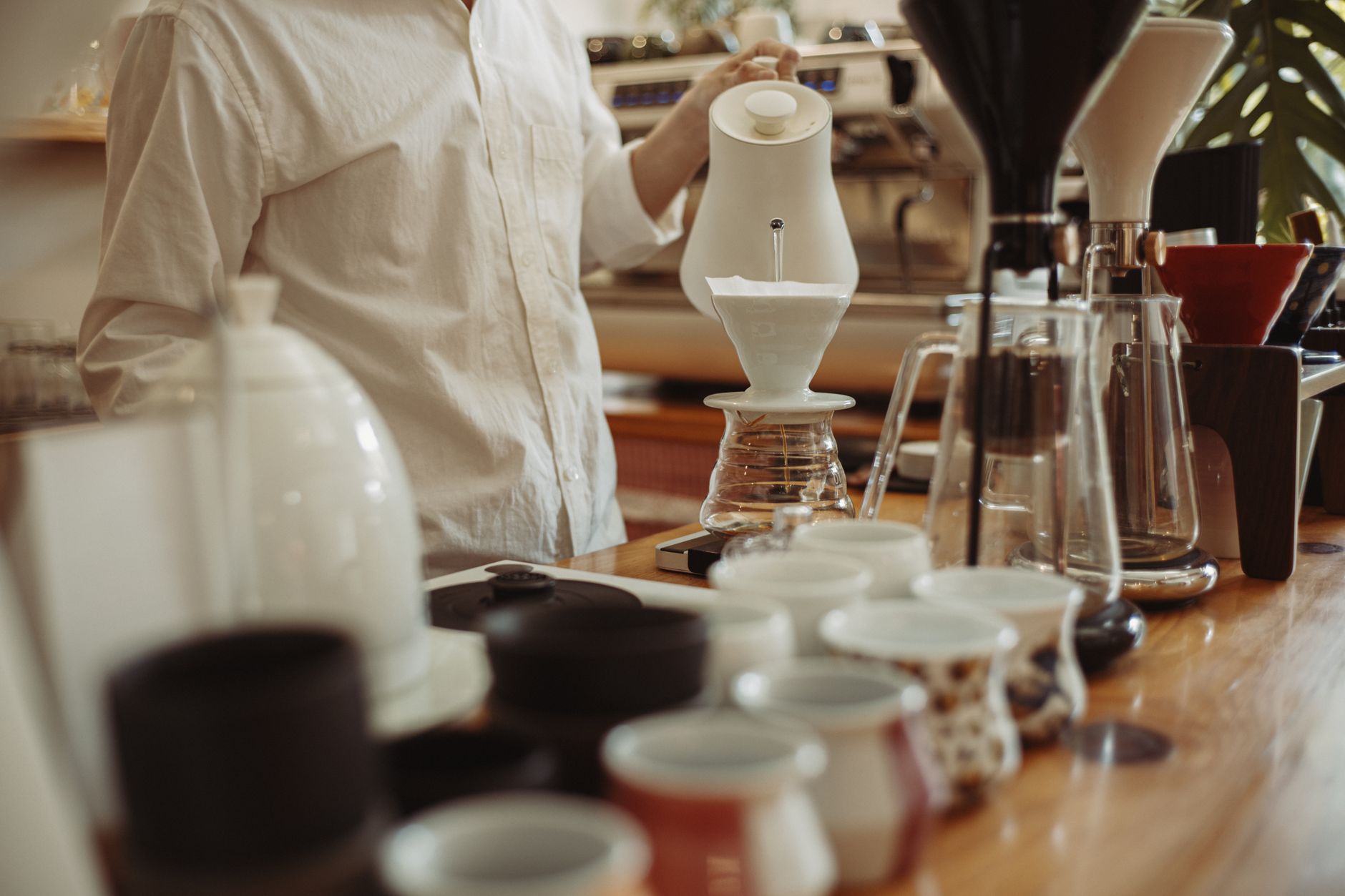 Photo: Khoa Võ via Pexels
| Brew Method | Filter Type | Cafestol Delivered | Cholesterol Risk |
|---|---|---|---|
| Boiled / Turkish | None | Very High | High |
| French Press | Metal mesh | High | High |
| Espresso | Metal basket | Moderate | Moderate |
| Moka Pot | Metal plate | Moderate | Moderate |
| AeroPress (metal filter) | Metal | Moderate | Moderate |
| Percolator | Varies | Moderate | Moderate |
| AeroPress (paper filter) | Paper | Very Low | Negligible |
| Drip (paper filter) | Paper | Very Low | Negligible |
| Pour-over (paper) | Paper | Near Zero | Negligible |
| Cold brew (paper filtered) | Paper | Near Zero | Negligible |
The espresso row surprises people. A single shot contains meaningful cafestol, but the serving volume is small — a double shot delivers roughly the same cafestol as one cup of French press. Heavy espresso drinkers (4–5 shots daily) accumulate real exposure. Occasional espresso drinkers likely don’t.
What About Instant Coffee?
Instant coffee is spray-dried brewed coffee — the brewing process uses hot water, and the soluble result retains very low diterpene levels. It behaves more like filtered drip than French press. Not the worst choice cholesterol-wise, though the flavor trade-off is its own conversation.
How Much Does It Actually Move the Needle?
Clinical data suggests 6 cups of unfiltered coffee per day raises LDL by roughly 6–8 mg/dL. That’s modest in absolute terms but meaningful if your baseline is already borderline. For reference, a statin typically drops LDL by 30–50 mg/dL — but you’d rather not need one.
 Photo: Anna Shvets via Pexels
A 1994 meta-analysis by Tverdal et al., and subsequent work from the Tromsø Study, established the dose-response curve. The effect shows up within 2–4 weeks of switching to unfiltered coffee and reverses at a similar pace when switching back.
HDL cholesterol is largely unaffected by cafestol. Triglycerides show a small rise in some studies with heavy unfiltered consumption, but the signal is weaker and less consistent.
Does Roast Level Matter?
Lightly roasted beans contain marginally more cafestol than dark roasts — the compound degrades slightly during extended roasting. The difference is small enough to be irrelevant clinically. Dark roast won’t save you if you’re drinking French press all day.
Decaf goes through the same extraction process as regular coffee. Cafestol is not removed by decaffeination. A French press decaf still delivers cafestol; a paper-filtered decaf still doesn’t. The caffeine question and the cholesterol question are separate.
Practical Guidance: Should You Change How You Brew?
If your LDL is in a healthy range and you drink 1–2 cups of unfiltered coffee daily, the absolute risk is low. If your LDL is elevated or you drink 4+ cups of French press or espresso daily, switching to a paper filter is the single highest-leverage dietary change you can make — cost: one paper filter per day.
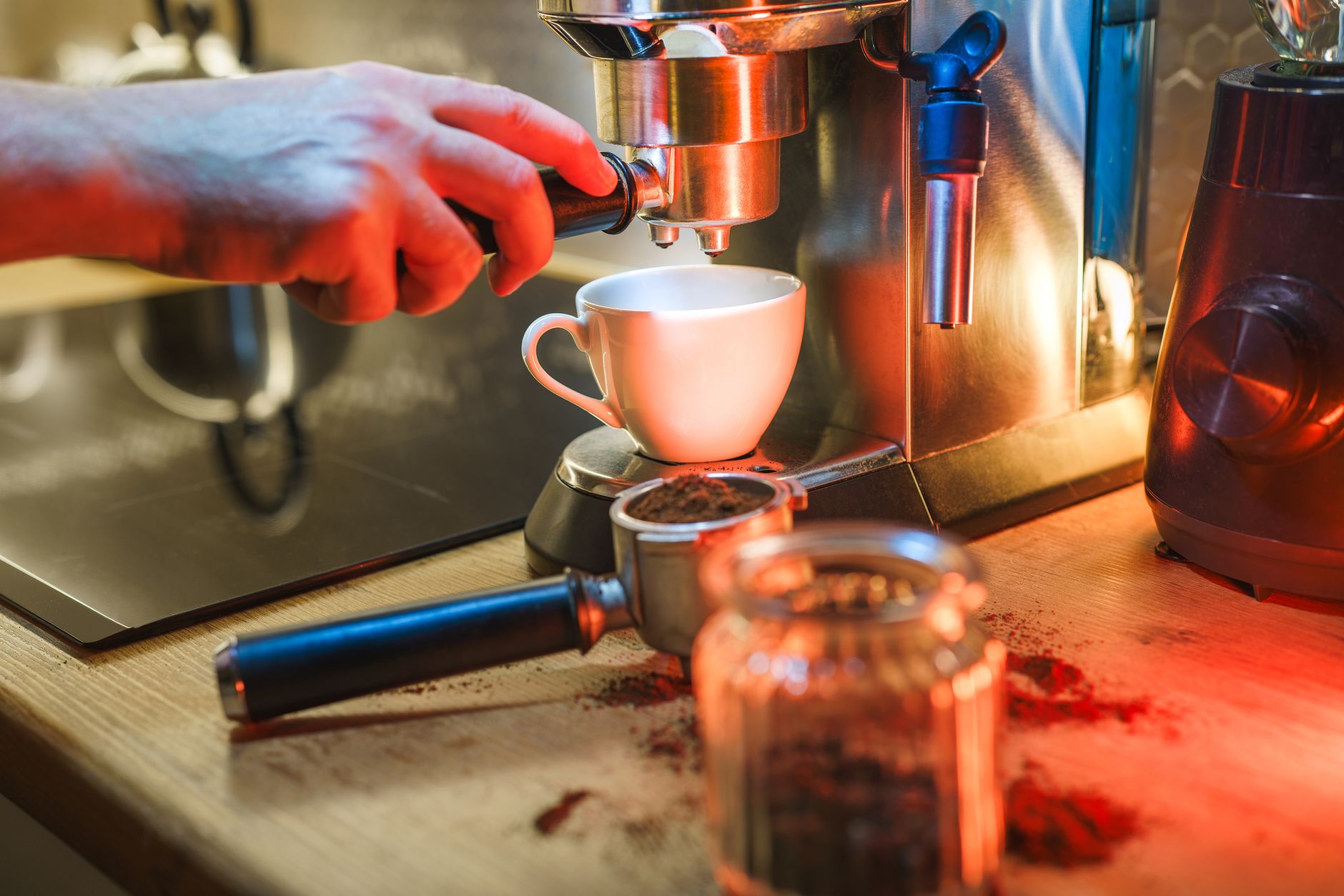 Photo: Jakub Zerdzicki via Pexels
A few practical switches:
- French press → pour-over or paper-filter drip. Full flavor profile preserved; cafestol exposure drops to near zero.
- Espresso → still fine for 1–2 shots. At 4+ shots daily, consider a paper-filtered AeroPress for at least some of your intake.
- Moka pot → add a paper filter. A #2 Melitta or Aeropress paper disc placed in the upper chamber dramatically reduces diterpene delivery without wrecking the brew.
You don’t have to give up strong coffee. You have to give up unfiltered coffee if cholesterol is a concern.
Caffeine and Cholesterol: No Direct Link
Caffeine itself does not raise cholesterol. Studies isolating caffeine via supplement or filtered coffee find no LDL effect. The cholesterol-raising reputation of coffee historically came from European boiled-coffee consumption — French press was the comparison standard — not from caffeine pharmacology.
→ See also:
- Coffee Science: The Complete Guide to Extraction, Chemistry & Flavor
- How Much Caffeine Is in a Cup of Coffee? (All Brew Methods)
- Caffeine in Espresso vs Coffee: Which Has More?
FAQ
Does espresso raise cholesterol? Yes, but modestly at typical consumption levels. A double shot contains meaningful cafestol, but less total exposure than a full mug of French press. At 1–2 shots per day, the effect is small. At 4–5 shots daily, you’re accumulating enough cafestol to see a measurable LDL rise over time.
Is cold brew bad for cholesterol? It depends on filtration. Cold brew concentrate is typically steeped for 12–24 hours with ground coffee then filtered. If strained through paper, cafestol levels are low and comparable to drip coffee. If strained only through a metal mesh, cafestol remains. Check how your cold brew — commercial or homemade — is filtered.
Can I lower my cholesterol by switching coffee methods? Yes. Studies show that switching from unfiltered to paper-filtered coffee lowers LDL within 2–4 weeks, with reductions of 6–8 mg/dL in habitual heavy drinkers. It’s one of the more direct dietary interventions available — the mechanism is clear and the switch is cheap.
Does decaf coffee affect cholesterol? Only if it’s unfiltered. Decaffeination doesn’t remove cafestol or kahweol. French press decaf delivers the same diterpene load as regular French press. Paper-filtered decaf is as safe as paper-filtered regular coffee — the cholesterol impact traces to the brewing method, not the caffeine.
Does adding milk or cream affect coffee’s cholesterol impact? Dairy fat (saturated fat in cream) independently affects cholesterol, but it doesn’t interact with cafestol — the two effects are additive, not synergistic. A bulletproof-style preparation with lots of saturated fat is a separate dietary concern from cafestol exposure.
Editorial methodology: Assessments are based on manufacturer specifications, published user reviews, and editorial research. Physical hands-on testing is noted explicitly where it occurred. Rankings reflect our editorial judgment and are not influenced by affiliate commission rates. Full editorial policy · Affiliate disclosure