Contents
Coffee Acidity Explained: pH, Organic Acids, and Your Stomach
TL;DR: Coffee acidity explained simply — coffee sits between pH 4.5 and 5.5, driven by chlorogenic, citric, and quinic acids. These compounds shape flavor (brightness, fruitiness) and can irritate sensitive stomachs. Roast level, brew method, and bean origin all change the acid profile significantly.
What pH Level Is Coffee, Actually?
Coffee typically measures pH 4.5–5.5, making it mildly acidic — roughly comparable to a banana or tomato. The exact number shifts based on roast, grind, brew time, and water temperature. Cold brew sits higher (less acidic) around pH 6.0; espresso lands lower around pH 5.0–5.5 due to concentration.
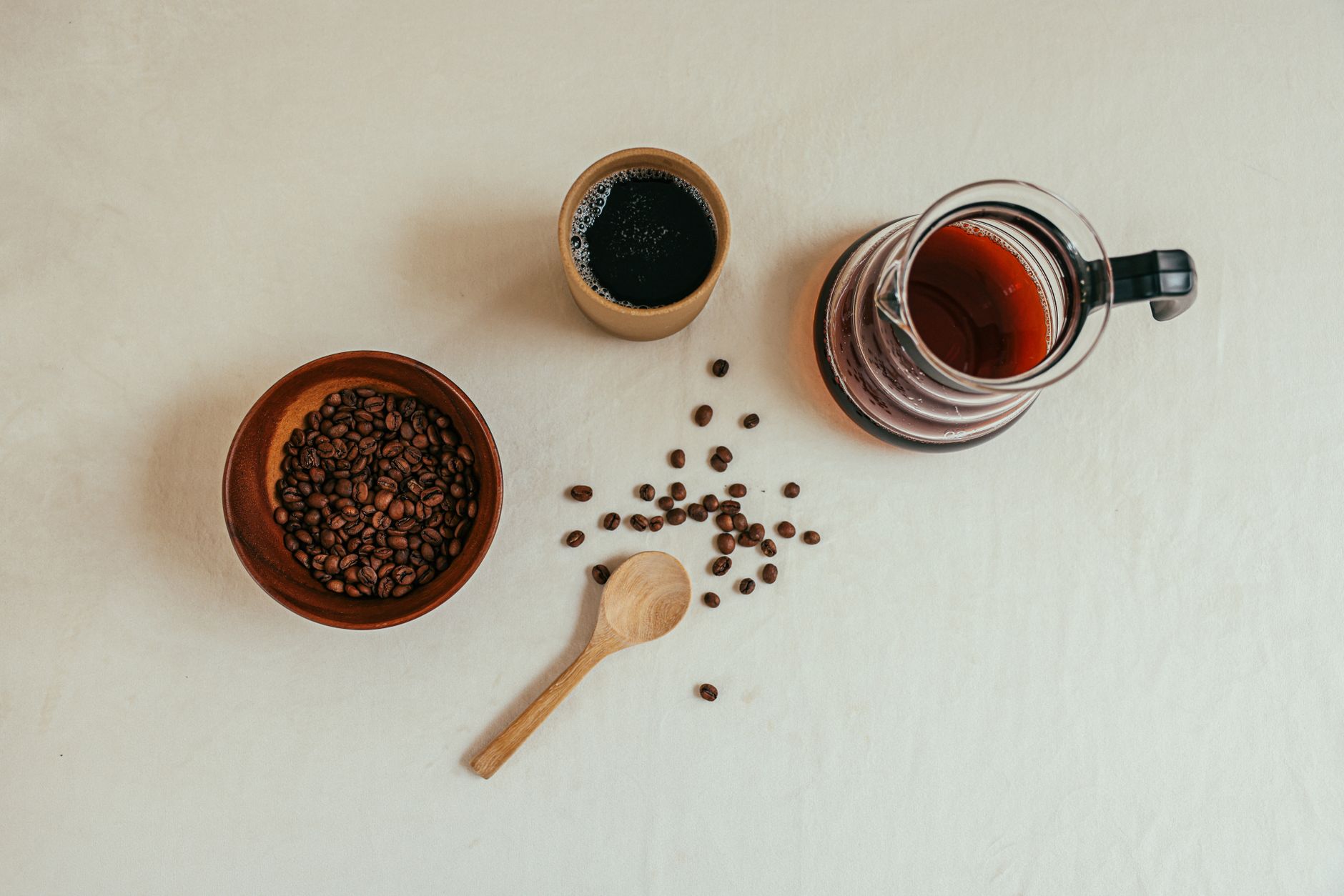 Photo: Cup of Couple via Pexels
Most people’s intuition about “acidic coffee” conflates two distinct things: perceived brightness in flavor (desirable) and gastric discomfort (not). They share the same chemistry but don’t always arrive together — which matters when choosing a daily drinker.
Coffee contains over 30 organic acids, but six do most of the work. Chlorogenic acids dominate by volume (6–10% of green bean dry weight). Citric, malic, acetic, phosphoric, and quinic acids contribute at lower concentrations but punch above their weight on flavor.
The Main Organic Acids and What They Do
Each acid in coffee tastes and behaves differently. Chlorogenic acids bring astringency and roast bitterness when degraded; citric and malic acids deliver the bright, fruity notes associated with quality washed Ethiopian or Kenyan beans; acetic acid (also in vinegar) adds a sharp edge when fermentation or brew time runs long.
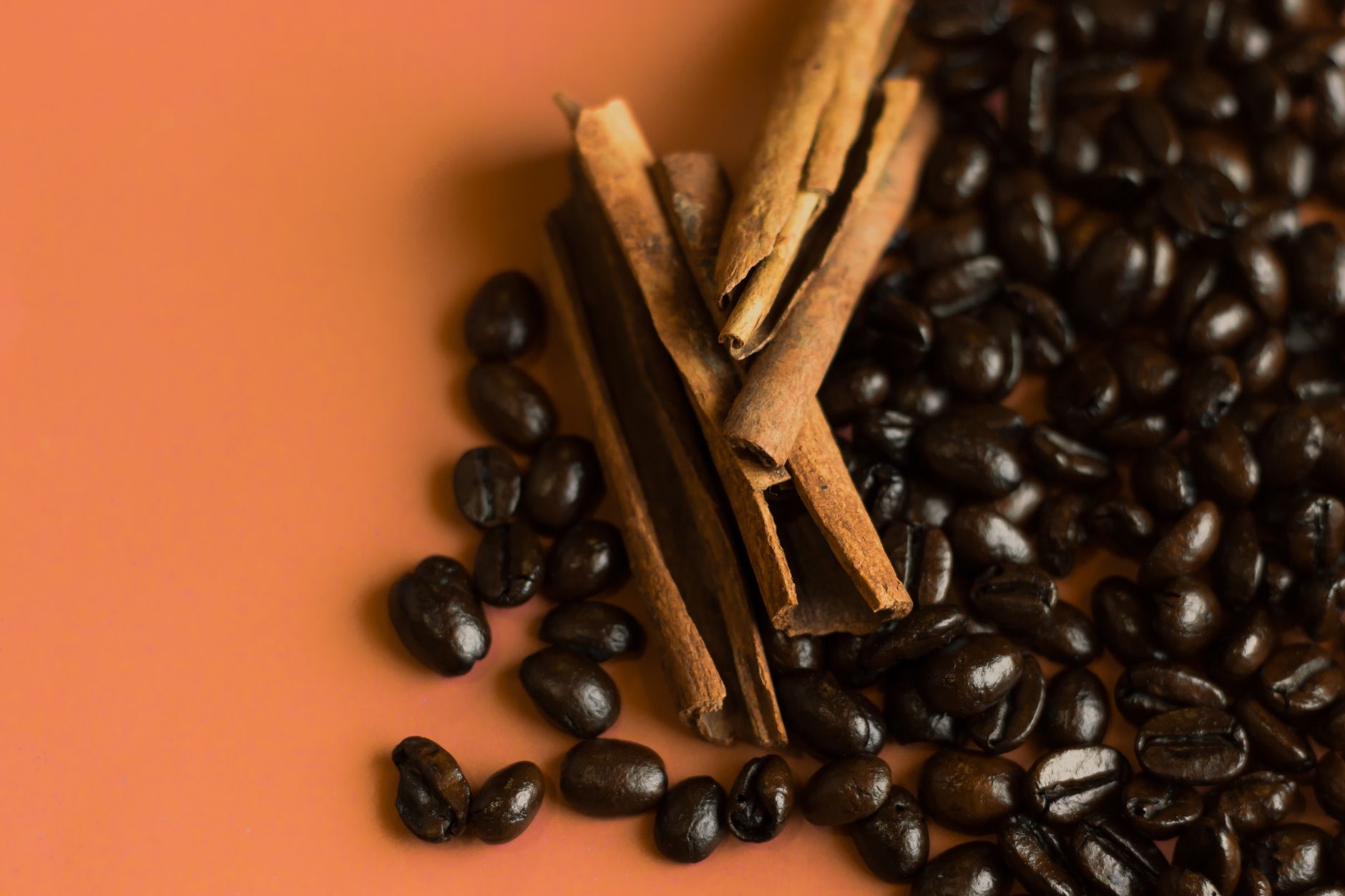 Photo: Kássia Melo via Pexels
Chlorogenic Acids
The dominant acid class in green coffee, chlorogenic acids break down during roasting into caffeic acid and quinic acid. Light roasts retain more of the original chlorogenic acid; darker roasts accumulate more quinic acid, which tastes bitter and harsh. This is part of why dark roasts can feel more “stomach-irritating” despite technically being less bright.
A medium roast hits a balance: enough chlorogenic degradation to reduce harshness without building up excessive quinic acid.
Citric and Malic Acids
These are the acids that give specialty coffee its most celebrated flavors — the lemon-like brightness of a washed Ethiopian Yirgacheffe, the stone fruit complexity of a natural Kenyan. Both are volatile under heat; extended roasting degrades them rapidly. If you want their flavor contribution, buy light-to-medium roasts and don’t over-extract.
Malic acid is associated with green apple and pear notes. Citric acid reads as lemon or lime. Both are present in far higher concentrations in high-altitude beans from Central America, East Africa, and Colombia — altitude slows bean development and allows more sugar and acid accumulation.
Acetic Acid
Acetic acid is a byproduct of fermentation during processing. Properly fermented naturals and honeys carry a controlled acetic note that tastes like red fruit or wine. Over-fermented or stale coffee turns this sour and sharp. In the cup, it’s the difference between “complex” and “off.”
Brew method matters too — stale water, very long brew times, or French press left sitting on a warmer accumulates acetic acid.
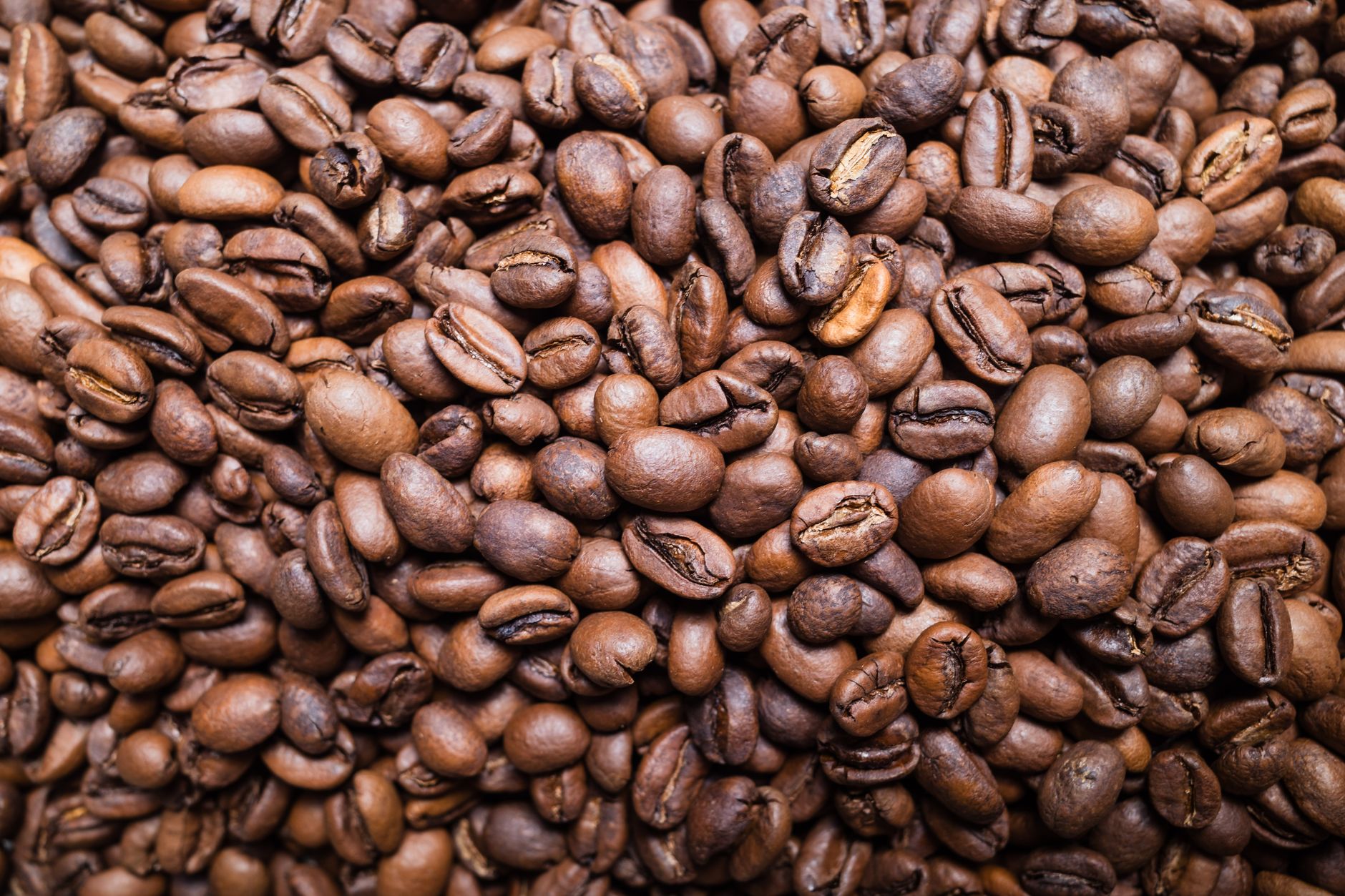 Photo: K via Pexels
Quinic Acid
Quinic acid builds up as roasting progresses and chlorogenic acids degrade. It’s thermally stable, so it survives the cup even after cooling. That “cold bitter coffee” flavor is largely quinic acid. It also appears to be a primary contributor to gastric irritation — more on that below.
How Roast Level Changes the Acid Profile
Dark roasts are lower in chlorogenic and citric acids, higher in quinic acid. Light roasts are the opposite. If you want bright fruit flavor, go light. If you have acid reflux and want to reduce irritation, the answer is more nuanced than “go dark” — cold brew or low-acid processing often works better.
| Roast Level | Chlorogenic | Citric/Malic | Quinic | Perceived Flavor |
|---|---|---|---|---|
| Light | High | High | Low | Bright, fruity, complex |
| Medium | Moderate | Moderate | Moderate | Balanced, sweet |
| Dark | Low | Low | High | Bitter, roasty, lower perceived acidity |
| Cold Brew (any roast) | Reduced | Reduced | Reduced | Smooth, low perceived acidity |
Dark roast feels less “acidic” to the palate because citric and malic acids have burned off — but quinic acid is up, which may aggravate the stomach more. The perceptual experience and the chemical reality diverge here.
Coffee Acidity and Stomach Problems
Caffeine stimulates gastric acid secretion. Chlorogenic acids do the same via a separate pathway. These two mechanisms together explain why coffee triggers reflux, heartburn, or gastritis in sensitive people — even at low doses. Switching to cold brew or a low-acid bean reduces symptom frequency for most.
 Photo: Lisa from Pexels via Pexels
The coffee industry sells “low-acid coffee” as a category, and it’s not marketing fiction. Several real interventions reduce the acid load:
- Cold brew — cold extraction pulls fewer acids into solution; pH typically 0.5–1 unit higher than hot brew
- Dark roast (with caveat) — lower citric/malic, but higher quinic; helps some people, worsens it for others
- Robusta blends — robusta naturally contains less chlorogenic acid than arabica; not a flavor-forward choice
- Stomach-coating additives — butter or MCT oil (bulletproof-style) forms a coating that slows gastric emptying; reduces direct acid exposure
- Low-altitude beans — higher altitude = more acid; Brazilian cerrado or Indonesian Sumatra sit at lower altitude with gentler acid profiles
- Milk and cream — raises the pH of the final beverage slightly and provides a buffering effect
If you’re diagnosing a stomach problem, the most effective single change is switching to cold brew made with a medium roast. That combination hits both the extraction-side reduction (less acid pulled out) and the quinic accumulation reduction (less roasting time at temperature).
Origin, Altitude, and Processing Effects
Acid concentration in coffee is primarily a function of altitude and processing method. High-altitude African beans are more acidic; low-altitude Asian and Brazilian beans are less. Washed processing preserves origin acidity cleanly; natural processing adds fermentation acetic notes.
 Photo: Vietnam Hidden Light via Pexels
| Origin | Altitude | Processing | Acid Character |
|---|---|---|---|
| Ethiopia (Yirgacheffe) | 1800–2200m | Washed / Natural | Very high, citric/floral |
| Kenya (AA) | 1500–2000m | Washed | High, blackcurrant/phosphoric |
| Colombia | 1200–2000m | Washed | Medium-high, malic/red fruit |
| Brazil (Cerrado) | 900–1200m | Natural/Pulped Natural | Low-medium, chocolatey |
| Sumatra (Mandheling) | 1000–1500m | Wet-hulled | Low, earthy, low brightness |
| Robusta (Vietnam) | 200–800m | Various | Very low, bitter |
The wet-hulled (Giling Basah) method used in Sumatra is particularly effective at reducing perceived acidity — it interrupts the drying process at high moisture content, which alters the acid profile in a way that produces that distinctive syrupy, low-acid cup.
→ See also:
- Coffee Science: The Complete Guide to Extraction, Chemistry & Flavor
- How Much Caffeine Is in a Cup of Coffee? (All Brew Methods)
- Caffeine in Espresso vs Coffee: Which Has More?
FAQ
Does dark roast coffee have less acid than light roast? Perceptually yes — dark roasts lose most of their citric and malic acids during roasting, so they taste less bright. But they’re higher in quinic acid, which is associated with gastric irritation. For stomach-sensitive drinkers, dark roast isn’t automatically a safe bet; cold brew is a better intervention.
What is the pH of coffee compared to other drinks? Coffee sits at pH 4.5–5.5. For comparison: orange juice is pH 3.3–4.0, cola is around pH 2.5, beer is pH 4.0–5.0, and black tea is pH 4.9–5.5. Coffee is mildly acidic, not extreme — far less than most soft drinks.
Why does coffee hurt my stomach if it’s not very acidic? Two mechanisms: caffeine directly stimulates the production of gastric acid (hydrochloric acid, pH 1.5–2.0) in the stomach, and chlorogenic acids trigger a separate gastric secretion response. The problem is what happens in your stomach, not the pH of the coffee itself.
Does adding milk to coffee reduce acidity? Slightly. Milk has a pH around 6.5–6.8 and buffers some of the coffee’s acids, raising the cup pH modestly. It also provides proteins that coat the stomach lining. The effect is real but not dramatic — it won’t resolve serious acid reflux, but it softens the impact for mildly sensitive drinkers.
Is cold brew actually lower in acid? Yes, measurably. Cold extraction pulls fewer of the volatile organic acids into solution and doesn’t trigger the same thermally-driven acid development as hot brewing. Studies consistently show cold brew sits 0.5–1.0 pH units higher than equivalent hot-brewed coffee. For stomach-sensitive drinkers, it’s the single highest-impact brewing change.
Does water hardness affect coffee acidity? Yes, significantly. Hard water (high calcium and magnesium) buffers acids and raises the effective pH of the final cup. Very soft or filtered water produces more acidic-tasting coffee because there’s less mineral buffering. This is one reason the same beans can taste dramatically different at home versus in a café with calibrated water.
Editorial methodology: Assessments are based on manufacturer specifications, published user reviews, and editorial research. Physical hands-on testing is noted explicitly where it occurred. Rankings reflect our editorial judgment and are not influenced by affiliate commission rates. Full editorial policy · Affiliate disclosure