Contents
Chlorogenic Acids in Coffee: What They Actually Do
TL;DR: Chlorogenic acids (CGAs) are polyphenol antioxidants that make up 6–12% of green coffee by dry weight. They drive bitterness, acidity, and astringency in the cup, degrade significantly during roasting, and are behind most of coffee’s studied health effects — from blood sugar regulation to reduced cardiovascular risk.
What Are Chlorogenic Acids in Coffee?
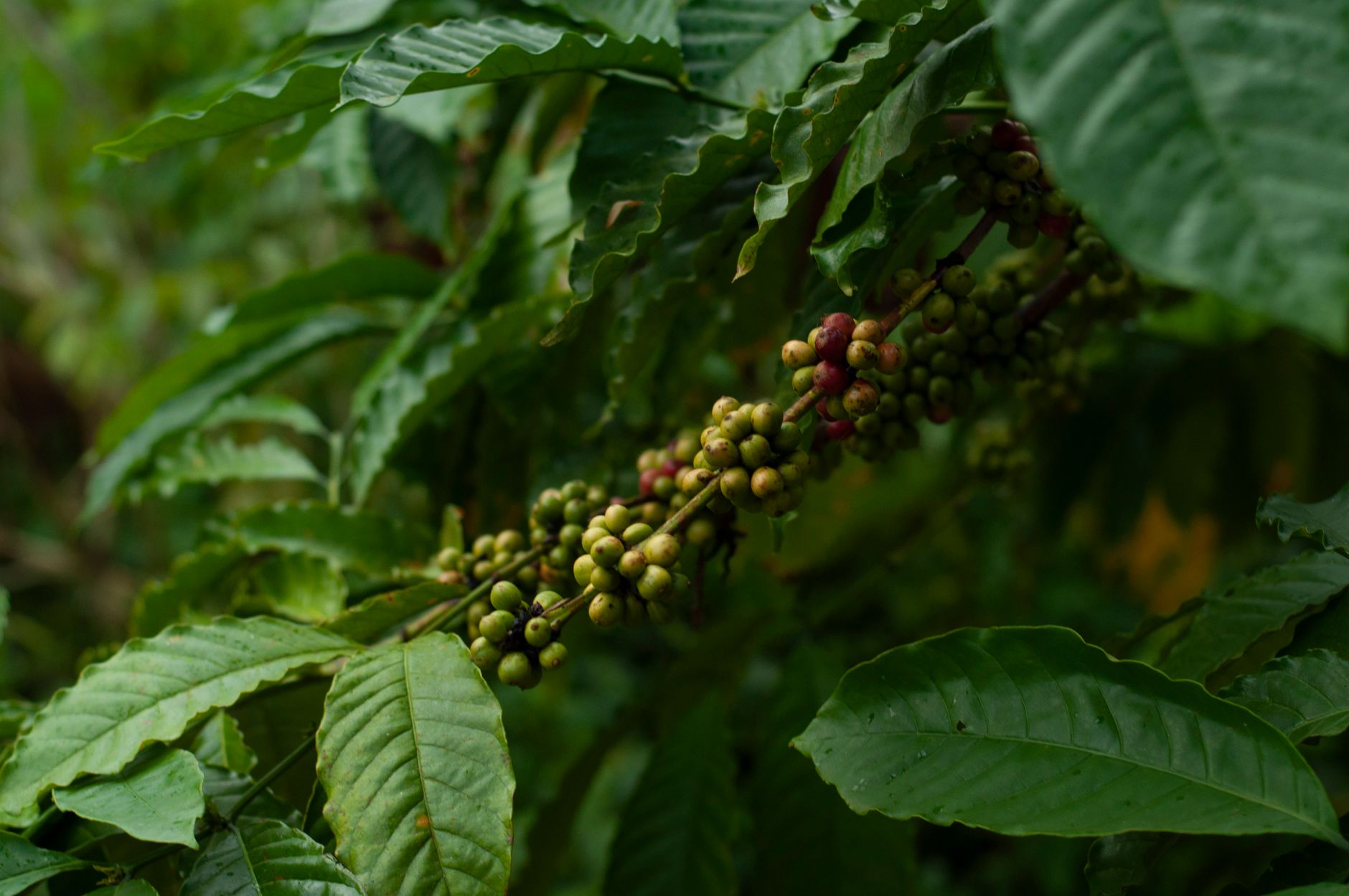
Chlorogenic acids are a family of phenolic esters formed when caffeic, ferulic, or p-coumaric acid bonds with quinic acid. In coffee, they’re the dominant polyphenol — green Arabica contains roughly 6–7% CGA by dry weight, Robusta closer to 10–12%. They’re why coffee tastes the way it does and why it does what it does to your body.
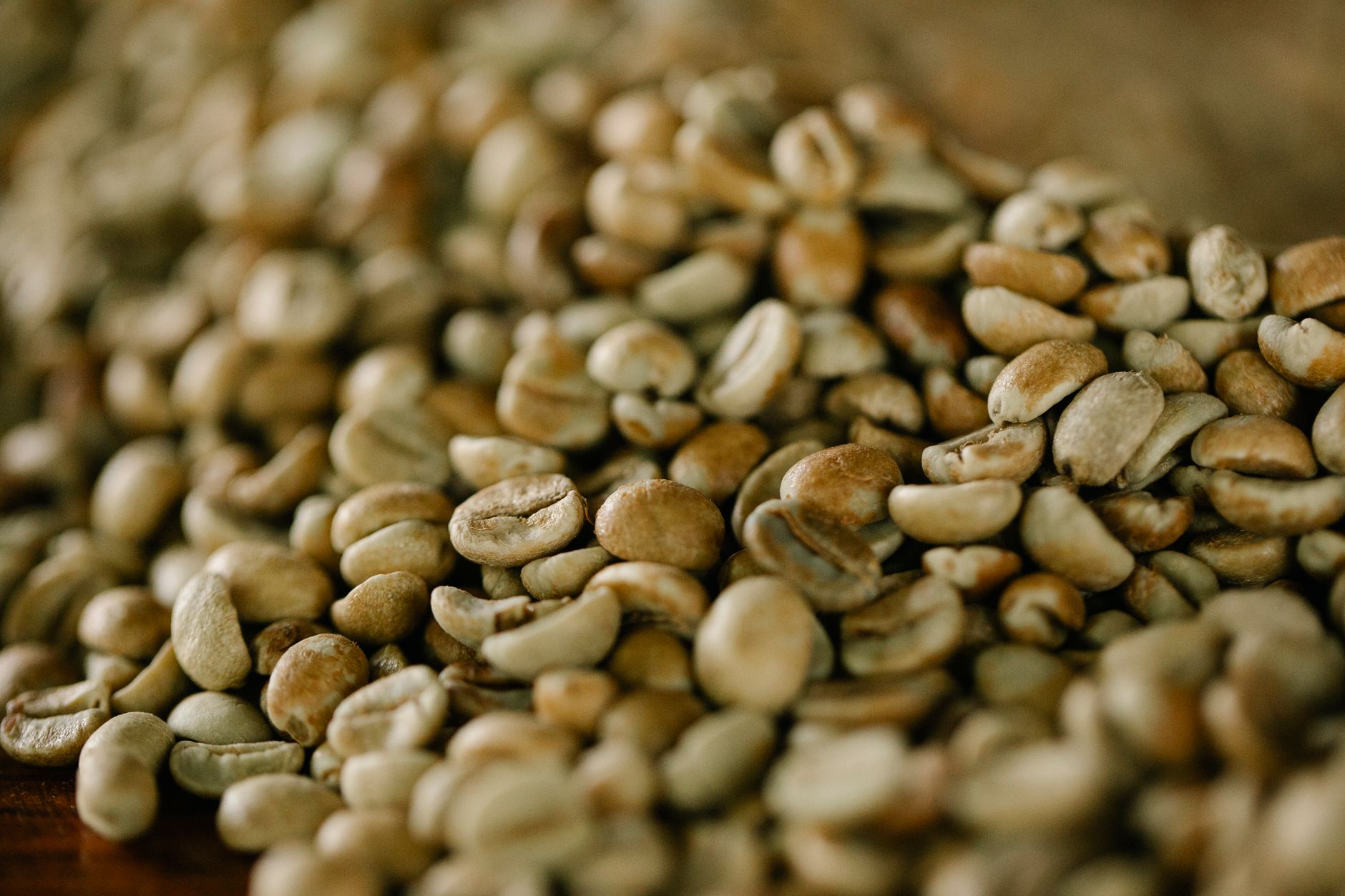 Photo: Michael Burrows via Pexels
The term “chlorogenic acid” is actually shorthand for a group of at least 12 related compounds. The most abundant in coffee are:
- 5-CQA (5-caffeoylquinic acid) — the primary isomer, ~60% of total CGAs in green coffee
- 3-CQA and 4-CQA — minor isomers of the same ester
- Dicaffeoylquinic acids (diCQAs) — two caffeic acid units per quinic acid backbone
Robusta’s higher CGA load is one reason it tastes harsher and more bitter than Arabica — more substrate means more degradation products during roasting.
How Roasting Destroys and Transforms Chlorogenic Acids
Light roasts retain 50–70% of the original CGA content; dark roasts lose over 90%. The destruction isn’t clean — CGAs don’t simply vanish. They isomerize, hydrolyze, and recombine into compounds that actively shape flavor and aroma, most notably quinic acid and chlorogenic acid lactones.
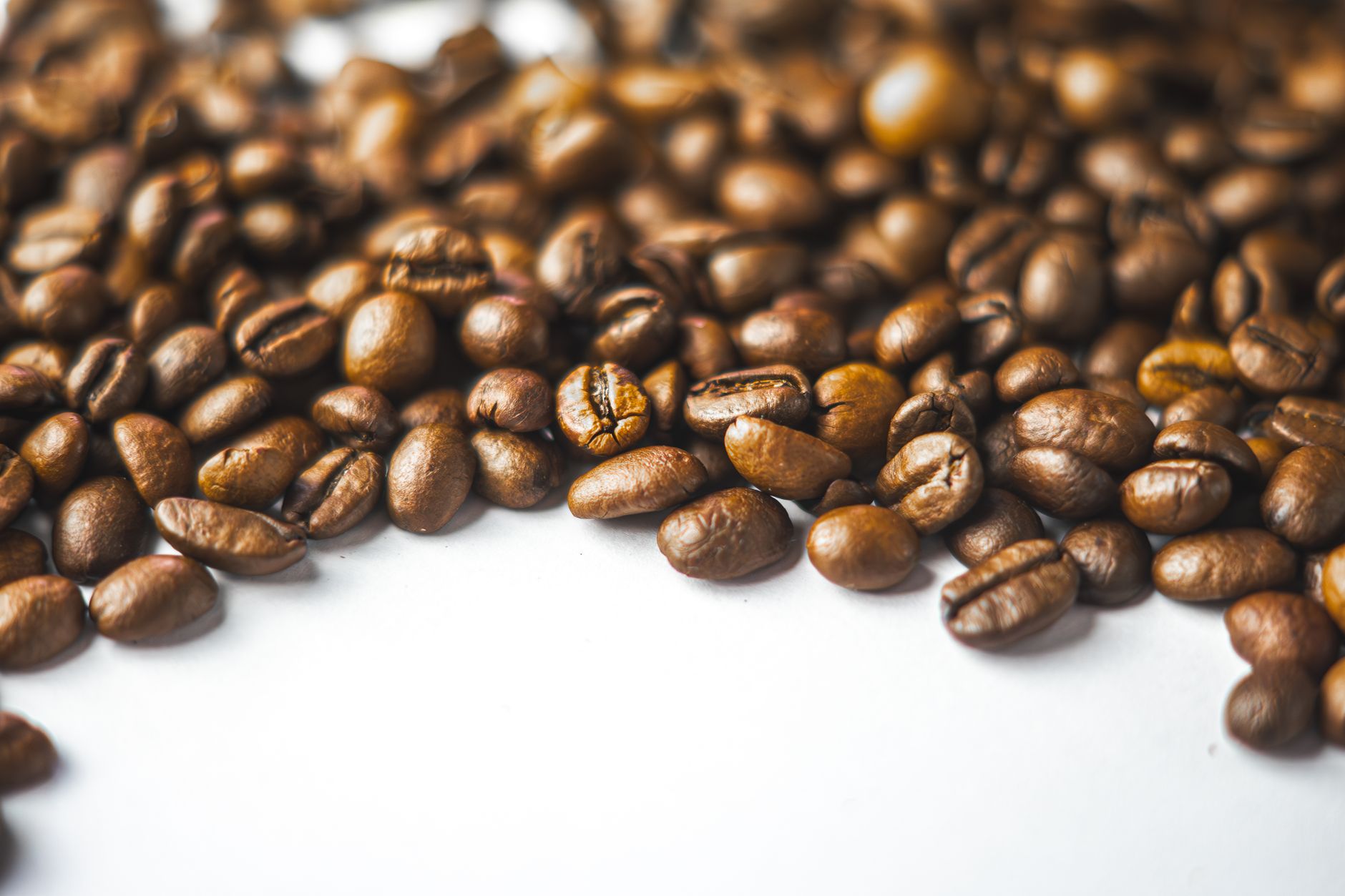 Photo: Wojtek Pacześ via Pexels
At temperatures above 200°C, CGAs undergo two major transformations:
Isomerization shifts the ester bond position on the quinic acid ring (5-CQA → 3-CQA or 4-CQA). This happens early in roasting and is largely reversible below 220°C.
Hydrolysis and lactonization dominate at higher temperatures. Free caffeic acid is released, and quinic acid cyclizes to form quinolactone — a compound with a harsh, resinous bitterness distinct from caffeine’s clean bitterness. This is the roast-induced bitterness that dark espresso drinkers either love or tolerate.
The practical implication: a light roast from a high-CGA Robusta blend can still have lower bitterness than a dark-roasted Arabica, because the lactonization hasn’t been driven as far.
Brew Temperature and CGA Extraction
 Photo: Dmitriy Tarasenko via Pexels
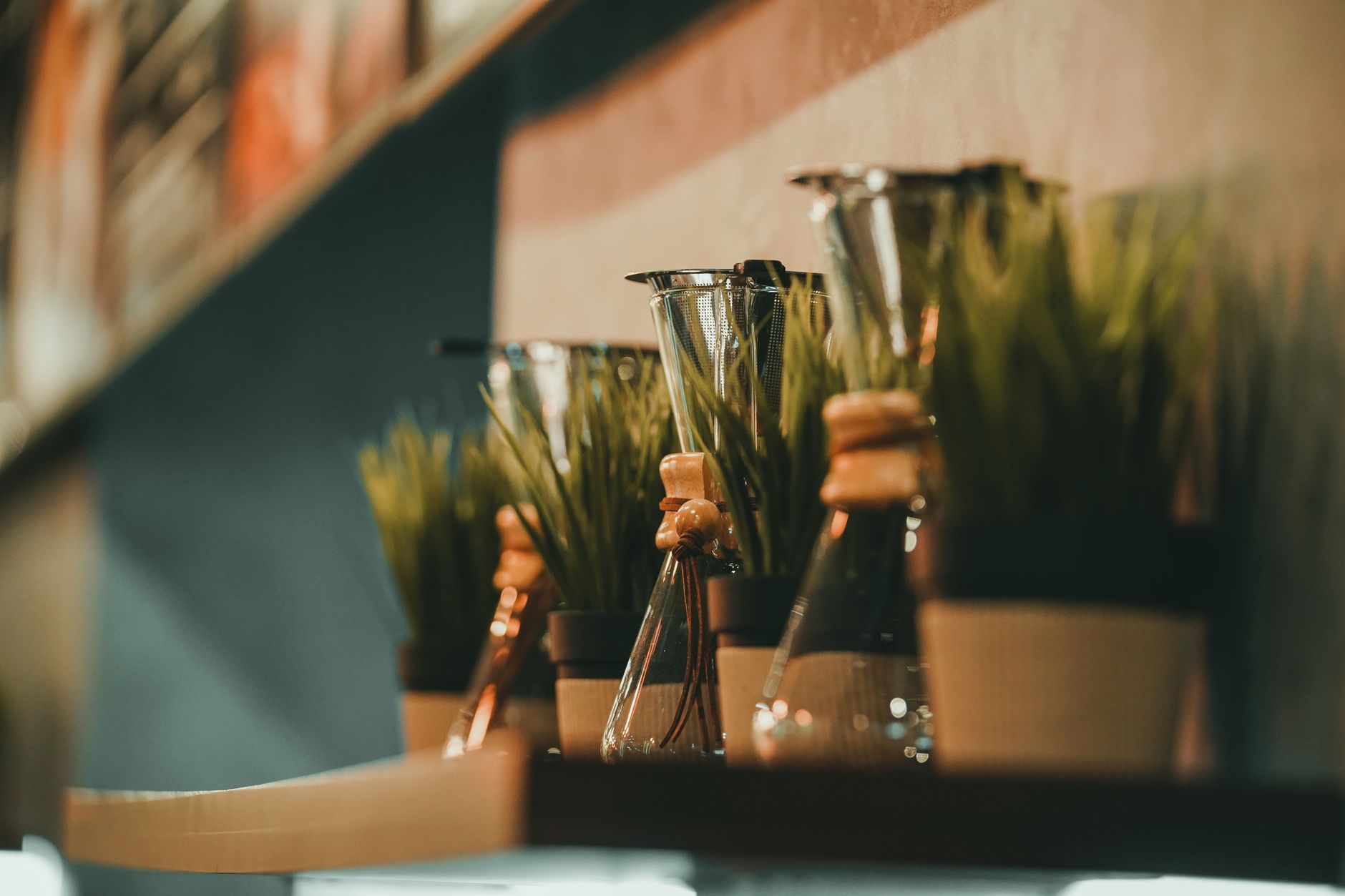
Extraction efficiency for CGAs follows the same rules as other soluble compounds — hotter water and longer contact time pull more. Espresso extracts CGAs efficiently despite short contact time because of pressure and fine grind. Cold brew, by contrast, extracts much lower CGA concentrations even at long steep times, which partly explains its perceived smoothness and lower bitterness.
Chlorogenic Acids and Coffee Flavor
CGAs contribute three distinct sensory attributes: sour/acidic (the intact ester form), astringent (polymerized forms, especially diCQAs), and bitter (lactone degradation products). The balance depends entirely on roast level and brewing method.
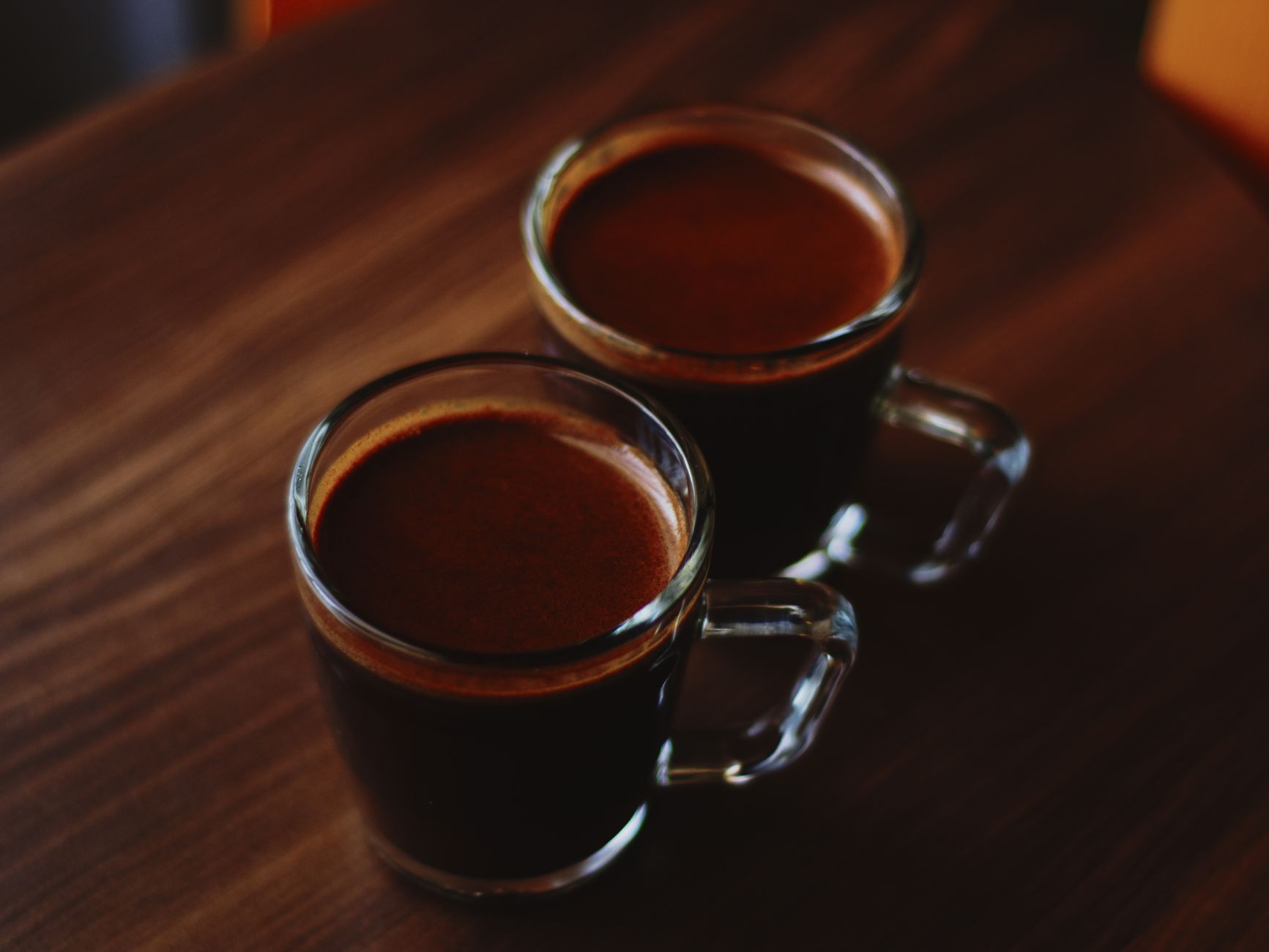 Photo: NADER AYMAN via Pexels
Fresh-brewed, lightly roasted coffee shows CGAs at their most intact — crisp acidity and a clean finish. The sourness here isn’t a defect; it’s the same phenolic acidity that makes a good red wine interesting.
As roast darkens:
| Roast | CGA Retention | Dominant Sensory Effect |
|---|---|---|
| Light (410°F / 210°C exit) | 60–70% | Bright acidity, floral |
| Medium (430°F / 221°C exit) | 40–50% | Balanced, mild bitterness |
| Dark (450°F / 232°C exit) | 5–20% | Roasty bitterness, astringency |
| Very dark / French | <5% | Harsh, carbon/tarry notes |
Astringency — the dry, grippy mouthfeel — comes primarily from diCQAs and polymerized CGA fragments binding to salivary proteins. High-extraction shots or over-brewed pour-overs amplify this because more of these larger molecules end up in the cup.
Health Effects: What the Evidence Actually Shows
The bulk of coffee’s studied health benefits are attributed to CGAs, not caffeine. The strongest evidence links CGA intake to improved glucose metabolism, modest blood pressure reduction, and lower risk of type 2 diabetes. Effects are real but modest at normal consumption levels.
Mechanistically, CGAs inhibit glucose-6-phosphatase — an enzyme involved in hepatic glucose release — which slows post-meal blood sugar spikes. This is distinct from caffeine’s insulin-sensitizing effect and operates independently.
Cardiovascular studies consistently show that 3–4 cups of filtered coffee per day (providing roughly 400–600mg CGAs) associates with reduced all-cause mortality and cardiovascular events. Whether CGAs are the causal agent or a proxy for other compounds remains debated.
One important nuance: the CGA content of your cup is not fixed. A 200ml light roast filter coffee can contain 200–300mg CGAs; the same volume of dark espresso might deliver under 30mg. If you’re drinking coffee partly for polyphenol intake, roast level matters more than cup count.
Acrylamide, Quinic Acid, and the Compounds CGAs Become
Dark roasting doesn’t just reduce CGAs — it creates new compounds. Quinic acid from CGA hydrolysis contributes to the perceived acidity of dark roast (paradoxically, dark roasts can test acidic in lab pH measurements despite tasting less acidic sensorially). Caffeic acid released by hydrolysis is itself a mild antioxidant.
Acrylamide — a compound with regulatory scrutiny — forms during roasting via the Maillard reaction using asparagine, not directly from CGAs. But higher-CGA Robusta beans used in commodity blends tend to undergo more intense roasting, indirectly correlating with acrylamide. The link isn’t causal.
→ See also:
- Coffee Science: The Complete Guide to Extraction, Chemistry & Flavor
- How Much Caffeine Is in a Cup of Coffee? (All Brew Methods)
- Caffeine in Espresso vs Coffee: Which Has More?
FAQ
What are chlorogenic acids in coffee, and are they good for you? Chlorogenic acids are polyphenol antioxidants — the most abundant bioactive compound in coffee by weight. Evidence from large cohort studies supports benefits for glucose regulation, cardiovascular health, and reduced type 2 diabetes risk. Effects are real but moderate; coffee isn’t a supplement, and dose varies significantly by roast and brew method.
Does darker roast coffee have less chlorogenic acid? Yes, substantially. Dark roasts can retain as little as 5–10% of the chlorogenic acids present in the green bean. Light roasts preserve 60–70%. If CGA content matters to you — for taste or health reasons — drink lighter roasts.
Do chlorogenic acids cause stomach issues in coffee? Chlorogenic acids stimulate gastric acid secretion and can irritate the stomach lining in sensitive individuals. Low-acid coffees (dark roasts, cold brew, Swiss water process decaf) tend to cause fewer issues because CGA content is lower. This is also why drinking coffee on an empty stomach is more likely to cause discomfort.
Does cold brew have less chlorogenic acid than hot coffee? Yes. Cold extraction is significantly less efficient at pulling CGAs from ground coffee, even at long steep times (12–24 hours). Combined with the dark roasts commonly used for cold brew, a typical cold brew cup may have 30–50% fewer CGAs than a hot-brewed light roast. This contributes to cold brew’s smoother, less acidic, less bitter profile.
Are chlorogenic acids lost when you add milk to coffee? Milk doesn’t destroy CGAs, but proteins in milk can bind to them, potentially reducing bioavailability (how much your body absorbs). The evidence is mixed — some studies show reduced antioxidant activity in vitro, but the clinical significance at normal milk-to-coffee ratios appears small.
Editorial methodology: Assessments are based on manufacturer specifications, published user reviews, and editorial research. Physical hands-on testing is noted explicitly where it occurred. Rankings reflect our editorial judgment and are not influenced by affiliate commission rates. Full editorial policy · Affiliate disclosure