Contents
Can You Use Regular Ground Coffee for Cold Brew?
Yes — regular ground coffee works for cold brew. Pre-ground supermarket coffee brews perfectly fine cold. The main tradeoff is grind size: standard drip grind is finer than ideal, which can over-extract and turn bitter if you steep too long. Coarser is better, but don’t let “imperfect” stop you from brewing.
Does Grind Size Actually Matter for Cold Brew?
It matters, but it’s not make-or-break. Standard drip grind (medium) produces good cold brew if you shorten steep time to 10–12 hours. A coarse grind — think raw sugar texture — gives you more margin: 16–24 hours without bitterness. The difference is real but manageable once you know the adjustment.
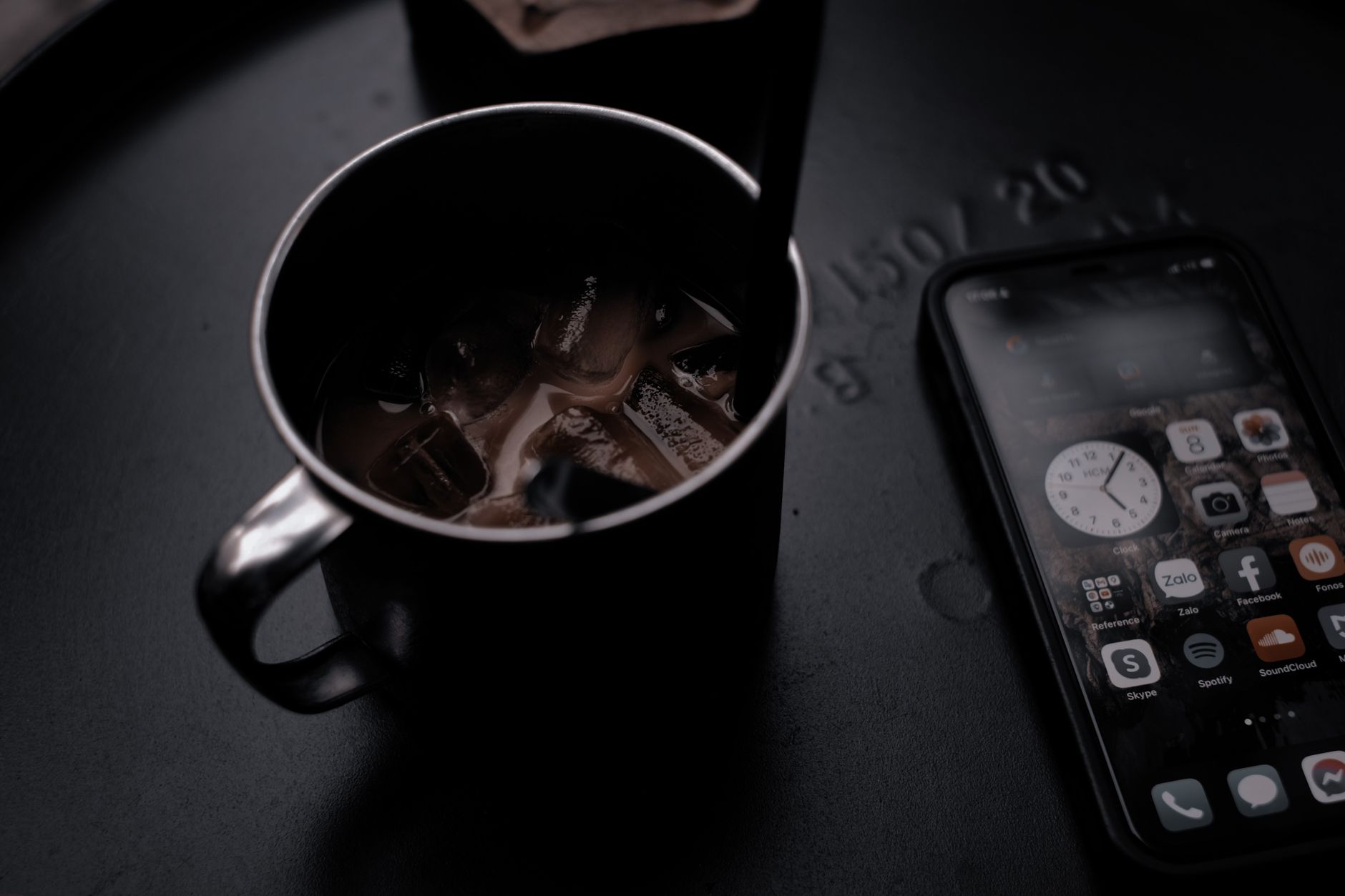
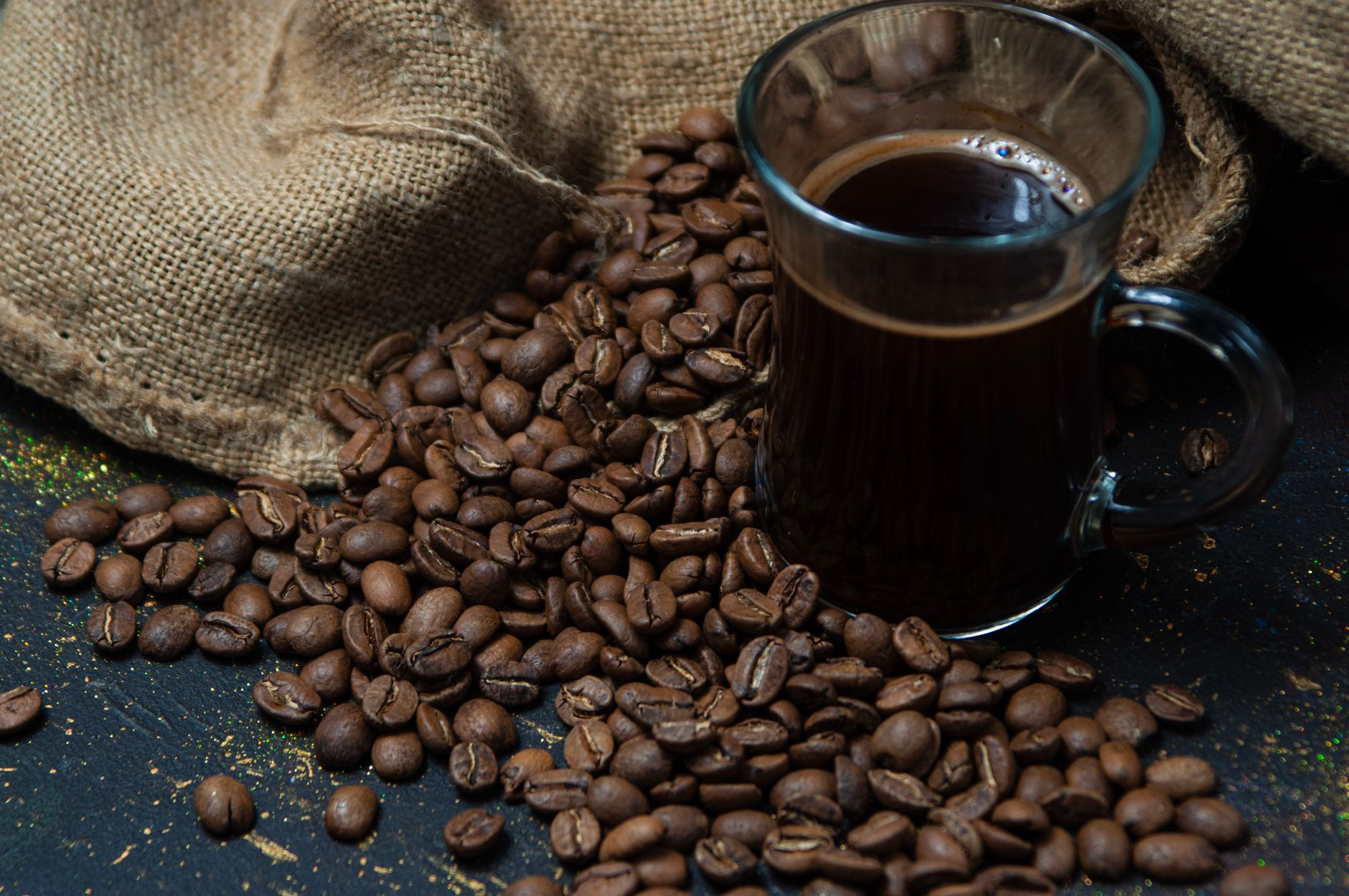 Photo: Boryslav Shoot via Pexels
Cold brew extracts slowly using cold water, which naturally suppresses over-extraction of bitter compounds. That buffering effect means a finer grind is less catastrophic than it would be in hot espresso. The risk with drip grind isn’t undrinkable coffee — it’s a slightly more astringent, less sweet result if you push steep time past 14 hours.
The fix: brew at room temperature for 10–12 hours instead of 24, or refrigerate for 14–16 hours max. Taste at 10 hours and pull when it hits your sweet spot.
What Coffee Works Best for Cold Brew?
Medium to dark roasts extract more cleanly in cold water. Light roasts can taste sour and underdeveloped because cold water struggles to pull bright acids from denser, lightly roasted beans. For ground coffee off a supermarket shelf, a medium-dark roast — Colombian, Brazilian, or any “espresso blend” — is your safest pick.
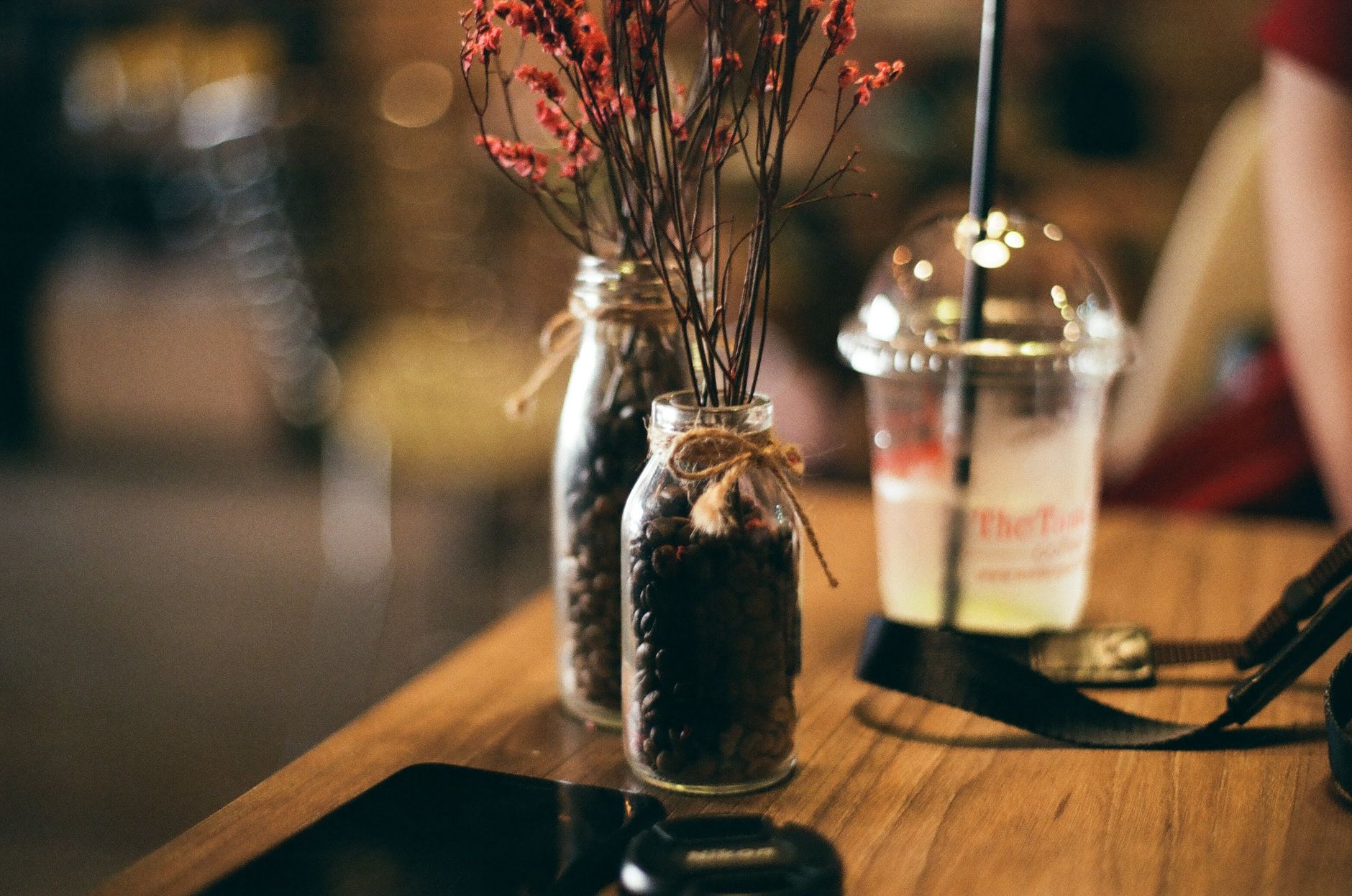
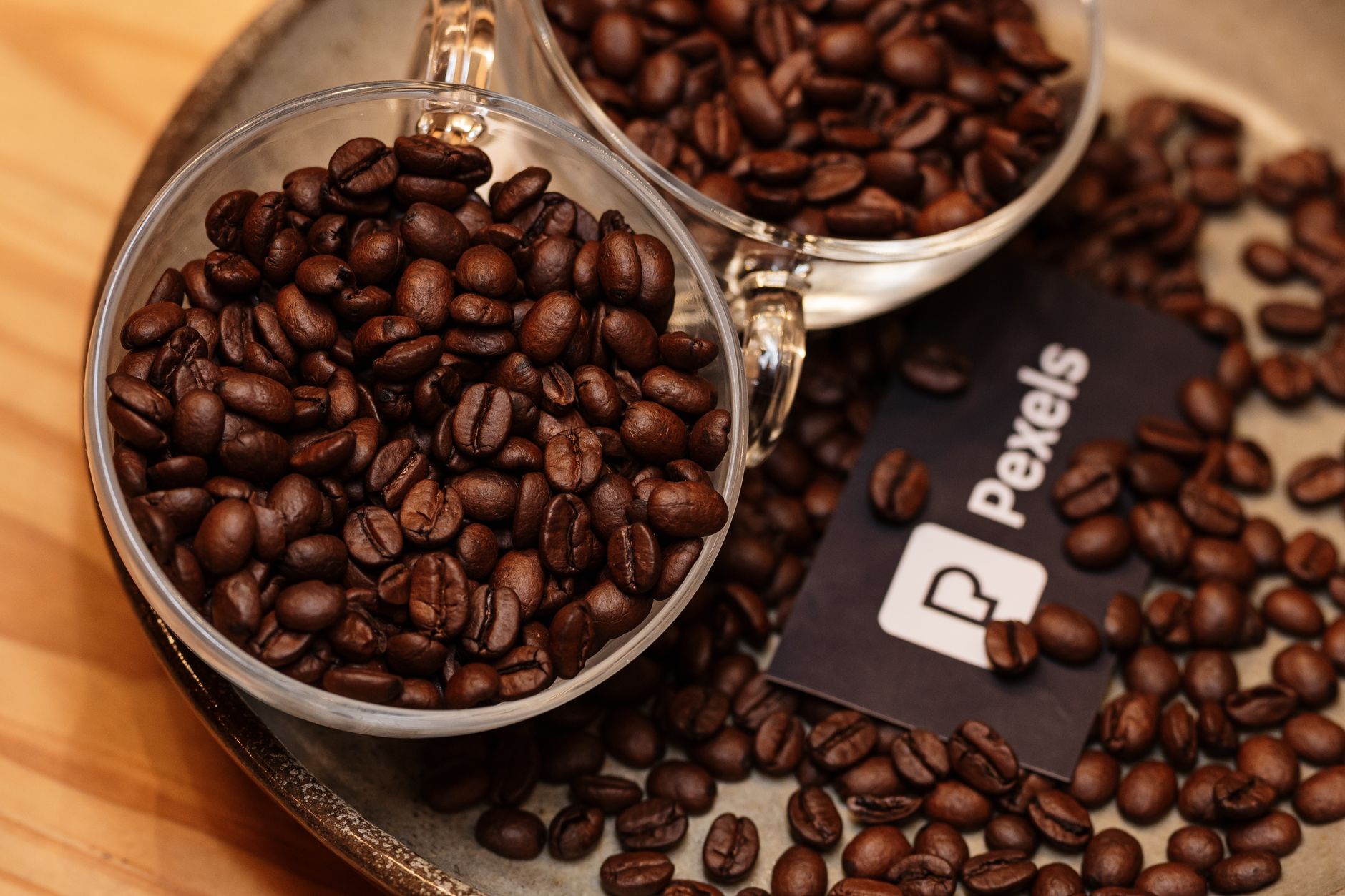 Photo: Hebert Santos via Pexels
Whole-bean coffee you grind yourself will always beat pre-ground for one reason: oxidation. Pre-ground coffee starts losing aromatic compounds within hours of grinding. For cold brew steeped 12–24 hours, that head-start on staleness matters less than it would in a 30-second espresso shot — but fresher ground still tastes cleaner.
If you already own a grinder, grind coarse. If you don’t, use pre-ground and brew slightly shorter. Either path gets you drinkable cold brew.
| Coffee Type | Grind Size | Steep Time (Fridge) | Result |
|---|---|---|---|
| Pre-ground drip (store-bought) | Medium | 12–14 hrs | Good — slightly less sweet |
| Home-ground coarse | Coarse | 18–24 hrs | Best clarity and sweetness |
| Espresso grind | Fine | 8–10 hrs max | Bitter risk — not recommended |
| Whole bean (unground) | — | — | Zero extraction, skip it |
What Ratio Should You Use with Regular Ground Coffee?
Start at 1:8 by weight — 60 g coffee to 480 ml water for about two servings of concentrate. With pre-ground drip coffee, drop to 1:7 (slightly stronger) to compensate for the finer grind’s faster extraction, which produces a weaker concentrate relative to coarse-ground at the same ratio.
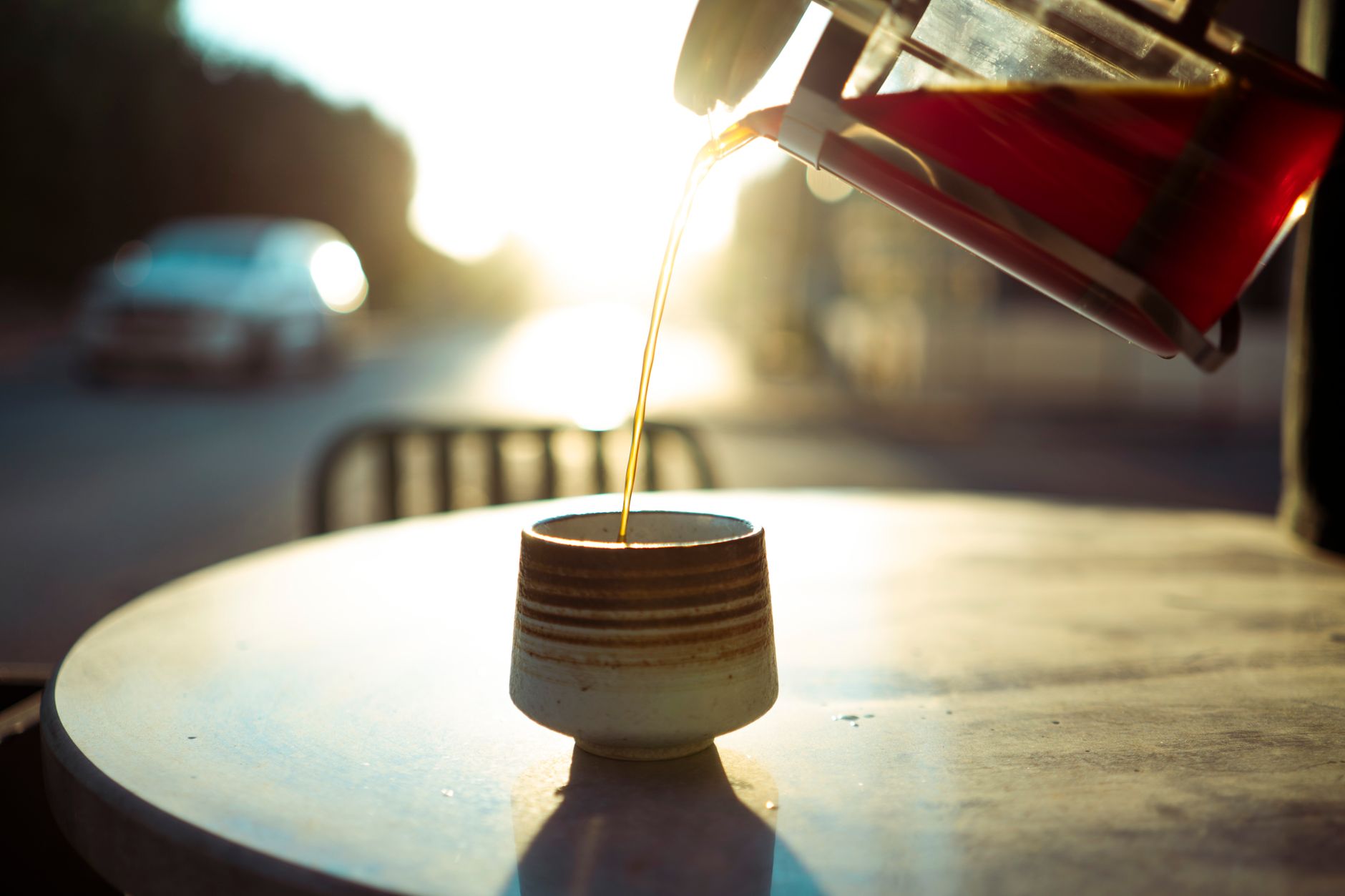
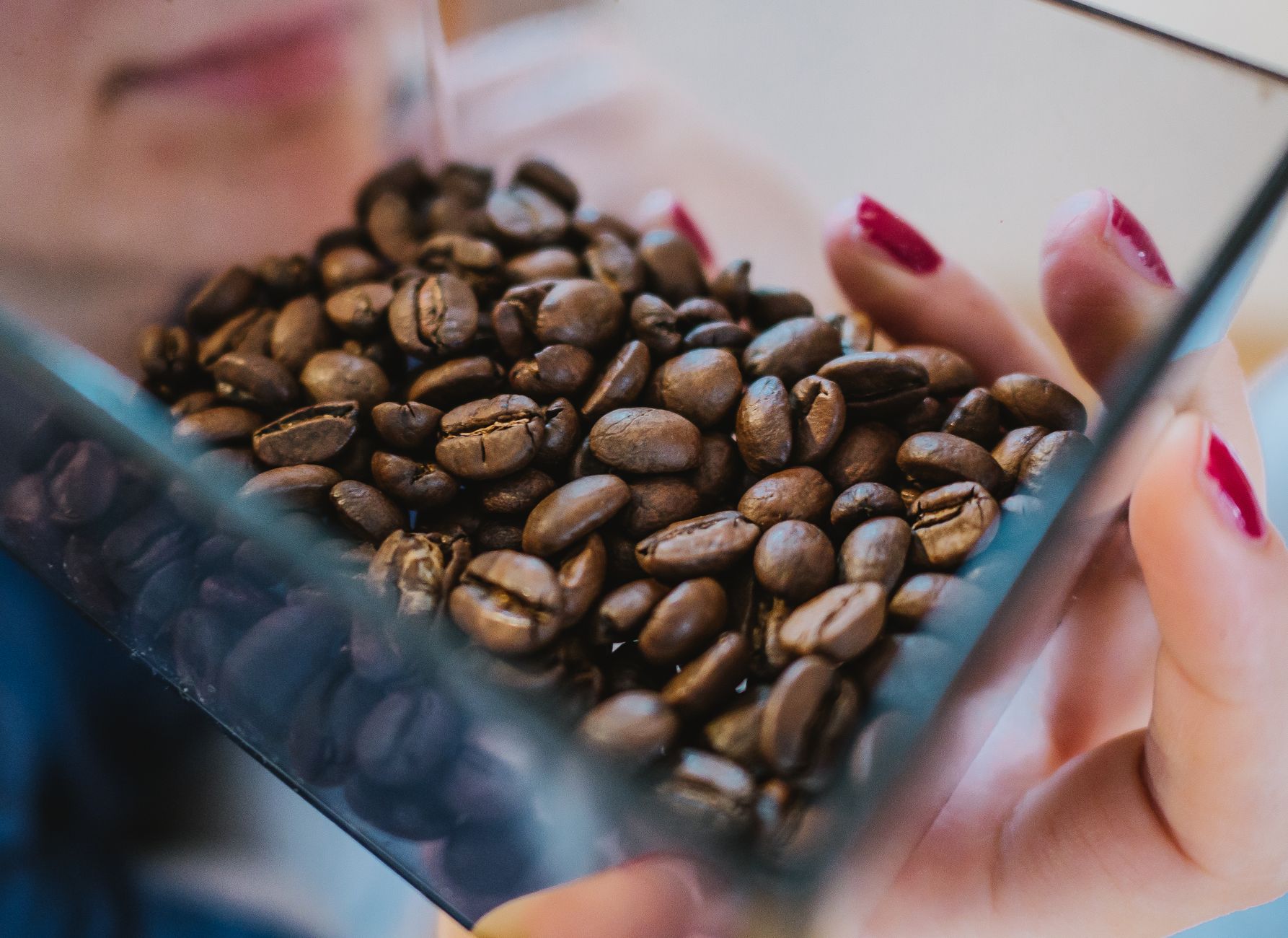 Photo: Jacek via Pexels
Concentrate brews (1:4 to 1:5) work with pre-ground too — just cap steep time at 10–12 hours and dilute 1:1 with water or milk before drinking. Going stronger doesn’t mean going longer; it means using more coffee with the same water volume.
For a full breakdown of ratios, see → Cold Brew Coffee Ratio Calculator
Does the Coffee Brand or Origin Matter?
Brand matters less than roast level and freshness. Any medium or dark roast ground coffee — store brand, Starbucks, Lavazza — brews serviceable cold brew. Single-origin light roasts from specialty roasters taste better on paper but are harder to extract cold and rarely worth the extra cost specifically for cold brew.
 Photo: Taner Soyler via Pexels
Cold brew is a forgiving method that suits cheaper, everyday coffee. The long steep and cold water suppress the harsh edges that make low-grade beans unpleasant in hot methods. It’s one of the few brew methods where “good enough” coffee genuinely produces good enough results.
→ See also:
- Cold Brew Coffee: The Complete Guide (Ratio, Method, Storage)
- How to Make Cold Brew Coffee at Home
- Cold Brew Coffee Ratio Calculator
FAQ
Can I use instant coffee for cold brew? Technically yes — instant coffee dissolves in cold water. But it’s a different product: no brewing, no filtration, and a noticeably flat, chemical flavor compared to steeped ground coffee. Use instant only in a pinch; it isn’t cold brew in any meaningful sense.
Can you use flavored ground coffee for cold brew? Yes. Flavored coffees — vanilla, hazelnut, cinnamon — work fine in cold brew and the long steep amplifies the added flavoring. The base coffee quality still matters; a weak flavored roast produces a weak concentrate. Brew shorter (10–12 hours) since artificial flavorings can turn soapy if over-extracted.
Does pre-ground coffee make cold brew bitter? It can if you over-steep. Pre-ground drip coffee has more surface area than coarse grind, so it extracts faster. Keep steep time under 14 hours in the fridge or under 12 hours at room temperature and it won’t be bitter — it’ll just be slightly less sweet and clear than a coarse-ground brew.
How fine is too fine for cold brew? Espresso grind (very fine, talc-like texture) is too fine for standard cold brew. It clogs filters, makes the brew cloudy, and extracts bitterness fast. If you only have espresso-ground coffee, cap steep time at 8 hours and use a paper filter or double-layer cheesecloth when straining.
Can I cold brew with old coffee that’s past its best-before date? Stale coffee makes stale cold brew — flat, papery, with no sweetness. Past-date pre-ground coffee is worse than fresh pre-ground but still better than nothing. If it smells like cardboard dry, expect cardboard wet. Using twice the coffee dose helps somewhat; it doesn’t fix staleness but masks it.
Editorial methodology: Assessments are based on manufacturer specifications, published user reviews, and editorial research. Physical hands-on testing is noted explicitly where it occurred. Rankings reflect our editorial judgment and are not influenced by affiliate commission rates. Full editorial policy · Affiliate disclosure