Breville Barista Touch Review (2026): Worth the Price?
TL;DR: The Breville Barista Touch is a semi-automatic espresso machine with a built-in grinder, steam wand, and touchscreen that automates the hardest parts of espresso-making. It’s the best all-in-one machine under $1,000 for beginners who want café-quality results without a steep learning curve — but espresso purists will outgrow it.
What Is the Breville Barista Touch?
The Barista Touch is Breville’s answer to the question: what if a prosumer espresso machine coached you through every step? It combines a 54mm portafilter, conical burr grinder, PID temperature control, and auto steam wand into one touchscreen-driven unit priced around $900. It’s not a superautomatic — you still tamp and pull shots — but it removes most of the guesswork.
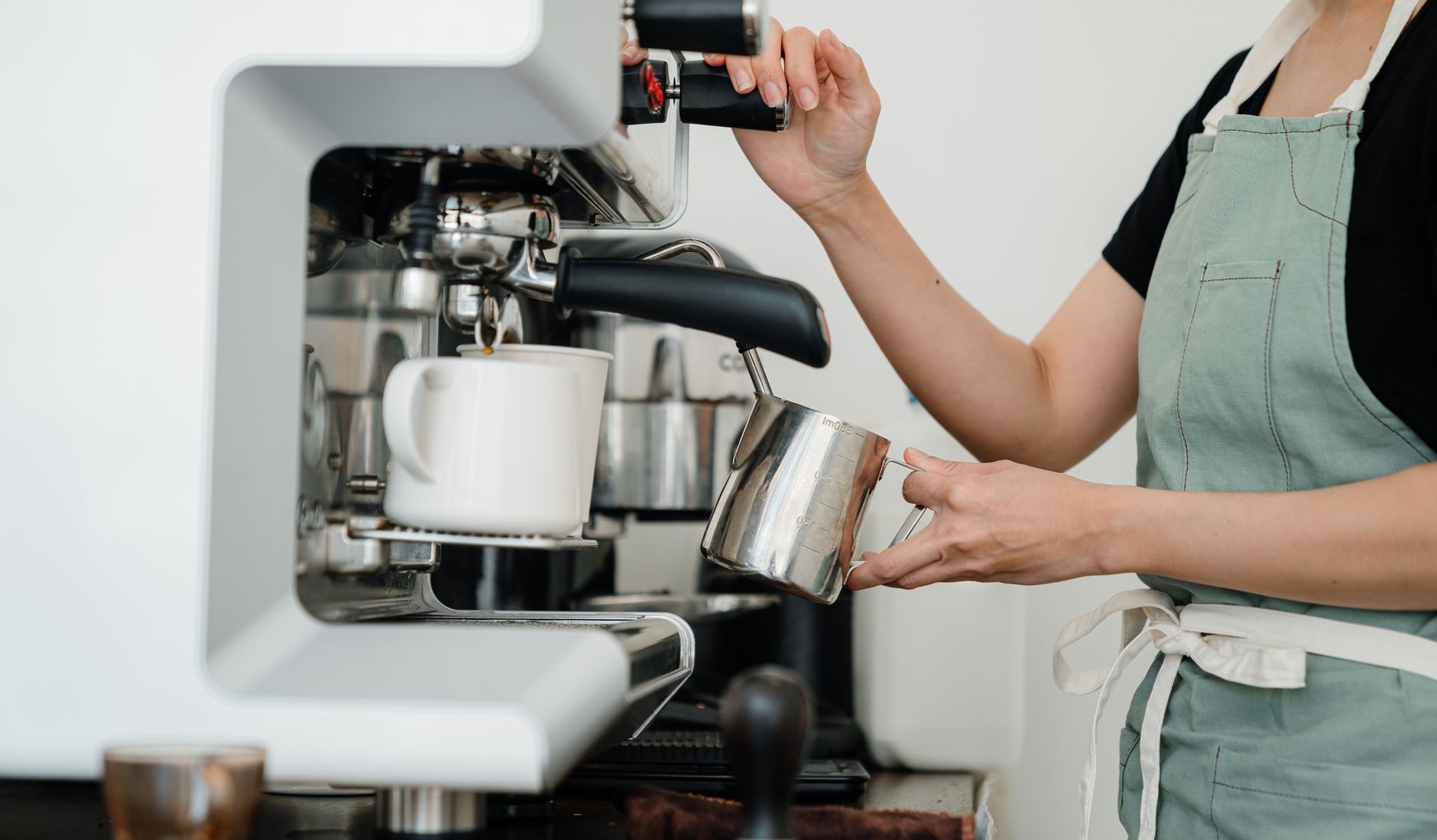
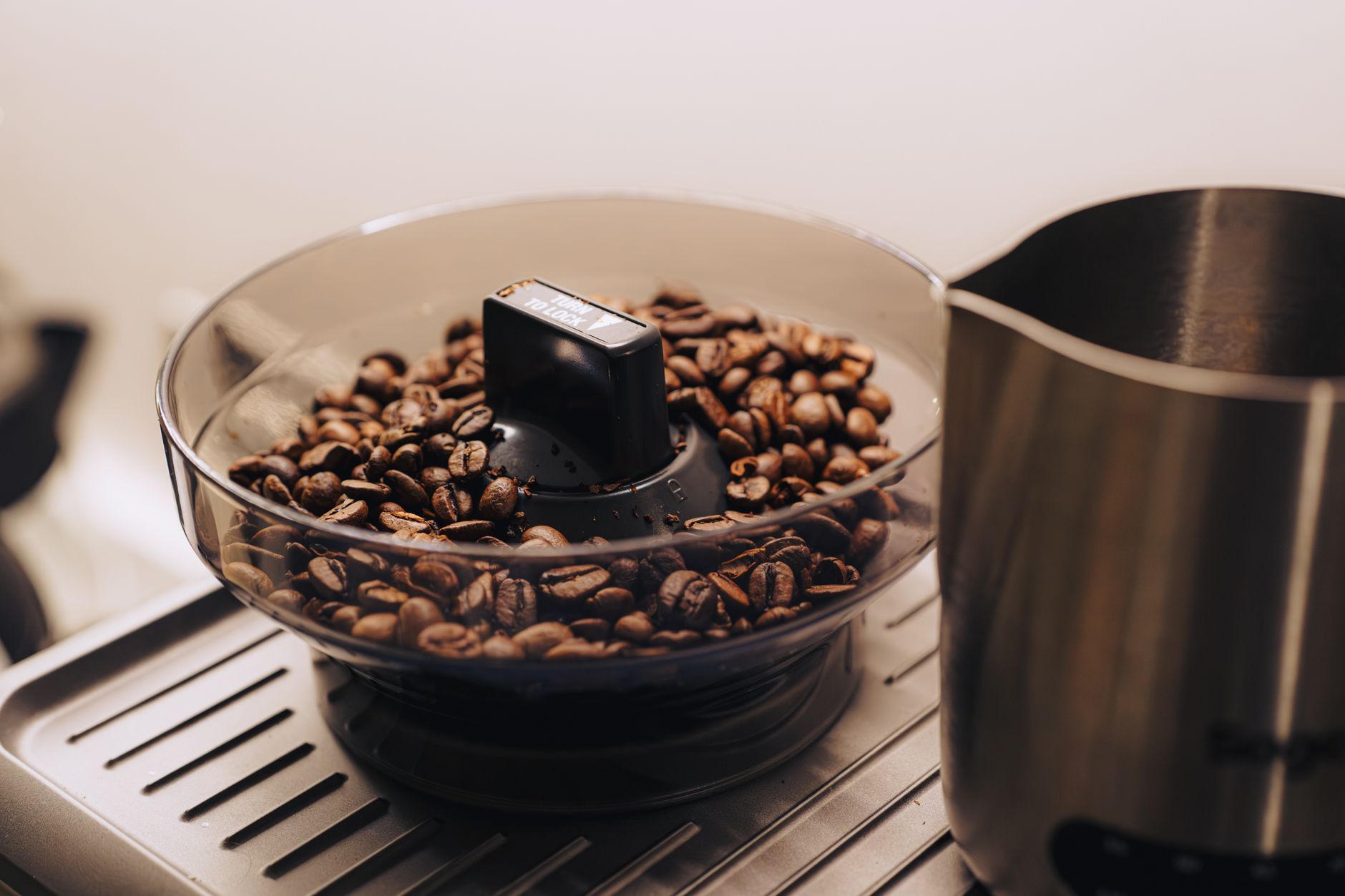 Photo: Selim Karadayı via Pexels
Released in 2019 and refreshed for 2026 with updated software, the Barista Touch sits at the top of Breville’s Barista series. Below it: the Barista Express and Barista Pro. Above it: the Oracle, which auto-tamps.
The machine targets people who’ve graduated from pod coffee, want real espresso at home, but aren’t ready to juggle a standalone grinder, manual steaming, and temperature surfing all at once.
Specs and Build Quality
Solid thermocoil heating, a decent grinder, and a 67-ounce water tank in a brushed stainless body — the Barista Touch punches above its price on hardware. The touchscreen is responsive and bright. The portafilter feels like a real prosumer tool, not a toy.
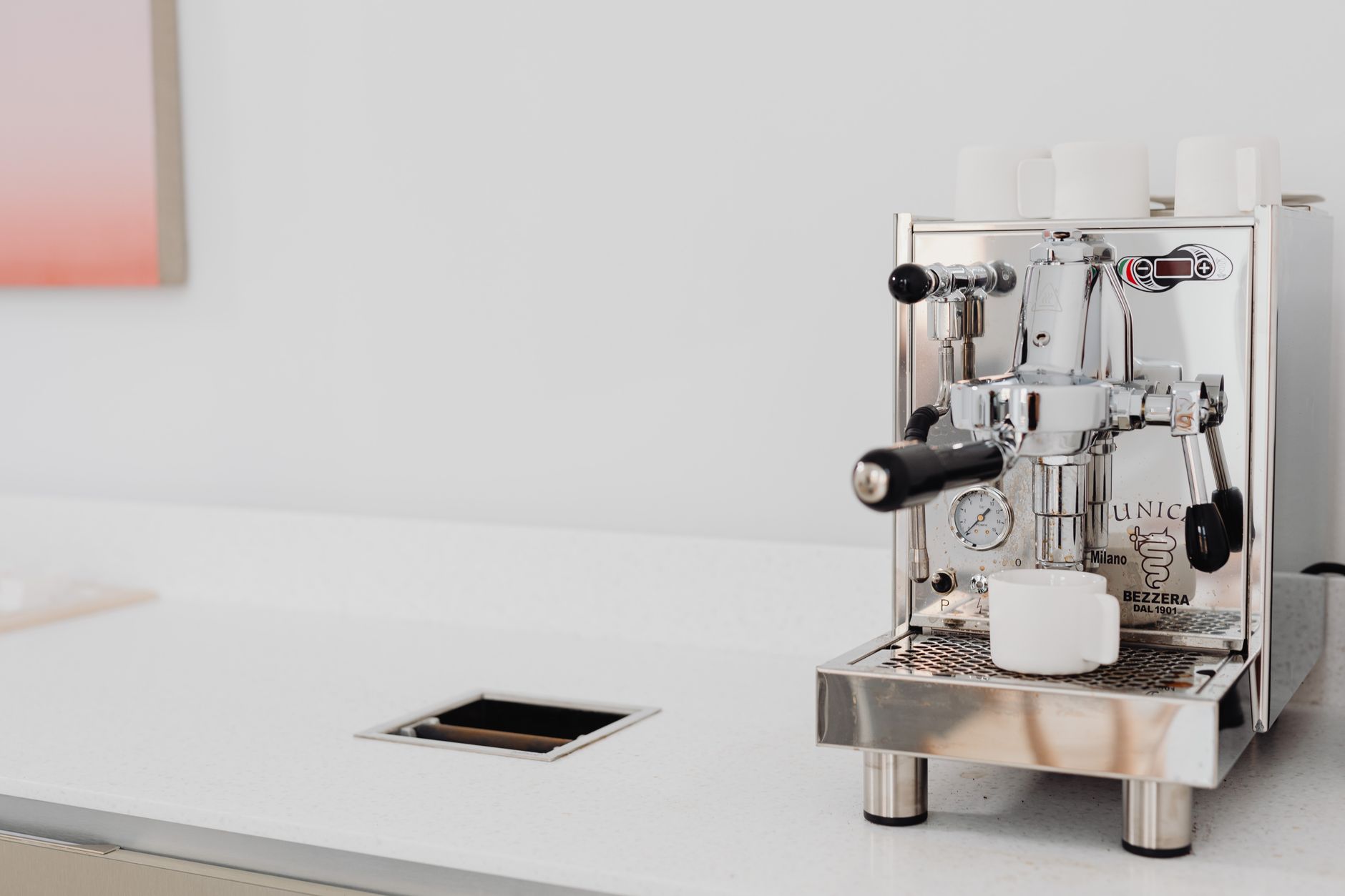
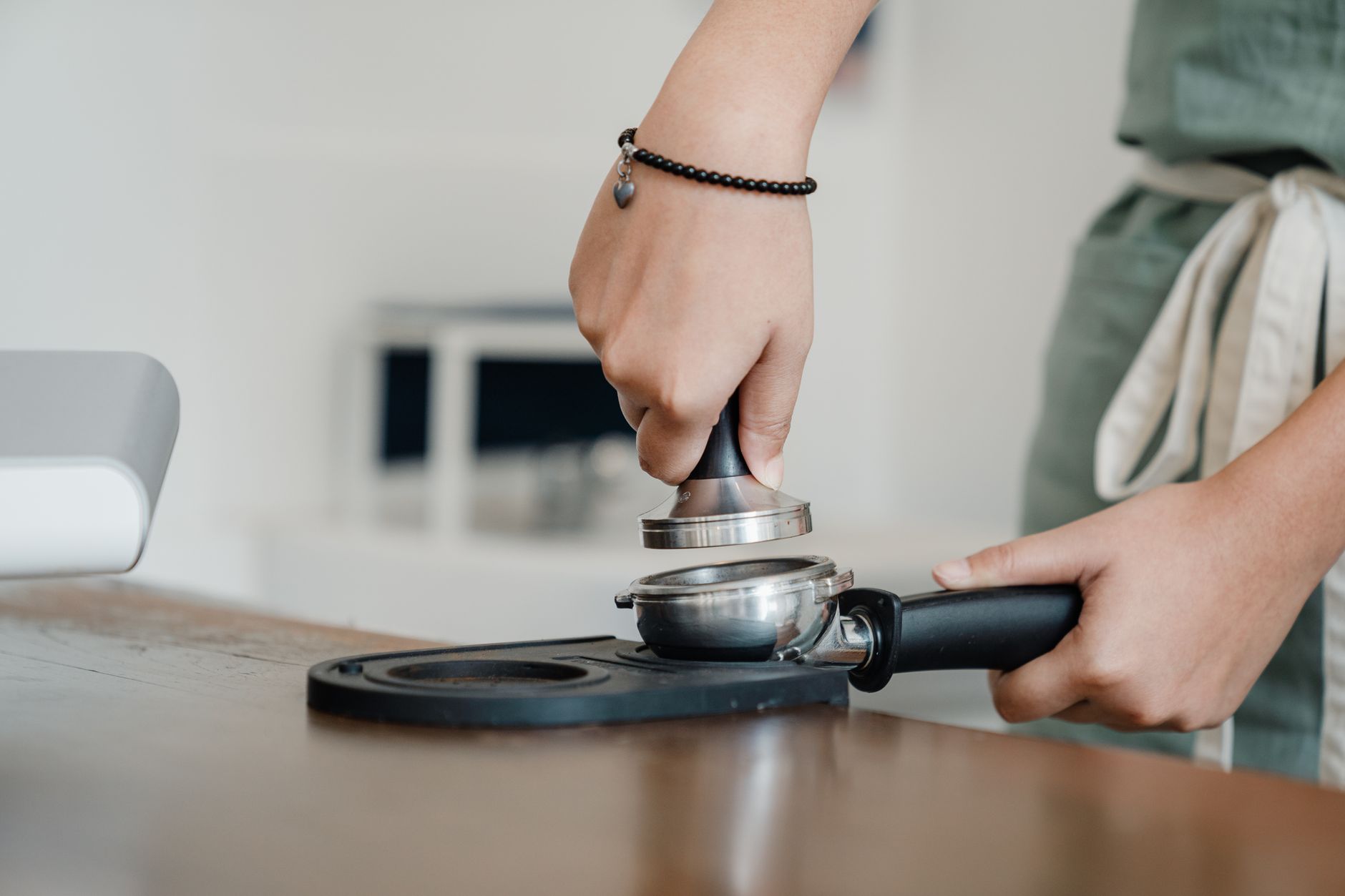 Photo: Ketut Subiyanto via Pexels
Key Specifications
| Feature | Detail |
|---|---|
| Boiler type | Single thermocoil |
| Portafilter size | 54mm |
| PID temperature control | Yes |
| Pump type | 15-bar solenoid (9 bar at extraction) |
| Burr size | 40mm conical stainless |
| Water tank | 67 oz (2L) |
| Steam wand | Auto (touch-activated) |
| Display | 3.5“ color touchscreen |
| Dimensions | 12.8“ H × 13.2“ W × 16.1“ D |
| Weight | 23.1 lbs |
The thermocoil heats fast — 3 seconds to espresso-ready. The single boiler means you wait about 30–45 seconds between pulling a shot and steaming milk; not ideal for back-to-back orders, but fine for home use.
The 40mm conical burr is the same grinder as the Barista Pro. It’s good enough for this price point but not exceptional — light roasts will frustrate you, and grind-size jumps aren’t as granular as a dedicated burr grinder.
Touchscreen and Pre-Set Drink System
The touchscreen stores up to 8 custom drink settings — grind size, dose, shot volume, milk temperature, and milk texture per drink. Once dialed in, you can replicate your espresso or flat white with one tap. This is the machine’s defining feature and the main reason to choose it over the Barista Pro.
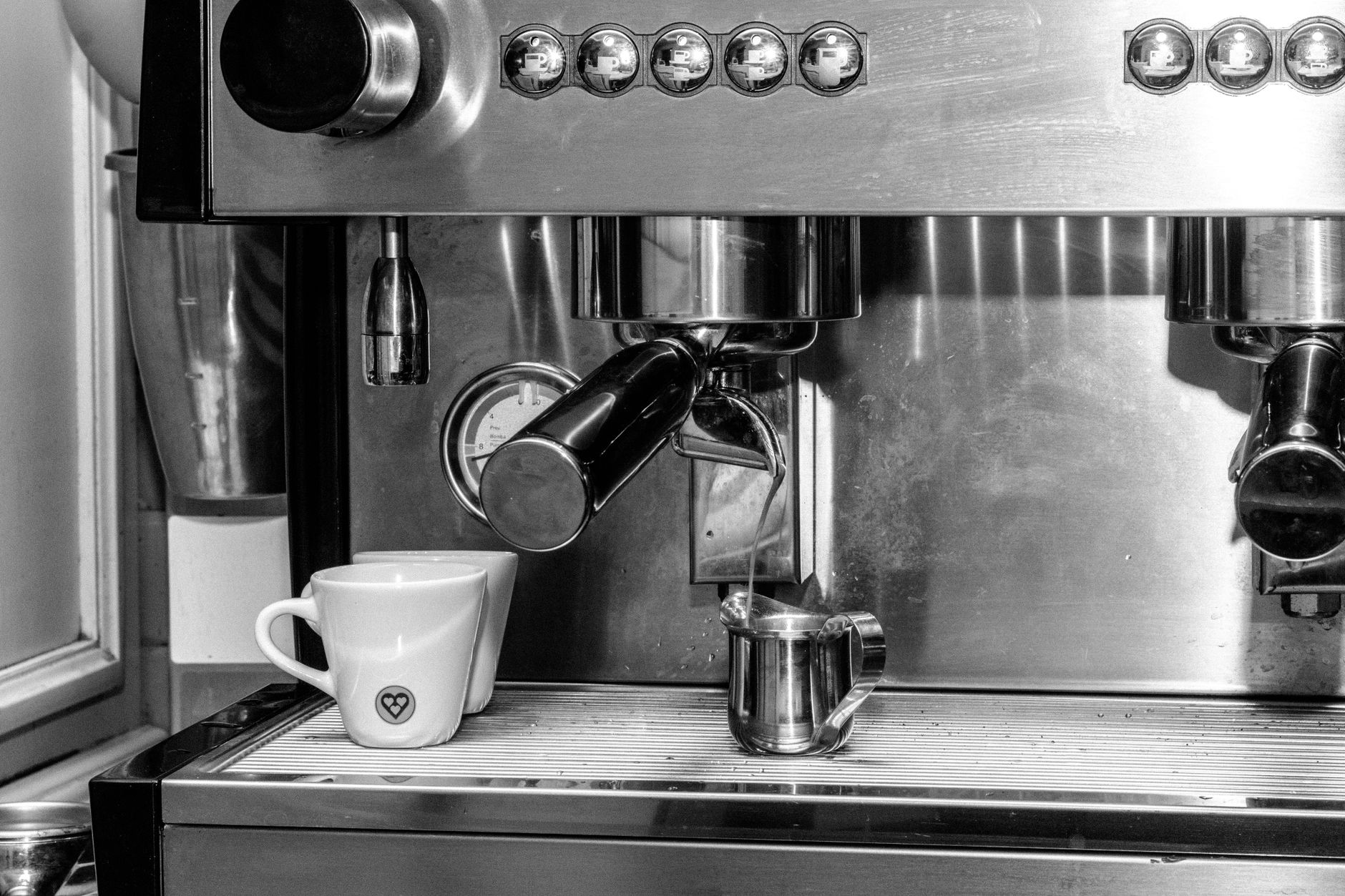
 Photo: Melike B via Pexels
The presets are genuinely useful, not gimmicks. If you have a household with different coffee drinkers — one wants a ristretto, one wants a latte — each person can save their profile. The auto steam wand froths milk to a target temperature automatically, which eliminates a real skill gap for new users.
What the screen doesn’t do: it won’t tell you when your espresso is channeling, when your puck prep is off, or when you need to recalibrate. The machine automates the execution but not the diagnosis.
Espresso Quality
Properly dialed in, the Barista Touch pulls competitive espresso for its class. PID temperature stability, pre-infusion, and a 9-bar extraction pressure all contribute to shots with real sweetness and texture. It won’t replace a Profitec or ECM — but compared to everything under $1,000 with a built-in grinder, it’s the benchmark.
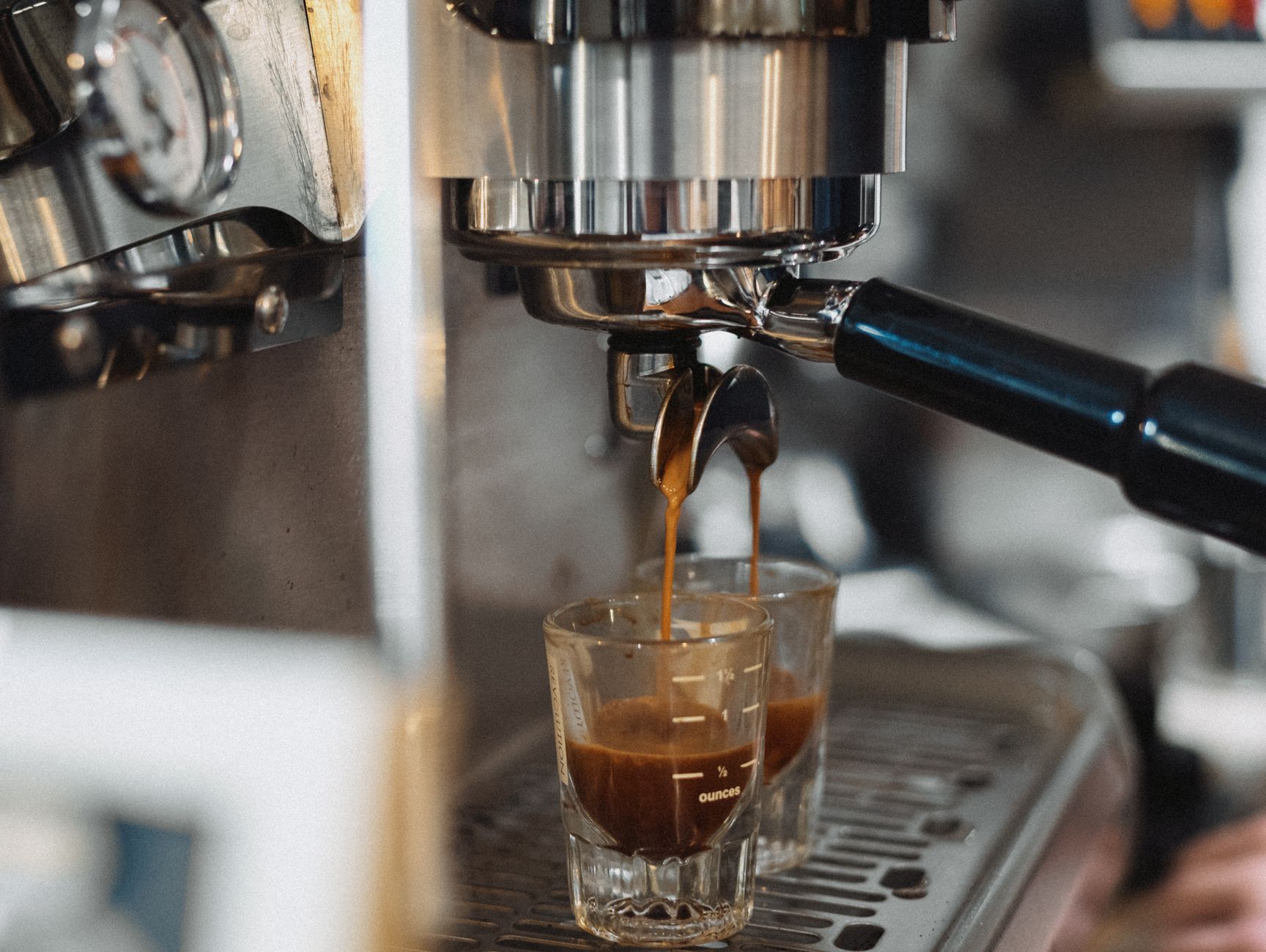
 Photo: Boris Hamer via Pexels
Pre-infusion is on by default: the machine wets the puck at low pressure before ramping up, which reduces channeling and improves extraction evenness. You can’t manually control pre-infusion duration (unlike the Oracle Touch), but the default behavior is sensible.
The 54mm portafilter is smaller than the 58mm industry standard. It’s not a dealbreaker, but it does mean less surface area for even water distribution, and you can’t use standard 58mm baskets and accessories.
With medium roasts and good grind technique, the Barista Touch consistently produces shots between 18–22% extraction with balanced flavor. With light roasts, the 40mm burr starts to show its limits — inconsistent particle size means more sour, hollow shots that a better grinder would avoid.
Milk Steaming
The auto steam wand hits a programmable temperature (default: 140°F) and stops. Texture is decent — microfoam good enough for latte art basics. It won’t satisfy an experienced barista, but it’s genuinely better than most machines at this price.
The wand purges automatically before and after use. You set the milk temperature on the touchscreen per drink profile. The texture isn’t as silky as a manual steam wand in skilled hands, but it’s consistent — which matters more for home use.
Breville Barista Series Comparison
| Machine | Price | Boiler | Portafilter | PID | Pump | Best For |
|---|---|---|---|---|---|---|
| Barista Express | ~$700 | Thermocoil | 54mm | No | Solenoid | Budget all-in-one |
| Barista Pro | ~$800 | Thermocoil | 54mm | Yes | Solenoid | Manual control, faster heat |
| Barista Touch | ~$900 | Thermocoil | 54mm | Yes | Solenoid | Touchscreen, presets, auto steam |
| Oracle Touch | ~$2,500 | Dual boiler | 58mm | Yes | Solenoid | Auto-tamp, simultaneous brew/steam |
The $100 gap between the Barista Pro and Barista Touch buys you the touchscreen, saved drink profiles, and auto steam wand. If you value manual control and don’t need presets, the Pro is the better buy. If you want to hand the machine to a partner who doesn’t want to learn technique, the Touch earns its premium.
Verdict by User Archetype
Milk drinker / latte household: Strong buy. The auto steam wand and drink presets mean anyone in the house can make a consistent flat white in under 90 seconds. The temperature presets eliminate the skill gap entirely.
Espresso purist: Pass at this price. The 40mm burr limits extraction potential with lighter roasts, the 54mm portafilter locks you out of better accessories, and you can’t manually control pre-infusion. Put the $900 toward a Gaggia Classic Pro
Convenience-first / beginner: Best option in its class. The guided setup, saved profiles, and fast heat-up time (3 seconds) make this the easiest path from pod coffee to real espresso without a barista course.
What Could Be Better
- 40mm burr grinder — the weakest component. Light roast fans will hit the ceiling fast.
- 54mm portafilter — limits accessory compatibility and extraction evenness vs. 58mm standard.
- Single boiler — the 30–45 second wait between espresso and steam is real in a busy morning.
- No manual pre-infusion control — the Oracle Touch has it; the Barista Touch doesn’t.
- Cleaning — the machine prompts you, but descaling and cleaning cycles are frequent and take 20+ minutes.
→ See Also
- The Complete Guide to Espresso Machines (2026)
- Best Espresso Machine Under $500 (2026)
- Best Espresso Machine Under $200 (2026)
FAQ
Is the Breville Barista Touch worth it in 2026? Yes, for the right buyer. If you want a single machine that grinds, tamps, pulls shots, and steams milk with minimal technique required, the Barista Touch is the best sub-$1,000 option. If you already have a grinder or want a 58mm portafilter, better alternatives exist at the same price.
How does the Breville Barista Touch compare to the Barista Pro? The Barista Pro is $100 cheaper and has a faster OLED interface, but no touchscreen, no saved drink profiles, and a manual steam wand. The Touch is better for households where multiple people use the machine; the Pro rewards users who want to develop technique manually.
Can you use the Breville Barista Touch with pre-ground coffee? Yes. The portafilter tray accepts pre-ground coffee, bypassing the built-in grinder. It’s a useful option for those who buy pre-ground specialty coffee, though the built-in grinder is good enough for most medium roasts.
What grind size should I use on the Breville Barista Touch? Start at grind size 5 for espresso with a medium roast, then adjust based on shot time. Target 25–30 seconds for a 1:2 ratio (18g in, 36g out). Go finer if the shot runs fast and tastes sour; coarser if it runs slow and tastes bitter.
Does the Breville Barista Touch have a pressure gauge? No. Unlike the Barista Express, the Barista Touch does not have an external pressure gauge. You diagnose extraction by shot time and taste rather than live pressure readings — a minor frustration for those used to watching the gauge.
Editorial methodology: Assessments are based on manufacturer specifications, published user reviews, and editorial research. Physical hands-on testing is noted explicitly where it occurred. Rankings reflect our editorial judgment and are not influenced by affiliate commission rates. Full editorial policy · Affiliate disclosure