Breville Barista Pro Review (2026): Worth the Upgrade?
TL;DR: The Breville Barista Pro review verdict is straightforward — it’s the best all-in-one espresso machine under $800 for home baristas who want real espresso control without buying a separate grinder. The integrated flat burr grinder, ThermoJet heating system, and LCD interface make it genuinely capable, though the steam wand takes practice to master.
What Is the Breville Barista Pro?
The Barista Pro is a prosumer-level, bean-to-cup espresso machine with a 54mm portafilter, integrated conical burr grinder, ThermoJet boiler, and a digital LCD for dose and temperature control. It bridges the gap between entry-level pod machines and full semi-automatic setups requiring a separate grinder.
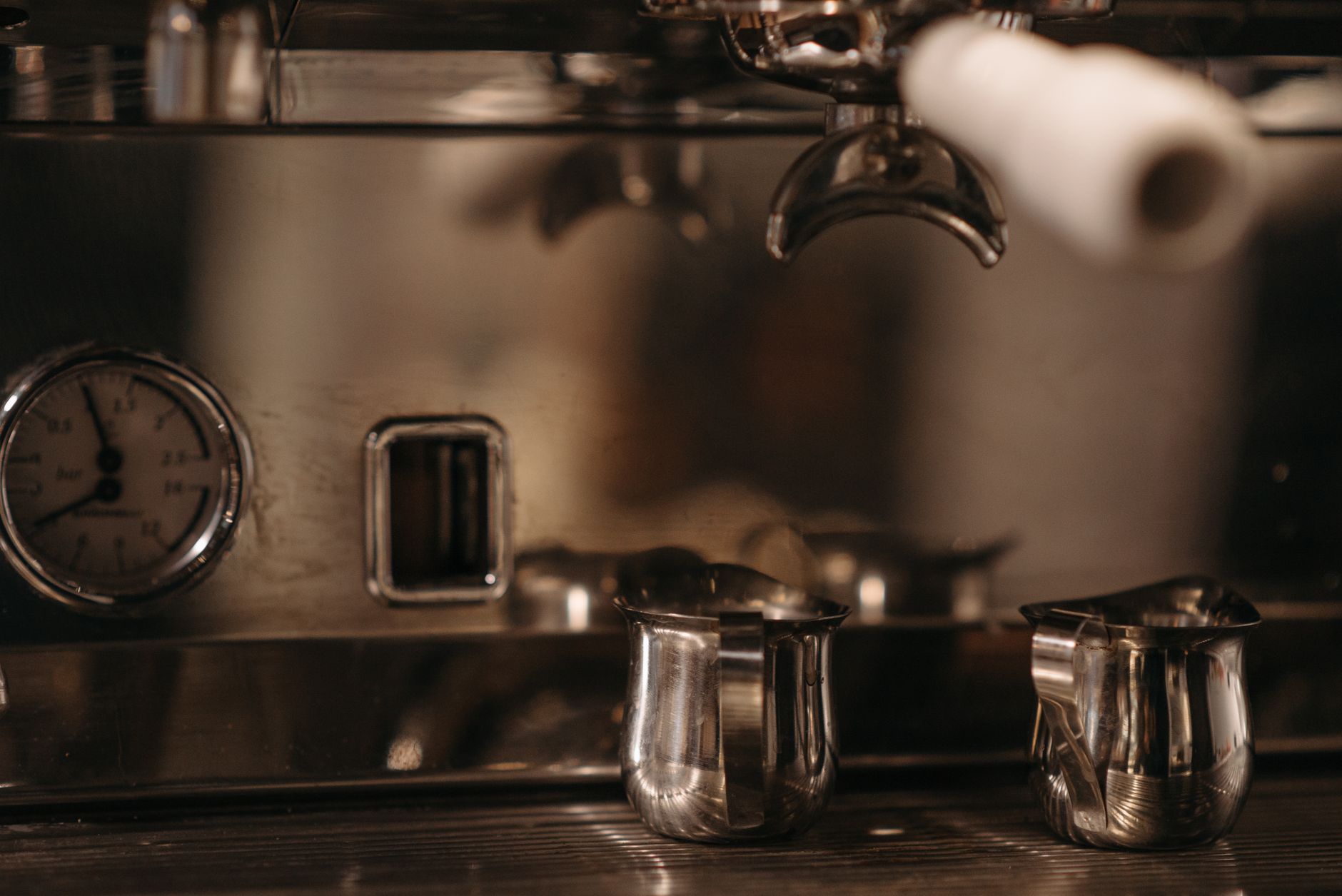 Photo: Pavel Danilyuk via Pexels
The Barista Pro (BES878) sits one step above the Barista Express
For someone pulling shots at home every morning, these aren’t cosmetic upgrades — they’re workflow improvements you feel on the first use.
Specs at a Glance
| Feature | Breville Barista Pro |
|---|---|
| Boiler Type | ThermoJet (single thermocoil) |
| Portafilter Size | 54mm |
| PID Temperature Control | Yes (LCD, ±2°F increments) |
| Pump Type | 15-bar Italian vibratory pump |
| Grinder Burr Type | Conical stainless steel |
| Grinder Settings | 30 stepped |
| Water Tank | 67 oz (2L) |
| Weight | 22.5 lbs |
| Dimensions | 13.5“ H × 12.3“ W × 15.5“ D |
Espresso Quality: What It Actually Pulls
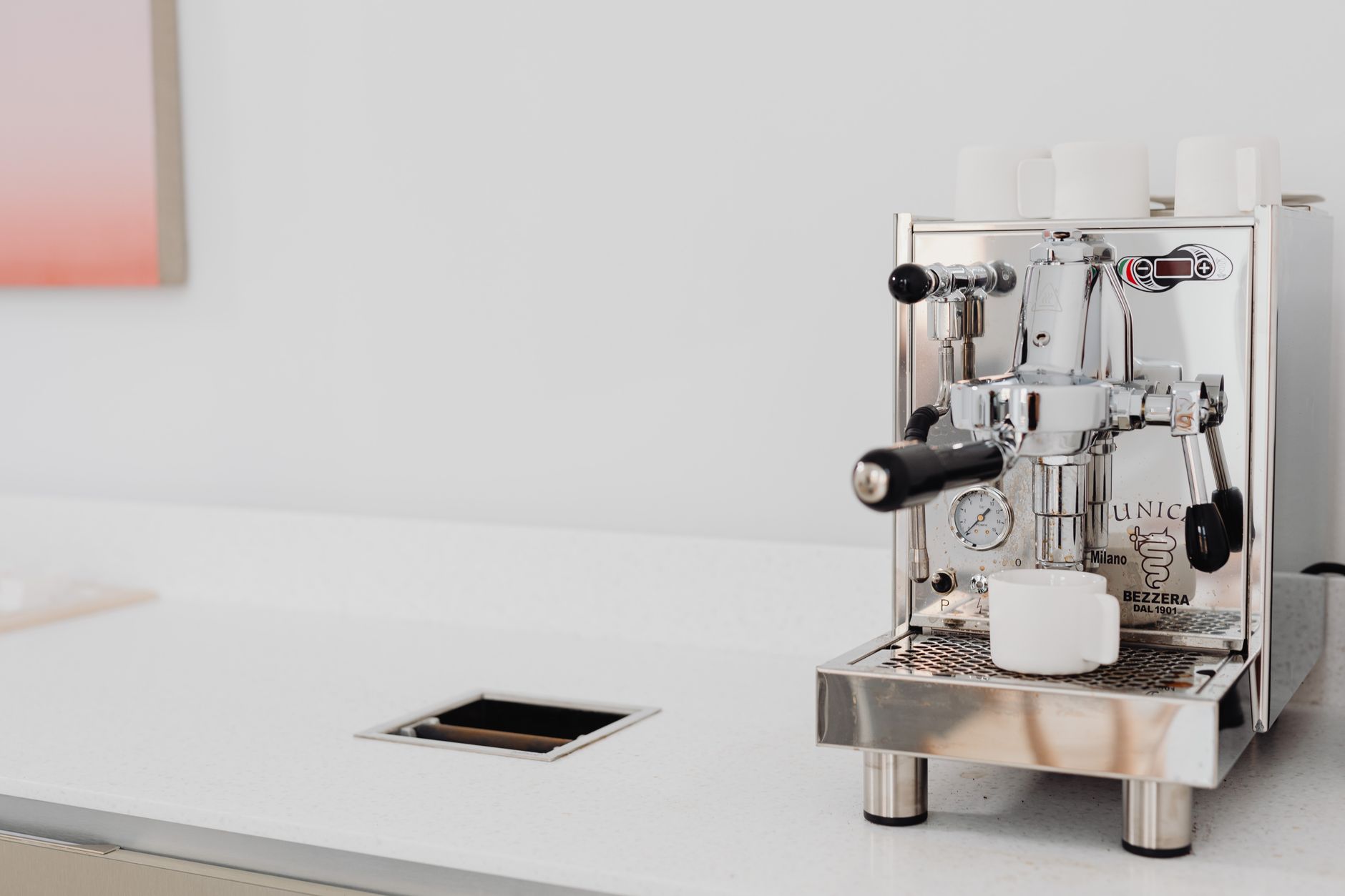
The Barista Pro pulls genuinely good espresso — thick body, golden crema, and enough clarity to taste origin character in quality beans. The 9-bar extraction pressure and precise temperature control (196–204°F range) let you tune extractions in ways most sub-$1000 machines don’t allow.
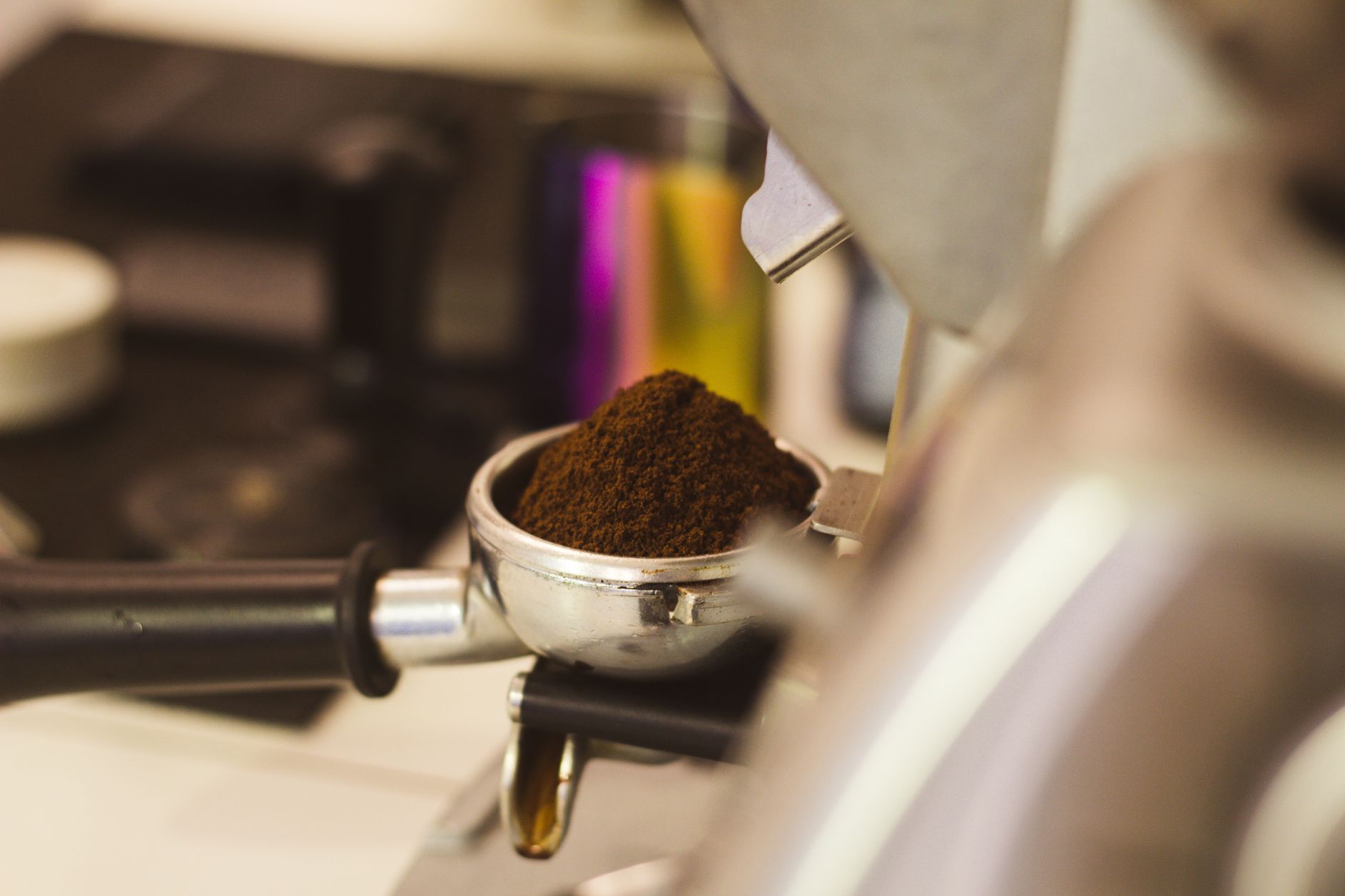 Photo: Far MWX via Pexels
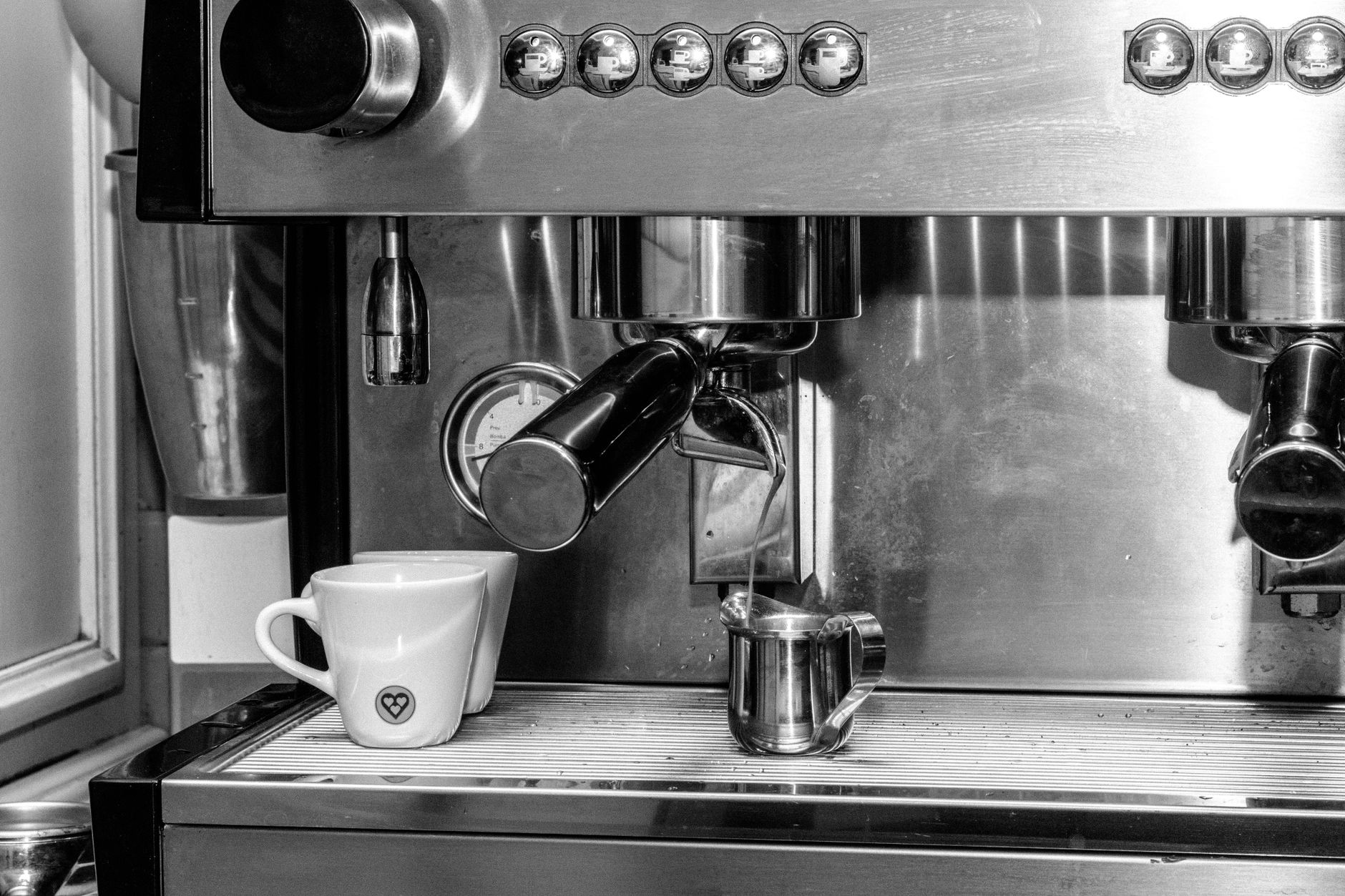
The 54mm portafilter is slightly smaller than the 58mm standard used by La Marzocco and Rancilio, which limits your aftermarket basket options — but Breville’s included precision baskets (single, double, and single-wall) perform well out of the box.
Temperature stability is where ThermoJet earns its keep. The single thermocoil reaches brew temp in 3 seconds, and because there’s a dedicated steam mode, you’re not waiting for a single boiler to cool down between pulling a shot and texting milk. The transition takes about 10–12 seconds — not instant, but far better than the Express.
One real limitation: the vibratory pump can be noisy. If you’re pulling shots in a quiet apartment at 6am, expect to hear it.
The Integrated Grinder: Honest Assessment
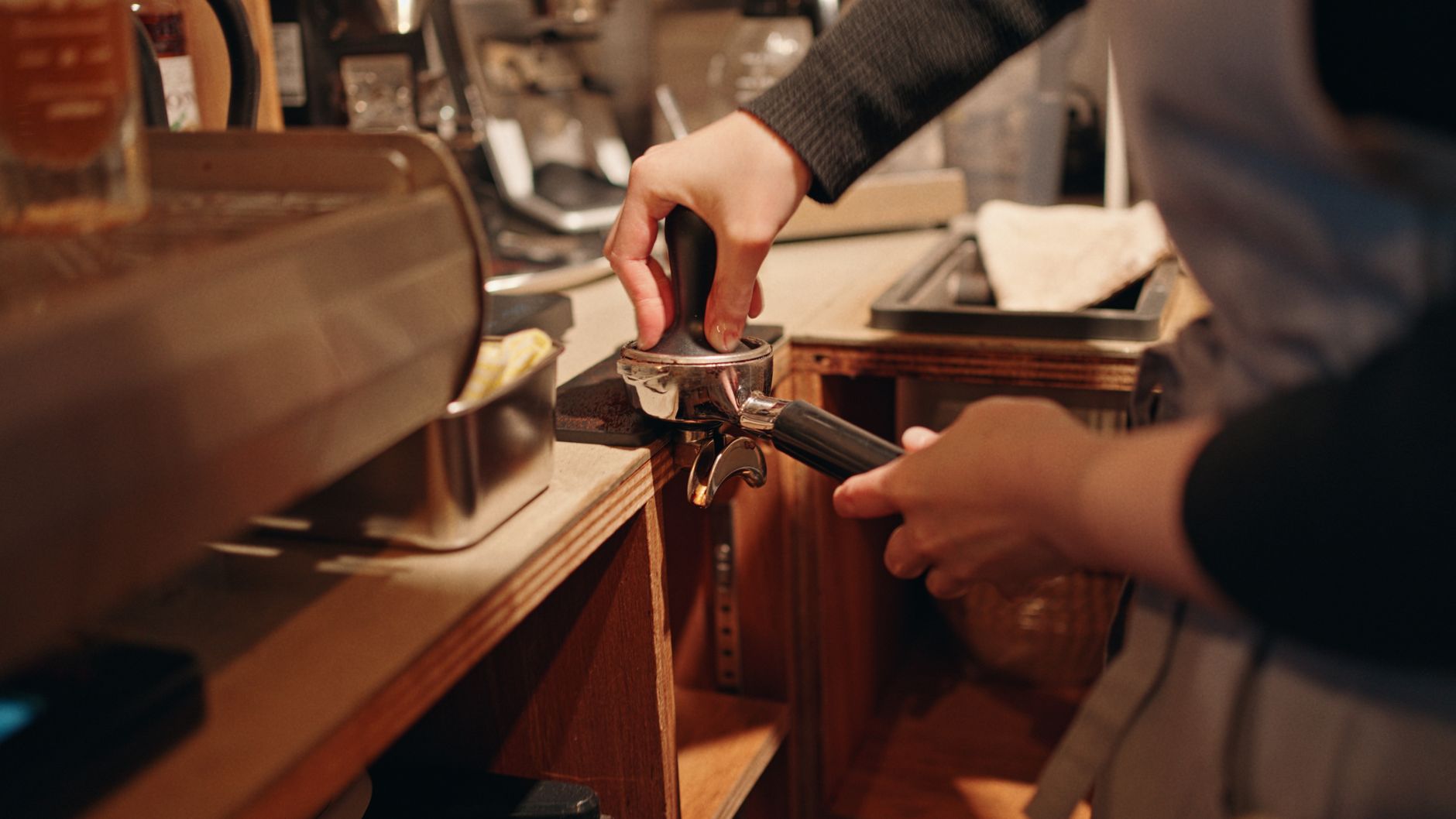
The conical burr grinder is the reason to buy this machine over a stand-alone espresso machine in the same price range. Thirty grind settings cover the full espresso range, the dose is adjustable via the LCD, and grind-to-shot workflow takes under 90 seconds start-to-finish.
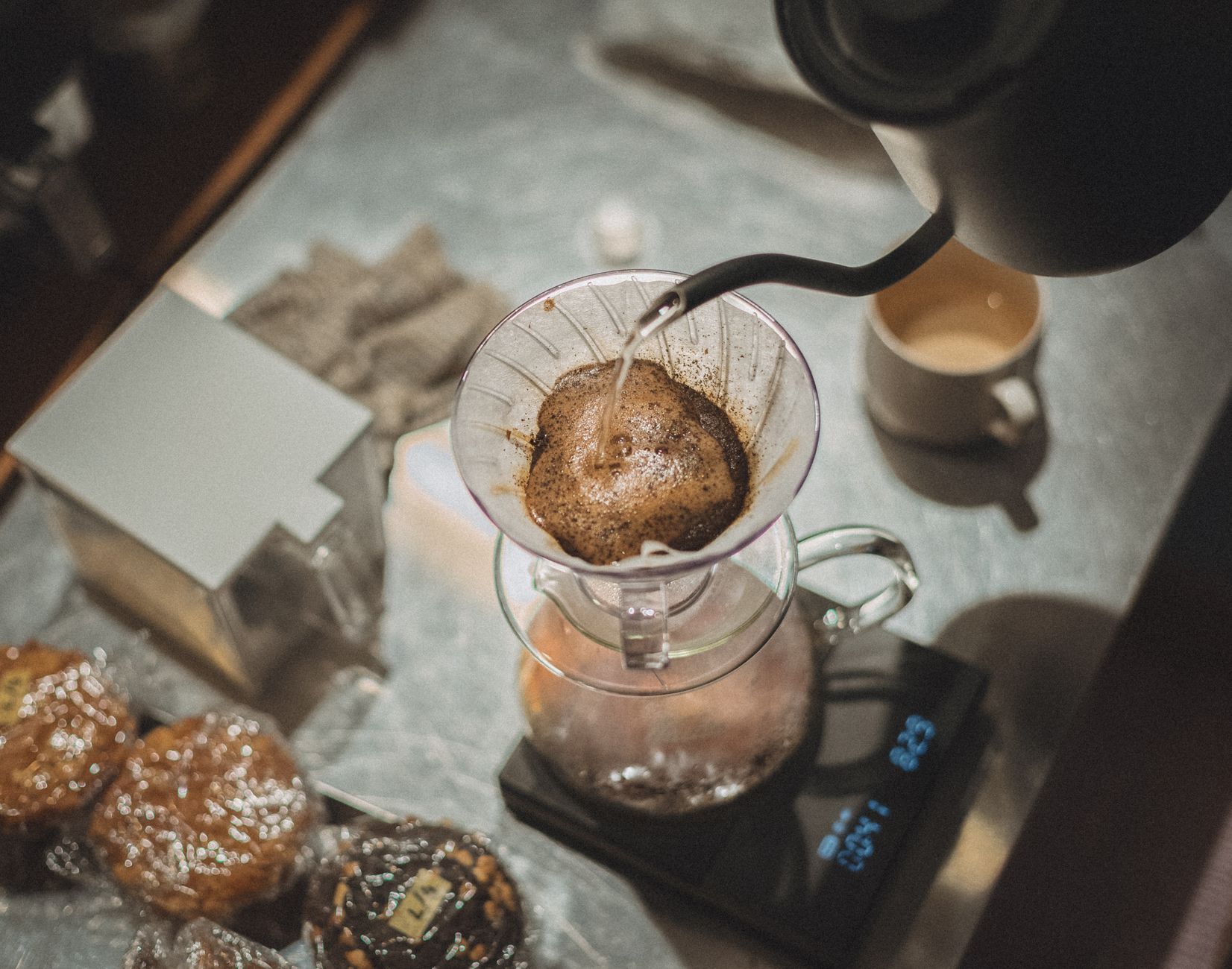 Photo: Gu Ko via Pexels
That said, it’s still an integrated grinder — which means trade-offs:
- Retention is higher than a standalone grinder. Expect 0.5–1g of stale grounds if you switch beans often.
- Burr quality matches a $150–200 standalone. Good for espresso, not a Niche Zero.
- Grind adjustment requires experimentation. The 30 stepped settings feel wide in the fine range — small jumps matter for espresso, and you’ll find yourself between settings sometimes.
For a single-bean household pulling 1–2 shots daily, this grinder is genuinely good enough. Specialty roasters who swap beans weekly will feel the limitations.
Steam Wand Performance
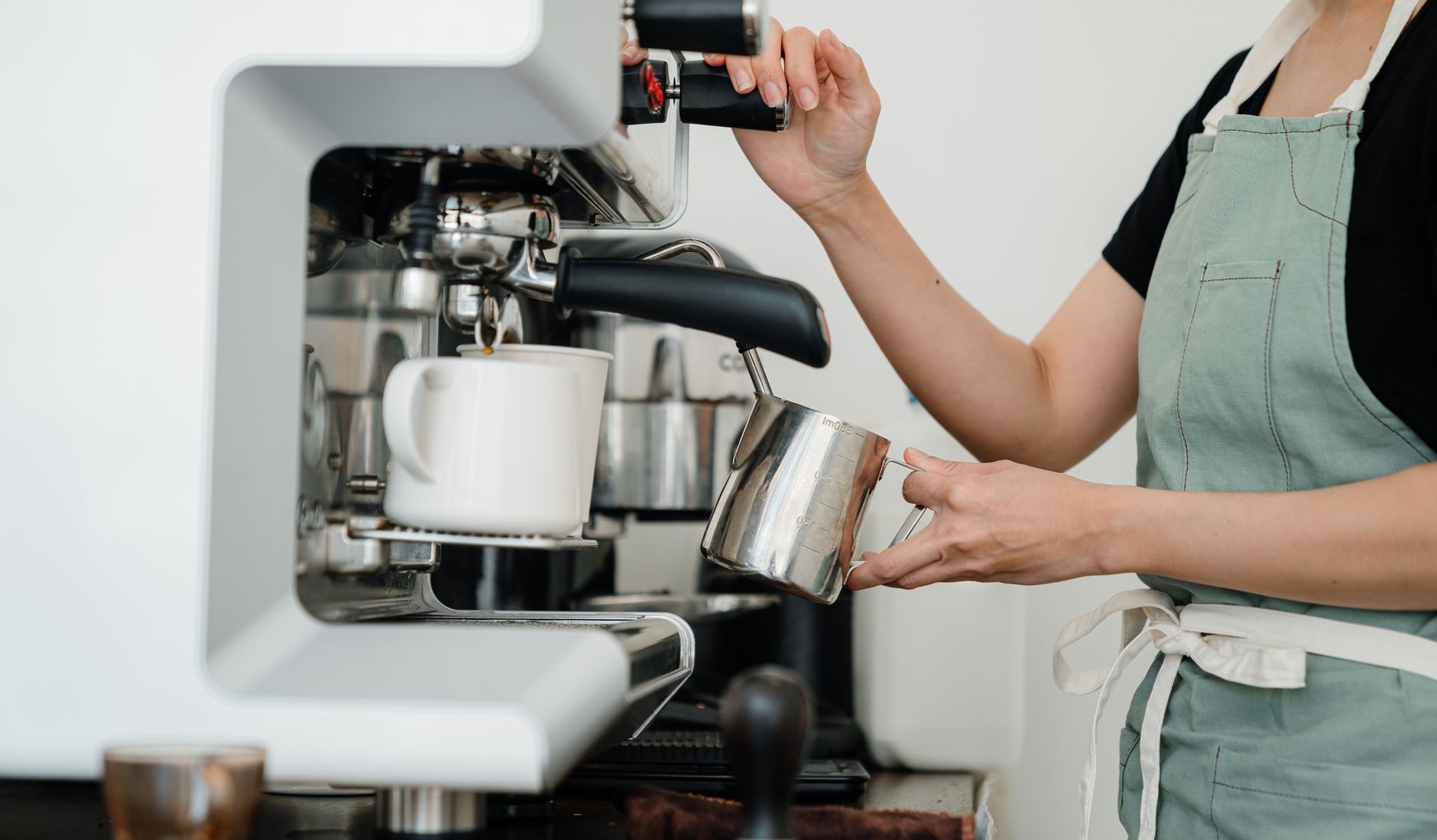
The steam wand is functional but demands patience. It produces adequate microfoam for lattes and flat whites — smooth enough for latte art with practice — but the wand tip and boiler pressure are tuned for approachability, not barista competition.
Compared to machines with dedicated steam boilers (like the Breville Dual Boiler at nearly double the price), the Pro’s steam takes longer to texture milk and produces lighter foam. For flat whites and lattes: fine. For stiff cappuccino foam: it’ll get there, slowly.
The wand tip is a single-hole, making controlled texturing easier for beginners. If you want more steam aggression, aftermarket tips are available.
Breville Barista Pro vs. Competitors
| Machine | Price | Boiler | Portafilter | PID | Pump | Best For |
|---|---|---|---|---|---|---|
| Breville Barista Pro | ~$750 | ThermoJet | 54mm | Yes | Vibratory | Home baristas wanting grinder + espresso |
| Breville Barista Express | ~$600 | Thermocoil | 54mm | No | Vibratory | Budget all-in-one, less control |
| Gaggia Classic Pro | ~$450 | Single boiler | 58mm | No | Vibratory | Tinkerers, modders, 58mm ecosystem |
| De’Longhi La Specialista Arte | ~$700 | Dual heating | 51mm | Yes | Pump | Convenience-first, quieter operation |
| Rancilio Silvia Pro X | ~$1,100 | Dual boiler | 58mm | Yes | Vibratory | Espresso-only purists, no grinder needed |
The Barista Pro wins on the all-in-one value equation. If you already own a good grinder, the Gaggia or Rancilio offers better espresso hardware per dollar.
Verdict by User Type
Milk drinker (lattes, cappuccinos): The ThermoJet’s fast mode switch makes milk drinks practical on a daily schedule. Steam takes practice but delivers. Recommended.
Espresso purist: The 54mm portafilter and integrated grinder will eventually feel limiting as your palate develops. Start here, plan to upgrade the grinder in 12–18 months. Good starting point.
Convenience-first: The LCD, auto-dose, and one-touch workflow are genuinely streamlined. If you want push-button simplicity with real espresso output, this delivers. Recommended.
What I’d Change
Three things hold the Barista Pro back from a perfect score:
- The drip tray is small. It fills quickly and lacks a level indicator — you’ll overflow it once.
- Grind retention makes bean-switching messy. A single-bean household won’t notice; anyone experimenting will.
- The manual is inadequate. Breville’s setup guide doesn’t explain dose-to-yield or shot timing. You’ll need YouTube or the r/espresso wiki to dial in properly.
None of these are dealbreakers — they’re just honest gaps worth knowing before purchase.
→ See also
- The Complete Guide to Espresso Machines (2026)
- Best Espresso Machine Under $500 (2026)
- Best Espresso Machine Under $200 (2026)
FAQ
Is the Breville Barista Pro worth it over the Barista Express? Yes, if you pull more than one shot daily or steam milk regularly. The ThermoJet’s 3-second heat-up and dedicated steam mode eliminate the biggest workflow friction of the Express — waiting. The ~$150 price gap is justified by the quality-of-life improvement alone.
How long does the Breville Barista Pro last? With regular descaling (every 2–3 months in hard water areas) and portafilter cleaning after each session, five to seven years is realistic. Breville’s parts availability is good — group head gaskets, baskets, and solenoid valves are all serviceable by a competent home user.
Can you use pre-ground coffee in the Barista Pro? Yes. The portafilter accepts pre-ground coffee via the single-wall baskets (included). You bypass the grinder entirely — just dose directly into the basket. The pressurized single-wall basket compensates for inconsistent pre-ground particle size.
Does the Barista Pro make good latte art? Competent microfoam is achievable — smooth, glossy, pourable. The limiting factor is technique, not the machine. The wand tip and steam pressure are enough for basic pours (hearts, tulips) once you’ve logged 30–40 milk sessions. It won’t match a dedicated steam boiler for competition-level work.
What grind setting should I start with on the Barista Pro? Start at setting 5–7 for espresso with a medium roast. Aim for a 1:2 ratio (e.g., 18g in, 36g out) in 25–30 seconds. If the shot runs fast and tastes sour, go finer (lower number). If it runs slow and tastes bitter, go coarser (higher number). Adjust one step at a time.
Editorial methodology: Assessments are based on manufacturer specifications, published user reviews, and editorial research. Physical hands-on testing is noted explicitly where it occurred. Rankings reflect our editorial judgment and are not influenced by affiliate commission rates. Full editorial policy · Affiliate disclosure