Contents
Best Water for Coffee: TDS, Minerals, and Filter Guide
TL;DR: The best water for coffee has a TDS of 75–175 mg/L, moderate hardness (50–100 mg/L as CaCO₃), and no chlorine. Straight tap water is fine in many cities; heavily softened, distilled, or very hard tap water all hurt extraction and flavor. A simple carbon filter or mineral-balanced bottled water fixes most problems.
Why Water Quality Changes Everything in Your Cup
Direct Answer: Water makes up 98–99% of brewed coffee. Its mineral content — especially magnesium and calcium — actively binds to flavor compounds during extraction. Too few minerals and the brew tastes flat; too many and it tastes harsh, chalky, or over-extracted. Chlorine suppresses aromatics entirely.
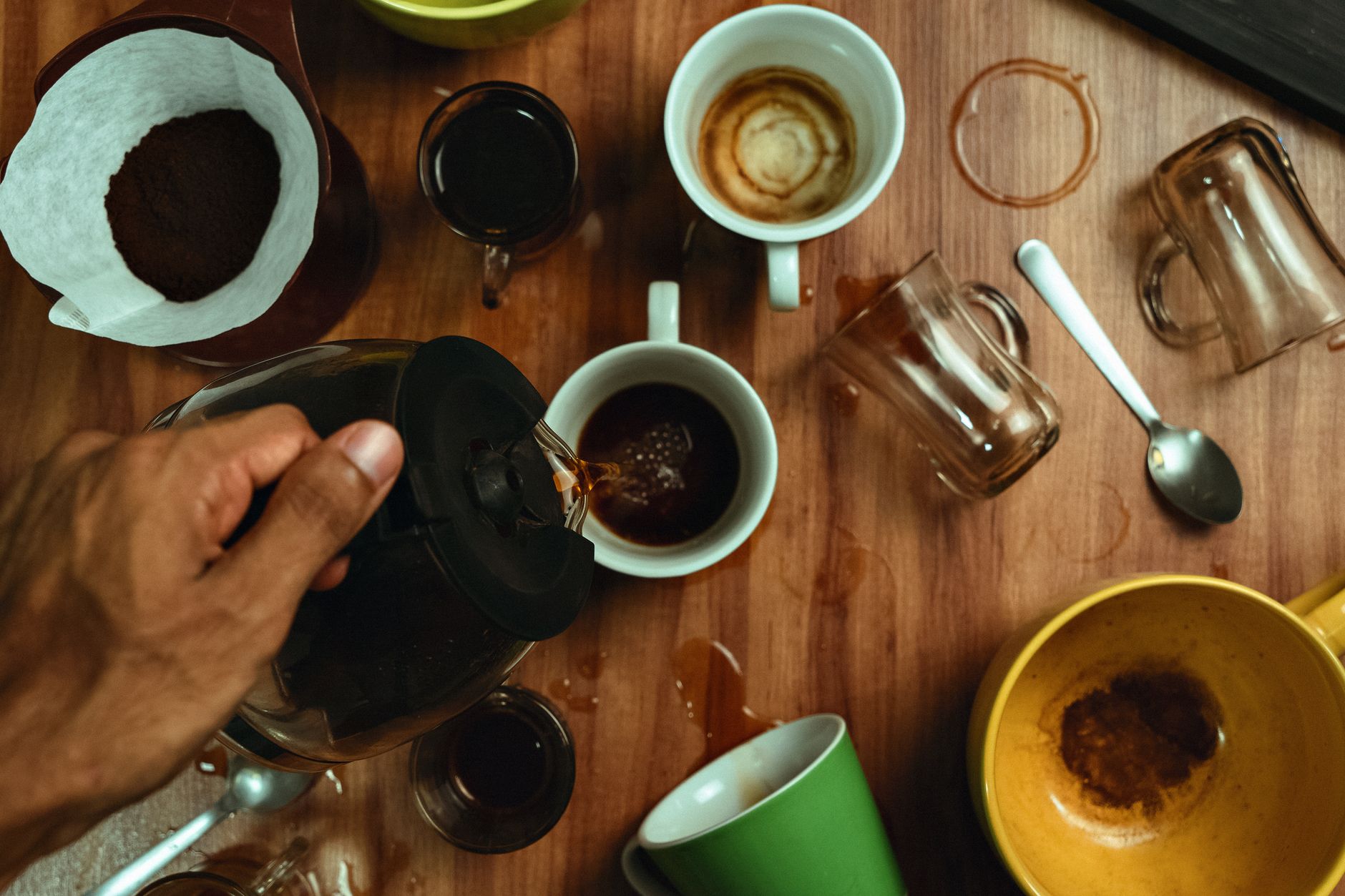 Photo: Lucas Andrade via Pexels
Water chemistry affects three things simultaneously: extraction efficiency, flavor clarity, and equipment longevity. Magnesium ions are particularly aggressive at pulling out sweetness and acidity from ground coffee. Calcium contributes body and mouthfeel but at high concentrations causes scale buildup and muddy flavors. Sodium softens perceived bitterness, which is why softened water — while scale-free — makes flat, one-dimensional espresso.
The Specialty Coffee Association (SCA) publishes target water chemistry for brewing: pH 6.5–7.5, TDS 75–175 mg/L (target: 150 mg/L), and total hardness 50–175 mg/L as CaCO₃. These aren’t arbitrary — they represent the range where extraction yield hits 18–22% and flavor compounds come through cleanly.
What TDS Actually Means for Coffee
Direct Answer: TDS (Total Dissolved Solids) measures everything dissolved in water — minerals, salts, trace metals — in parts per million (ppm) or mg/L. For coffee, 75–175 ppm is the workable range. Below 75 ppm, water is too pure to carry flavor; above 300 ppm, it interferes with extraction and tastes minerally on its own.
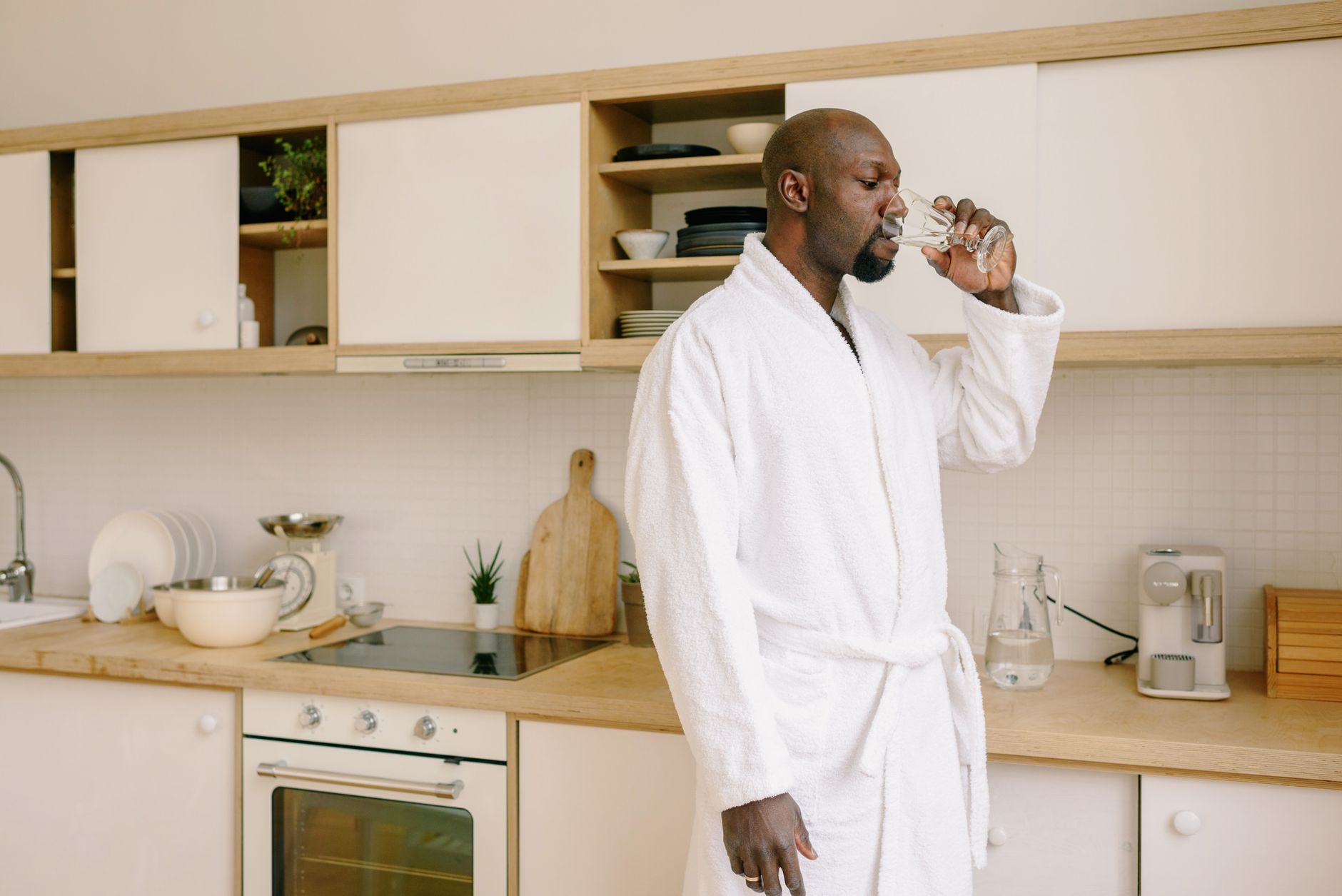 Photo: Ksenia Chernaya via Pexels
A cheap TDS meter (under $15) tells you where your tap water sits. Most municipal water in the US and Europe falls between 50–300 ppm — usable, but worth knowing. Distilled and reverse osmosis (RO) water registers near 0 ppm and makes genuinely terrible coffee: thin, sour, and hollow, because there are no minerals to help extraction and buffer acidity.
The fix for RO or very soft water is remineralization. Products like Third Wave Water dissolve into distilled water to hit SCA targets precisely — popular with competition baristas who travel with variable tap water.
Hard Water vs. Soft Water
| Property | Soft Water (<50 ppm CaCO₃) | Ideal Range (50–100 ppm) | Hard Water (>200 ppm CaCO₃) |
|---|---|---|---|
| Scale buildup | None | Minimal | Heavy — damages machines |
| Extraction efficiency | Low — thin, sour | Optimal | Over-extracts — bitter, chalky |
| Espresso flavor | Flat, one-dimensional | Balanced, sweet | Harsh, astringent |
| Filter coffee | Weak, underextracted | Clean, full | Murky, heavy |
Hard water is the most common real-world problem, particularly in southern England, southern Germany, and much of the American Southwest. Regular descaling becomes essential, and the flavor impact is noticeable: espresso tastes chalky and overly bitter, lighter roasts taste harsh instead of fruity.
Chlorine and Chloramines: The Silent Flavor Killers
Direct Answer: Municipal water is disinfected with chlorine or chloramines. Chlorine dissipates if you leave water out for 30 minutes; chloramines don’t. Both suppress volatile aromatics — the fruity, floral, and sweet notes that specialty coffee is built around. A basic activated carbon filter removes both.
 Photo: Anna Shvets via Pexels
You’ll notice chlorine most in lighter roasts with delicate floral or citrus notes. It doesn’t just add an off-flavor — it actively suppresses aromatics, making complex single origins taste like grocery store coffee. If your tap water smells faintly of a swimming pool, it’s affecting your cup more than you realize.
A countertop carbon filter like the Brita Standard or under-sink Waterdrop G3 handles chlorine and chloramines while preserving the mineral content your extraction needs. Avoid filters marketed purely for scale prevention (ion-exchange softeners) — they remove hardness minerals but leave sodium, which softens the water’s character without improving extraction.
Best Bottled and Filtered Water Options
Direct Answer: Evian, Volvic, and Fiji sit naturally close to SCA targets and work well without modification. For filtered tap water, a carbon block filter is the most cost-effective upgrade. If your tap water is very hard or uses chloramines, an under-sink RO system paired with a remineralization cartridge is the best long-term solution.
 Photo: Connor Scott McManus via Pexels
Bottled Water Comparison
| Brand | TDS (ppm) | Hardness (ppm CaCO₃) | Verdict |
|---|---|---|---|
| Evian | ~300 | ~291 | Slightly hard but works well for espresso |
| Volvic | ~109 | ~60 | Near-ideal for filter coffee |
| Fiji | ~222 | ~150 | Good body, slight mineral edge |
| Distilled | ~0 | 0 | Avoid — too pure |
| Most US tap | 50–300 | Varies | Test first |
Volvic is the most frequently recommended bottled option among home baristas because its profile closely matches SCA targets without modification. Evian’s higher mineral content makes it forgiving for espresso but contributes to scale over time.
For daily home use, bottled water is expensive and wasteful. A two-stage under-sink filter (carbon + sediment) for $80–150 costs less per year than buying bottles and performs comparably for most tap water sources.
Filters Worth Buying
A carbon pitcher filter handles chlorine for under $30. That alone solves most flavor complaints from city tap water. For harder water (above 200 ppm TDS or visibly scaling your kettle), step up:
- Carbon pitcher — Brita Standard or ZeroWater : removes chlorine/chloramines, minimal mineral effect. Best for soft-to-moderate tap water.
- Under-sink carbon block — Waterdrop G3 : higher flow, longer lifespan, same chemistry as pitchers. Best daily-driver for city tap water.
- RO + remineralization — removes everything, then adds back the right minerals. Best for very hard or variable water. Third Wave Water capsules work with any RO or distilled base.
- BWT Mg²⁺ filter — specifically designed for coffee; adds magnesium while reducing hardness. Popular in professional cafés across Europe.
The BWT Penguin is the most coffee-specific mainstream option: it exchanges calcium for magnesium, deliberately boosting the mineral that most improves sweetness and flavor clarity in the cup.
→ See also:
- Coffee Science: The Complete Guide to Extraction, Chemistry & Flavor
- How Much Caffeine Is in a Cup of Coffee? (All Brew Methods)
- Caffeine in Espresso vs Coffee: Which Has More?
FAQ
Is tap water OK for coffee? In most US and European cities, yes — with a carbon filter. The main issue is chlorine or chloramines suppressing aroma, which a basic Brita-style filter solves. If your tap water is very hard (scales your kettle quickly), you’ll also want to address mineral content to protect your machine and improve flavor.
What TDS should water be for espresso? Aim for 75–150 ppm TDS for espresso. Higher TDS (up to 175 ppm) works for filter coffee but can cause over-extraction at espresso’s finer grind and higher pressure. At 200+ ppm, you’ll notice chalky, harsh flavors and accelerated scale buildup in your machine.
Does soft water make bad coffee? Yes. Softened water exchanges calcium and magnesium for sodium, reducing scale but also stripping the minerals that drive extraction. The result is flat, one-dimensional coffee that under-extracts even at standard ratios. If you have a water softener, pull from the pre-softener tap for your coffee equipment.
Can I use filtered water in my espresso machine? Yes, and you should — but check which type of filter. Carbon filters (remove chlorine, keep minerals) are ideal. Zero-stage filters that strip everything, like ZeroWater or full RO without remineralization, produce water that’s too pure and will corrode stainless steel boilers over time. Always leave some mineral content in the water.
How often should I test my water for coffee? Once when you move or set up a new machine, then again if you notice flavor changes or your kettle starts scaling faster than usual. Municipal water chemistry can shift seasonally. A $10 TDS meter and a pH strip give you a complete picture in under two minutes.
Editorial methodology: Assessments are based on manufacturer specifications, published user reviews, and editorial research. Physical hands-on testing is noted explicitly where it occurred. Rankings reflect our editorial judgment and are not influenced by affiliate commission rates. Full editorial policy · Affiliate disclosure