Contents
Best Coffee Advent Calendars (2026)
TL;DR: The best coffee advent calendar for 2026 is the Differences Coffee Advent Calendar — 24 single-origin filter coffees from specialty roasters across Europe, roasted to order. If you want espresso-focused options or a budget pick, there are strong alternatives. Every calendar on this list ships specialty-grade beans, not supermarket filler.
What Makes a Coffee Advent Calendar Worth Buying
Direct Answer: A good coffee advent calendar gives you 24 genuinely different coffees — different origins, roasters, or processing methods — not the same blend in 24 small bags. The best ones are roasted to order, ship in nitrogen-flushed or valve-sealed packaging, and include tasting notes. Price range: £25–£120.
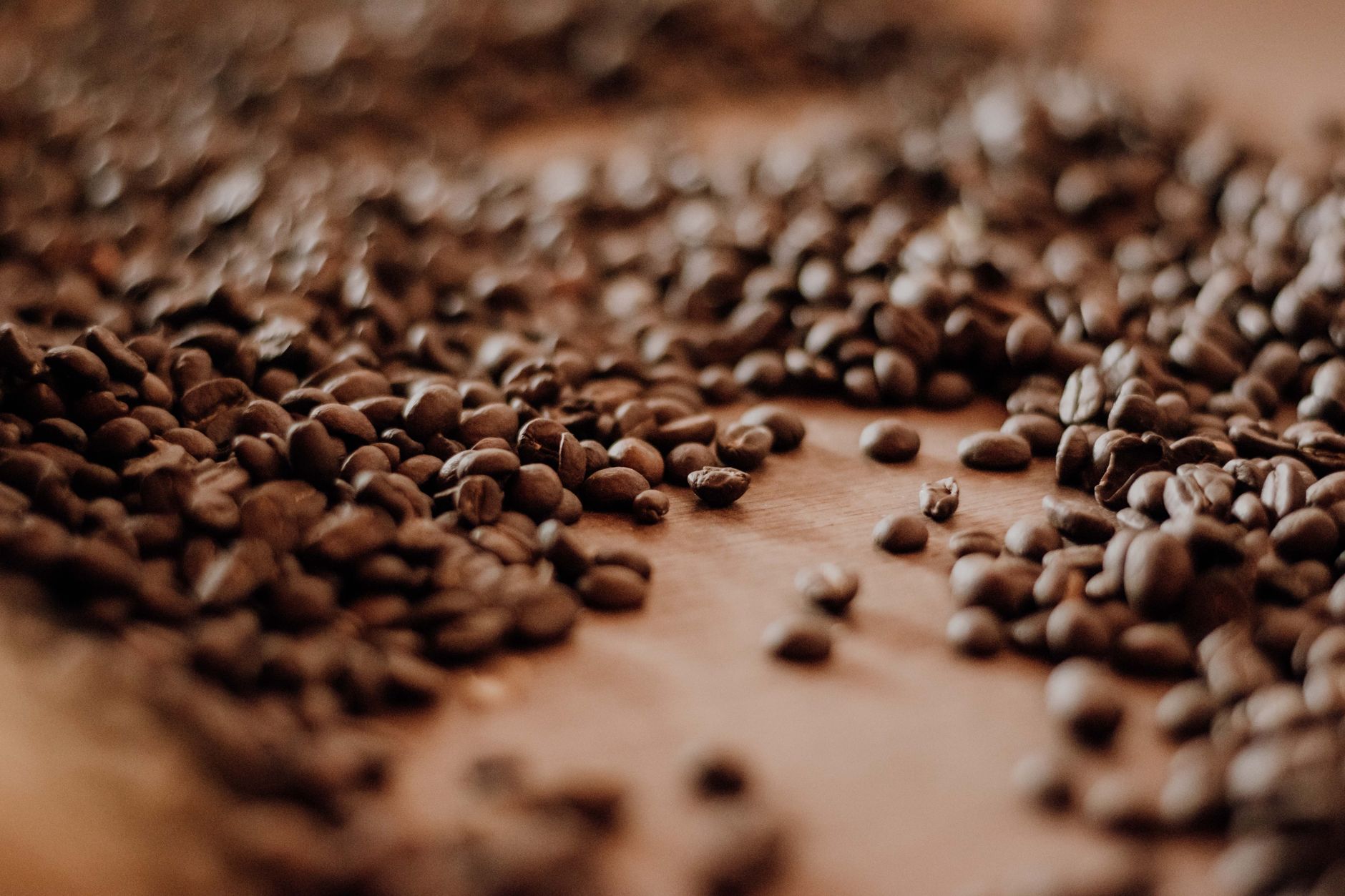 Photo: HAROLD PRODUCTIONS via Pexels
Advent calendars have become a proving ground for specialty roasters. The format forces them to show range — you get coffees you’d never order on your own. That’s the real value: 24 forced experiments, compressed into December.
What separates good from bad:
- Roast date matters. Some budget calendars are roasted in September. Look for roasters who explicitly state a November roast date.
- Variety of origins. Ethiopia, Colombia, Guatemala — fine. Twelve “Blend No. 3”s from the same roaster — skip it.
- Grind or whole bean? Whole bean always wins for freshness. Pre-ground is acceptable only if you don’t own a grinder.
The Best Coffee Advent Calendars of 2026
1. Differences Coffee Advent Calendar
Direct Answer: The Differences calendar sources from 12–15 independent European roasters, giving you a genuine tour of the specialty scene. At around £70–£80, it’s the single best way to explore the current European roaster landscape in one box.
 Photo: Evandro Paula Alves via Pexels
Each door opens to a different roaster’s 15–18g bag — enough for one full AeroPress or pour-over. The accompanying booklet lists roaster location, origin, variety, process, and suggested brew parameters. It’s the closest thing to a curated specialty coffee tasting flight you can send by post.
Best for: Filter coffee drinkers, people who want to discover new roasters
2. Has Bean Coffee Advent Calendar
Direct Answer: Has Bean’s calendar leans toward lighter roast filter coffees with an emphasis on single-origin lots sourced directly. Steve Leighton has been doing this longer than almost anyone — the curation reflects that.
At £55–£65, it’s mid-range on price but high on consistency. Every coffee comes with detailed tasting notes and a brew guide. Has Bean roasts fresh for the calendar each year — packaging confirms roast dates.
Best for: Filter drinkers who want a trusted, consistent single-roaster experience
3. Pact Coffee Advent Calendar
Direct Answer: Pact’s calendar is the most accessible entry point — £35–£45, subscription-friendly, with both whole bean and pre-ground options. The coffees are good without being exceptional; the convenience and price make it the right pick for gifting to someone who isn’t deep into specialty yet.
Best for: Gifting, beginners, households without a grinder
4. The Espresso Advent Calendar (Curve/Union Collab)
Direct Answer: This is the only calendar built specifically for espresso — every coffee is selected and profiled for 9-bar extraction. If you pull shots at home, this is the one.
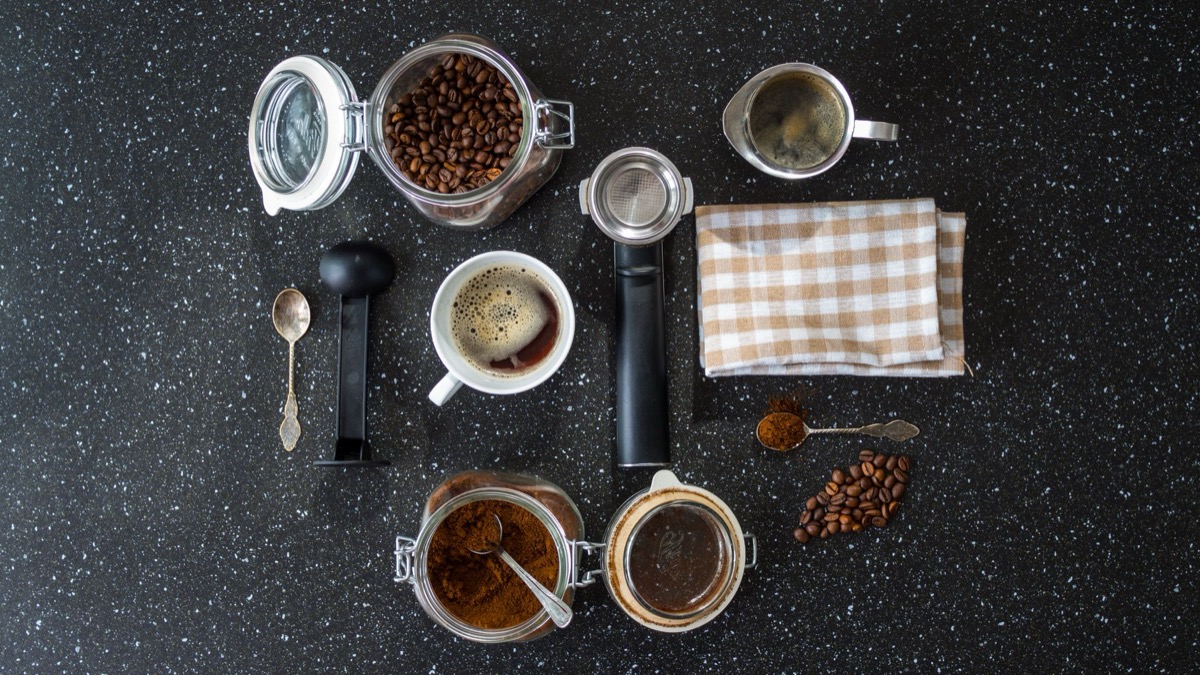 Photo: Mateusz Feliksik via Pexels
Expect medium-darker roasts, fuller body, and lower acidity across the 24 coffees — dialed in for 93°C, 25–30 second pulls. Pre-ground is available in espresso grind. Whole bean recommended if you have a grinder.
Best for: Home baristas pulling espresso daily
5. Grind Coffee Advent Calendar
Direct Answer: Grind’s calendar is the strongest value-for-money pick in the UK — £30–£40, includes both espresso and filter options, and ships in their signature capsule-compatible pods alongside loose bags.
Best for: Nespresso users, people who want flexibility between espresso and filter
2026 Coffee Advent Calendar Comparison
| Calendar | Price | Style | Roast Date | Roasters | Best For |
|---|---|---|---|---|---|
| Differences Coffee | £70–80 | Filter | Nov 2026 | 12–15 | Roaster discovery |
| Has Bean | £55–65 | Filter | Nov 2026 | 1 | Trusted curation |
| Pact Coffee | £35–45 | Both | Oct/Nov | 1 | Gifting, beginners |
| Espresso Advent | £60–70 | Espresso | Nov 2026 | 2–3 | Home espresso |
| Grind | £30–40 | Both | Oct/Nov | 1 | Value, Nespresso |
When to Buy — and What Sells Out First
Most specialty coffee advent calendars sell out by late October. The Differences calendar typically sells out first — pre-orders open in August. Has Bean’s calendar goes next.
Rule: If you want it, order in August or September. Waiting until November means settling for whatever’s left.
 Photo: Sedanur Kunuk via Pexels
→ See Also
- The Third Wave Coffee Movement: A Complete Guide
- Best Coffee Cities in the US (2026 Guide)
- New York City Specialty Coffee Guide: 20 Best Cafés
FAQ
What is the best coffee advent calendar in 2026? The Differences Coffee Advent Calendar is the top pick for anyone serious about specialty coffee — it sources from multiple European roasters, roasts fresh in November, and gives you 24 genuinely different coffees. For espresso-specific, go with the Espresso Advent Calendar from Curve/Union.
Are coffee advent calendars worth it? Yes, if you buy from a specialty roaster. You get 24 small-batch coffees from different origins for roughly the price of 4–5 standard bags. The discovery value alone justifies it, especially for people who tend to re-buy the same roasts.
Can I get a coffee advent calendar with pre-ground coffee? Yes — Pact and Grind both offer pre-ground options. Pact offers espresso, filter, and cafetière grinds. Pre-ground degrades faster, so if you can, buy whole bean and grind as you go.
Do coffee advent calendars expire before December? Not if roasted in October or November — specialty coffee is at peak between 7 and 28 days off-roast for filter, slightly longer for espresso. Most reputable calendars are timed so Door 1 coffees are still in their prime on December 1.
What’s the difference between a specialty coffee calendar and a supermarket one? Single origin versus commodity blend, roast date versus shelf date, and named farms versus anonymous supply chains. Supermarket advent calendars (Lindt, Jacobs, etc.) contain instant coffee or pre-ground commodity blends — drinkable, not memorable. Specialty calendars are built around traceability and flavor.
Are there US-based coffee advent calendars? Yes. Trade Coffee, Onyx Coffee Lab, and Intelligentsia have all released US-based advent calendars in recent years. Shipping roasted-to-order across the Atlantic makes European calendars impractical for US buyers — go with a domestic specialty roaster for freshness.