Contents
1Zpresso JX Pro Review: Is $170 Worth It for Home Grinders?
TL;DR: The 1Zpresso JX Pro is one of the best manual grinders under $200 for espresso and filter coffee. At $170, it delivers burr quality and grind consistency that rivals electric grinders at twice the price — if you can handle hand-grinding. Buy it if you want café-grade espresso without a $400+ electric unit.
Grind Quality: What Actually Comes Out of the JX Pro
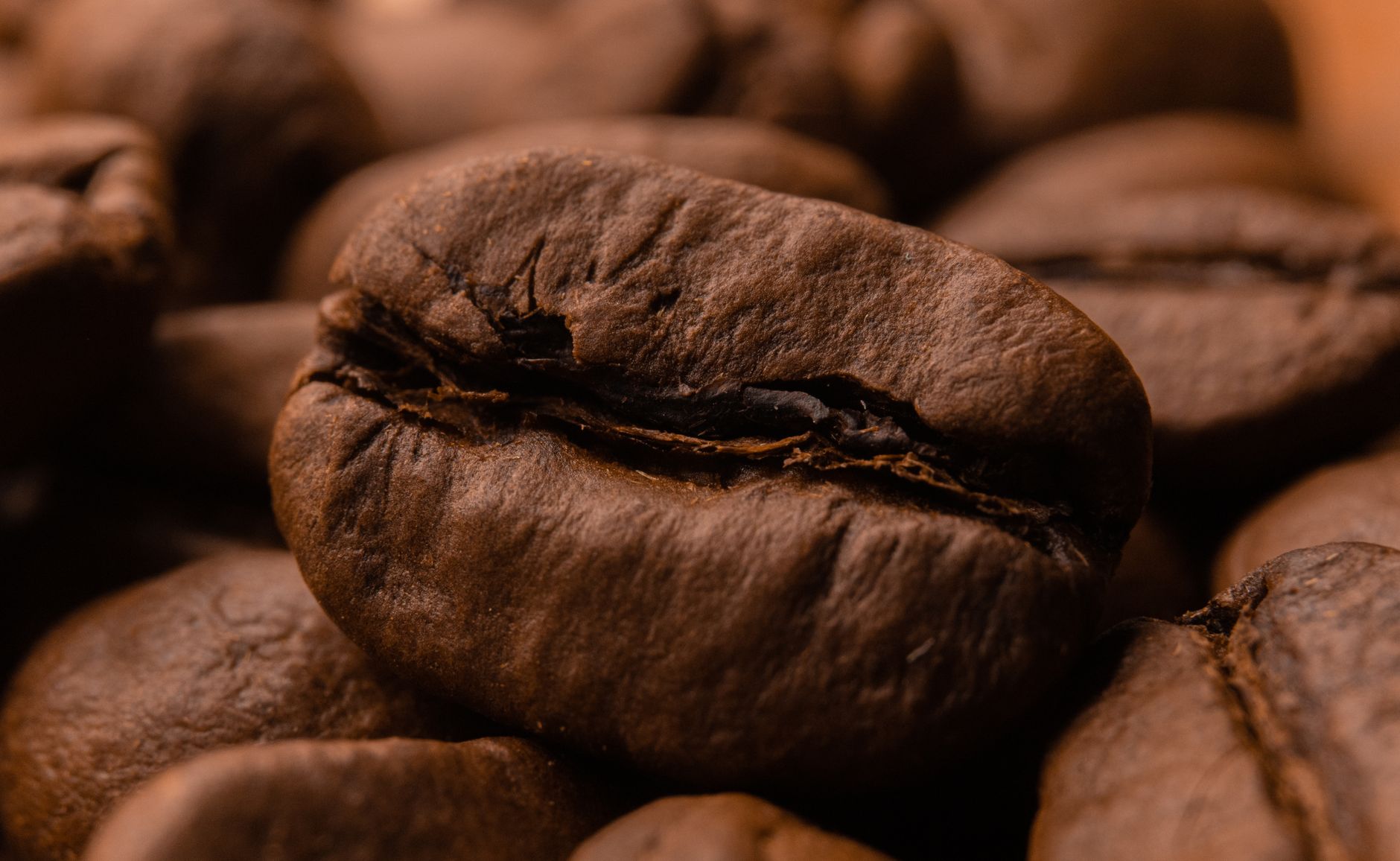
The JX Pro produces espresso-ready grinds with genuine shot-to-shot consistency. Its 48mm stainless steel burrs generate a particle distribution tight enough for modern espresso technique — including pressure profiling and lever machines — and handle filter brew methods with equal competence.
 Photo: Võ Nguyễn ( Terri ) via Pexels
The burr geometry here isn’t an afterthought. 1Zpresso uses a sharp, aggressive cutting pattern that works efficiently — you’re grinding a full 18–20g dose in 60–90 seconds depending on your pace, not the 3+ minutes some cheaper hand grinders demand.
Grind distribution is comparable to the Comandante C40
The Adjustment System: Stepped vs. Stepless
The JX Pro uses a stepped dial with numbered clicks. Each click moves approximately 22 microns — fine enough for espresso dialing, coarse enough that you can actually feel and count the steps blind. This is the sweet spot most hand grinder makers miss.
 Photo: Jonathan Borba via Pexels
Stepless is often oversold. In practice, “stepless” on budget grinders means “wobbly and hard to return to a previous setting.” The JX Pro’s numbered dial solves a real workflow problem: you write down “espresso = setting 2.1.3,” and you’re back at your shot in three seconds. No guessing, no test shots wasted.
The range covers espresso (around 1.0–2.0) through coarse French press (6.0+). It handles Aeropress and pour-over competently across that range without any dead zones.
Build Quality and Ergonomics
It’s heavy for a hand grinder at 530g — that’s deliberate. The full stainless steel body reduces wobble during grinding and the extra mass helps stabilize the burr stack. The folding handle is solid and doesn’t rattle.
 Photo: Uriel Mont via Pexels
The catch cup threads on securely and holds 40g+ without complaint. The knurled grip sections work with wet hands. The bearing system on the burr axle is tight — no wobble, no lateral play, which is where cheap grinders bleed consistency.
One legitimate complaint: the handle folds but the grinder is still 24cm tall. It fits in most bags but it’s not pocket carry. If portability is your primary need, the JX-S is shorter; if you’re staying home, the JX Pro’s size is a non-issue.
Capacity and Workflow
At 35–40g hopper capacity, the JX Pro comfortably handles double espresso doses in one fill. Single-origin pour-over at 22g takes under 75 seconds at medium-coarse. That’s not a hardship for most home brewers.
The grind experience itself is smooth — the heavy burr set and tight tolerances mean you’re not fighting the grinder. It’s noticeably easier to turn than the Timemore at equivalent doses.
1Zpresso JX Pro Specs
| Feature | Detail |
|---|---|
| Burr Size | 48mm stainless steel |
| Burr Type | Conical |
| Adjustment | Stepped (numbered external dial) |
| Step Size | ~22 microns per click |
| Capacity | ~35–40g |
| Weight | 530g |
| Body | Full stainless steel |
| Bearing | Ball bearing axle |
| Grind Range | Espresso → French press |
JX Pro vs. The Competition
| Grinder | Price | Burr Size | Adjustment | Best For |
|---|---|---|---|---|
| 1Zpresso JX Pro |
The JX Pro wins on espresso capability vs. the Comandante. The Comandante wins on portability and filter coffee refinement. The Kinu M47 is better for pure espresso obsessives but costs $125 more. The standard JX has identical burrs but the internal adjustment wheel is slower to dial — the external numbered dial on the JX Pro is worth the $50 premium.
 Photo: mino via Pexels
Verdict by User Type
Espresso purist: Buy it. The 48mm burrs at this price-per-quality ratio don’t exist in electric grinders below $350. If you’re pulling shots on a Flair
Milk drinker (lattes, cappuccinos): Still yes, but less critical. You need fine espresso grinds, which the JX Pro delivers, but your drinks are more forgiving of slight grind variation than straight espresso. You won’t notice the difference vs. a $100 electric at your level.
Convenience-first: Consider the Timemore C2 or a budget electric. The JX Pro requires 60–90 seconds of physical effort per dose. If you’re making coffee half-asleep at 6am, that friction adds up. Hand grinding is a ritual, not a shortcut.
→ See Also
- The Complete Coffee Grinder Guide (2026) — full breakdown of burr types, grind size charts, and what actually matters
- Burr vs Blade Grinder: Why It Matters for Your Coffee — if you’re still deciding whether burrs are worth it
- Best Coffee Grinders Under $100 (2026) — if the JX Pro is over budget
FAQ
Is the 1Zpresso JX Pro good for espresso? Yes — it’s one of the best manual grinders for espresso under $200. The 48mm burrs produce consistent fine grinds suitable for 9-bar espresso machines and manual lever brewers. The numbered external dial makes shot-to-shot repeatability practical, not theoretical.
What’s the difference between the 1Zpresso JX and JX Pro? Identical burrs (48mm stainless conical), different adjustment systems. The JX has an internal wheel you adjust from the bottom; the JX Pro has an external numbered dial on the side. The external dial is faster to use and easier to return to saved settings — worth $50 if you pull espresso regularly.
How long does it take to grind with the JX Pro? For espresso: 60–90 seconds for 18–20g at fine settings. For filter (medium-coarse): 45–60 seconds for the same dose. It’s faster than most hand grinders at this price because the 48mm burrs cut efficiently.
Does the 1Zpresso JX Pro work for pour-over and French press? Yes. The adjustment range covers everything from fine espresso to coarse French press without dead zones or inconsistency. It’s slightly optimized toward espresso (more granular adjustment in the fine range), but performs well across all brew methods.
Editorial methodology: Assessments are based on manufacturer specifications, published user reviews, and editorial research. Physical hands-on testing is noted explicitly where it occurred. Rankings reflect our editorial judgment and are not influenced by affiliate commission rates. Full editorial policy · Affiliate disclosure