Contents
Best Grinder for French Press Coffee (2026)
TL;DR: The best coffee grinder for french press produces consistent coarse grounds — 800–1000 microns — without fine powder that muddles your cup. For most people, the Baratza Encore ESP or Fellow Ode Gen 2 is the right call. Manual grinders like the 1Zpresso J-Max cut the price in half with comparable burr quality.
Why Grind Size Matters More for French Press
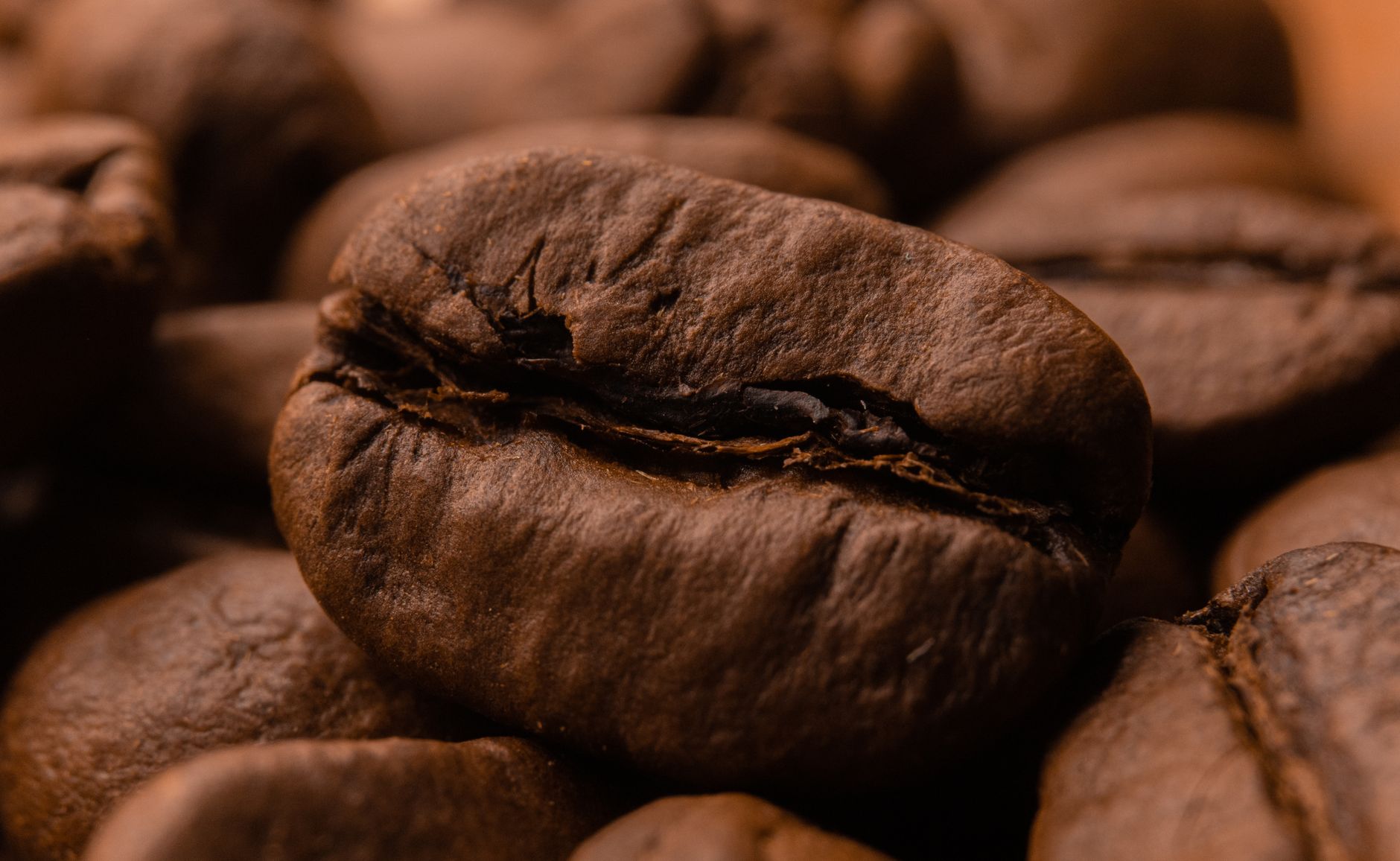
French press is uniquely unforgiving of grind inconsistency. The metal mesh filter can’t stop fine particles — “fines” — from passing into the cup, turning a clean brew cloudy and bitter. A burr grinder that produces uniform coarse grounds is the single biggest upgrade you can make to your french press setup.
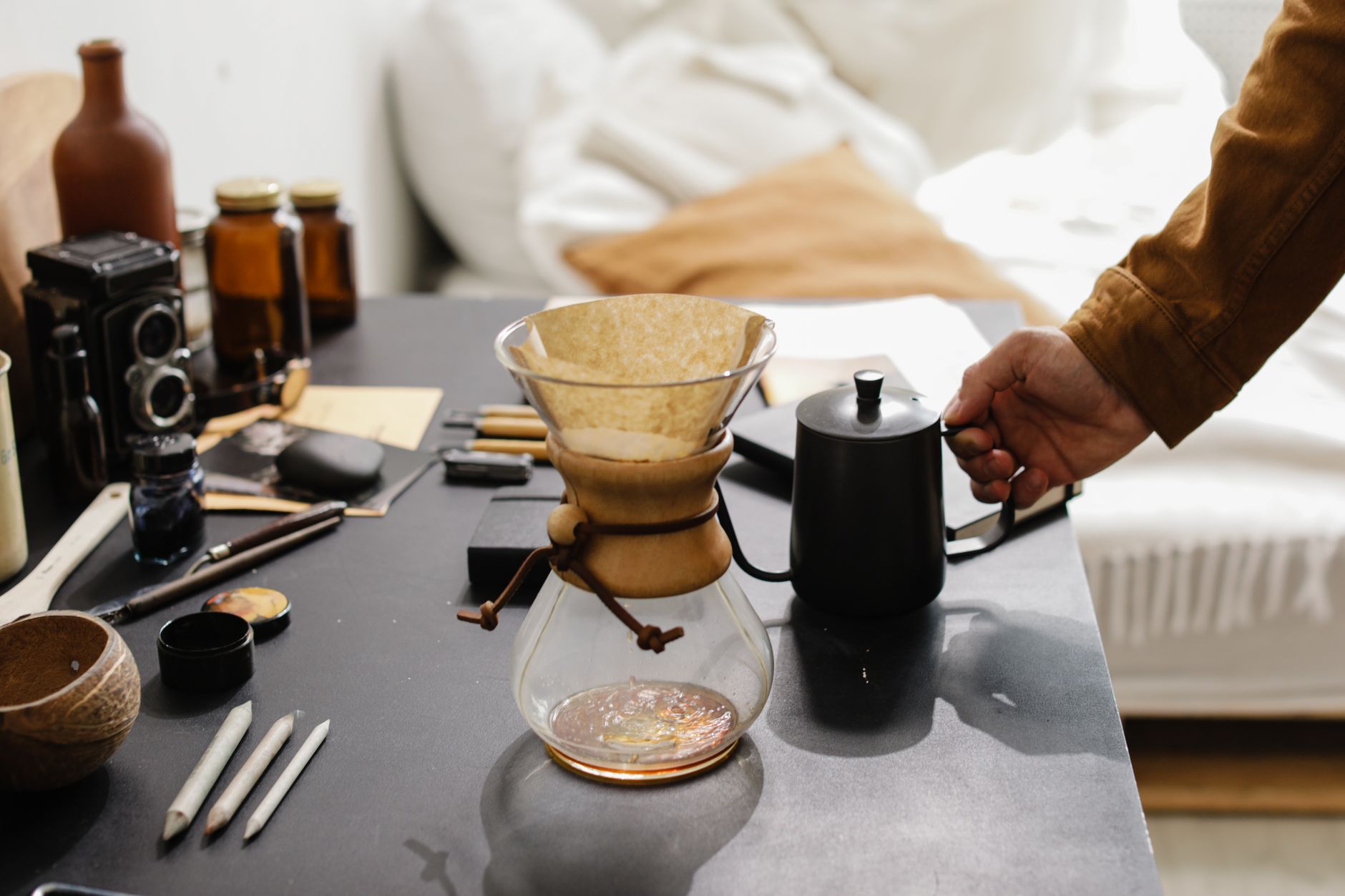 Photo: Ron Lach via Pexels
French press steeps for 4 minutes with full immersion. During that time, fines over-extract while coarse particles are still extracting — the result is muddy, astringent coffee. A quality burr grinder minimizes fines by cutting rather than crushing. Blade grinders are disqualified: they pulverize unevenly and should be avoided entirely for french press.
The target grind size is roughly sea-salt texture, around 800–1000 microns. Most burr grinders hit this at medium-high to high settings.
The 5 Best Coffee Grinders for French Press
1. Baratza Encore ESP — Best Overall
The Encore ESP is the most recommended entry-level burr grinder for a reason: 40mm conical burrs, 40 grind settings, and a price that doesn’t require justification. It handles coarse french press grinds better than anything near its price point, and Baratza’s repair ecosystem means it lasts years.
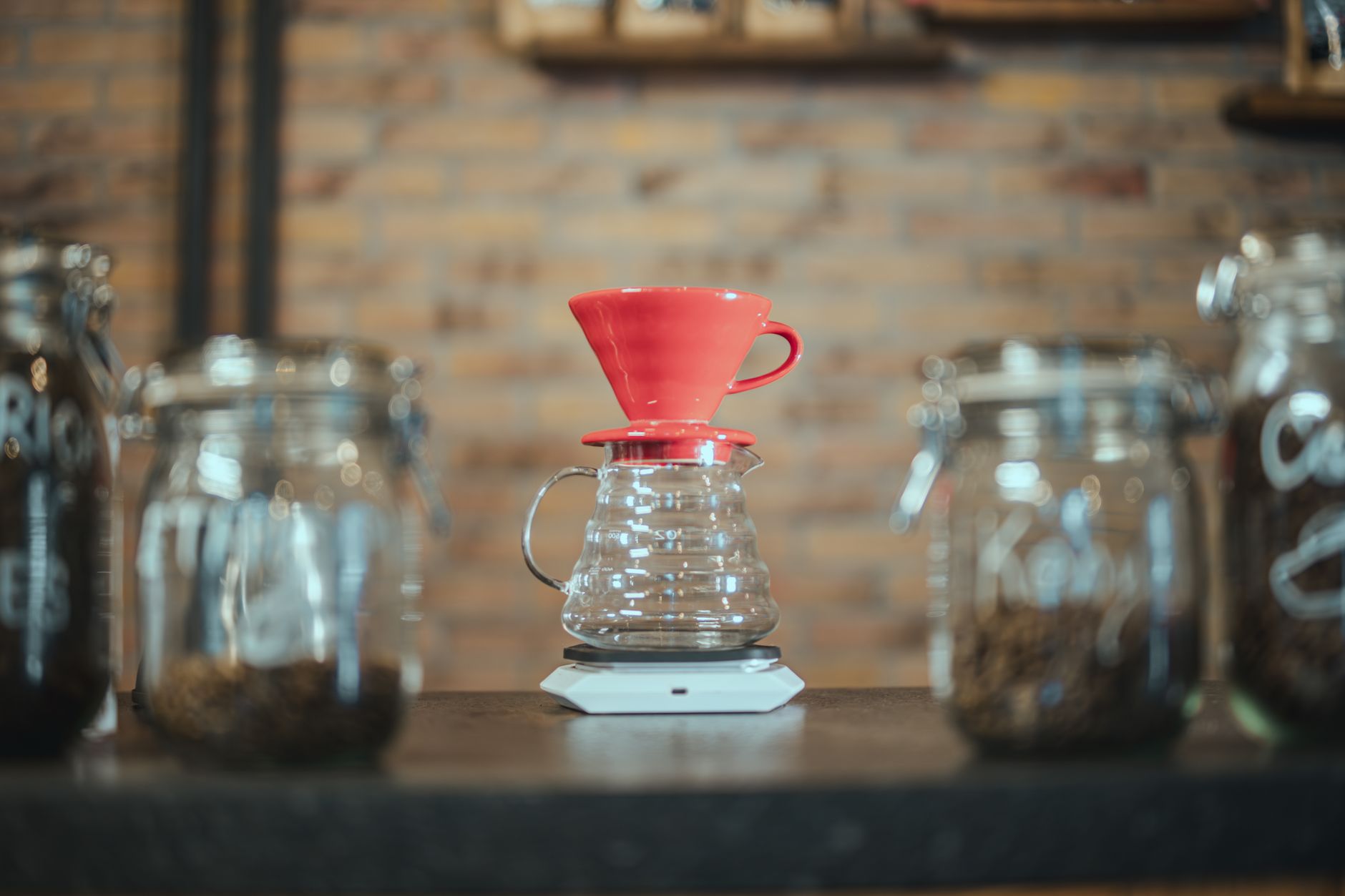
 Photo: Ketut Subiyanto via Pexels
The ESP variant added an integrated tamper and portafilter holder over the original Encore, but the burr set is identical. For french press, what matters is the reliable coarse range — settings 28–35 produce clean, consistent grounds with minimal fines. The 40mm conical burrs are steel, not ceramic, so they stay sharp.
At ~$180, it’s the default recommendation for anyone serious about their morning cup without spending espresso-machine money on a grinder.
| Spec | Detail |
|---|---|
| Burr size | 40mm conical steel |
| Grind settings | 40 |
| RPM | 450 |
| Hopper capacity | 8 oz |
| Price | ~$180 |
2. Fellow Ode Gen 2 — Best for Brewing Only
The Ode Gen 2 uses 64mm flat burrs — the same geometry found in commercial grinders — which produces exceptionally uniform grounds with almost no fines. It’s built specifically for brew methods, not espresso, making it purpose-designed for french press.
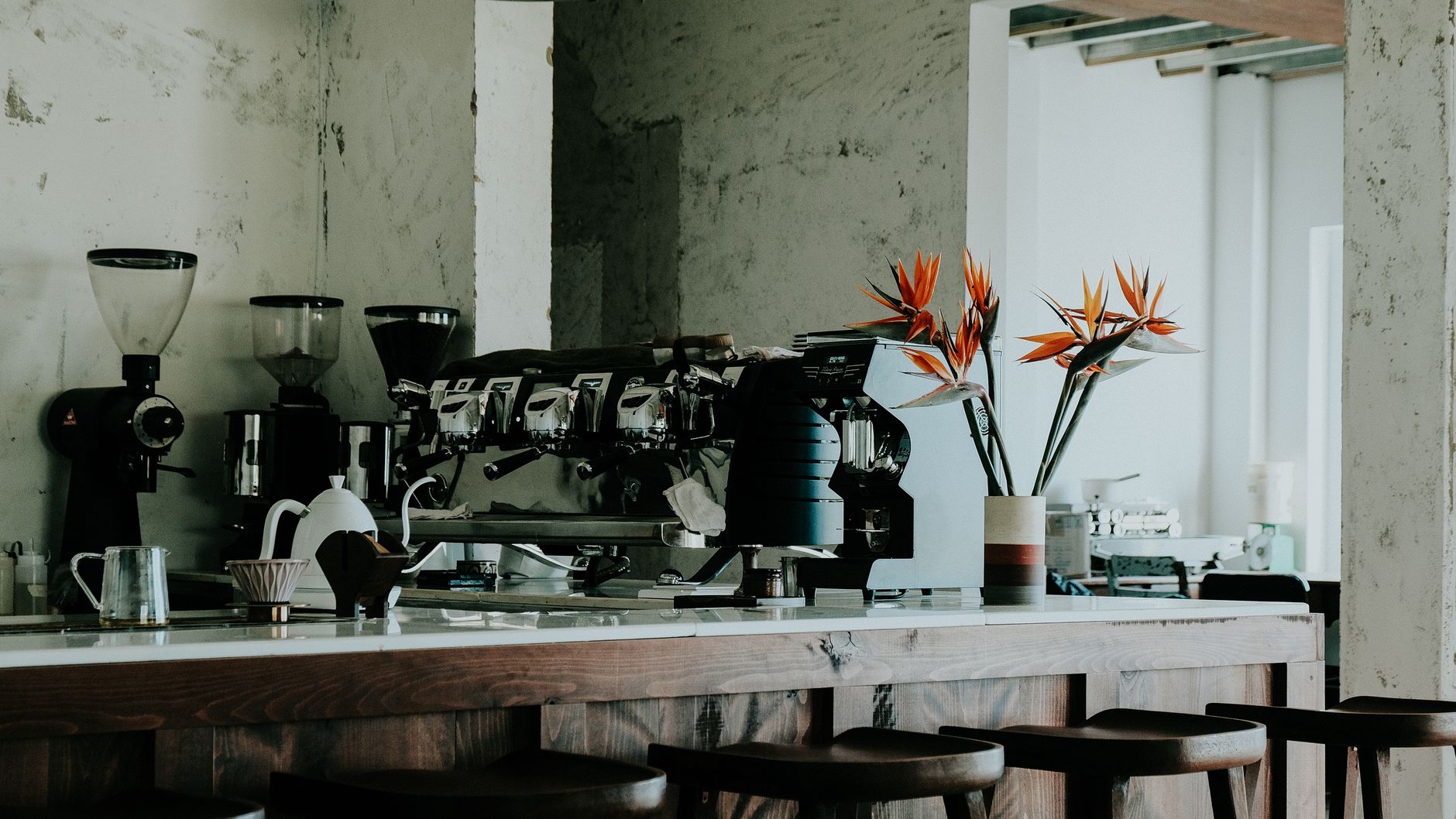
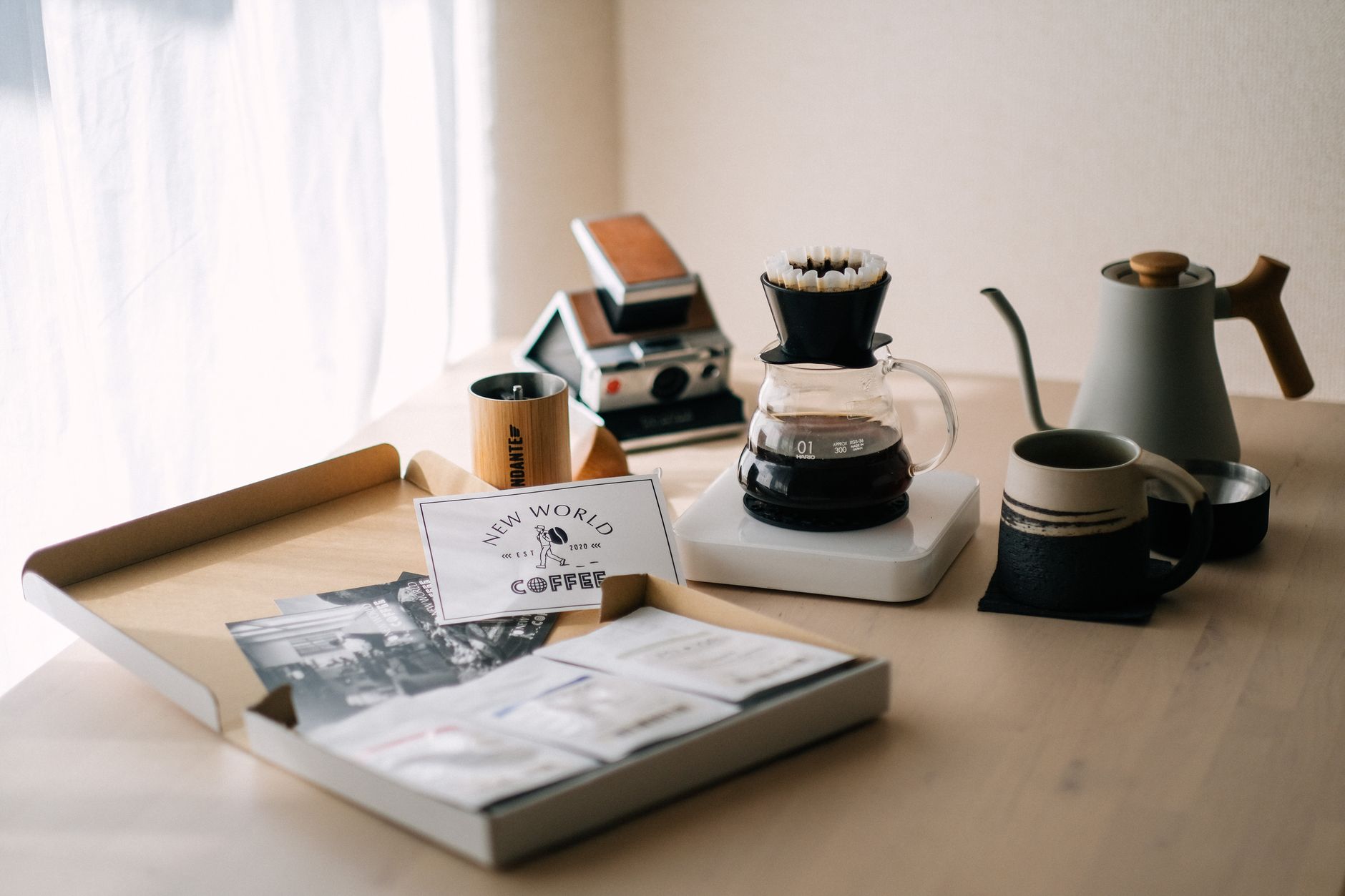 Photo: interwebly via Pexels
The Gen 2 upgrade added the SSP burr set as stock (previously an aftermarket swap) and improved single-dosing with a catch cup. Flat burrs cut differently than conical: the grounds are more uniform in shape, which means more even extraction and a cleaner cup. The 11 grind settings feel limiting compared to Encore’s 40, but the range is calibrated specifically for brew methods.
The catch: it’s $365 and doesn’t do espresso. If you also pull shots, look elsewhere. If french press and pour-over are your methods, this is the cleanest grind quality you’ll find under $400.
3. 1Zpresso J-Max — Best Manual Grinder
The J-Max’s 48mm stainless steel conical burrs and 90-click adjustment ring produce grind quality that matches electric grinders costing twice as much. For french press drinkers who travel or want to cut costs without cutting corners, it’s the obvious pick.
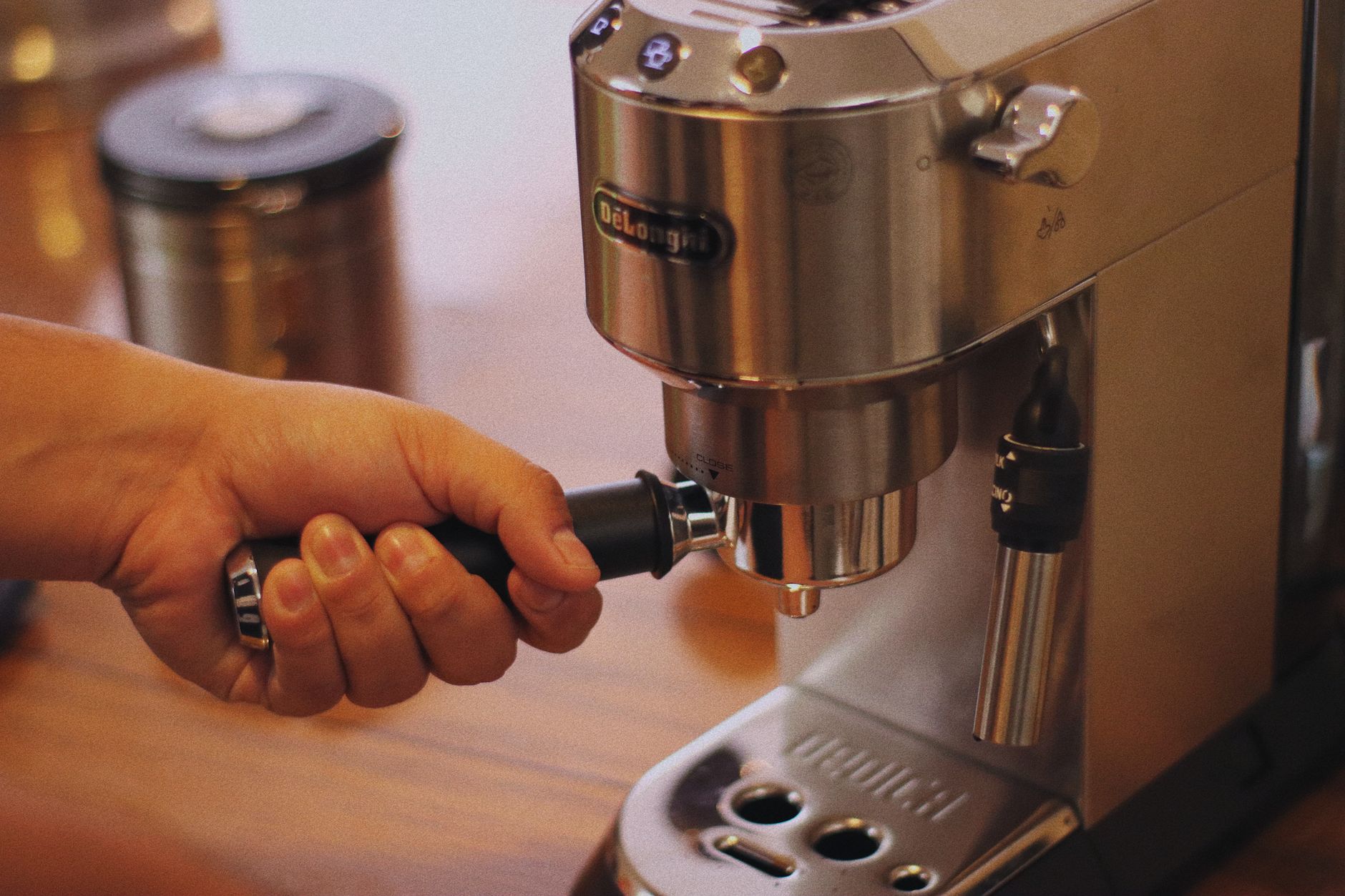
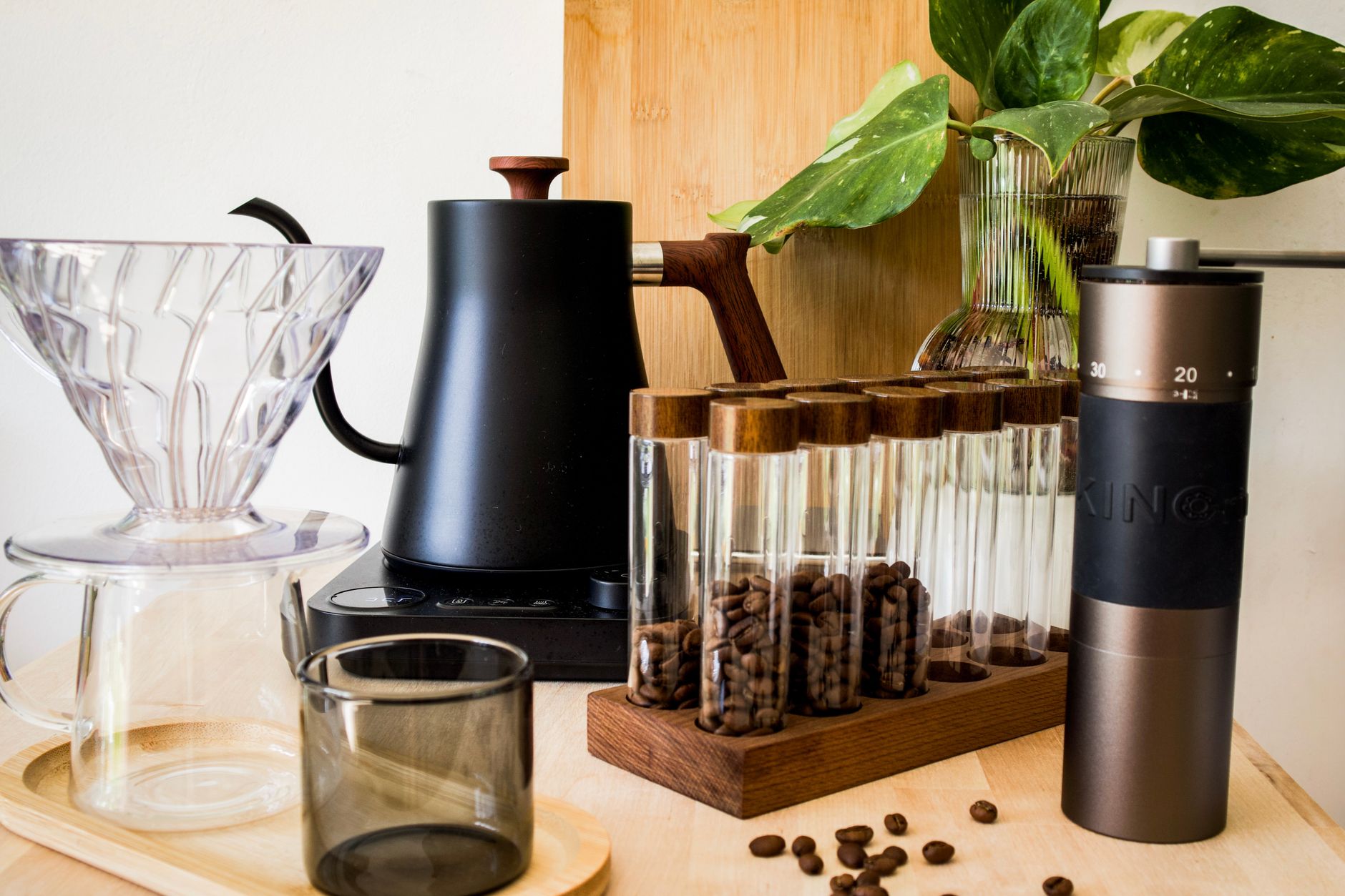 Photo: Pascal 📷 via Pexels
Manual grinders are slower — about 1g per second — but the absence of a motor means no heat transfer to the grounds during grinding. The J-Max’s stepped adjustment is precise: one click changes grind size by about 22 microns, so dialing in your french press coarseness takes one test grind.
The body is aluminum with a stainless burr set, and the magnetic catch cup eliminates the fumbling of older designs. At ~$180, it matches the Encore ESP in price with arguably better burr geometry.
4. OXO Brew Conical Burr Grinder — Best Budget Electric
At $100, the OXO Brew delivers 40mm conical burrs and 15 grind settings. It won’t match Fellow Ode clarity, but for a first burr grinder upgrade from a blade grinder, it’s a significant step up and won’t make you regret the purchase.
The coarse settings on the OXO are genuinely usable for french press — settings 12–15 land in the right range. Fines production is higher than Baratza at this setting, but the cup quality still beats any blade grinder comparison. The integrated timer for consistent dose dosing is a useful addition at this price point.
The downsides: the plastic hopper attracts static, and grind consistency drops at the coarser end of the range compared to higher-end grinders.
5. Comandante C40 — Best Premium Manual
For travelers and specialty coffee obsessives, the Comandante C40’s 39mm high-alloy steel burrs are the benchmark in hand grinders. The grind is so uniform that coffee professionals use it as a reference grinder at competitions.
The C40 is a precision tool. The grind adjustment is 30 clicks per full rotation (each click = ~25 microns), the body is German-engineered glass-reinforced nylon, and the burr steel is proprietary. At ~$230 it’s more expensive than an Encore ESP, which makes it a harder sell unless portability is the priority.
For french press specifically, the 25–30 click range produces textbook coarse grounds with minimal fines.
Head-to-Head Comparison
| Grinder | Price | Type | Burr Size | Settings | Best For |
|---|---|---|---|---|---|
| Baratza Encore ESP | ~$180 | Electric | 40mm conical | 40 | Best all-rounder |
| Fellow Ode Gen 2 | ~$365 | Electric | 64mm flat | 11 | Brew purists |
| 1Zpresso J-Max | ~$180 | Manual | 48mm conical | 90-click | Travel + value |
| OXO Brew Conical | ~$100 | Electric | 40mm conical | 15 | Budget entry |
| Comandante C40 | ~$230 | Manual | 39mm steel | 360-click | Premium travel |
What to Look for in a French Press Grinder
Burr Size and Type
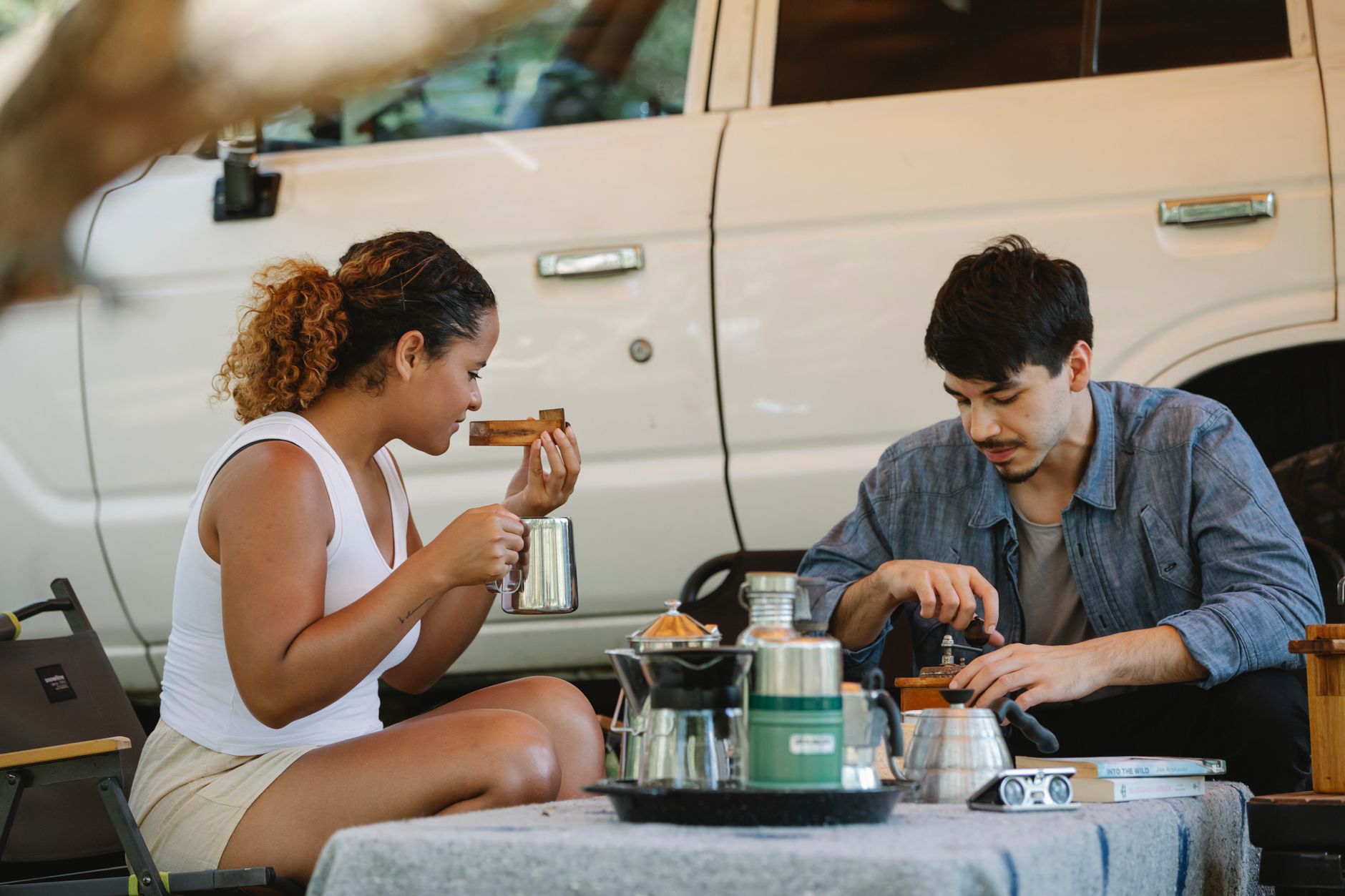 Photo: Uriel Mont via Pexels
Larger burrs produce less heat and more uniform grounds. For electric grinders, 40mm conical is the minimum worth buying. Flat burrs (Fellow Ode) produce more uniform grounds but cost more. Ceramic burrs are durable but cut differently — most specialty coffee professionals prefer steel.
Grind Adjustment Range
French press needs a true coarse setting. Some grinders marketed as “coarse-capable” max out at medium-coarse. Check that the grinder has been tested specifically at coarse settings before buying — manufacturer grind charts don’t always reflect real-world performance.
Fines Production
This is where cheap burr grinders fail at french press. The bimodal distribution of cheap conical burrs produces a mix of coarse grounds and ultrafine powder. Test any grinder by grinding at your french press setting and running the grounds through your fingers — you should feel uniform particle size, not a dusty residue.
Verdict by User Type
Budget-first: OXO Brew Conical Burr. Gets you off blade grinders for $100.
Daily driver, best value: Baratza Encore ESP. Reliable, repairable, proven.
Brew method purist: Fellow Ode Gen 2. Flat burrs, no fines, no compromises.
Travel or manual preference: 1Zpresso J-Max. Matches electric quality, no outlet needed.
Precision obsessive: Comandante C40. The professional benchmark in hand grinders.
→ See also:
- The Complete Coffee Grinder Guide (2026)
- Burr vs Blade Grinder: Why It Matters for Your Coffee
- Best Coffee Grinders Under $100 (2026)
FAQ
What grind size should I use for french press? Coarse — roughly the texture of sea salt, around 800–1000 microns. On most burr grinders this is the top quarter of the adjustment range. If your coffee tastes muddy or bitter, go coarser.
Can I use a blade grinder for french press? Technically yes, practically no. Blade grinders shatter beans randomly, producing a mix of powder and chunks. Both over-extract at different rates, and the fines pass through the french press filter into your cup. Any burr grinder is a meaningful upgrade.
Is a manual grinder good enough for french press? For french press specifically, manual grinders are excellent. Immersion brewing is more forgiving of slight grind inconsistency than espresso, and the best manual grinders (1Zpresso, Comandante) produce burr quality that matches electrics at double the price.
How many grind settings do I need for french press? Fewer than you’d think. French press doesn’t require fine-tuning at 5-micron intervals the way espresso does. The OXO’s 15 settings are sufficient; the Fellow Ode’s 11 are fine. More settings matter more for espresso dialing.
Does grinder price make a real difference for french press? Yes, up to about $200. The jump from blade to a $100 burr grinder is dramatic. The jump from $100 to $180 (Encore ESP) is meaningful — less fines, better uniformity. Above $200, the gains for french press specifically are marginal; that’s where espresso grinders justify the price.
Should I buy a grinder with a built-in scale? Not necessary for french press. Dose by weight using a separate kitchen scale — it’s more accurate than timer-based dosing and adds zero cost to grinders that don’t include one.
Editorial methodology: Assessments are based on manufacturer specifications, published user reviews, and editorial research. Physical hands-on testing is noted explicitly where it occurred. Rankings reflect our editorial judgment and are not influenced by affiliate commission rates. Full editorial policy · Affiliate disclosure