Contents
Nitro Cold Brew vs Regular Cold Brew: The Difference
TL;DR: Nitro cold brew is regular cold brew infused with nitrogen gas under pressure, giving it a creamy, Guinness-like texture and a naturally sweeter taste — no nitrogen, no difference except how it’s served. The core brewing process is identical; the split happens at the tap.
What Is Nitro Cold Brew?
Nitro cold brew starts as ordinary cold brew concentrate, then gets charged with nitrogen gas through a pressurized system — typically a keg and tap setup with a restrictor plate. The nitrogen bubbles are tiny and insoluble, creating a cascading, velvety texture without any dairy. It’s served straight from the tap, always cold, never over ice.
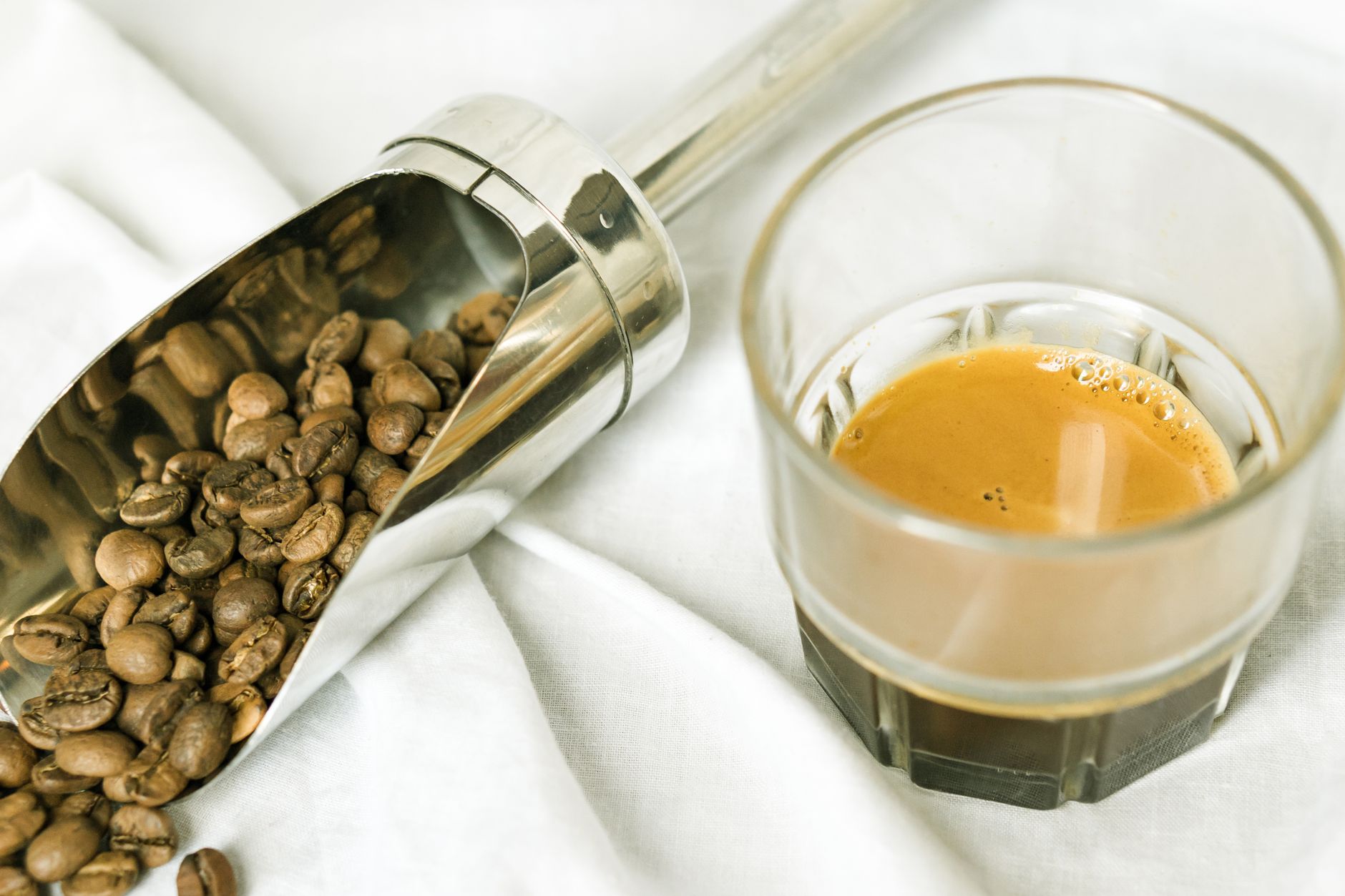
 Photo: Tadeu Gabriel Arcieri via Pexels
Nitrogen behaves differently from CO₂. Carbon dioxide dissolves readily and creates sharp carbonation (think sparkling water). Nitrogen barely dissolves — it forms microbubbles that coat your palate, creating the thick mouthfeel that’s made nitro cold brew a coffeehouse staple since Stumptown popularized it around 2013.
The restrictor plate on the tap forces liquid through tiny holes, shearing the nitrogen into those signature microbubbles. That’s why nitro cold brew poured from a can — with its widget widget or nitrogen “bomb” — mimics the same effect: it’s the mechanics of nitrogen release that create the texture, not anything special about the coffee itself.
How Regular Cold Brew Is Made
Regular cold brew is coarsely ground coffee steeped in cold or room-temperature water for 12–24 hours, then strained. The result is a smooth, low-acid concentrate — typically diluted 1:1 before serving. It’s the base for everything else in this comparison.
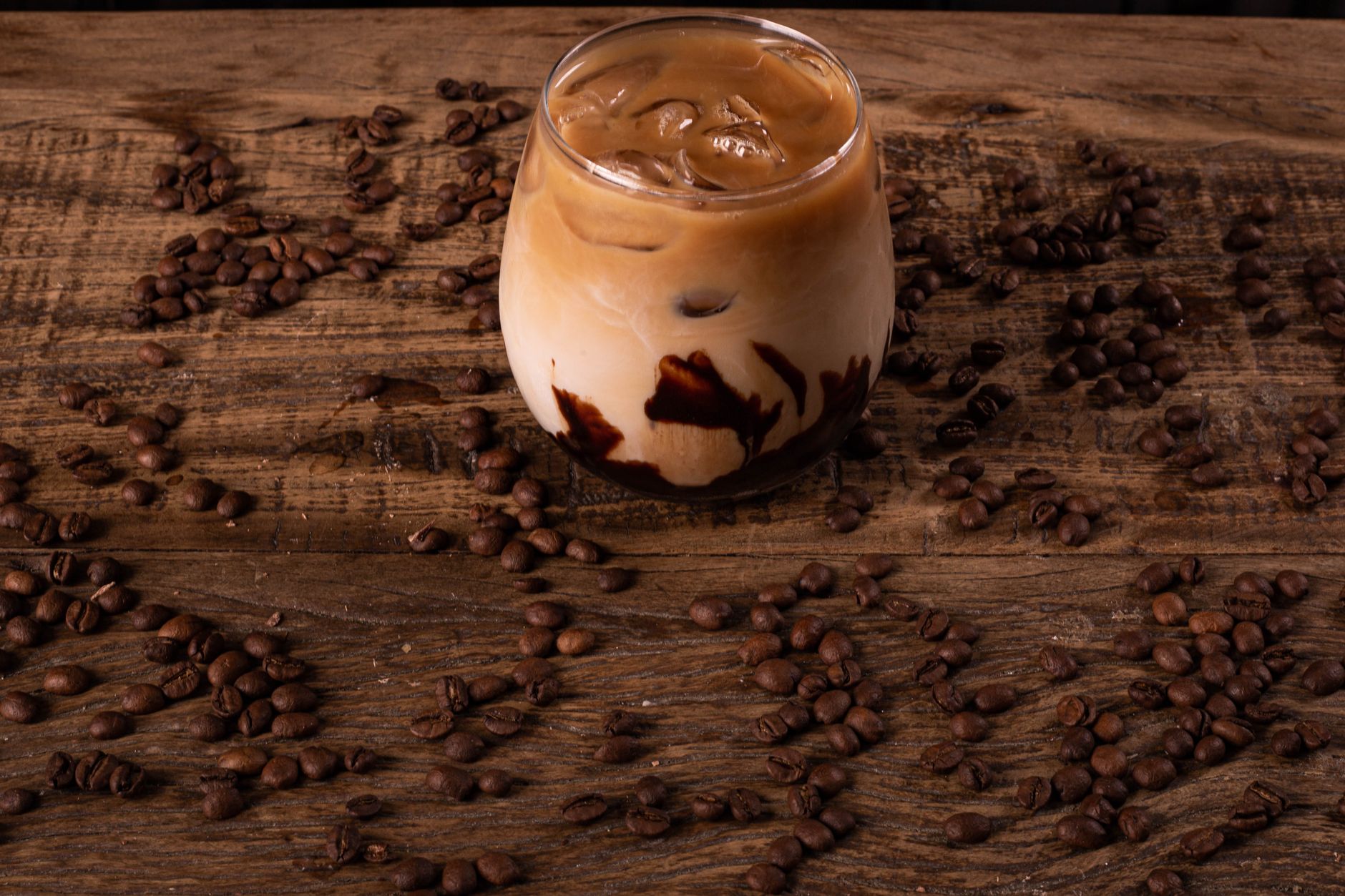 Photo: Guto Macedo via Pexels
The long steep at low temperature extracts fewer bitter acids than hot brewing. That’s why cold brew tastes smoother and slightly sweeter than iced coffee, even before nitrogen enters the picture. Most commercial cold brew uses a ratio around 1:4 to 1:8 coffee to water for the concentrate, with the final serving ratio landing around 1:2.
Regular cold brew is enormously flexible: serve it over ice, dilute it with milk, add flavoring, use it as a cocktail base. Nitro cold brew loses that flexibility — nitrogen won’t survive dilution or mixing in any meaningful way.
Nitro Cold Brew vs Regular: Side-by-Side
| Feature | Nitro Cold Brew | Regular Cold Brew |
|---|---|---|
| Texture | Creamy, velvety, thick | Smooth but liquid |
| Taste | Slightly sweeter (perceived) | Clean, slightly bitter |
| Acidity | Low | Low |
| Caffeine | Same base — depends on ratio | Same base — depends on ratio |
| Calories | ~5 (black) | ~5 (black) |
| Served over ice? | No — dilutes nitrogen | Yes |
| Can you add milk? | Defeats the purpose | Yes |
| Equipment needed | Keg, tap, nitrogen tank | Mason jar or cold brew maker |
| Cost to make at home | $$$ | $ |
Does Nitro Cold Brew Have More Caffeine?
No. Nitro cold brew is not more caffeinated than regular cold brew made with the same concentrate. The nitrogen adds nothing to caffeine content. Starbucks nitro cold brew clocks around 280mg for a 16oz because they use a strong concentrate — not because of the nitrogen.
 Photo: Israyosoy S. via Pexels
Caffeine in cold brew depends entirely on:
- Coffee-to-water ratio during steeping
- Steep time
- Grind size
- Whether the drink is diluted before serving
Nitro cold brew is typically served undiluted — that’s part of why café versions feel stronger. Compare apples to apples: same concentrate, same serving size, same caffeine.
Can You Make Nitro Cold Brew at Home?
Yes, but it requires a dedicated whipped cream dispenser or mini keg with nitrogen cartridges — not CO₂. A cream whipper with N₂O cartridges produces a passable imitation, but real nitrogen cartridges (N₂, not N₂O) are needed for the authentic effect.
 Photo: Charlotte May via Pexels
Entry-level home nitro setups range from $40 whippers to $200+ mini kegs. The NitroPress is the most popular standalone option — it uses nitrogen cartridges and produces a reasonably convincing cascade pour.
For most home brewers, the math rarely works out. A quality cold brew maker like the Takeya Cold Brew Pitcher costs $25 and produces excellent regular cold brew. The nitro setup costs 4–8× more for a texture upgrade, not a flavor one.
Which Tastes Better?
Preference, not quality. Nitro cold brew tastes sweeter and creamier without added sugar or dairy — if you want a rich texture without calories, nitro wins. If you want to customize your drink — milk, flavoring, ice — regular cold brew is more practical.
The perceived sweetness from nitro isn’t sugar. Nitrogen microbubbles suppress bitter receptors on your palate, nudging the flavor profile toward sweetness. Same phenomenon explains why Guinness tastes less bitter than most stouts of similar IBU.
Neither is objectively superior. Both start from the same coffee. The split is entirely about what you want in the cup.
→ See also:
- Cold Brew Coffee: The Complete Guide (Ratio, Method, Storage)
- Cold Brew Coffee Ratio Calculator
- How to Make Cold Brew Coffee at Home
FAQ
Is nitro cold brew healthier than regular cold brew? Both are essentially calorie-free when served black. Nitro cold brew has no added sugar, dairy, or additives — the creamy texture and perceived sweetness come entirely from nitrogen. If you’d normally add milk or sugar to regular cold brew, nitro may actually reduce your caloric intake.
Why is nitro cold brew served without ice? Ice dilutes the nitrogen microbubbles, destroying the creamy texture within seconds. The drink is also stored and served cold from a pressurized keg, so ice is redundant. Some cafés will add ice on request, but you’ll lose the cascade effect.
Can I add cream or milk to nitro cold brew? You can, but it collapses the nitrogen foam immediately and defeats the purpose. Nitro cold brew is specifically designed to deliver a dairy-like texture without dairy. Adding milk makes it indistinguishable from regular cold brew with milk.
Why does nitro cold brew taste sweeter than regular cold brew? It’s a sensory effect, not added sugar. Nitrogen microbubbles coat the palate and partially suppress bitter taste receptors, which makes the same coffee taste noticeably sweeter. The effect is real and measurable — it’s why Guinness uses nitrogen rather than CO₂.
How long does nitro cold brew last at home? Regular cold brew keeps 1–2 weeks refrigerated. Home nitro cold brew is best consumed immediately after charging — nitrogen escapes quickly once the vessel is opened. A sealed pressurized keg holds its charge for several days, but a whipped cream dispenser should be used within an hour or two.
Does nitro cold brew have more calories? No. Both are approximately 5 calories per 8oz when served black. The nitrogen adds no calories, carbohydrates, or macronutrients of any kind. The only caloric difference would come from additions like milk, cream, or sweetener.
Editorial methodology: Assessments are based on manufacturer specifications, published user reviews, and editorial research. Physical hands-on testing is noted explicitly where it occurred. Rankings reflect our editorial judgment and are not influenced by affiliate commission rates. Full editorial policy · Affiliate disclosure