Contents
Nespresso vs Keurig: Which Should You Actually Buy?
TL;DR: Nespresso wins for espresso-style coffee with rich crema and concentrated flavor; Keurig wins for drip-style convenience and coffee variety. If you want a proper espresso experience at home, choose Nespresso. If you want fast, flexible, American-style coffee from hundreds of brands, choose Keurig. They’re not competing for the same cup.
Nespresso vs Keurig: The Core Difference
Nespresso machines brew espresso and espresso-based drinks at 19 bars of pressure, extracting 40–110ml of concentrated coffee. Keurig machines brew drip-style coffee at low pressure (less than 10 psi), extracting 6–12 oz of regular coffee. They use incompatible pods. You can’t replicate one machine’s output on the other — the brew physics are fundamentally different.
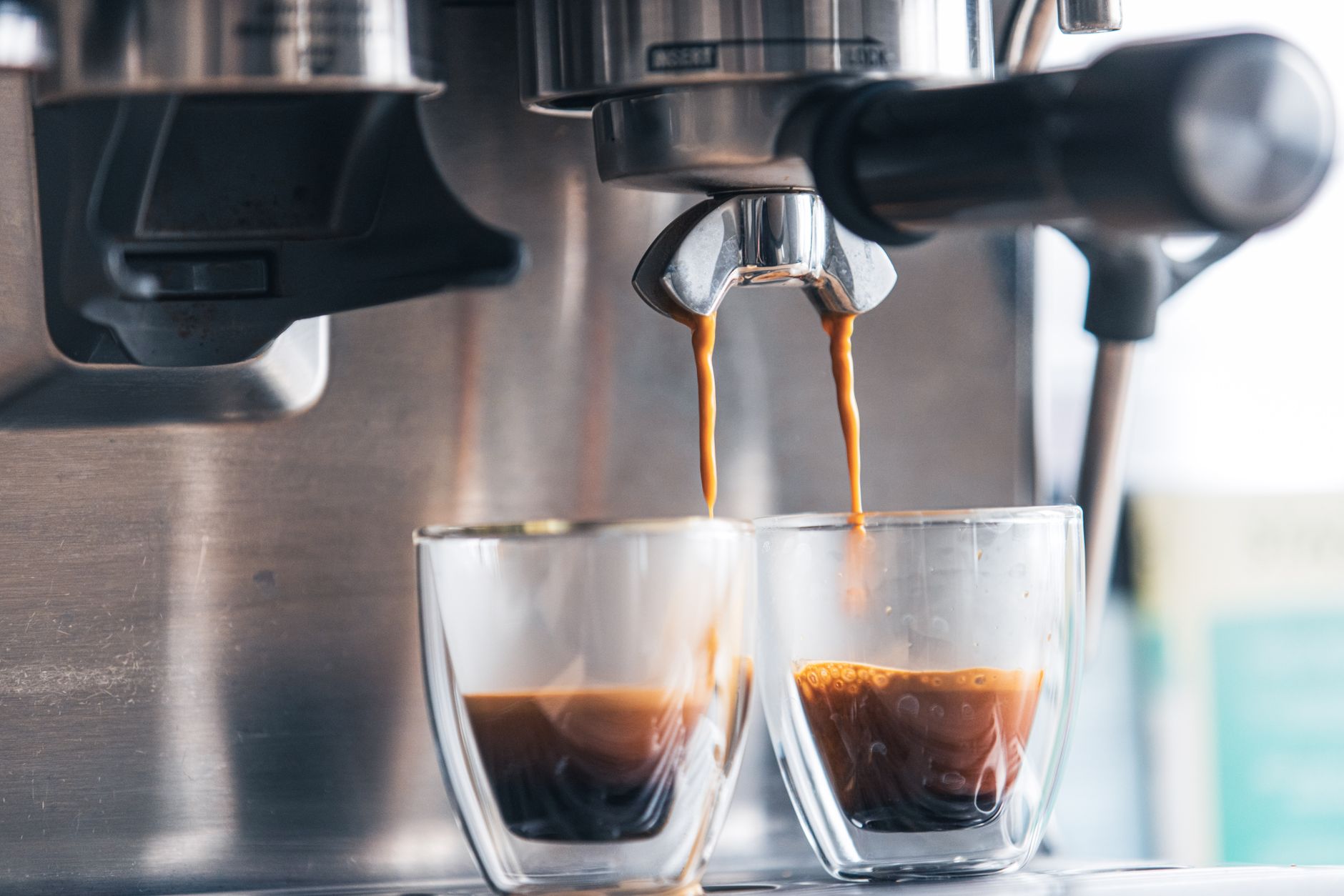 Photo: Joshua Wall via Pexels
This single distinction resolves most buying decisions. Nespresso is optimized for intensity — the kind of coffee that forms the base of a latte, cappuccino, or flat white. Keurig is optimized for volume and variety — a quick 8 oz of coffee from Dunkin’, Starbucks, Green Mountain, or hundreds of other brands.
Both are pod systems, meaning no grinding, no measuring, no cleanup beyond rinsing the drip tray. The convenience tier is roughly equal. The coffee they make is not.
Coffee Quality: Espresso vs Drip
Nespresso capsules produce genuine crema — the reddish-brown emulsified layer that sits on top of a proper espresso shot. Keurig K-Cups produce drip coffee. No crema, no espresso concentration. If you order lattes or cappuccinos at a café and want to approximate that at home, Nespresso is the only answer here.
 Photo: Gizem Gökce via Pexels
Nespresso offers two systems: Original and Vertuo. Original uses a fixed 19-bar pump and works with third-party capsules. Vertuo uses centrifusion technology (spinning the capsule up to 7,000 rpm) and is locked to Nespresso-brand pods — but produces a larger range of cup sizes from a single machine, including 5 oz “gran lungo” and 8 oz “alto” options that blur into drip territory while maintaining more body than Keurig.
Keurig’s coffee quality ceiling is capped by the K-Cup format itself: pre-ground coffee in a plastic cup, brewed in under a minute. It’s convenient, not exceptional. You can get perfectly decent coffee from a Keurig — but you’re buying into a system optimized for speed and brand variety, not craft.
Milk-Based Drinks
If lattes and cappuccinos are part of your routine, Nespresso wins without contest. Several Nespresso machines include built-in milk frothers (Lattissima series) or bundle with the Aeroccino frother. The Vertuo Creatista includes a steam wand. Keurig has no real answer for milk-based espresso drinks — some machines have a “latte” mode that mixes hot water with powdered creamer, which is not the same thing.
 Photo: Pixabay via Pexels
Pod Selection and Cost
Nespresso Original pods cost $0.70–$1.20 each; Vertuo pods run $0.90–$1.50. Keurig K-Cups average $0.35–$0.75 each, with bulk pricing available. Keurig wins on per-cup cost and selection breadth — thousands of K-Cup varieties exist across every major coffee brand. Nespresso’s catalog is smaller but curated for quality.
| Nespresso Original | Nespresso Vertuo | Keurig | |
|---|---|---|---|
| Pod cost (avg) | $0.85 | $1.10 | $0.50 |
| 3rd-party pods | Yes (many) | No (Nespresso only) | Yes (thousands) |
| Flavor variety | ~100 official + 3rd party | ~50 official | 500+ brands |
| Cup size range | 1–5 oz | 1.35–18 oz | 4–30 oz |
| Espresso-style output | Yes | Yes | No |
The Keurig ecosystem’s breadth is genuinely impressive — if you want coffee from a specific regional roaster, a grocery store brand, or a major chain, there’s probably a K-Cup for it. Nespresso’s third-party Original capsule market (Peet’s, Starbucks, various specialty roasters) has grown, but Vertuo users remain locked to Nespresso’s own range.
Machine Price and Hardware
Entry-level Nespresso machines (Essenza Mini, Vertuo Pop) start around $100–$130. Entry-level Keurigs start around $70–$100. Mid-range for both sits at $150–$200. At equivalent price points, Nespresso hardware is generally better built — metal components where Keurig uses plastic, tighter tolerances, longer-lasting pumps.
The Nespresso Vertuo Pop
On the Keurig side, the K-Slim is the go-to for small countertop footprints, and the K-Supreme Plus adds multi-stream brewing that measurably improves extraction uniformity compared to older Keurig models.
 Photo: Ron Lach via Pexels
Both brands offer higher-end machines in the $200–$700 range. Nespresso’s Creatista Plus is the closest thing to a home espresso machine in pod form. Keurig’s K-Café series adds basic espresso “shots” (concentrated brew, not true espresso pressure) and a built-in frother — better than nothing, but not competitive with Nespresso espresso output.
Sustainability
Neither system is environmentally neutral. Nespresso’s aluminum capsules are recyclable through their in-store and mail-back program — aluminum is infinitely recyclable and Nespresso has invested in collection infrastructure. Keurig K-Cups are mostly plastic and historically difficult to recycle; Keurig has moved toward recyclable K-Cup materials in some markets, but actual recycling rates remain low.
If sustainability matters to your decision, Nespresso has the cleaner story — though both lose to a reusable filter brewer on every environmental metric.
Who Should Buy Each
Buy Nespresso if: you drink lattes, cappuccinos, or espresso; you want the best-tasting pod coffee available; you entertain and want to impress; or you’re coming from a café habit you want to replicate cheaply at home.
Buy Keurig if: you drink drip-style American coffee; you want to serve multiple people with different brand preferences; you want the lowest per-cup cost in a pod system; or you prioritize variety and availability over coffee quality ceiling.
→ See also:
- Nespresso Vertuo vs Original: Which System Should You Buy?
- Best Nespresso Machines (2026 Ranked)
- Nespresso Vertuo Pop Review (2026)
FAQ
Can a Keurig make espresso? No. Keurig machines brew at low pressure — typically under 10 psi — and produce drip-style coffee. Espresso requires 9 bars (130 psi) of pressure to extract the oils and compounds that create crema. Keurig’s “espresso-style” concentrate modes produce stronger coffee, not espresso.
Are Nespresso pods more expensive than Keurig? Yes, by a meaningful margin. Nespresso pods average $0.85–$1.10 each; K-Cups average $0.45–$0.65 in bulk. Over a year of daily use, the difference adds up to $150–$250. Whether that’s worth it depends on how much you value espresso-quality output.
Can you use Keurig pods in a Nespresso machine? No. The capsule formats are completely incompatible — different shapes, materials, puncture mechanisms, and brew pressures. There’s no adapter that bridges them.
Which machine is easier to clean? Both are minimal maintenance by design. Nespresso requires descaling every 3–6 months (the machine signals when). Keurig descales similarly and has a detachable water reservoir that’s easier to wash than Nespresso’s. Day-to-day, both require only rinsing the drip tray.
Is Nespresso Vertuo or Original better for someone switching from Keurig? Original, if you want true espresso. Vertuo, if you want flexible cup sizes (including larger 8–18 oz brews) and a more forgiving learning curve. Vertuo’s centrifusion technology produces consistent results regardless of altitude or water hardness, which makes it the easier system for new users.
Do Nespresso machines last longer than Keurig? Generally yes. Nespresso machines are built with more metal components and higher-grade pumps, and anecdotally last 5–8+ years with descaling. Keurig machines typically last 3–5 years; the plastic internals and lower build quality show in longevity. Both brands offer warranties (1–2 years standard), and Nespresso’s customer service reputation is stronger.
Which system has better coffee for guests? Nespresso. When serving guests who drink different things — some espresso, some lattes — a Nespresso machine with an Aeroccino frother covers the full range. Keurig is better when guests all want a simple cup of drip coffee and have brand preferences.
Editorial methodology: Assessments are based on manufacturer specifications, published user reviews, and editorial research. Physical hands-on testing is noted explicitly where it occurred. Rankings reflect our editorial judgment and are not influenced by affiliate commission rates. Full editorial policy · Affiliate disclosure