Contents
Café Mocha Recipe: Make a Perfect Mocha at Home
TL;DR: A mocha coffee recipe combines a double espresso shot, chocolate (cocoa powder, chocolate syrup, or ganache), and steamed milk in roughly a 1:1:3 ratio. Pull your espresso, stir in the chocolate while hot, then add steamed milk. You get a café mocha in under 5 minutes — no barista training needed.
What Is a Mocha Coffee?
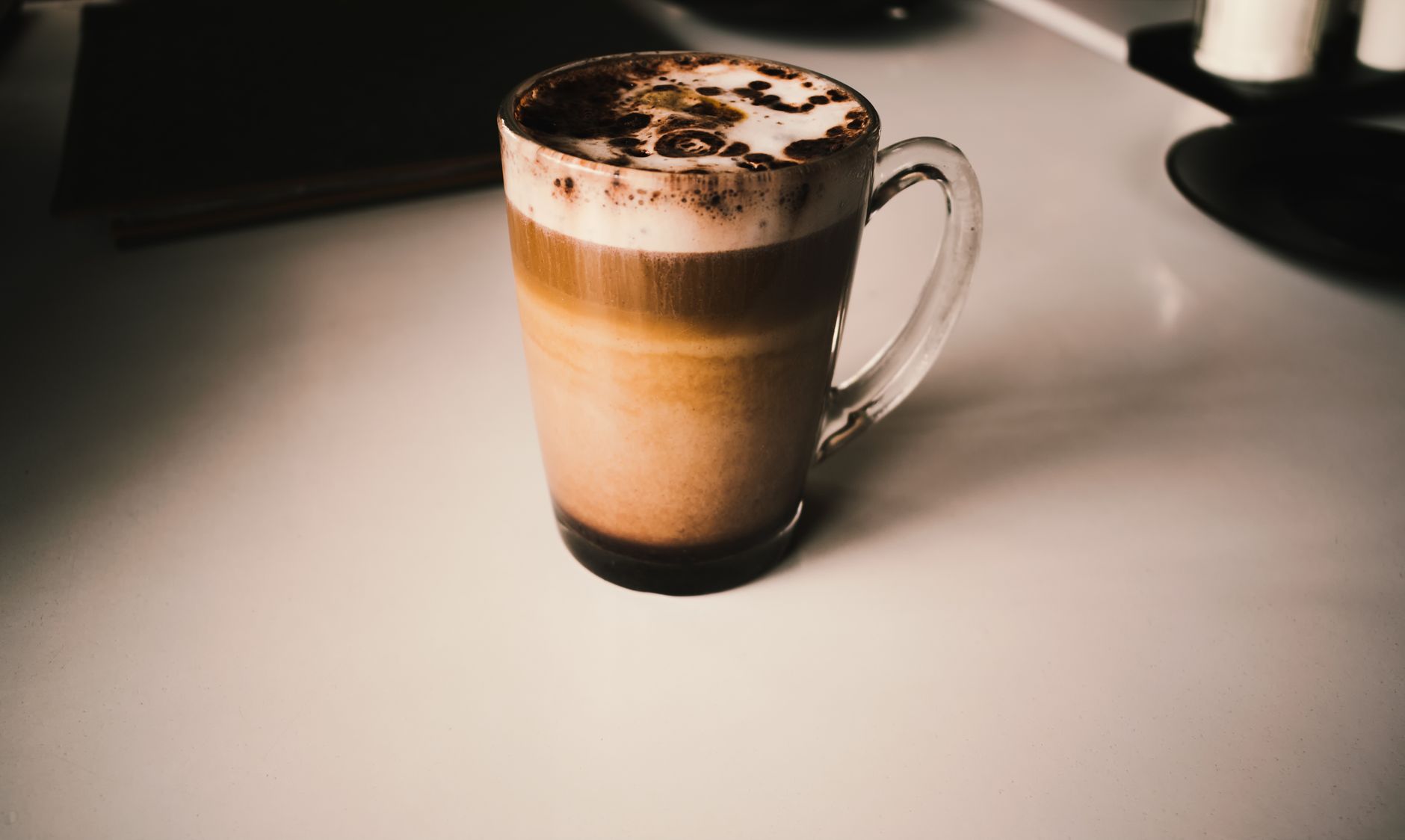
A mocha is espresso mixed with chocolate and steamed milk. It’s not a flavored latte — the chocolate is structural, not a drizzle. The ratio matters: too much milk and you lose the espresso; too little chocolate and it tastes like a weak latte with a cocoa afterthought.
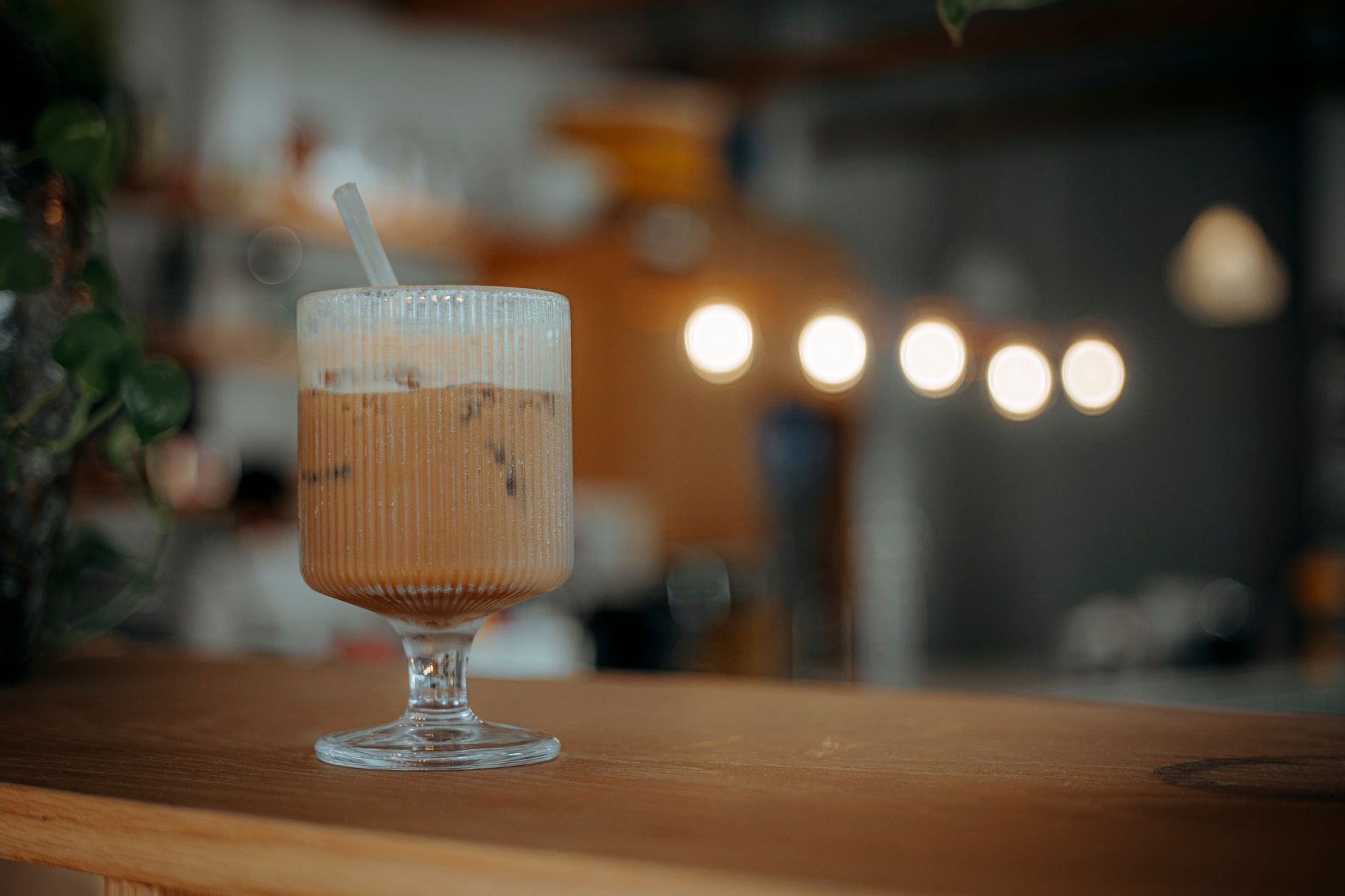 Photo: 🇻🇳🇻🇳Nguyễn Tiến Thịnh 🇻🇳🇻🇳 via Pexels
The name comes from Mocha, Yemen — historically one of the world’s most important coffee-trading ports, known for beans with a natural chocolatey character. The modern café mocha leans into that affinity deliberately.
Standard build: 1–2 oz espresso, 0.5–1 oz chocolate component, 4–6 oz steamed milk. Whole milk is traditional; oat milk gives a cleaner sweetness.
Choosing Your Chocolate
Your chocolate choice defines the drink’s character more than your espresso does. Cocoa powder gives depth and bitterness; chocolate syrup gives sweetness and gloss; dark chocolate ganache gives body and richness. Pick based on what’s in your kitchen and how sweet you want the result.
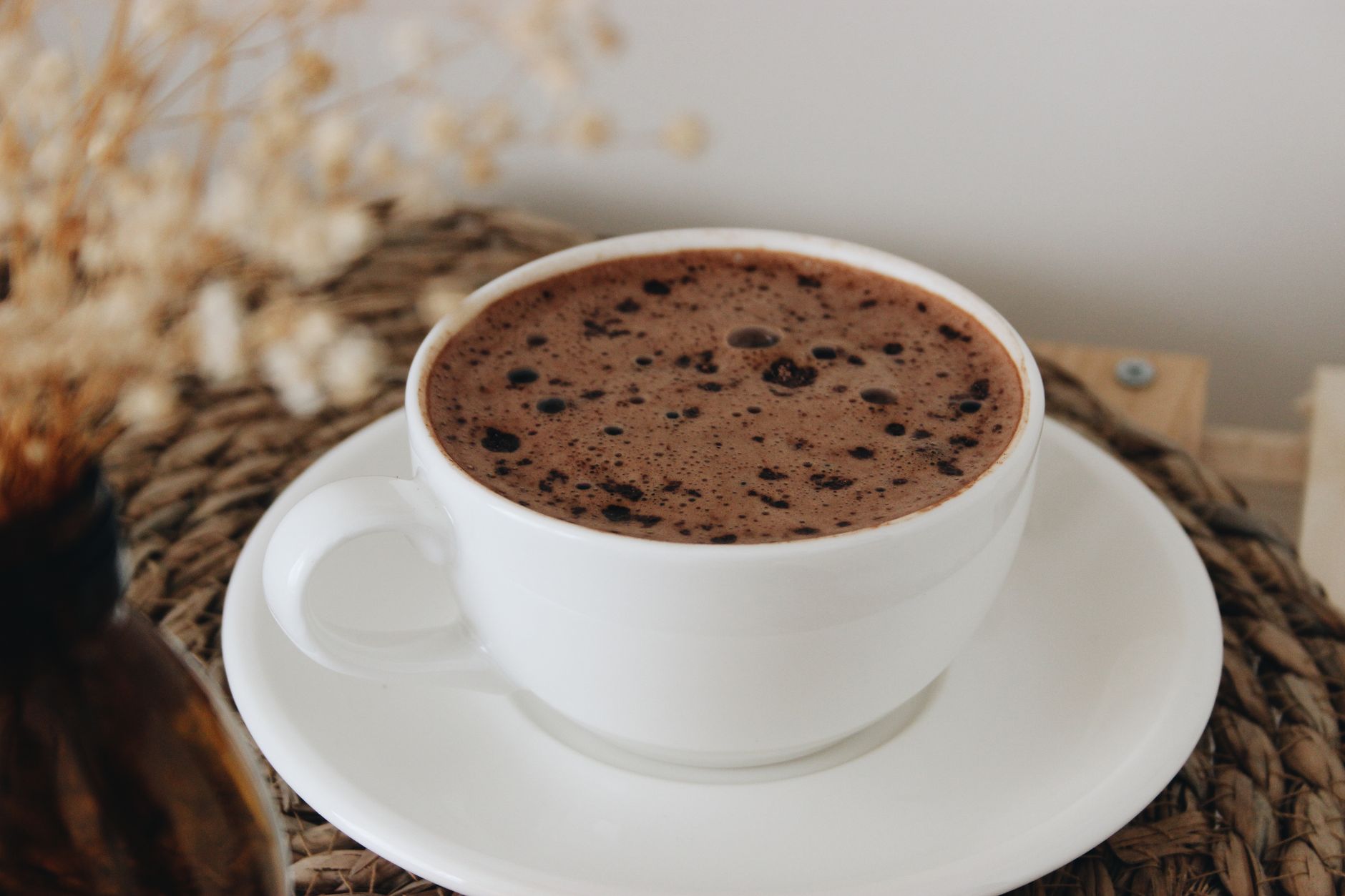 Photo: Sena via Pexels
| Option | Flavor Profile | Sweetness | Prep Time |
|---|---|---|---|
| Cocoa powder (unsweetened) | Deep, bitter, intense | Low | 30 sec |
| Chocolate syrup (e.g. Torani) | Sweet, smooth | High | 5 sec |
| Dark chocolate ganache | Rich, velvety, complex | Medium | 2 min |
| Cacao nibs (dissolved) | Earthy, raw | None | Not practical |
For a café-quality mocha, 2 tsp of unsweetened Dutch-process cocoa whisked with 1 tsp of hot water into a paste before adding espresso eliminates lumps and produces the most balanced result.
The Mocha Coffee Recipe (Step by Step)
Pull your espresso first, dissolve the chocolate into it immediately while the shot is hot, then steam and add milk. Order matters — adding chocolate to cold milk means it won’t integrate.
What You Need
- Double espresso (2 oz / 60 ml) — from an espresso machine or Moka pot
- 2 tsp unsweetened cocoa powder (or 1 oz chocolate syrup)
- 1 tsp hot water (if using cocoa)
- 4–5 oz whole milk (or oat milk)
- Optional: pinch of salt, vanilla, or cayenne
Method
- Make the chocolate base. Mix cocoa powder with just enough hot water to form a smooth paste. Do this in the bottom of your serving cup.
- Pull the espresso directly onto the chocolate paste. Stir immediately — the heat does the work. If using syrup, add it to the cup before the shot hits.
- Steam your milk to 140–150°F (60–65°C). Aim for microfoam — small, glossy bubbles integrated into the milk, not a stiff cap of foam.
- Pour steamed milk over the espresso-chocolate mixture, holding back the top foam. Spoon remaining foam on top if desired.
- Taste. Adjust with a touch more chocolate or a pinch of salt if needed.
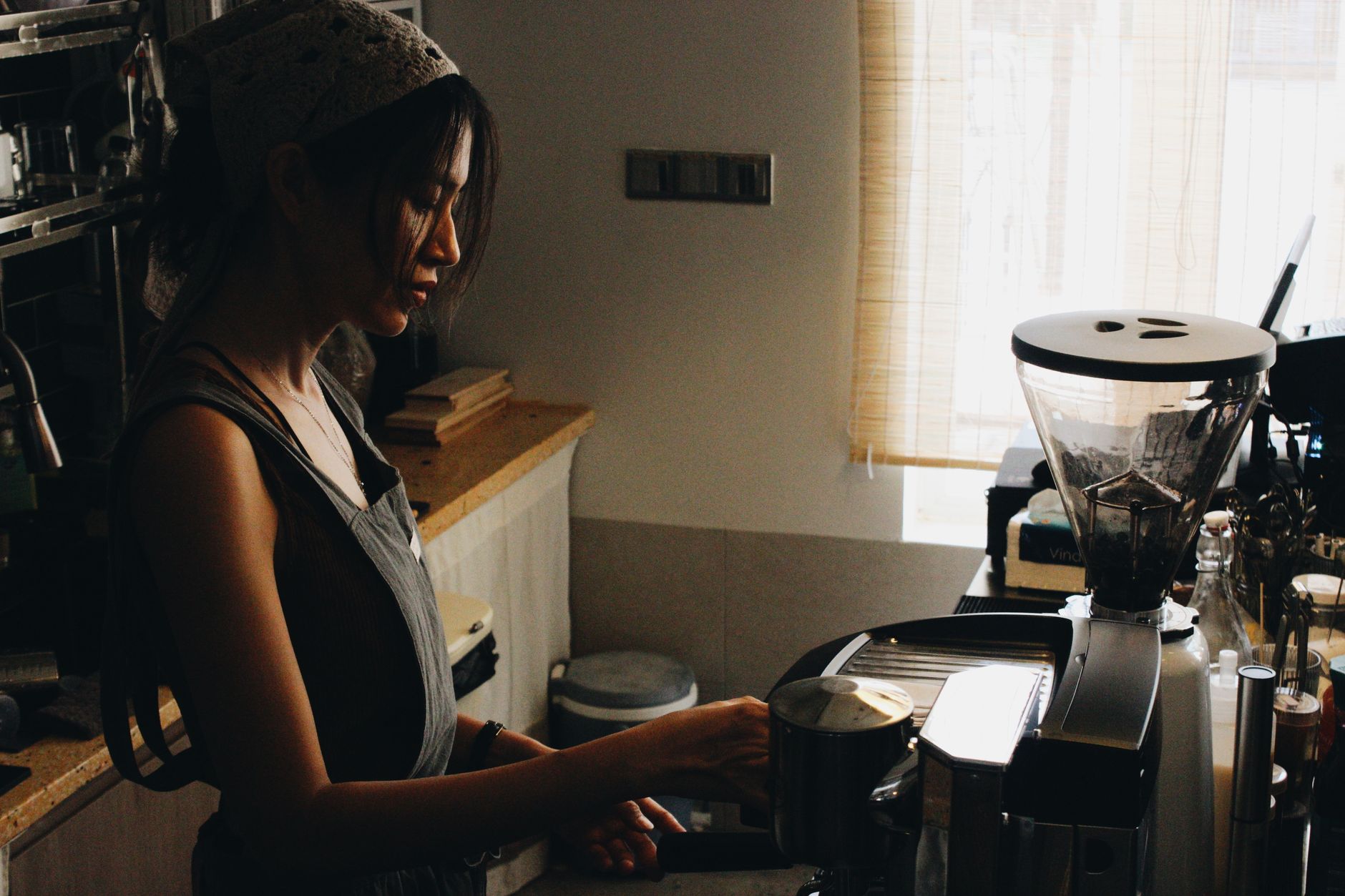 Photo: Huỳnh Như Mavi via Pexels
Total time: under 5 minutes.
Equipment: What You Actually Need
You don’t need a $2,000 machine. A Moka pot and a handheld milk frother produce a very good mocha; an espresso machine with a steam wand produces a great one. The gap is narrower than manufacturers want you to believe.
| Setup | Espresso Quality | Milk Texture | Verdict |
|---|---|---|---|
| Moka pot + handheld frother | Good (no crema) | Adequate | Solid home mocha |
| AeroPress + frother | Good (no crema) | Adequate | Slightly cleaner flavor |
| Entry machine (Breville Bambino) |
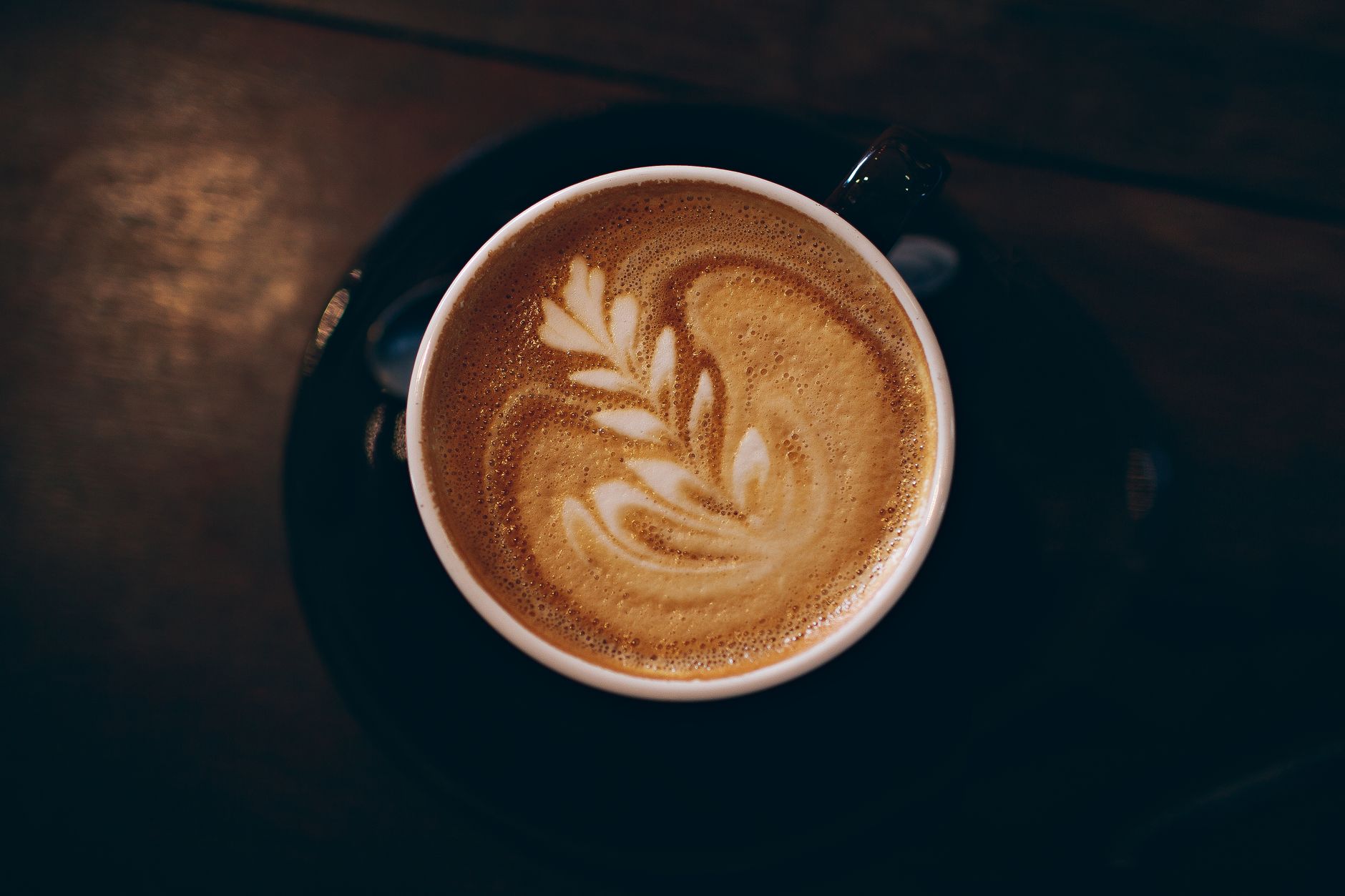 Photo: Helena Lopes via Pexels
If you’re grinding for espresso, grind fine — around 200–400 microns. Stale pre-ground coffee makes a flat mocha regardless of technique.
Variations Worth Making
Iced Mocha
Pull a double espresso over the chocolate paste, stir, let it cool 60 seconds, then pour over a full glass of ice. Add cold milk (no steaming needed). Finish with chocolate syrup if you want it sweet.
White Mocha
Swap dark chocolate for white chocolate syrup or melted white chocolate. Milder, sweeter — pairs well with lighter roast espresso.
Mocha Without an Espresso Machine
Brew a very strong Moka pot or use 2 oz of cold brew concentrate. The flavor is slightly different (less crema, less brightness) but the mocha character holds. The chocolate does a lot of the heavy lifting.
Common Mocha Mistakes
Weak espresso is the most common failure point. A mocha dilutes espresso with milk and chocolate — if you start with a watery shot, you end up with flavored milk. Pull a proper double, not a single.
- Under-extracted espresso: Sour, thin. Grind finer or tamp harder.
- Skipping the paste step: Lumpy cocoa floats instead of integrating.
- Milk too hot: Above 160°F denatures proteins, creates a cooked-milk taste. Use a thermometer.
- Too much chocolate: Becomes a hot cocoa with an espresso accent. 1:1 espresso-to-chocolate is the floor.
→ See Also
- Espresso Drinks: The Complete Guide to Every Type
- What Is a Cortado? (And How It Differs From a Macchiato)
- Cortado vs Flat White vs Macchiato: Full Comparison
FAQ
What’s the difference between a mocha and a latte? A latte is espresso and steamed milk only. A mocha adds chocolate to that base — usually cocoa powder or syrup — which deepens the flavor and sweetness. If someone describes a flavored latte as a mocha, they mean the same drink.
Can I make a mocha without an espresso machine? Yes. A Moka pot, AeroPress with a fine grind, or 2 oz of cold brew concentrate all work. You lose the crema and some brightness, but the chocolate-milk-espresso balance survives. A handheld frother handles the milk.
How much chocolate goes in a mocha? Standard ratio is 2 tsp cocoa powder (or 1 oz chocolate syrup) to a double espresso. That’s roughly 1 part chocolate to 2 parts espresso. Scale up if you want it more chocolatey, but past 1:1 you’re making a hot chocolate with espresso.
Is a mocha sweeter than a latte? Almost always, yes — the chocolate component adds sugar unless you use unsweetened cocoa. With Dutch-process cocoa and no added sugar, a mocha can be as dry as a latte. With chocolate syrup or milk chocolate, it reads noticeably sweeter.
What milk works best in a mocha? Whole milk gives the richest texture and pairs best with dark chocolate. Oat milk is the closest non-dairy match — naturally sweet, steams well, and doesn’t fight the chocolate. Almond milk works but steams thinner and adds a nutty note.
Editorial methodology: Assessments are based on manufacturer specifications, published user reviews, and editorial research. Physical hands-on testing is noted explicitly where it occurred. Rankings reflect our editorial judgment and are not influenced by affiliate commission rates. Full editorial policy · Affiliate disclosure