Contents
Italian Coffee Culture: A Guide to Drinking Coffee Like an Italian
TL;DR: The italian coffee culture guide boils down to one rule — coffee is ritualistic, fast, and ordered correctly or not at all. Espresso is drunk standing at the bar, cappuccino only before 11am, and no Italian would ever order a large drip coffee. Master these rules and you’ll navigate any bar in Italy without embarrassing yourself.
What Makes Italian Coffee Culture Different
Italian coffee culture is built on ritual, not relaxation. The bar is a social hub where espresso is consumed in under two minutes, standing up, often for under €2. Italians drink coffee on a precise schedule tied to digestion, time of day, and social context — not whenever they feel like it.
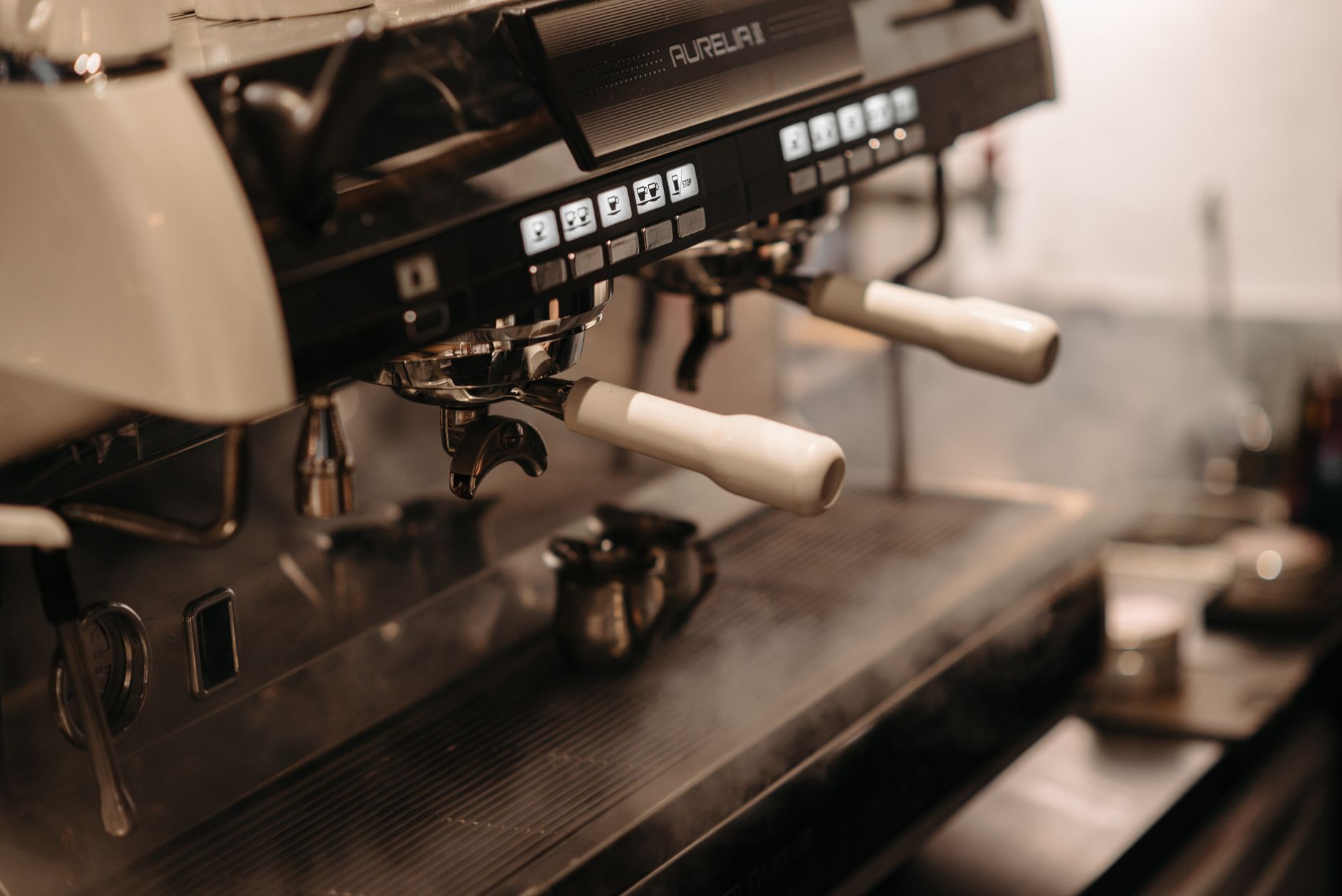 Photo: Pavel Danilyuk via Pexels
Italy didn’t invent coffee, but it industrialized espresso. The espresso machine, as we know it — high pressure, short extraction — was born in Milan in the early 20th century. The culture that grew around it is unusually codified: specific drinks at specific times, specific temperatures, specific volumes. Break the code and you’ll get served, but you’ll get looks.
The bar itself is central. Not a bar in the American sense, though alcohol is sold too. An Italian bar is a coffee-and-snack counter, open from early morning, serving hundreds of espressos before noon. The ritual is: walk in, say hello, order, pay (sometimes before, sometimes after, depending on the region), drink standing at the counter, leave. The whole thing takes three minutes.
The Italian Coffee Menu, Decoded
Every drink on an Italian coffee menu has a defined meaning. Ordering “a coffee” gets you a single espresso, no questions asked. Modifier words — macchiato, lungo, ristretto — communicate precise extraction parameters that any barista understands immediately.
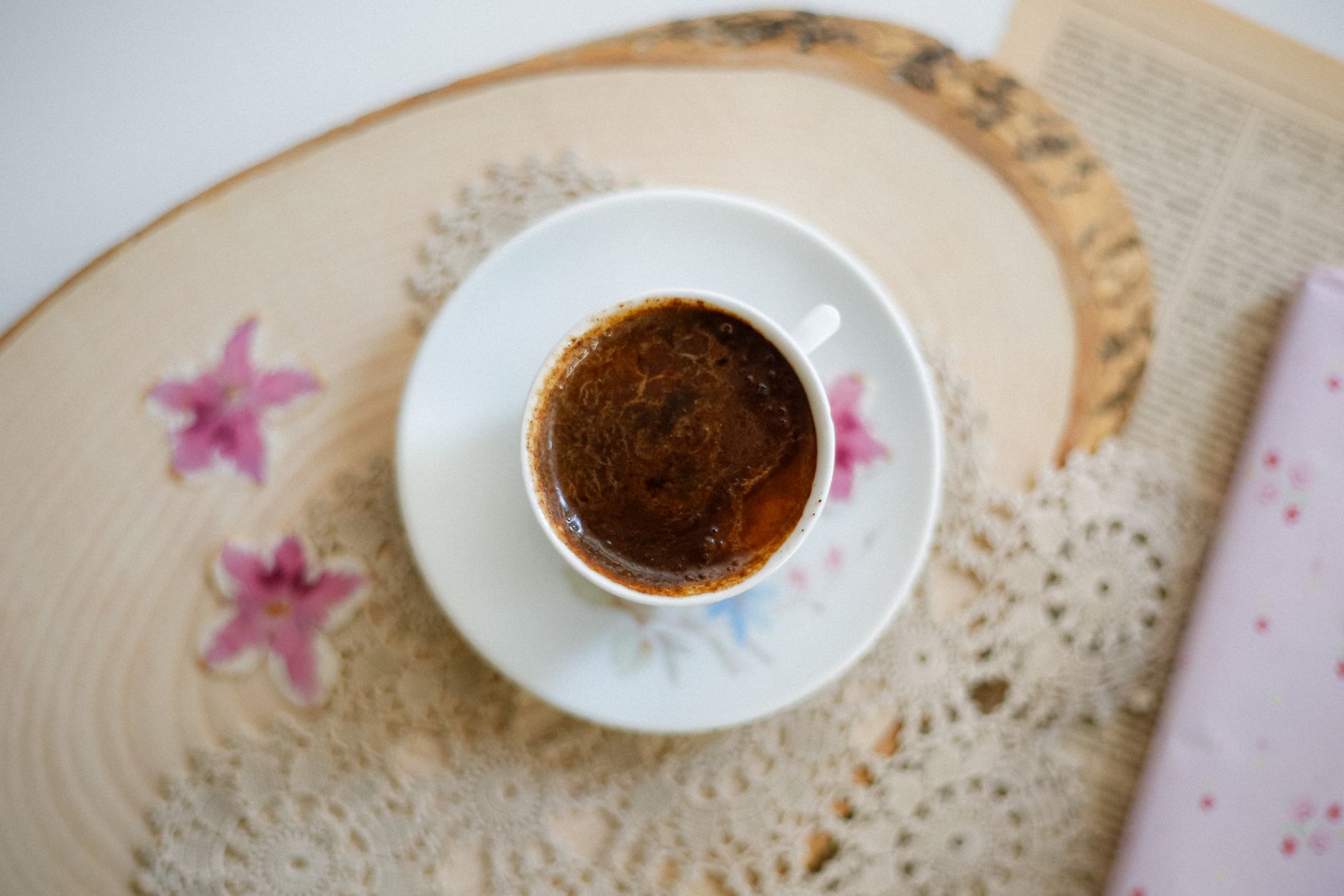 Photo: betül nur akyürek via Pexels
Here’s what you’ll actually see on the board:
| Drink | What It Is | When Italians Drink It |
|---|---|---|
| Caffè | Single espresso, ~25ml | All day |
| Caffè macchiato | Espresso with a small foam dot | Morning through afternoon |
| Caffè lungo | Longer pull, ~50ml, weaker | Morning |
| Caffè ristretto | Shorter pull, ~15ml, more concentrated | Any time |
| Cappuccino | Espresso + steamed milk + foam, ~150ml | Before 11am only |
| Caffè latte | Espresso + more steamed milk, less foam | Breakfast only |
| Marocchino | Espresso + cocoa + milk foam, tiny glass | Morning |
| Caffè corretto | Espresso + a shot of grappa or sambuca | After meals, mostly in the north |
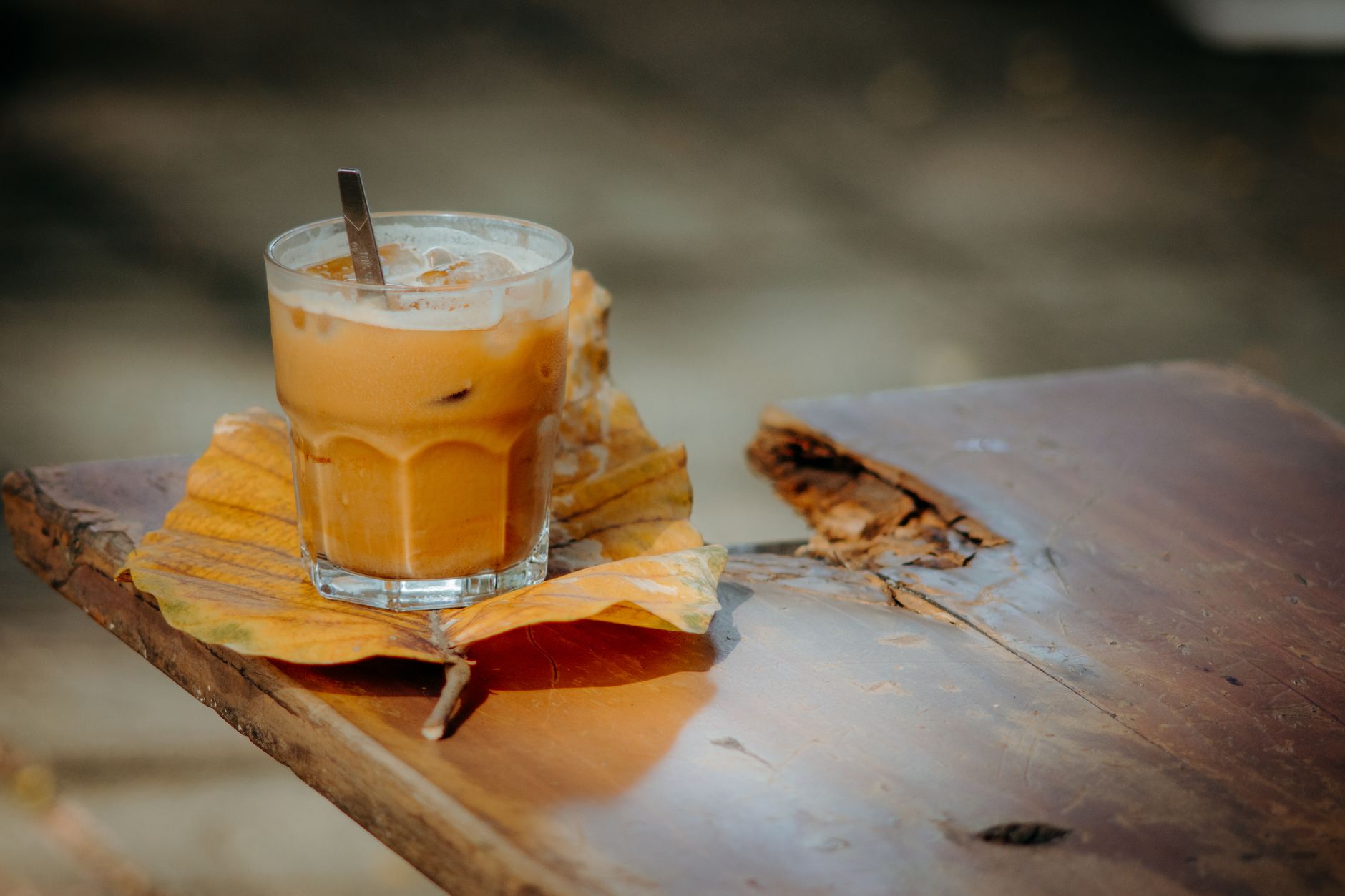
| Granita di caffè | Iced coffee slush, with cream | Summer, southern Italy |
The cappuccino rule deserves emphasis: ordering one after lunch or dinner signals tourist immediately. The logic is digestive — Italians believe milk after a meal is hard on the stomach. Whether you believe that biologically doesn’t matter; the social rule is real.
How to Order Like a Local
At the Counter
Walk in. Make eye contact with the barista. Say “Un caffè, per favore” or just “Un caffè.” No need for a full sentence. Pay when you receive it, or look for a cassa (cashier) — in many Italian bars, especially busier ones in cities, you pay first at the till, take your receipt to the counter, and present it when ordering.
Don’t ask for oat milk. Don’t ask for a large. Don’t ask them to make it less strong. This isn’t rudeness — it’s just not what a bar is. If you want a milder coffee, order a caffè lungo or a caffè americano (hot water added after extraction, approximating filter coffee).
Pricing
Standing at the counter costs less than sitting at a table, in almost every bar in Italy. A seated espresso at a touristy piazza café in Venice or Rome can run €3–5. The same espresso at the counter is €0.90–1.20. This isn’t a tourist trap — it’s the traditional two-tier pricing model where table service is a premium.
Regional Differences
 Photo: Engin Akyurt via Pexels
Naples and the south run darker roasts, shorter extractions, and more robusta in the blend. The espresso is thicker, more bitter, and often sweeter — sugar stirred in at the bar or already dosed. The caffè napoletano is a cultural identity, not just a preference.
Milan and the north lean lighter, more arabica, sometimes even single-origin at specialty spots. Northern Italy was also where third-wave coffee first gained real traction in Italy — though the traditional bar culture remains dominant everywhere.
Sicily has granita di caffè con panna — coffee granita topped with whipped cream — eaten for breakfast in summer with a brioche bun. It sounds extreme. It’s excellent.
The Roast and the Machine
Italian espresso blends have historically leaned dark — caramelized, low-acid, chocolate and walnut notes that hold up under milk and pair with sugar. The machine is a commercial lever or pump espresso machine pulling at 9 bars of pressure, often a La Marzocco or Faema, maintained obsessively.
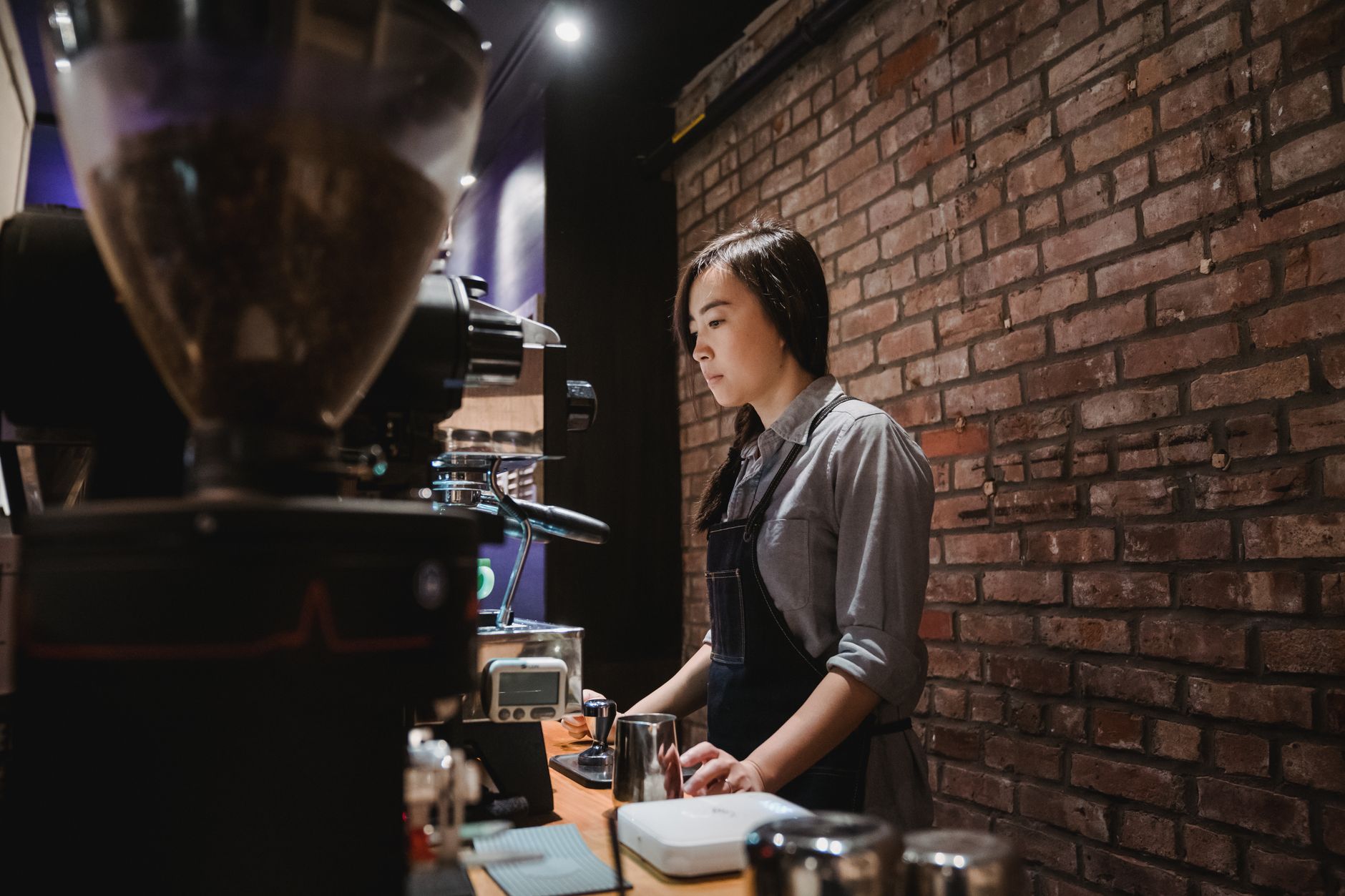 Photo: Mizuno K via Pexels
The beans are almost always a blend — robusta for crema and body, arabica for flavor complexity. Illy and Lavazza are the two brands that defined commercial Italian espresso internationally, though neither represents the full range of what’s available in-country. Every region has its preferred roaster; every neighborhood has its preferred bar.
Grind is dialed in daily. Tamping is standardized. Extraction time is 25–30 seconds. These aren’t arbitrary preferences — they’re the parameters the machine and roast were optimized for over decades of commercial use.
Italian Coffee at Home
Most Italians don’t use an espresso machine at home. They use a moka pot — the Bialetti Moka Express is the default, though every Italian grandmother has a preferred brand and size and opinions about the others. The moka produces a strong, concentrated brew that’s not technically espresso (no crema, lower pressure) but functions similarly in milk drinks and is consumed in the same small volumes.
The moka ritual is its own thing: medium-dark grind, cold water to the valve, don’t pack the basket, medium heat, listen for the gurgle, pull it off before it spits. Italians who grew up making moka can do this half-asleep.
Home espresso machines exist — DeLonghi makes affordable prosumer machines that sell well in Italy — but the default domestic setup is moka pot plus stovetop.
→ See also
- The Third Wave Coffee Movement: A Complete Guide — how specialty coffee culture diverged from (and sometimes returned to) Italian tradition
- Best Coffee Cities in the US (2026 Guide) — where American coffee culture has absorbed and reinterpreted Italian influence
- New York City Specialty Coffee Guide: 20 Best Cafés — NYC’s Italian-American espresso bar lineage and where it lives today
FAQ
Why do Italians only drink cappuccino in the morning? The widely cited reason is digestive: milk is considered heavy and harder to digest, making it inappropriate after meals. Whether or not this holds up nutritionally, the convention is real and consistent across Italy. Order a cappuccino after 11am and you’ll be served without complaint, but you’ll be read as a tourist.
What does “bar” mean in Italy? An Italian bar is a coffee-and-light-food counter, open from early morning and serving espresso, pastries, sandwiches, and often alcohol. It functions as a neighborhood social hub — not a nightlife venue. Most Italians stop at their local bar one to three times a day.
Is Italian espresso actually stronger than American espresso? Volume-for-volume, Italian espresso is similar in caffeine to American espresso. The difference is serving size — a standard Italian caffè is 25–30ml, while American espresso drinks trend larger. A cappuccino in Italy is ~150ml; in the US it often runs 240ml or more. The Italian version is more concentrated relative to the total drink size.
What is caffè corretto? Caffè corretto — literally “corrected coffee” — is an espresso with a small pour of spirits, typically grappa, sambuca, or brandy. It’s consumed after meals, especially in northern Italy and the Veneto region, and is more common among older generations. The spirits are meant to aid digestion, which is a recurring theme in Italian coffee logic.
Can you get filter coffee in Italy? Historically, no — filter coffee was almost nonexistent in Italian bars. In the last five to ten years, third-wave specialty cafés in Milan, Rome, and Bologna have introduced filter and pour-over options. Outside those cities and contexts, asking for filter coffee will likely get you a blank stare or an americano.