Contents
How to Make Cold Brew Coffee at Home
Cold brew is coarsely ground coffee steeped in cold water for 12–24 hours, then strained. No heat, no special equipment beyond a jar and a filter. The result is a smooth, low-acid concentrate you dilute to taste. This guide covers the exact ratio, steeping time, and method to get it right the first time.
What You Need
You need coarsely ground coffee, cold or room-temperature water, a container, and something to strain through. That’s it. A French press, mason jar, or any pitcher works. Fancy cold brew makers are optional — most add nothing a jar and a paper filter don’t already do.
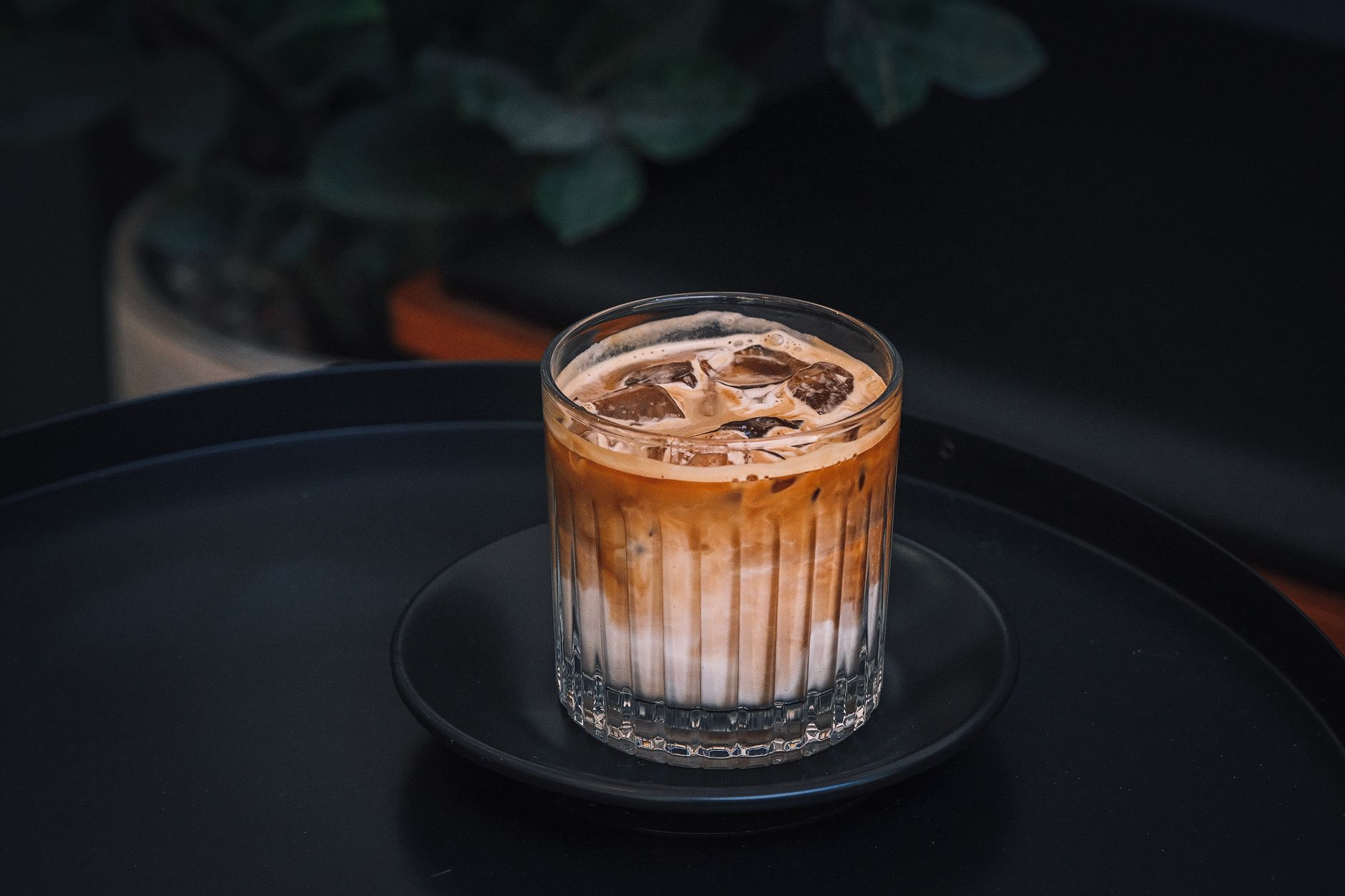
 Photo: Tony Wu via Pexels
Equipment
| Option | Works? | Notes |
|---|---|---|
| Mason jar + cheesecloth | Yes | Cheapest; double-layer for clean results |
| French press | Yes | Built-in plunger strains without extra gear |
| Dedicated cold brew maker | Yes | Convenient but not necessary |
| Fine mesh strainer | Partial | Needs a paper filter layered inside |
Coffee
Use medium or dark roast for classic cold brew flavor — the long steep amplifies chocolate, caramel, and nutty notes. Light roasts can work but produce a thinner, more acidic cup.
Grind size matters more than most people expect. Coarse — like raw sugar crystals. Too fine and the brew turns bitter and muddy, and it chokes your filter.
The Cold Brew Coffee Ratio
The standard ratio for cold brew concentrate is 1:4 coffee to water by weight (roughly 1 cup ground coffee per 4 cups water). For ready-to-drink cold brew, use 1:8. If you’re eyeballing it: 1 oz coffee per 1 cup water = concentrate; halve the coffee for direct drinking strength.
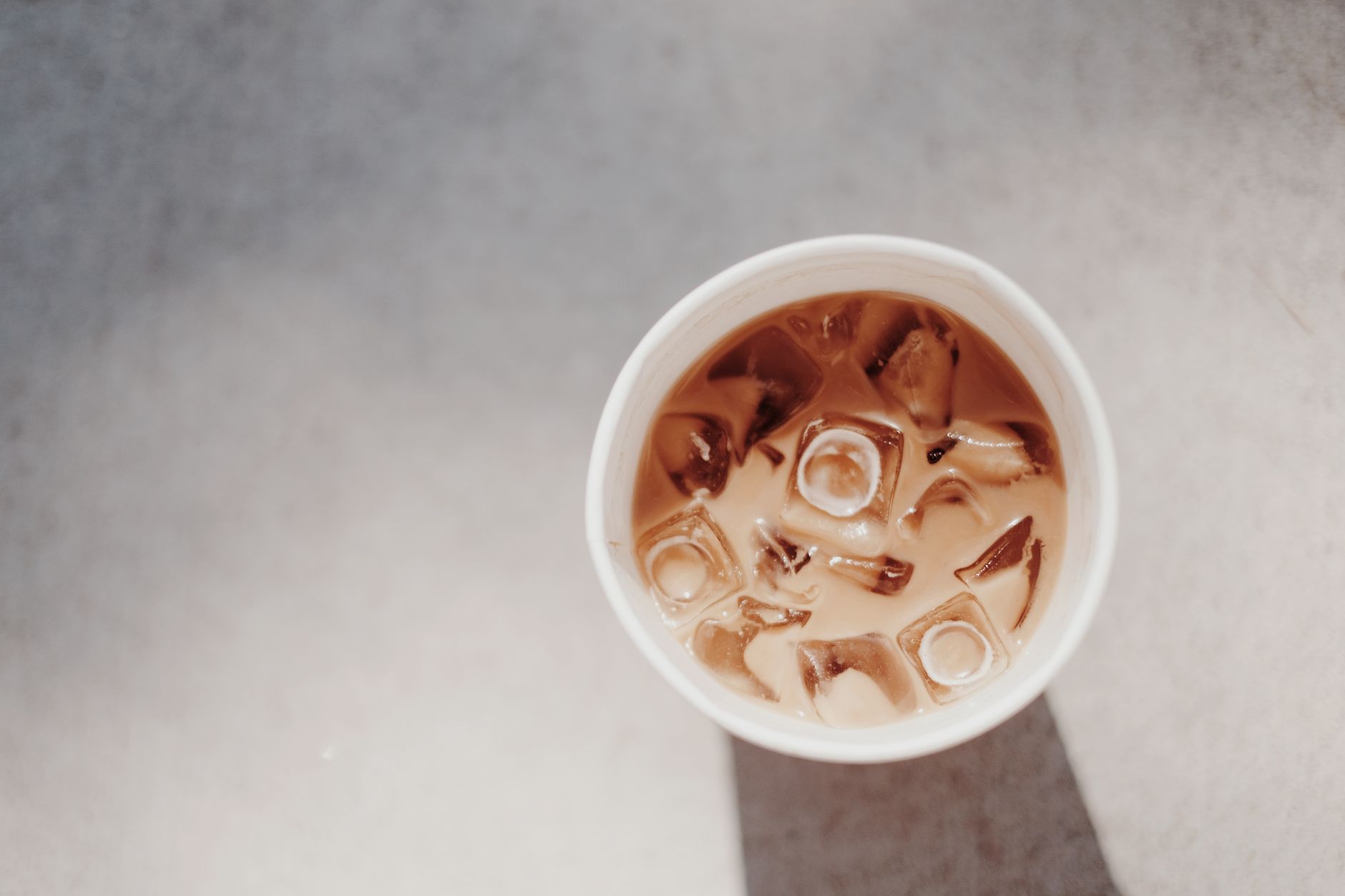
 Photo: Helena Lopes via Pexels
Weight beats volume here. Coffee grounds vary in density by roast and grind size — a cup of coarsely ground light roast can weigh 20% less than a cup of fine dark roast. A kitchen scale removes all that guesswork.
| Strength | Ratio (coffee:water) | Dilute before drinking? |
|---|---|---|
| Concentrate | 1:4 | Yes — 1:1 with water or milk |
| Ready-to-drink | 1:8 | No |
| Strong RTD | 1:6 | Optional |
Start with concentrate. It’s easier to dilute than to fix weak cold brew.
How to Make Cold Brew Coffee: Step by Step
Combine coarse coffee and cold water in a container, stir, cover, and steep in the fridge for 16–18 hours. Strain twice — once through a mesh strainer, once through a paper filter. Dilute the concentrate 1:1 with cold water or milk before drinking.
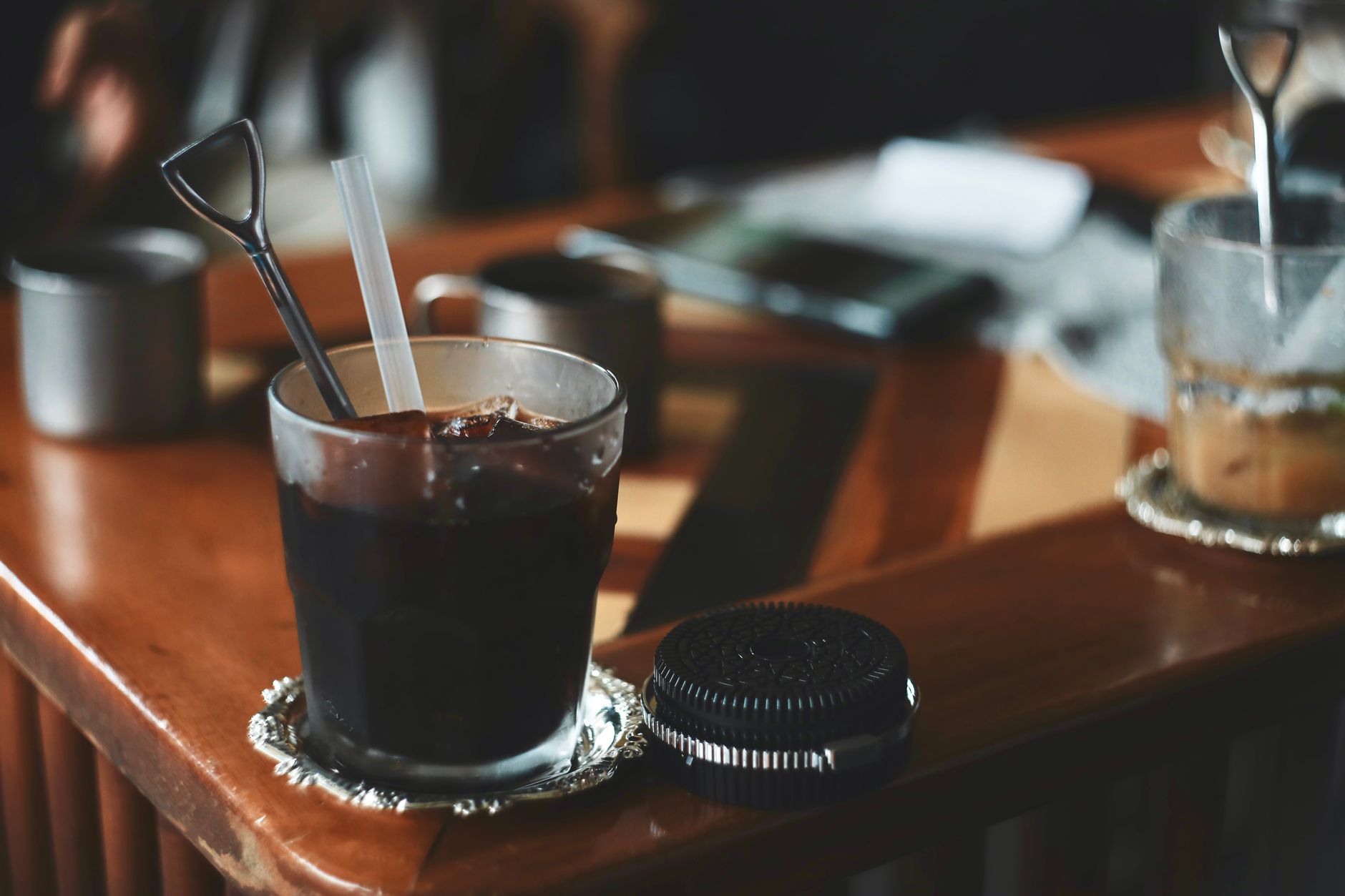
 Photo: Roberto Cervantes via Pexels
Step 1 — Grind
Grind to coarse. If you’re using pre-ground, buy one labeled “cold brew” or “coarse grind.” Anything finer will over-extract and clog your filter.
Step 2 — Combine
Add coffee to your container. Pour cold water over it. Stir gently to make sure all grounds are saturated — dry pockets extract unevenly.
Step 3 — Steep
Cover the container and steep at room temperature for 12–14 hours, or in the refrigerator for 16–24 hours.
- Room temp: faster extraction, slightly more body, marginally more acidity
- Fridge: slower, cleaner, more forgiving if you forget about it
16–18 hours in the fridge is the reliable default. Beyond 24 hours and bitterness creeps in.
Step 4 — Strain
Pour through a fine mesh strainer into a second container. Then run it through a paper coffee filter (or two layers of cheesecloth). This second pass is what separates silky cold brew from gritty cold brew. Don’t rush it — let gravity do the work.
Step 5 — Store and Serve
Refrigerate the strained concentrate in a sealed container. It keeps for up to 2 weeks without meaningful flavor degradation. To serve: pour over ice, dilute 1:1 with cold water or milk, and you’re done.
Troubleshooting
Bitter cold brew means over-extracted — too fine a grind, too long a steep, or both. Weak cold brew means under-extracted — too coarse, too short, or too little coffee. Fix one variable at a time so you know which lever worked.
 Photo: 🇻🇳🇻🇳 Việt Anh Nguyễn 🇻🇳🇻🇳 via Pexels
| Problem | Likely cause | Fix |
|---|---|---|
| Bitter | Grind too fine / steeped too long | Coarser grind; reduce steep to 14–16 hrs |
| Weak / watery | Too little coffee / too short | Increase ratio; steep to full 18 hrs |
| Gritty / muddy | Insufficient filtration | Double-filter with paper filter |
| Sour / sharp | Under-extracted (too short) | Extend steep time by 2–4 hours |
| Flat / dull | Old coffee or low-quality beans | Use fresh roast, grind just before brewing |
Cold Brew vs. Regular Iced Coffee
Cold brew is not iced coffee. Iced coffee is hot-brewed coffee poured over ice — fast, convenient, but more acidic and less shelf-stable. Cold brew is brewed cold from the start, producing a concentrate that’s 60–70% less acidic and noticeably smoother.
→ See also:
- Cold Brew vs Iced Coffee: What’s the Difference?
- Cold Brew Coffee Ratio Calculator
- Cold Brew Coffee: The Complete Guide (Ratio, Method, Storage)
FAQ
How long does it take to make cold brew coffee at home? Active prep is under 5 minutes — grind, combine, stir, cover. The steep takes 16–18 hours in the refrigerator. Plan to start it the evening before you want to drink it.
Can I use any coffee for cold brew? Yes, though medium and dark roasts produce the smoothest, sweetest results. Light roasts are usable but lean brighter and more acidic after the long steep. Whatever you use, buy whole beans and grind just before brewing — freshness matters more in cold brew than in hot, because there’s no heat to mask staleness.
Do I have to use cold water, or can I use room temperature? Both work. Cold water produces a cleaner, slightly milder cup and is more forgiving on steep time. Room temperature brews faster (12–14 hours vs. 16–24) and yields a slightly fuller body. Either way, store the finished brew in the fridge.
What’s the shelf life of homemade cold brew? Up to 2 weeks refrigerated in a sealed container, for concentrate. Ready-to-drink (already diluted) cold brew degrades faster — drink within 4–5 days. The flavor is best in the first week regardless.
Can I make cold brew without a special coffee maker? Absolutely. A mason jar and a paper coffee filter are all you need. French presses are convenient because the plunger handles the coarse strain, but dedicated cold brew gadgets offer no flavor advantage over a jar and patience.
Why is my cold brew less caffeinated than expected? Cold brew concentrate is actually high in caffeine — often higher than a regular cup of hot coffee, ounce for ounce. If your cold brew tastes weak, you’re either under-extracting (fix: more coffee, longer steep) or diluting too aggressively. Start with a 1:1 dilution of concentrate to water and adjust from there.
Editorial methodology: Assessments are based on manufacturer specifications, published user reviews, and editorial research. Physical hands-on testing is noted explicitly where it occurred. Rankings reflect our editorial judgment and are not influenced by affiliate commission rates. Full editorial policy · Affiliate disclosure