Contents
Coarse vs Fine Grind for Cold Brew: What Works Best?
TL;DR: Use a coarse grind for cold brew — roughly the texture of raw sugar or coarse sea salt. Coarse grind size for cold brew produces a clean, balanced cup with minimal over-extraction during the long steep. Fine grinds pull too many bitter compounds over 12–24 hours and clog most cold brew filters.
What Grind Size Actually Works for Cold Brew
Direct answer: Coarse grind, every time. The 12–24 hour steep compensates for reduced surface area — you don’t need a fine grind to extract flavor. Target a particle size around 800–1000 microns, similar to French press grind. Going finer doesn’t improve strength; it causes over-extraction and muddy, bitter coffee.
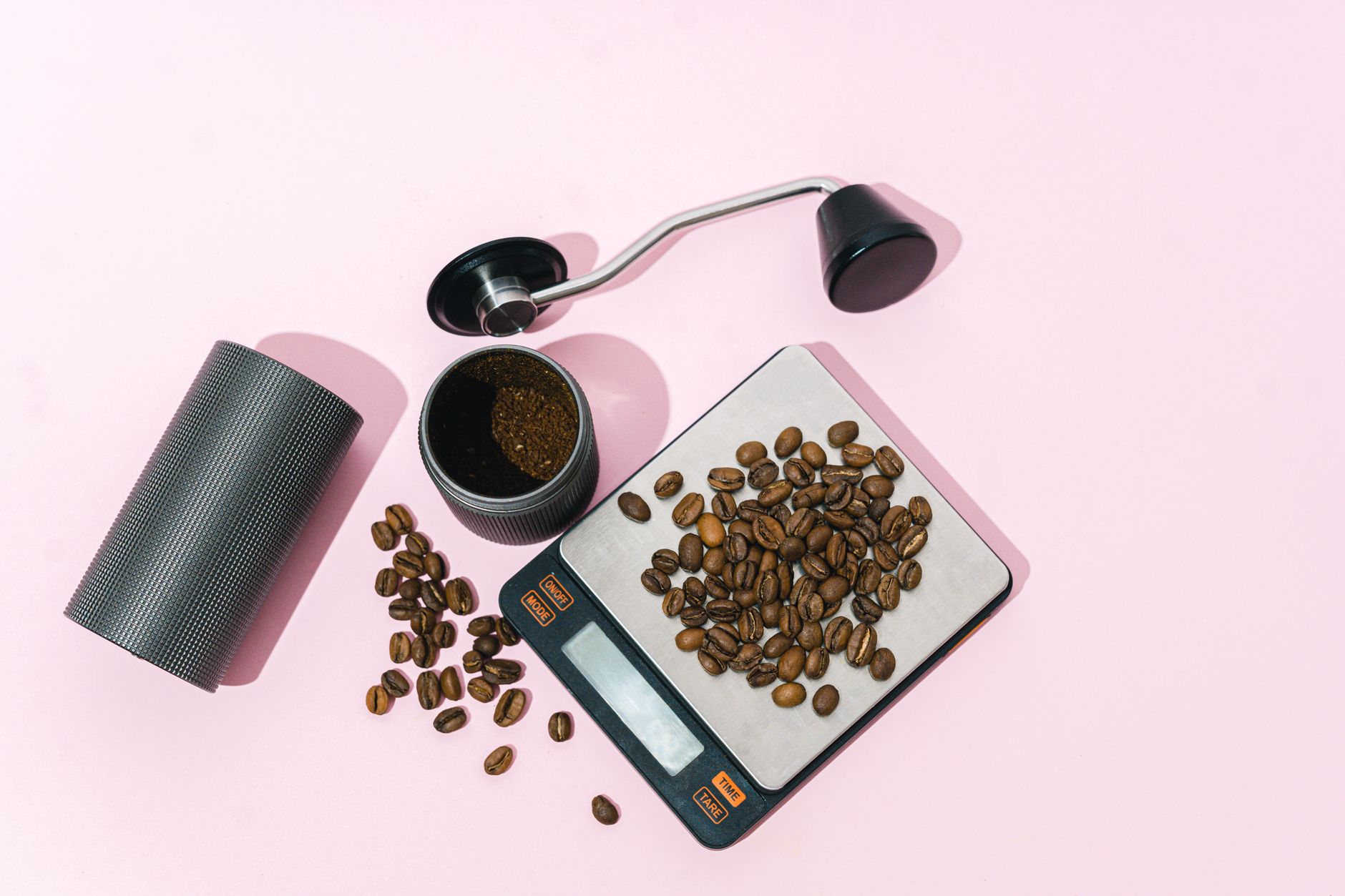 Photo: SHVETS production via Pexels
Cold brew works on a simple principle: time replaces heat. Hot brew extracts in 2–4 minutes because heat accelerates solubility. Cold water extracts the same compounds — just slowly. A coarse grind gives water enough surface area to work over a long steep without tipping into the harsh, bitter territory that fine grinds produce.
The science backs this up. Over-extracted coffee yields compounds like chlorogenic acids and quinic acid, which read as bitter and astringent on the palate. A fine grind in cold brew doesn’t give you more caffeine or more flavor — it gives you more of those undesirable compounds, baked in over 18 hours of contact time.
Why Fine Grinds Fail in Cold Brew
Direct answer: Fine grinds over-extract during extended steeps, producing bitter, harsh, and muddy results. They also compact in most cold brew filters and slow drainage to a crawl — or stop it entirely.
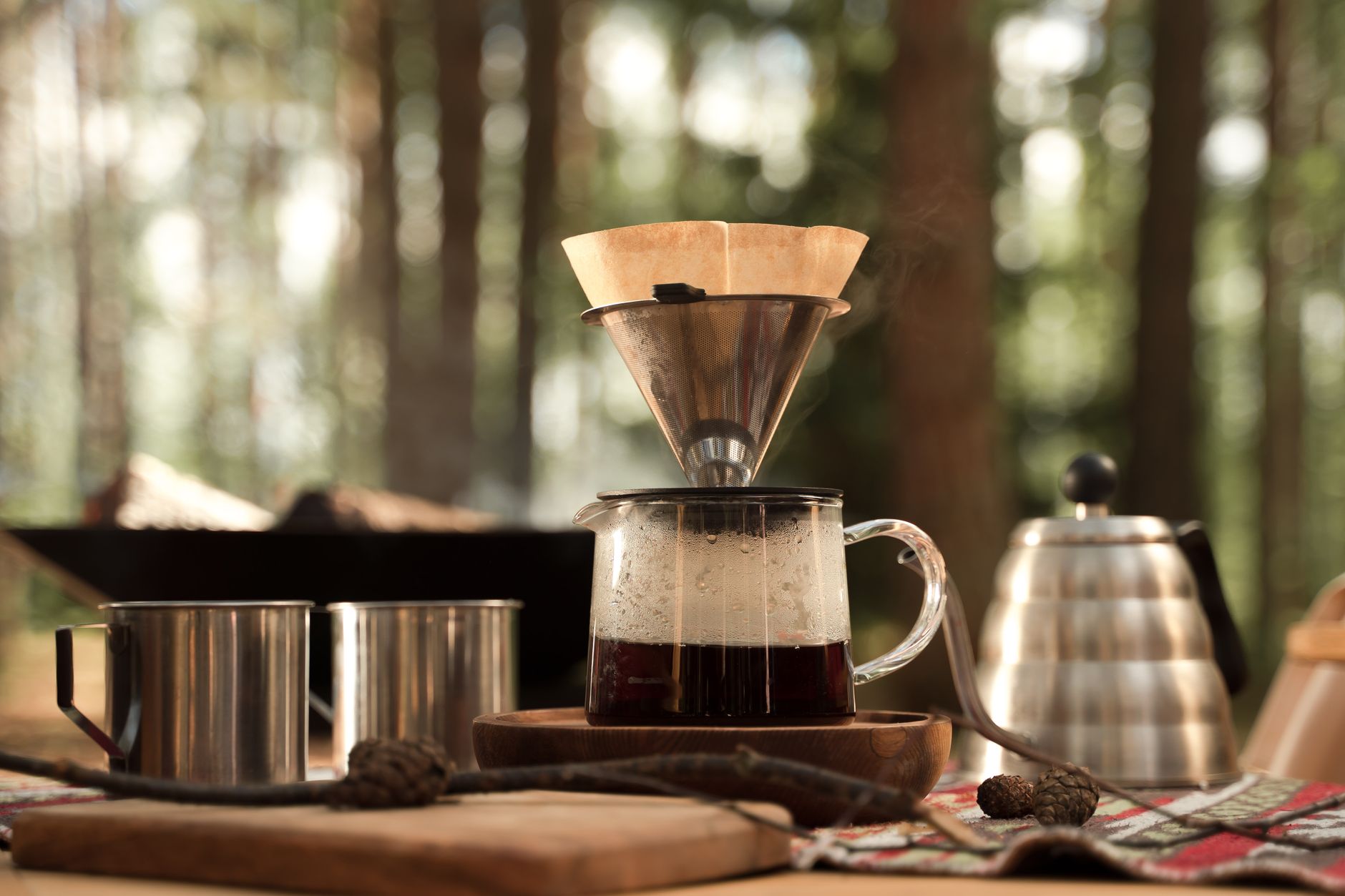 Photo: Ron Lach via Pexels
There are two practical problems with fine grinds beyond extraction chemistry:
Sediment and filtration. Fine grounds pass through mesh filters and paper alike. You end up with gritty sediment in the finished concentrate, a sludgy mouthfeel, and cloudy coffee that looks unappetizing. French press-style cold brew vessels are especially prone to this — a fine grind turns the plunger into a useless barrier.
Channeling and uneven extraction. Fine grounds compact under their own weight, especially in immersion-style brewers. Water finds the path of least resistance, so some grounds over-extract while others barely steep at all. The result is inconsistent, unbalanced flavor regardless of how well you dialed in your ratio.
How Grind Size Affects Cold Brew Flavor
Coarse Grind: The Sweet Spot
A proper coarse grind produces cold brew that is smooth, slightly sweet, with chocolate and fruit notes forward. Low acidity. No bitterness. This is what makes cold brew distinctive — that round, mellow character comes directly from coarse-ground extraction at low temperature.
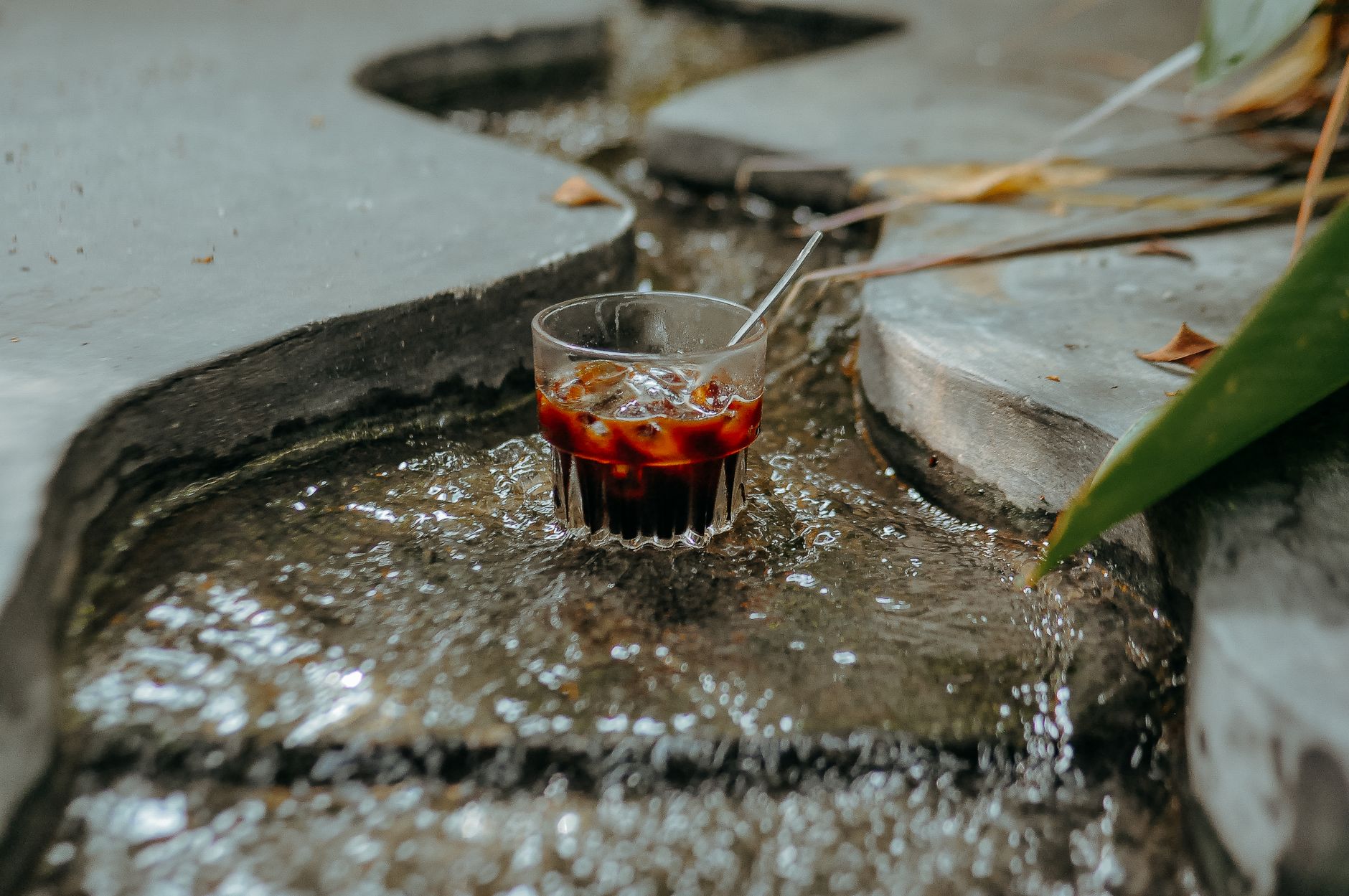 Photo: 🇻🇳🇻🇳Nguyễn Tiến Thịnh 🇻🇳🇻🇳 via Pexels
When you dial in grind size alongside steep time, you gain real control. A slightly coarser grind with a 24-hour steep tastes different from a medium-coarse grind at 14 hours — and both are valid. The key is that coarse is your baseline, not your compromise.
Medium Grind: Acceptable with Caveats
Medium grind (think drip coffee texture) can work if you shorten steep time to 8–12 hours and watch carefully. You’ll get slightly higher extraction and a touch more acidity. Some people prefer this profile, especially for cold brew meant to be drunk black without dilution. The margin for error is narrower — steep an hour too long and you’ll taste it.
Fine Grind: Avoid
| Grind Level | Steep Time | Result |
|---|---|---|
| Extra coarse | 20–24 hrs | Clean, low extraction, mild flavor |
| Coarse (recommended) | 14–20 hrs | Balanced, sweet, smooth — standard cold brew |
| Medium-coarse | 12–16 hrs | Slightly brighter, works with close monitoring |
| Medium | 8–12 hrs | Higher extraction risk, needs shorter steep |
| Fine | Any | Over-extracted, bitter, muddy, filtration problems |
Choosing a Grinder for Cold Brew
Direct answer: Any burr grinder set to its coarsest 20–30% range will work. Blade grinders produce uneven particle sizes that combine over-extracted fines with under-extracted chunks — avoid them for cold brew.
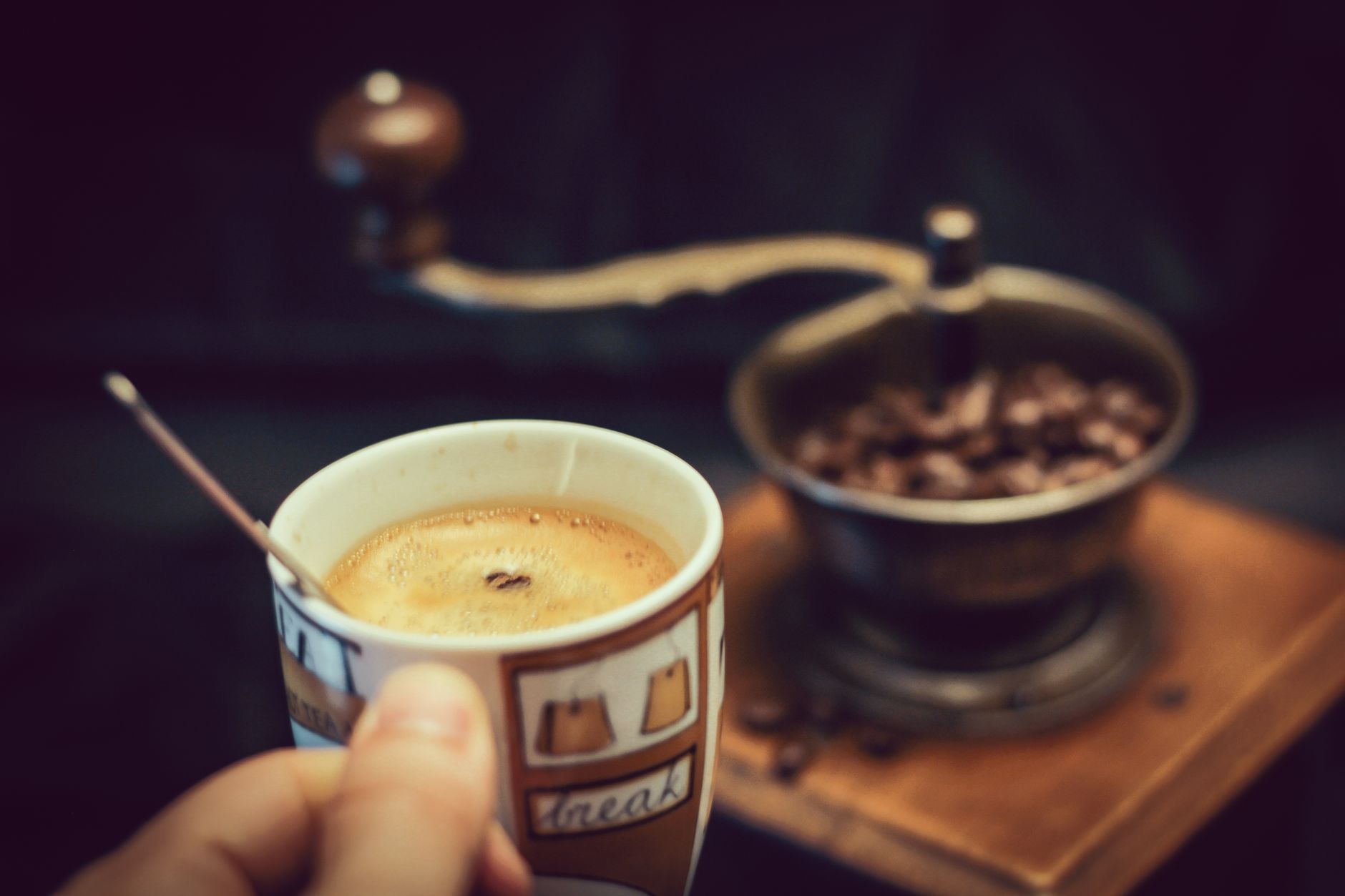 Photo: Tom Swinnen via Pexels
For cold brew specifically, consistency matters more than precision. You’re not chasing a 27-second espresso shot — you just need uniform particle size so the long steep hits all grounds evenly. A mid-range burr grinder like the Baratza Encore
If you’re grinding large batches — common for cold brew given the high coffee-to-water ratio — look for grinders with higher hopper capacity. Grinding 100–150g at a time for a full pitcher is tedious on small-hopper espresso grinders.
→ See also:
- Cold Brew Coffee: The Complete Guide (Ratio, Method, Storage)
- Cold Brew Coffee Ratio Calculator
- How to Make Cold Brew Coffee at Home
FAQ
Does grind size affect caffeine in cold brew? Not significantly. Caffeine is highly soluble even in cold water — most of it extracts regardless of grind size given enough time. What grind size controls is the balance of flavor compounds, not caffeine yield. A finer grind doesn’t meaningfully increase caffeine in a properly steeped cold brew.
Can I use pre-ground coffee for cold brew? Yes, if it’s labeled “coarse grind” or “French press grind.” Standard pre-ground drip coffee is too fine for cold brew — it’ll over-extract and you’ll fight filtration. Some specialty roasters sell coarse-ground coffee specifically for cold brew; that’s the easiest workaround if you don’t own a grinder.
How do I know if my grind is too fine? Two signs: the finished cold brew tastes bitter or astringent rather than smooth and sweet, and/or the coffee took forever to filter (or didn’t drain at all). If either happens, go coarser. Grind size is the first variable to adjust before changing steep time or ratio.
Does bean origin change the ideal grind size for cold brew? The target grind size stays the same, but origin affects how the extraction reads. Naturally processed Ethiopian beans (fruity, winey) can taste oddly fermented if over-extracted at fine grind. Washed Central Americans and medium-roast Brazilians are more forgiving. Coarse grind is still correct across all origins — the flavor profile differences are about bean choice, not grind adjustment.
Editorial methodology: Assessments are based on manufacturer specifications, published user reviews, and editorial research. Physical hands-on testing is noted explicitly where it occurred. Rankings reflect our editorial judgment and are not influenced by affiliate commission rates. Full editorial policy · Affiliate disclosure