Contents
Espresso Puck Screen: Do You Need One?
TL;DR: A puck screen is a thin metal mesh that sits on top of your coffee puck before brewing. It improves shot consistency by distributing water more evenly, reduces channeling, and makes cleanup faster. For most home espresso setups, it’s a worthwhile $20–$50 upgrade — not essential, but hard to argue with once you’ve used one.
What Is an Espresso Puck Screen?
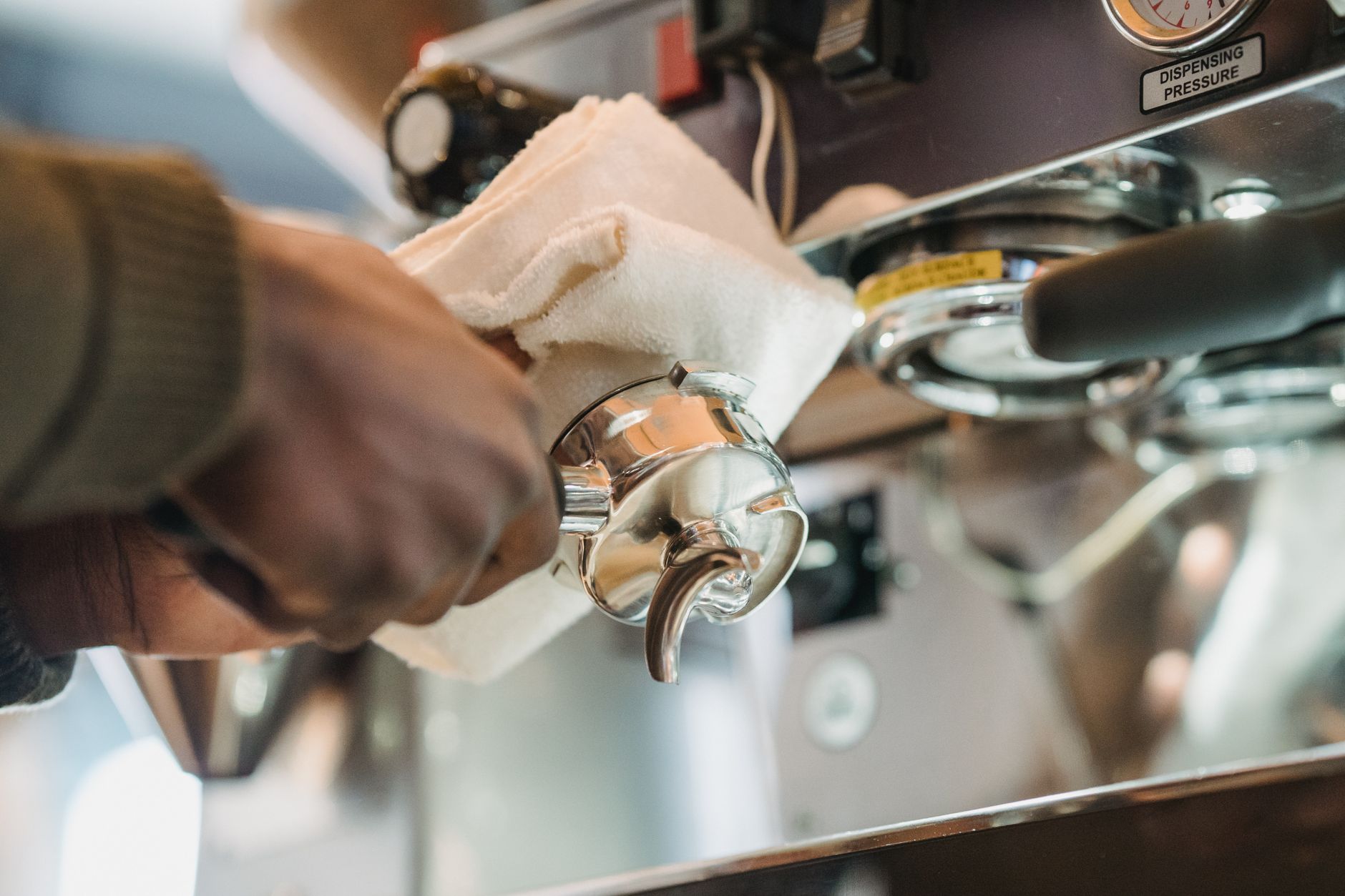
A puck screen (also called a shower screen insert or distribution screen) is a precision-cut metal disc — typically 58mm — placed on the ground coffee before locking in the portafilter. It sits between the puck and the group head shower screen, ensuring water contacts the entire puck surface uniformly from the first moment of pre-infusion.
 Photo: Matheus Andrade via Pexels
Most are made from stainless steel or titanium-coated steel, with laser-cut or etched micro-holes ranging from 150–250 microns. The mesh pattern is what matters: finer, more uniform holes mean more even water distribution across the puck surface.
Without one, your group head shower screen does the distribution work — and it’s decent, but not perfect. Water can hit the puck unevenly, creating pressure differentials that lead to channeling: those thin paths of least resistance that let water race through part of the puck while other areas stay under-extracted.
Does a Puck Screen Actually Improve Espresso Quality?
Yes, measurably — especially on machines without recessed shower screens. The puck screen reduces channeling by capping the top of the puck, preventing disturbance during pre-infusion ramp-up, and evening out the water contact surface. The result is a more uniform extraction with fewer bitter spikes or sour flat notes from mixed-extraction pulls.
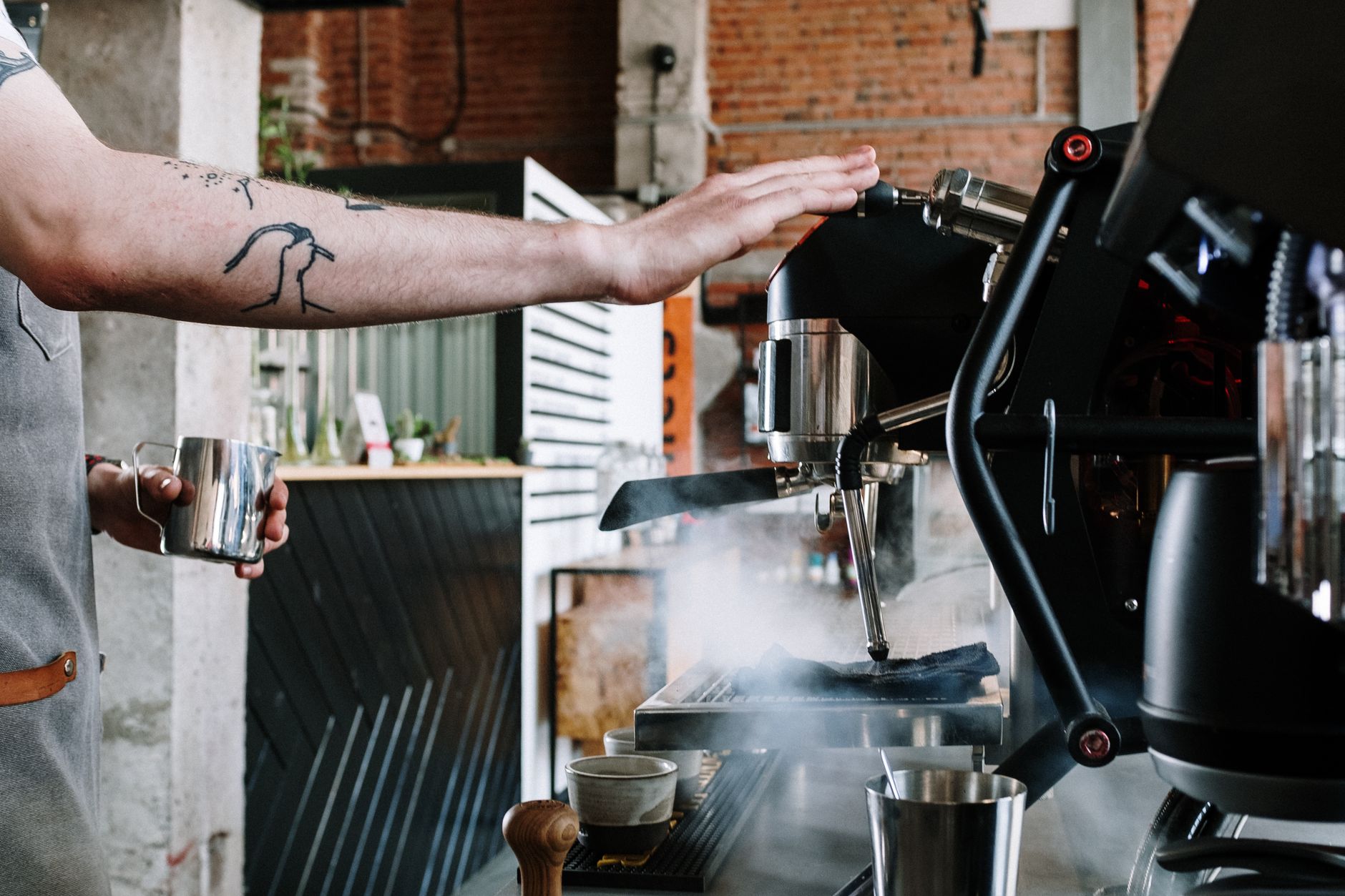 Photo: cottonbro studio via Pexels
The effect is most pronounced when:
- Your grind distribution isn’t perfect (i.e., you’re not using a $500+ grinder with near-zero retention)
- Your machine pre-infuses with a hard initial hit rather than a gentle ramp
- You’re pulling lighter roasts, where channeling is more punishing
For darker roasts on a forgiving machine, the improvement is subtler — but the cleanup benefit alone makes it worth considering.
Does It Change Puck Prep?
Slightly. You can skip WDT (Weiss Distribution Technique) and gentle tapping for most pulls — the screen compensates for minor surface inconsistencies. Some users find they can also drop the basket slightly underfilled and rely on the screen to prevent the puck from sticking to the group head.
One caution: the screen adds ~1–2mm of height. Check your headspace before buying, especially with deeper baskets or low-clearance group heads like those on older Gaggia Classics.
Which Puck Screens Are Worth Buying?
The Pesado Contact Screen and IMS Precision Screen are the two most-proven options. Pesado handles well and cleans fast; IMS has tighter hole tolerances for the most even distribution. Budget pick: the generic 58mm screens on Amazon work fine — the hole pattern matters more than the brand name on the rim.
 Photo: Maksim Goncharenok via Pexels
| Screen | Price | Material | Hole Size | Thickness | Best For |
|---|---|---|---|---|---|
| Pesado Contact | ~$45 | Stainless | 200μm | 1.7mm | Daily use, easy cleaning |
| IMS Precision | ~$38 | Stainless | 150μm | 1.5mm | Max extraction uniformity |
| Normcore V2 | ~$28 | Stainless | 200μm | 1.6mm | Value, wide compatibility |
| Generic 58mm | ~$12–20 | SS/Titanium coat | 150–250μm | varies | Budget test, replaceable |
All four cover the standard 58mm portafilter. If you’re on a 54mm (Breville Barista Express, De’Longhi Dedica Pro), filter by basket diameter before ordering.
Puck Screen vs. Better Tamping: Which Matters More?
Tamping technique matters more for shot quality floor; the puck screen raises your ceiling. A badly tamped puck still channels regardless of what’s on top — but a well-tamped puck with a screen pulls cleaner and more repeatably than without. Think of the screen as removing a variable, not replacing skill.
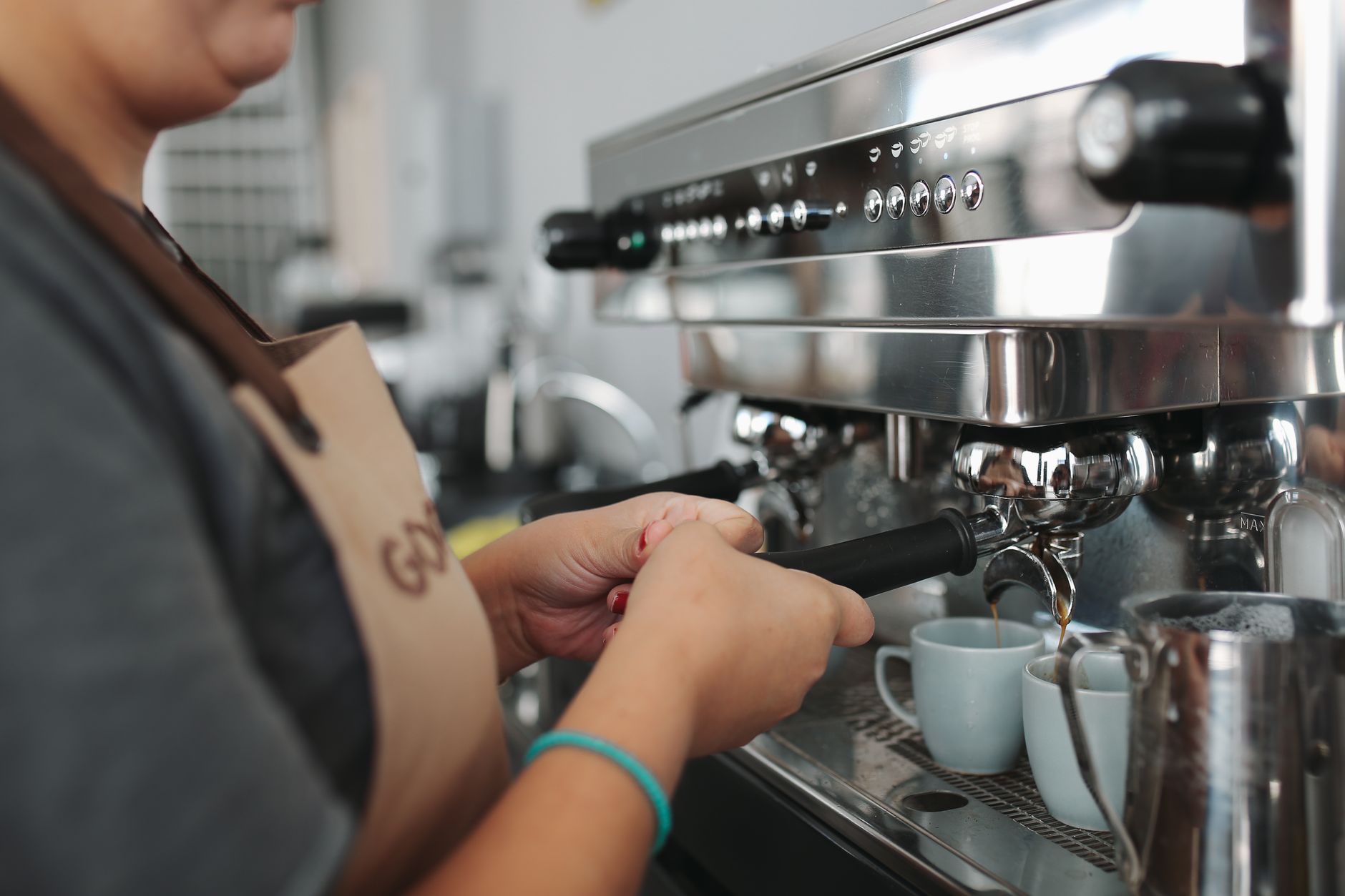 Photo: Melike B via Pexels
The puck screen is not a substitute for:
- Consistent grind size (your grinder is still the most important variable)
- Even distribution before tamping
- Correct dose weight
It is a substitute for obsessive puck prep rituals. If you’re currently spending 2 minutes on WDT, finger-painting the surface, and leveling with a distributor — you might get 90% of that result in 30 seconds with a screen and a single firm tamp.
→ See also
- Best Coffee Accessories (2026 Complete Guide)
- Best Coffee Scales (2026 Reviewed)
- Acaia Pearl Review: Is It Worth $150?
FAQ
Do I need a puck screen if I already have a good shower screen? Your machine’s factory shower screen distributes water across the group head, but it doesn’t contact the puck directly. A puck screen adds a second layer of distribution right at the coffee surface, where it matters most. Even on machines with premium shower screens like the E61 group, users report measurable channeling reduction with a puck screen added.
Will a puck screen scratch my basket or portafilter? No — a properly sized screen rests on the puck surface, not the basket walls. It doesn’t contact metal until you remove it for cleaning. Just rinse it under running water after each shot; oils rinse off easily before they bake on.
What size puck screen do I need? Match your basket’s inner diameter. Most standard machines use 58mm (La Marzocco, ECM, Rocket, Profitec, Rancilio Silvia Pro). Breville’s Barista Express and Pro use 54mm. The Dedica and similar budget single-serve machines use 51mm. When in doubt, measure your basket’s inner rim.
Can a puck screen cause over-extraction? Unlikely under normal conditions. The screen slows the initial water contact fractionally, which if anything extends pre-infusion slightly — typically a positive effect. If you’re seeing bitterness after adding a screen, your grind is probably too fine for your updated prep consistency. Coarsen by one or two clicks and re-dial.