Contents
Cold Brew vs Iced Coffee: What’s the Difference?
TL;DR: Cold brew and iced coffee are made completely differently. Cold brew steeps coarse grounds in cold water for 12–24 hours; iced coffee is hot-brewed coffee poured over ice. Cold brew is smoother, less acidic, and more concentrated. Iced coffee is faster and brighter-tasting but more acidic.
How Each One Is Made
Cold brew never touches heat. Coarse grounds steep in cold or room-temperature water for 12–24 hours, then the liquid is strained. Iced coffee is regular hot-brewed coffee — drip, pour-over, or espresso — that’s cooled and served over ice. The brewing method is the entire difference between them.
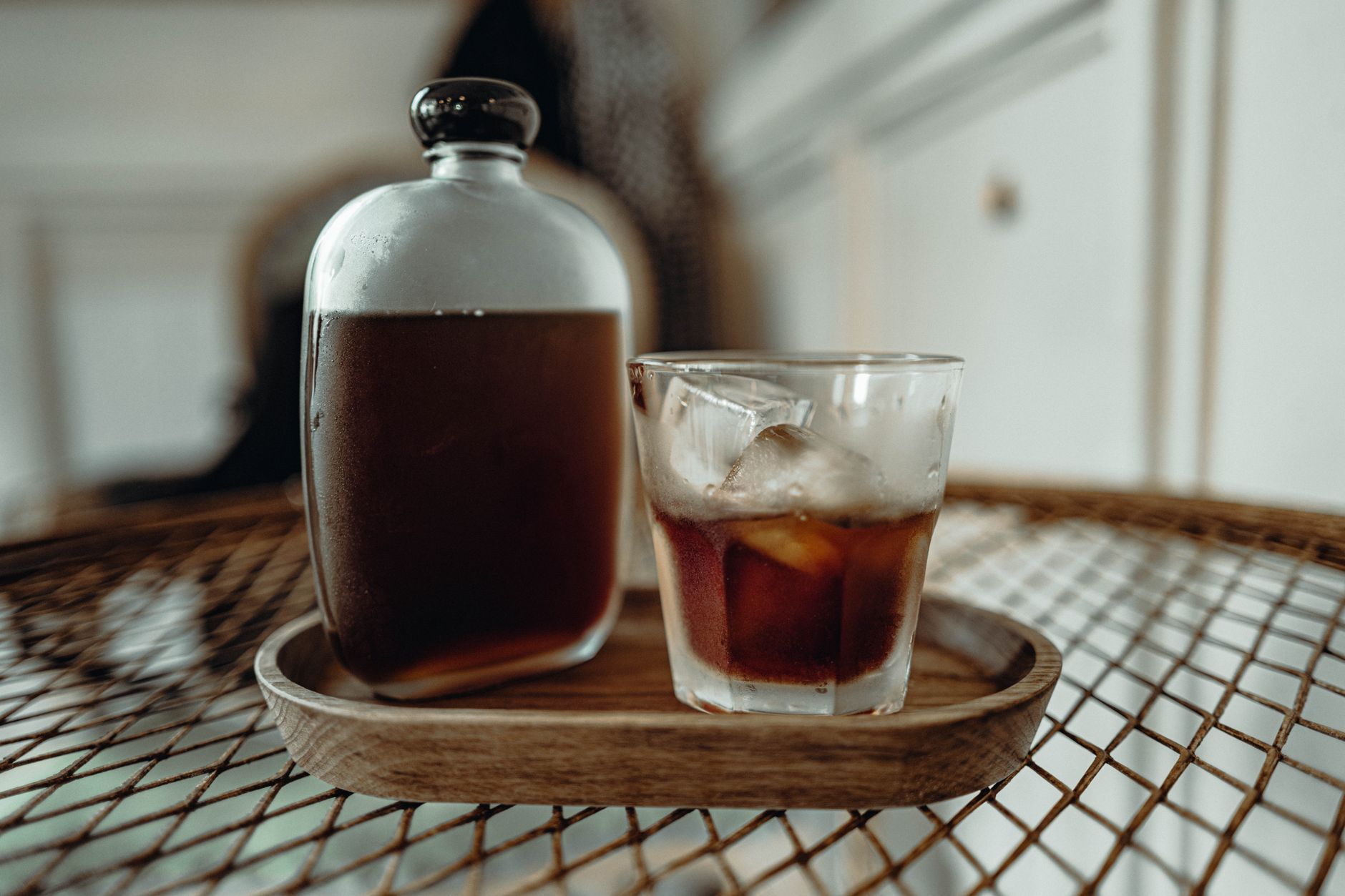 Photo: shu’kai chen via Pexels
The steeping time in cold brew isn’t a quirk — it’s the mechanism. Without heat to accelerate extraction, cold water pulls flavor compounds slowly. That slow extraction skips most of the bitter, acidic oils that hot water releases in seconds.
Iced coffee is just a serving choice. Brew hot, pour over ice. Some methods — Japanese iced coffee — brew directly onto ice to preserve aromatic volatiles. But the chemistry is still hot extraction.
Cold Brew: The Process
Combine coarse-ground coffee with cold water at roughly 1:8 ratio (more on ratios in the Cold Brew Coffee Ratio Calculator). Leave it in the fridge — or on the counter for a faster steep — then strain through a fine-mesh filter or cheesecloth. What you get is a concentrate; most people dilute 1:1 before drinking.
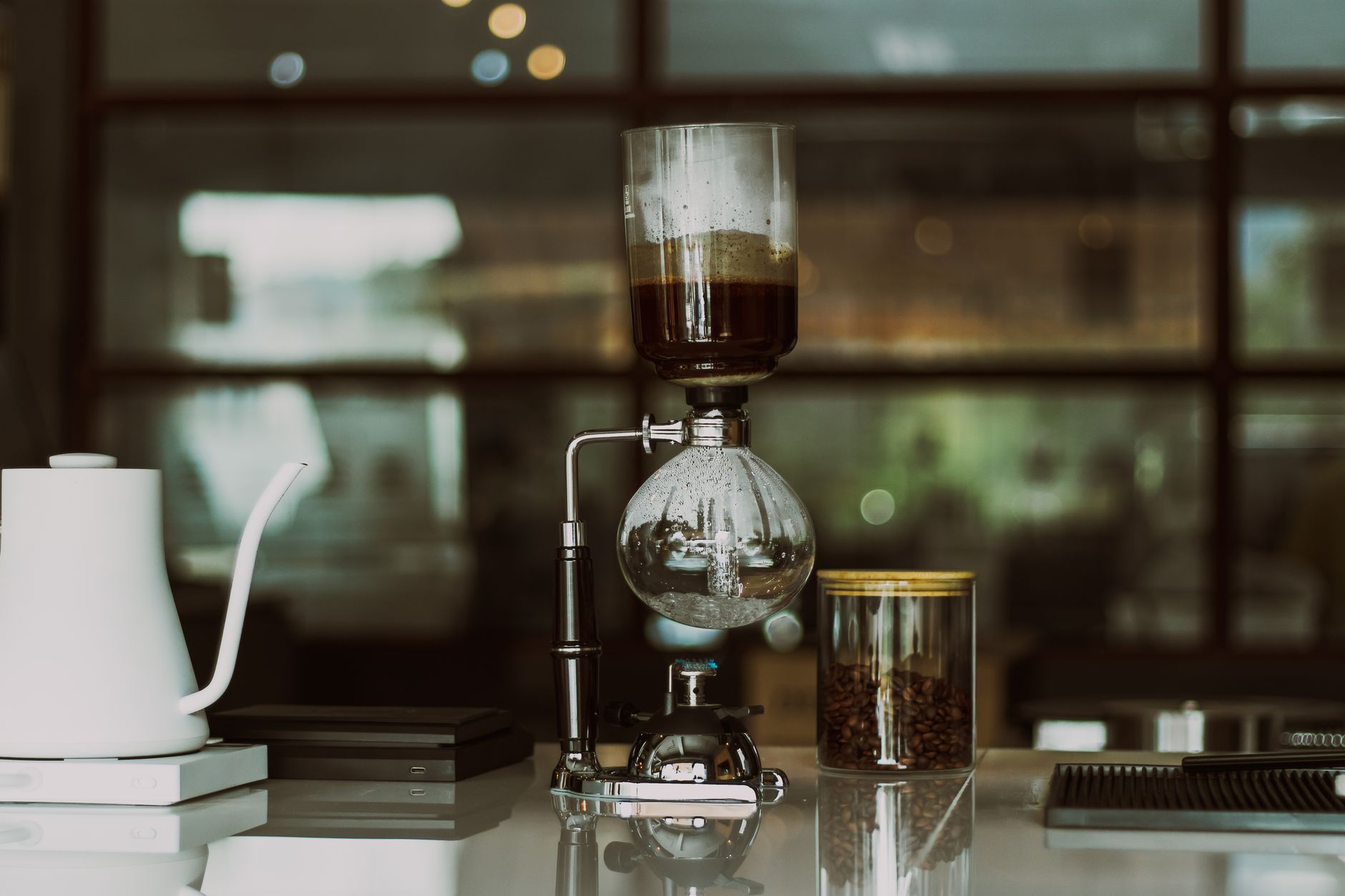 Photo: Harsh limbachiya via Pexels
The full method is covered in How to Make Cold Brew Coffee at Home, but the key variables are grind size (coarser = cleaner, less sediment), steep time (12 hours minimum, 24 for concentrate), and water temperature (fridge vs. room temp changes extraction speed, not flavor dramatically).
Iced Coffee: The Process
Brew hot, stronger than normal to compensate for ice dilution, then pour directly over ice. A standard drip machine works. A pour-over brewed to ~60% volume over a cup of ice works better — less dilution, more aroma preserved.
The weakness of iced coffee is ice melt. If you brew at normal strength, you get watered-down coffee. Brew double-strength or use coffee ice cubes.
Taste, Acidity, and Caffeine
Cold brew is lower in acidity — studies put it 67% less acidic than hot coffee by pH — and tastes rounder, sweeter, and more chocolatey. Iced coffee retains the brightness and floral or fruity notes of the original roast. Caffeine is higher in cold brew concentrate but comparable per serving once diluted.
 Photo: Fan Crosby via Pexels
| Cold Brew | Iced Coffee | |
|---|---|---|
| Acidity | Low | Medium–High |
| Bitterness | Low | Moderate |
| Sweetness | Higher perceived | Lower perceived |
| Flavor notes | Chocolate, caramel, mellow | Bright, fruity, roast-forward |
| Caffeine (per 8oz serving) | ~200mg | ~95–165mg |
| Prep time | 12–24 hours | 5–10 minutes |
| Shelf life | 1–2 weeks (fridge) | 1–2 days |
Caffeine numbers mislead here. Cold brew is often served as a 1:1 diluted concentrate — that concentrate has ~twice the caffeine of drip. Per comparable serving volume, they’re closer than people assume. If you drink cold brew undiluted or over a small cup of ice, you’re getting significantly more caffeine.
Which Is Better for Sensitive Stomachs?
Cold brew, consistently. Lower acidity means less GI irritation for people who find hot coffee harsh. If acid reflux or stomach sensitivity is the issue, cold brew is the practical answer — not just marketing copy.
Cost, Convenience, and Equipment
Iced coffee is instant — no equipment beyond your regular brewer, no planning. Cold brew takes 12–24 hours but makes a large batch that lasts two weeks in the fridge. For daily iced coffee drinkers, cold brew is cheaper and more convenient once the batch is made.
Making cold brew at home requires nothing fancy: a jar, a strainer, and coarse-ground coffee. Dedicated cold brew makers like the OXO Cold Brew Coffee Maker simplify straining and produce cleaner results with less sediment, but they’re optional.
For iced coffee, the main cost-saver is avoiding café prices. A $4 iced coffee at a café is 30–50 cents worth of beans and water at home.
When to Choose Each
Cold brew wins when you want low acidity, a smooth flavor profile, a large batch for the week, or high caffeine in concentrated form. Iced coffee wins when you want to use a specific high-quality single-origin whose bright notes you’d lose in cold extraction, or when you need coffee in the next ten minutes.
Specialty roasters often argue that cold brew masks the nuances of expensive light-roast beans. They’re right. Cold extraction suppresses the acidic, floral, fruit-forward notes that make a natural Ethiopian or Kenyan worth buying. If you spent $25 on a bag to enjoy those flavors, brew it hot — or as Japanese iced coffee — not cold brew.
For everyday drinking, commodity or medium-roast beans, or anything chocolatey and low-acid (Brazilian, Sumatran), cold brew is the better outcome.
→ See also:
- Cold Brew Coffee: The Complete Guide (Ratio, Method, Storage)
- Cold Brew Coffee Ratio Calculator
- How to Make Cold Brew Coffee at Home
FAQ
Is cold brew stronger than iced coffee? Cold brew concentrate is stronger — typically brewed at twice the coffee-to-water ratio of drip. Once diluted for serving, caffeine per cup is comparable. If you drink it undiluted or lightly diluted, yes, significantly stronger.
Can I make iced coffee with cold brew? Cold brew is served iced, so yes, but they’re still different drinks. You’re not “making iced coffee with cold brew” — you’re serving cold brew over ice, which is its standard preparation.
Does cold brew have more caffeine than iced coffee? Per ounce of concentrate, yes. Per standard 8–12oz serving diluted at 1:1, they’re within ~20–30% of each other. Undiluted cold brew served in a full cup has substantially more caffeine than iced drip coffee.
Why does cold brew taste less bitter? Hot water extracts bitter compounds — specifically chlorogenic acids and certain phenols — faster and more completely than cold water. The 12–24 hour cold steep extracts fewer of those compounds, producing a mellower cup.
Can you use any coffee for cold brew? Any coffee works, but coarse grind is non-negotiable for clean results — fine grind produces muddy, over-extracted cold brew that’s hard to filter. Medium to dark roasts produce the best flavor outcomes for cold brewing.
How long does cold brew last in the fridge? Concentrate keeps for up to two weeks refrigerated. Once diluted, treat it like regular coffee — 2–3 days maximum. Never leave cold brew at room temperature after straining.
Is iced coffee just cold coffee? No. Cold coffee is coffee that’s gone cold. Iced coffee is brewed hot and intentionally served over ice, typically brewed stronger to account for dilution. The distinction matters for flavor: cold coffee turns stale and bitter; iced coffee brewed correctly stays bright.
Editorial methodology: Assessments are based on manufacturer specifications, published user reviews, and editorial research. Physical hands-on testing is noted explicitly where it occurred. Rankings reflect our editorial judgment and are not influenced by affiliate commission rates. Full editorial policy · Affiliate disclosure