Contents
Cold Brew Coffee Ratio Calculator
TL;DR: The standard cold brew coffee ratio is 1:8 (coffee to water by weight) for a regular-strength brew, or 1:4 for a concentrate. Steep 12–24 hours in the fridge. Dilute concentrate 1:1 with water or milk before drinking.
What Is the Best Cold Brew Coffee Ratio?
The 1:8 ratio (1g coffee per 8g water) produces a balanced, full-strength cold brew ready to drink straight. For concentrate — which you dilute later — use 1:4. Both ratios work by weight; volume measures are less accurate but 1 cup coffee to 4 cups water approximates 1:8.
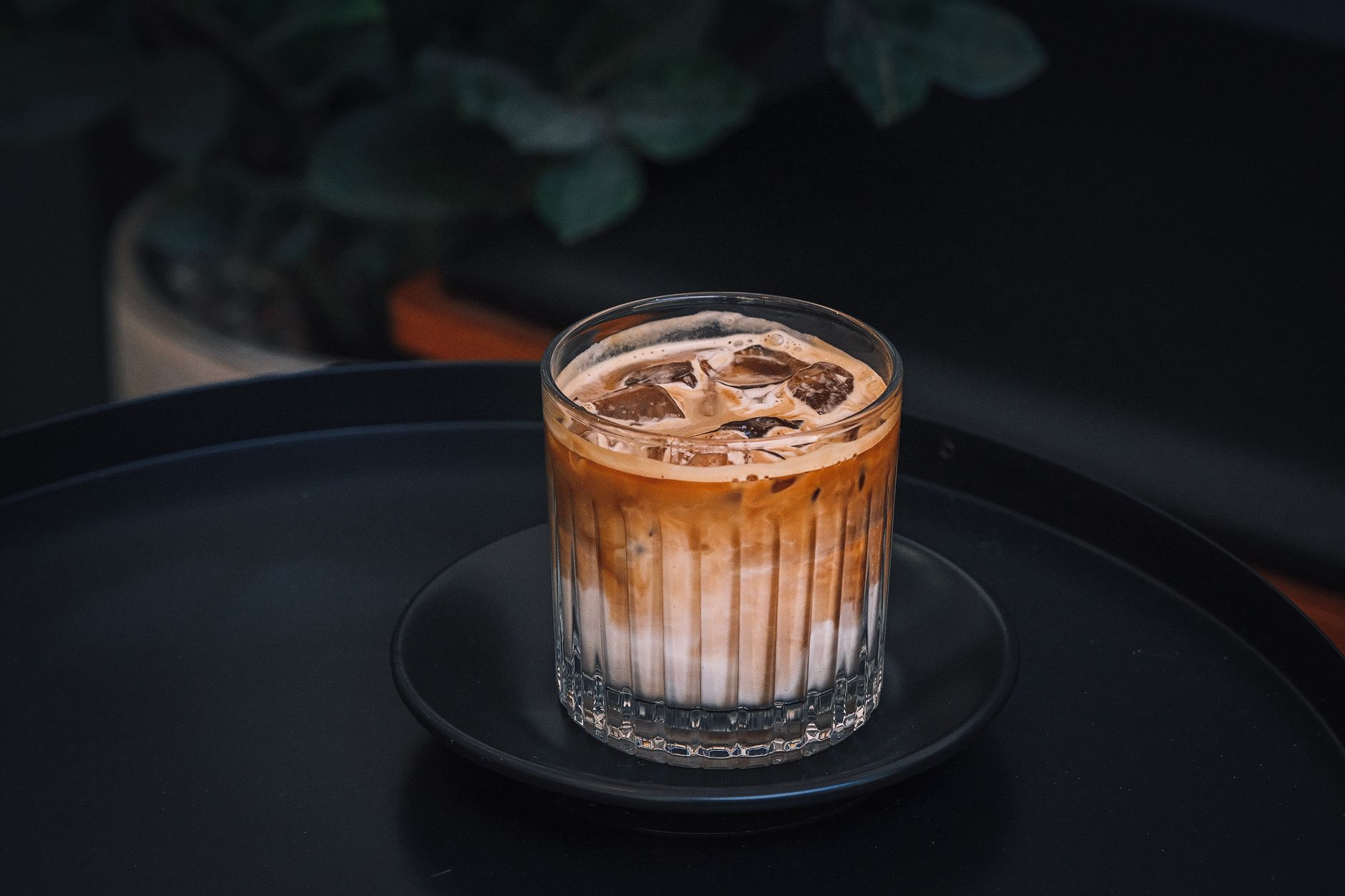
 Photo: 🇻🇳🇻🇳Nguyễn Tiến Thịnh 🇻🇳🇻🇳 via Pexels
Most recipes quote ratios by volume, which causes confusion. A cup of coarsely ground coffee weighs roughly 80g; a cup of water weighs 237g — that’s already a 1:3 ratio by weight, far stronger than intended. Weigh your ingredients. A kitchen scale makes the difference between a batch that tastes like cold coffee and one that tastes like cold brew.
The 1:8 ratio is the default. It produces about 900ml of drinkable cold brew from 100g of coffee and 800ml of water, with enough dilution from ice to stay balanced as it melts.
Cold Brew Ratio Calculator
Enter your target yield or the coffee you have on hand, and the table below gives you the exact amounts for both full-strength and concentrate.
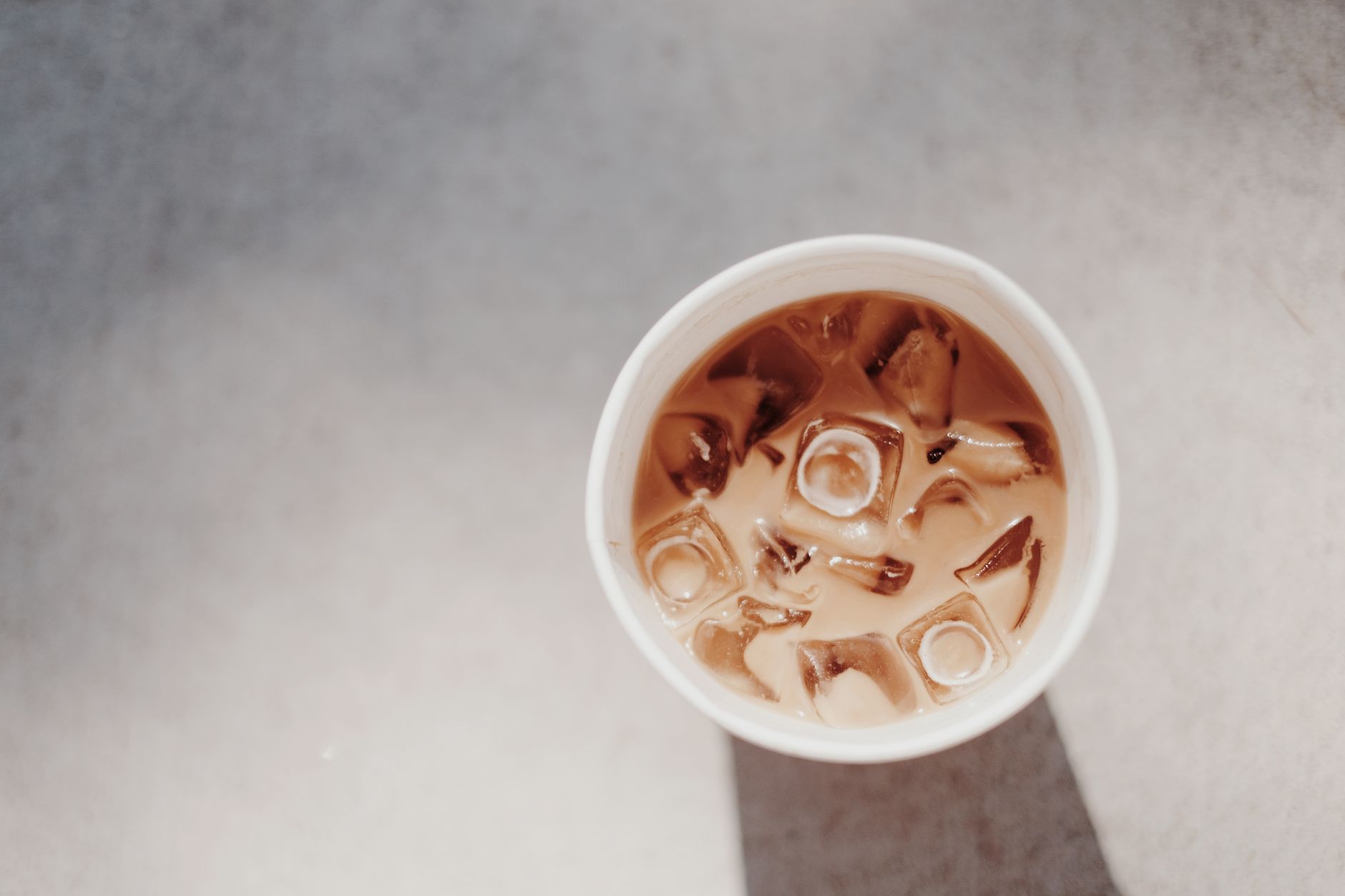
 Photo: Hannoversche Kaffeemanufaktur via Pexels
Quick Reference: Ratios by Batch Size
| Target Yield | Ratio | Coffee (g) | Water (ml) | Notes |
|---|---|---|---|---|
| 500ml | 1:8 (full strength) | 63g | 500ml | ~2 servings |
| 1 litre | 1:8 (full strength) | 125g | 1000ml | ~4 servings |
| 2 litres | 1:8 (full strength) | 250g | 2000ml | ~8 servings |
| 500ml | 1:4 (concentrate) | 125g | 500ml | Dilute 1:1 before serving |
| 1 litre | 1:4 (concentrate) | 250g | 1000ml | Dilute 1:1 before serving |
How to Calculate Your Own Ratio
Formula is simple:
- Coffee needed (g) = Target water volume (ml) ÷ ratio multiplier
- For 1:8: 1000ml ÷ 8 = 125g coffee
- For 1:4: 1000ml ÷ 4 = 250g coffee
Full Strength vs. Concentrate: Which Ratio Should You Use?
Use 1:8 if you’ll drink it straight or over ice — it’s ready to pour. Use 1:4 concentrate if you want to mix into lattes, cut with milk, or save fridge space. Concentrate keeps up to 2 weeks; full strength is best within 7–10 days.
 Photo: Sóc Năng Động via Pexels
| Full Strength (1:8) | Concentrate (1:4) | |
|---|---|---|
| Ready to drink | Yes | No — dilute 1:1 first |
| Coffee used per litre | 125g | 250g |
| Shelf life | 7–10 days | Up to 2 weeks |
| Best for | Straight over ice, cold brew on tap | Lattes, milk drinks, cocktails |
| Fridge space | High | Low |
Concentrate is the practical choice for regular drinkers. One litre of concentrate makes two litres of finished cold brew — you’re storing half the volume.
Does Grind Size Affect the Ratio?
Grind size doesn’t change the ratio, but it changes the outcome at the same ratio. Coarse grind (think French press) is standard — it filters cleanly and steeps without over-extracting. Fine grind at 1:8 will over-extract and turn bitter.
 Photo: Jason Deines via Pexels
If you only have pre-ground (medium grind) coffee, shorten steep time to 10–12 hours rather than changing the ratio. The ratio controls strength; time and grind size control extraction character.
Steep Time and Temperature: How They Interact With Ratio
Steeping in the fridge (4°C/39°F) for 16–24 hours is the standard. Room temperature cold brew extracts faster — 8–12 hours — but tastes slightly different, less clean. Don’t adjust the ratio to compensate for temperature; adjust time instead.
Steep Time Guide
| Method | Temperature | Time | Notes |
|---|---|---|---|
| Fridge steep | 4°C / 39°F | 16–24 hours | Cleanest, most forgiving |
| Counter steep | 18–22°C / 65–72°F | 8–12 hours | Faster; slightly more acidic |
| Toddy / immersion | 4°C / 39°F | 20–24 hours | Consistent; easy filtering |
| Mason jar + cheesecloth | 4°C / 39°F | 16–20 hours | Most accessible method |
Going past 24 hours in the fridge won’t ruin a batch, but you’ll start noticing woody, over-steeped notes past the 28-hour mark.
→ See also:
- Cold Brew Coffee: The Complete Guide (Ratio, Method, Storage)
- How to Make Cold Brew Coffee at Home
- Cold Brew vs Iced Coffee: What’s the Difference?
FAQ
What is the standard cold brew coffee ratio? The standard is 1:8 (coffee to water by weight) for a ready-to-drink brew. This gives a smooth, full-bodied cold brew without the bitterness that comes from too-strong extraction. Weigh both ingredients for consistent results.
Can I make cold brew with a 1:5 ratio? Yes. A 1:5 ratio produces a strong cold brew that works well over ice as the melt dilutes it. It sits between a true concentrate and full strength — good if you like bold flavor but don’t want to make a separate concentrate.
How do I make cold brew concentrate? Use a 1:4 ratio (250g coffee per litre of water), steep 18–24 hours in the fridge, then strain. Dilute with an equal part water, milk, or oat milk before serving. One litre of concentrate makes two litres of finished cold brew.
Why does my cold brew taste weak? Weak cold brew is almost always caused by too little coffee, too short a steep, or grinds that are too coarse for the method. Check your ratio first — aim for at least 1:8 by weight. If the ratio is right, extend steep time by 4 hours.
Why does my cold brew taste bitter? Bitterness in cold brew usually means over-extraction: too long a steep, grind too fine, or ratio too strong (1:3 or tighter). Try 1:8, coarse grind, 16–18 hours fridge steep. Room-temperature brews are also more prone to bitter notes if left too long.
Does the type of coffee affect the ratio? The ratio stays the same, but the coffee’s roast level changes the character. Light roasts are fruitier and brighter at 1:8; dark roasts lean chocolatey and smooth. Medium-dark is the most forgiving for cold brew. Single-origin light roasts are worth trying at 1:7 to push their flavor forward.
Can I use the same ratio for hot-bloomed cold brew? Yes. Hot bloom (pouring a small amount of just-off-boil water over grounds before adding cold water) uses the same 1:8 ratio. It boosts extraction slightly, so aim for the shorter end of steep time — 12–14 hours.
Editorial methodology: Assessments are based on manufacturer specifications, published user reviews, and editorial research. Physical hands-on testing is noted explicitly where it occurred. Rankings reflect our editorial judgment and are not influenced by affiliate commission rates. Full editorial policy · Affiliate disclosure