Contents
Coffee Maker Buying Guide: 10 Things to Check Before You Buy
TL;DR: This coffee maker buying guide covers the 10 factors that actually separate a good machine from a frustrating one — brew temperature, capacity, grinder compatibility, and six more. Skip the feature bloat and focus on what affects cup quality and daily usability.
1. Brew Temperature: The Non-Negotiable First Check
Direct Answer Block: Optimal espresso extraction happens between 90–96°C (195–205°F). Most budget drip machines never reach this range consistently. If a machine doesn’t specify or certify its brew temperature, assume it underperforms. SCAA-certified machines are the benchmark for drip; PID controllers for espresso.
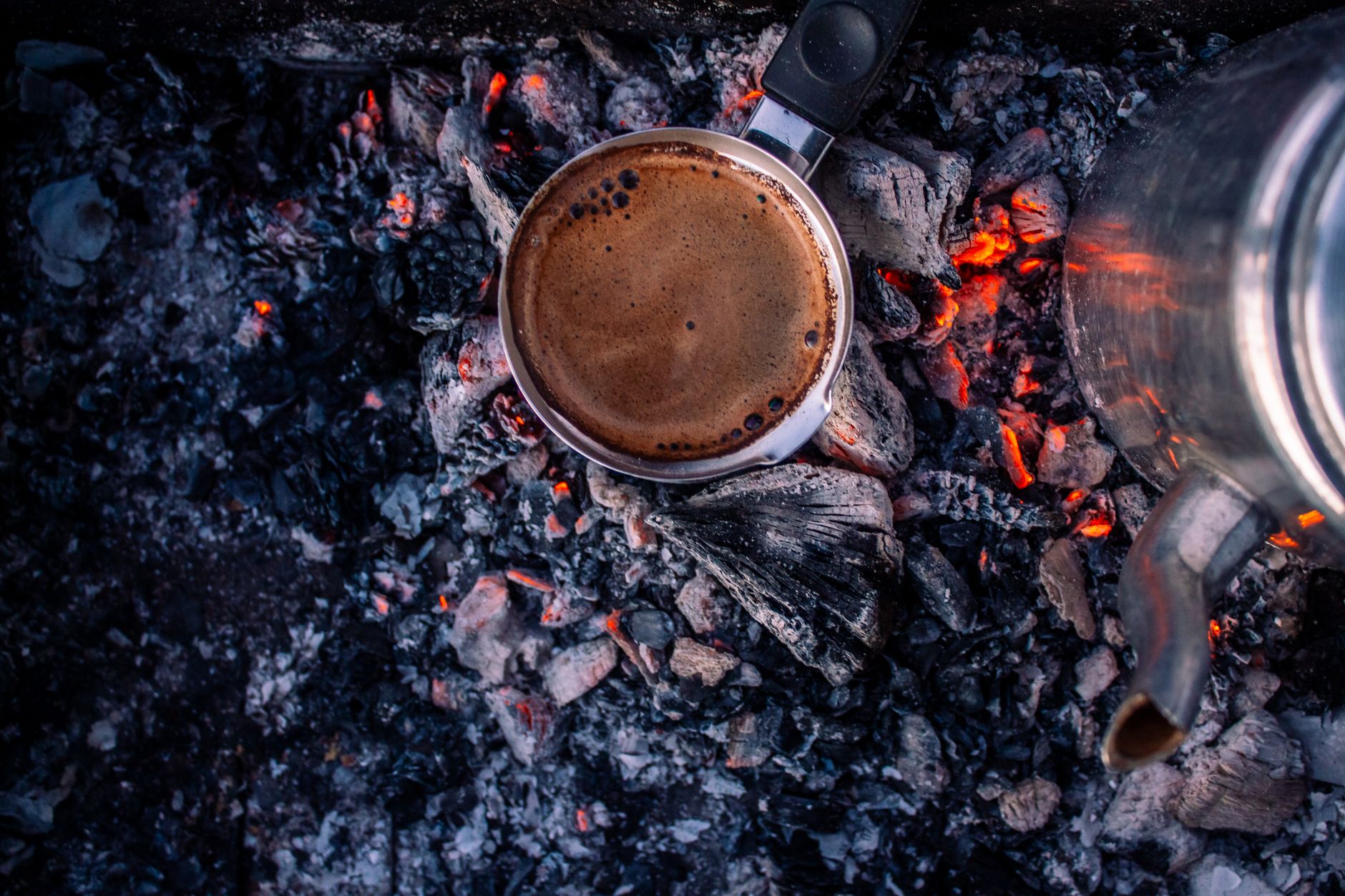 Photo: Sedanur Kunuk via Pexels
Cheap machines heat water once and rely on thermal inertia. A machine with a PID (proportional-integral-derivative) controller actively maintains temperature throughout the brew cycle — critical for espresso, meaningful for drip.
For drip brewers, the SCAA Home Brewer Certification is a reliable proxy. It requires bloom temperature between 92–96°C at the showerhead. Only about 30 machines globally hold this certification.
2. Capacity vs. Batch Size Reality
Direct Answer Block: Rated capacity almost always exceeds practical capacity. A “12-cup” machine makes 12 small (5 oz) servings — roughly 3 proper mugs. Buy for your actual daily batch, not the maximum on the box.
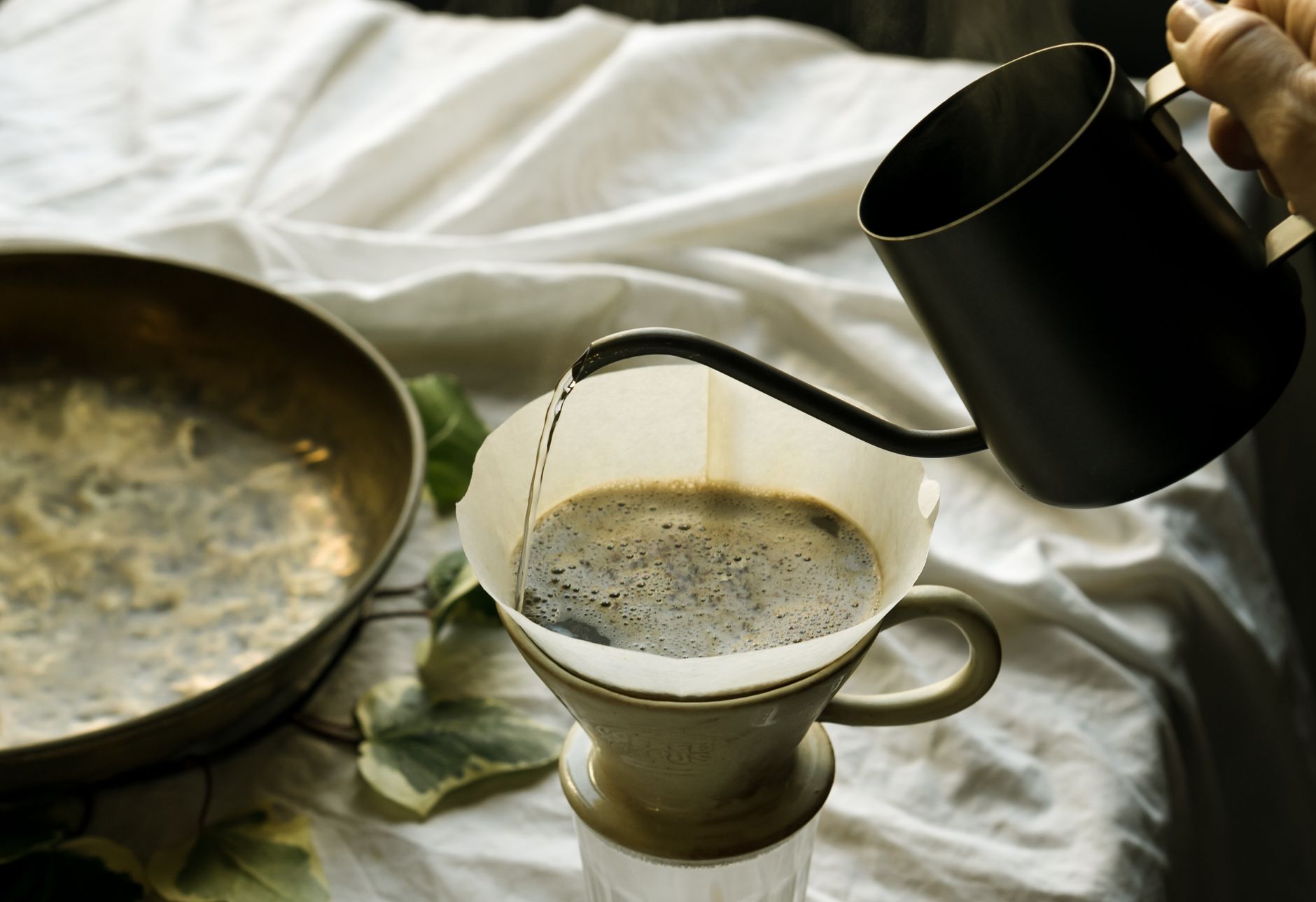 Photo: Olha Ruskykh via Pexels
Thermal carafes outperform glass carafes with hotplates at every time interval past 20 minutes. A hotplate continues cooking the coffee; a thermal carafe doesn’t. If you drink coffee over 30+ minutes, the carafe type matters more than brand.
Single-serve pod machines solve the batch problem but multiply the per-cup cost by 3–5x and lock you into a capsule ecosystem.
3. Grinder Compatibility and Grind-to-Brew Integration
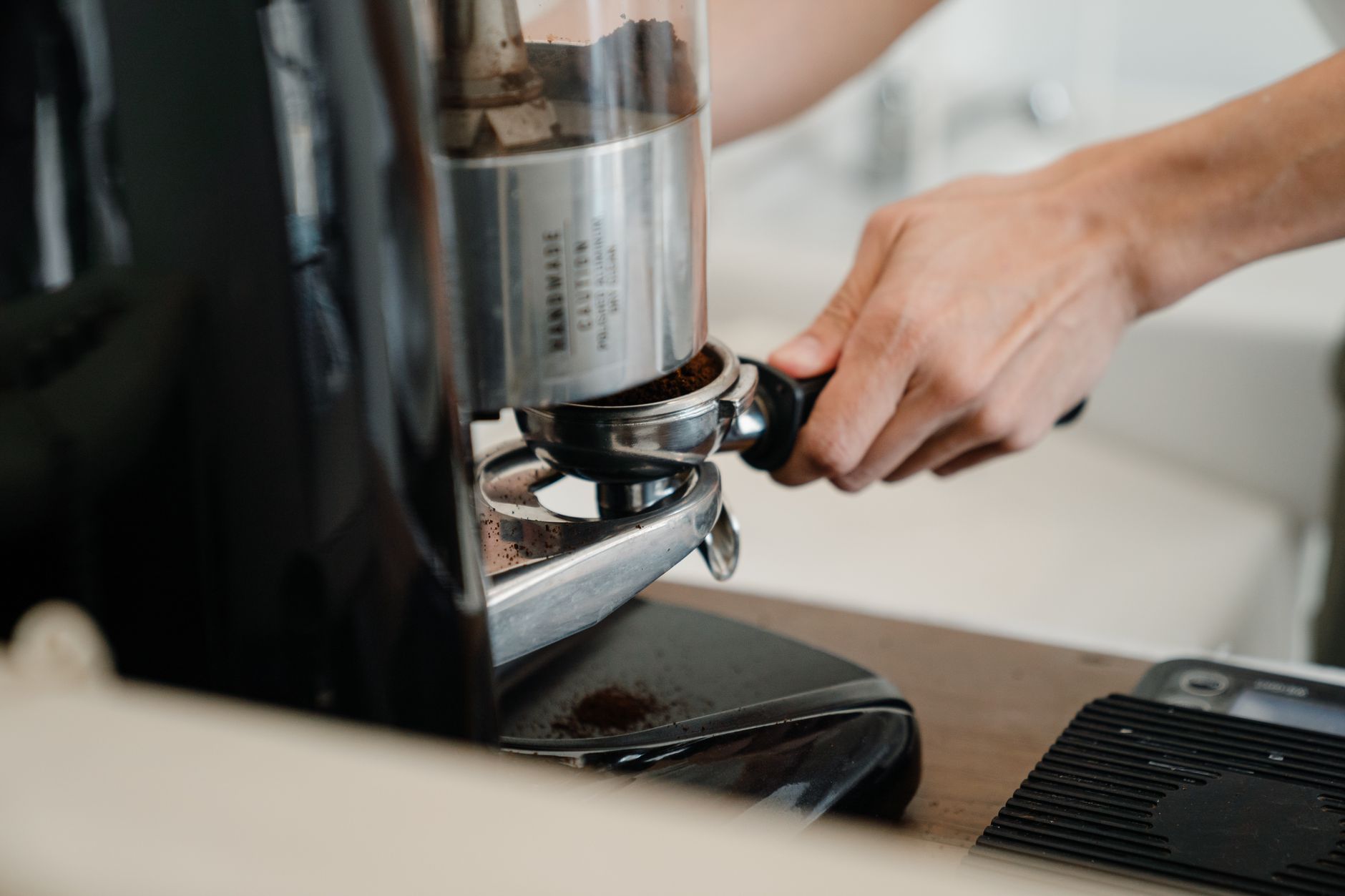
Direct Answer Block: A built-in grinder is convenient but almost always a compromise. Integrated grinders in sub-$300 machines use low-quality burrs that produce uneven particle distribution, accelerating stale grind channels. A separate grinder + brewer almost always beats a combo unit at the same price point.
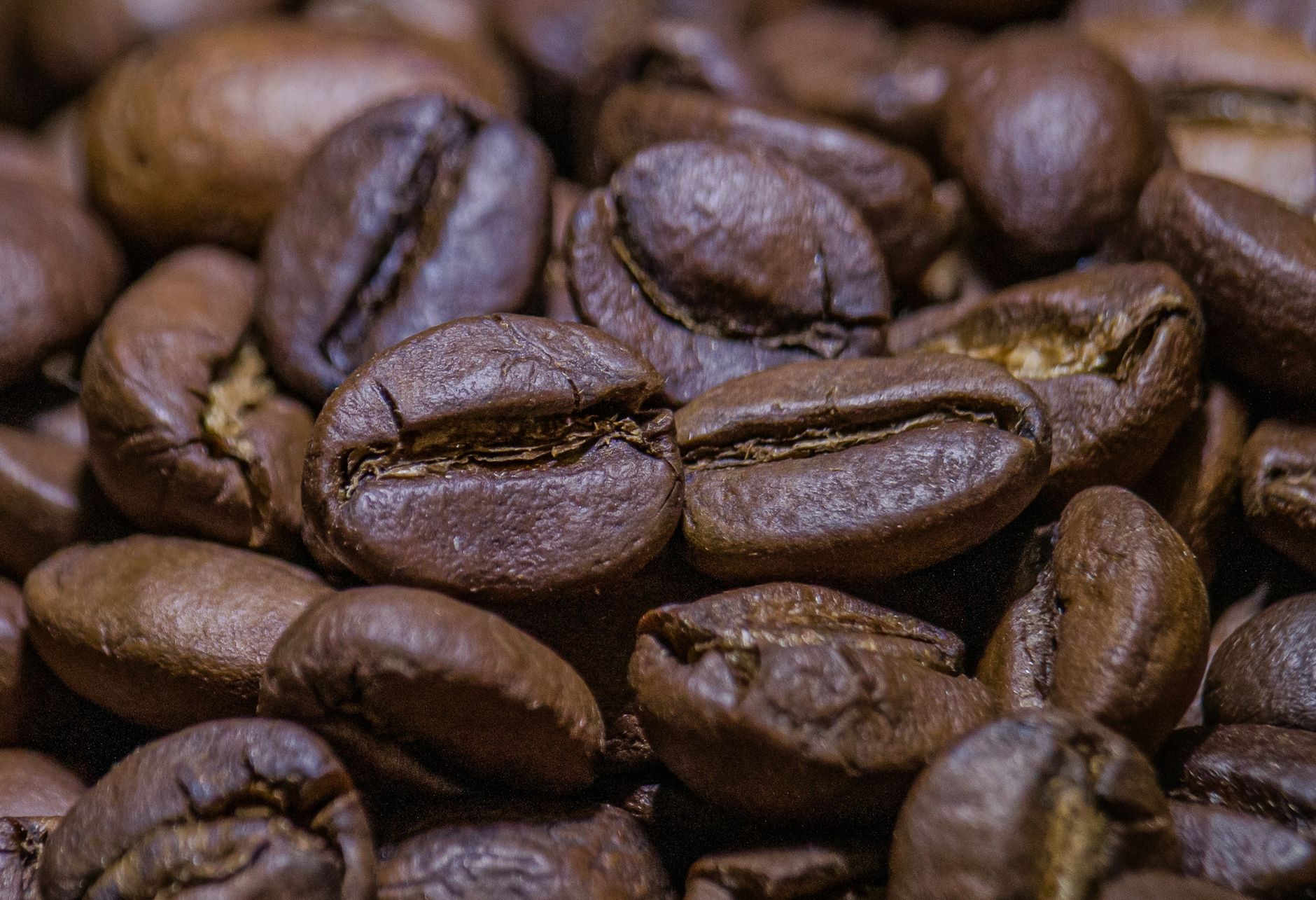 Photo: shafi mahammad via Pexels
The 1Zpresso JX-Pro
If you’re committed to a combo machine, check:
- Burr type (flat burr > conical burr > blade)
- Grind size range (how many steps or stepless)
- Grind retention (how much stale grounds accumulate between uses)
4. Brew Method — What Type of Machine Do You Actually Need?
Direct Answer Block: The right brew method is the one that matches how you drink coffee — not the most impressive machine in the store. Espresso machines don’t make drip coffee; drip machines can’t pull espresso. Clarify your daily drink first.
| Machine Type | Best For | Price Floor | Grinder Needed |
|---|---|---|---|
| Drip (flat-bottom) | Batch brew, everyday | $30 | Optional |
| Pour-over auto | Clarity + nuance | $150 | Yes |
| Espresso (pump) | Espresso, milk drinks | $400 | Yes, dedicated |
| Moka pot | Strong stovetop brew | $30 | Optional |
| French Press | Full-body, no filters | $20 | Yes |
| AeroPress | Travel, experimentation | $35 | Yes |
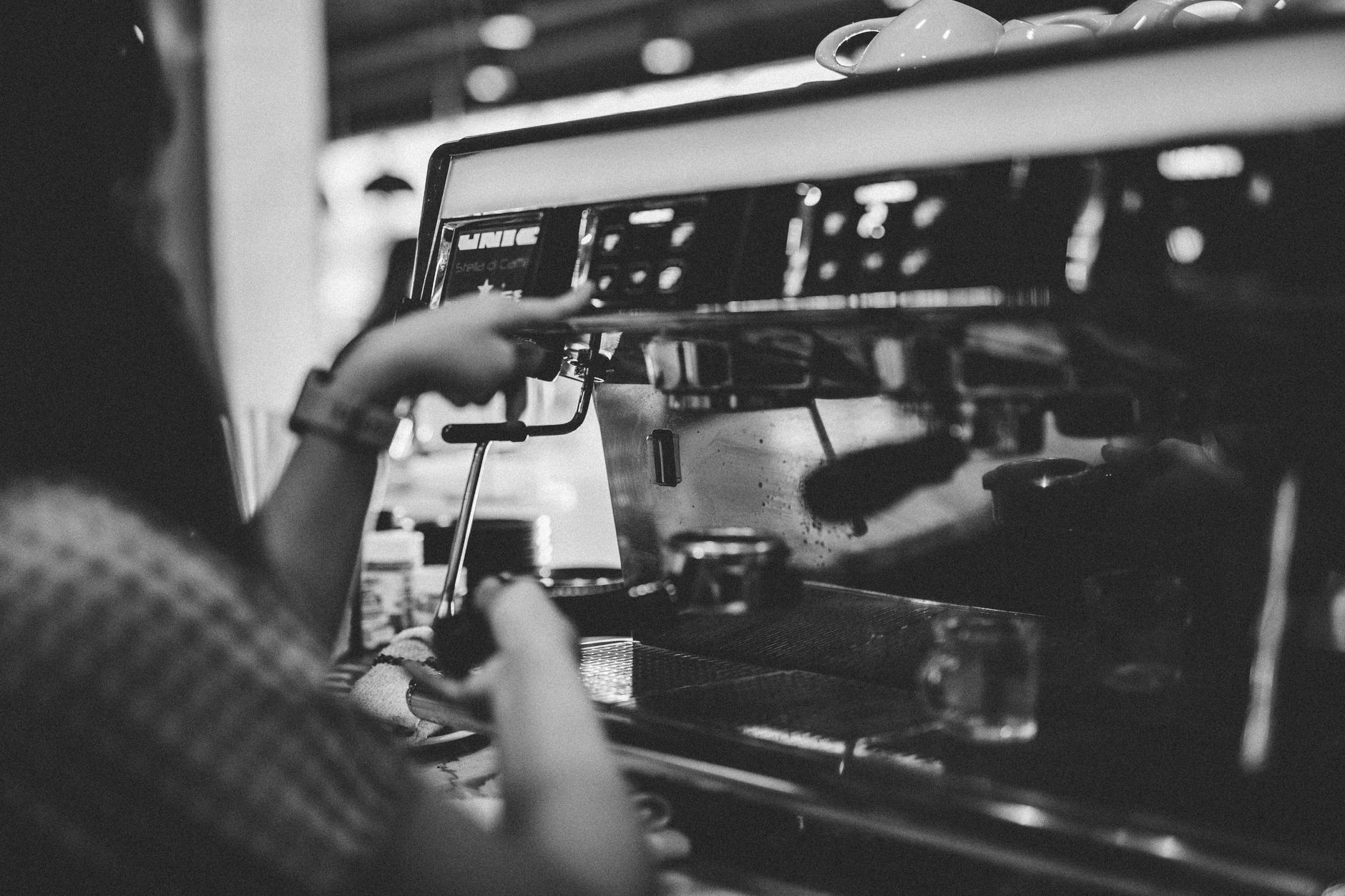
Espresso machines require a pressure-capable pump (9 bar minimum) and a quality grinder. Budget espresso machines without both will produce under-extracted, sour shots regardless of bean quality.
5. Pressure and Pump Type (Espresso Machines Only)
Direct Answer Block: For espresso, you need consistent 9 bar pressure at the puck. Vibratory pumps (found in most consumer machines) are adequate but noisy and wear over time. Rotary pumps are quieter, more consistent, and found in commercial and prosumer machines.
Machines that advertise “15 bar” are quoting pump maximum pressure, not brew pressure — this is marketing. Extraction happens at 9 bar; a pressure regulator (OPV) is what actually controls this. Check whether the machine has an adjustable OPV.
Pre-infusion — wetting the puck at low pressure before full pressure — significantly reduces channeling. Look for it in any espresso machine over $300.
6. Water Reservoir Size and Filter Access
Direct Answer Block: A too-small reservoir forces mid-batch refills. For home use, anything under 1.5L (51 oz) is inconvenient for batch brewing. Placement matters: top-fill reservoirs are faster to refill than side-access ones.
Built-in water filters slow scale buildup and improve taste in hard-water areas. Replaceable filter systems (e.g., Brita-style cartridges) are better than none, but descaling is still required every 2–4 months in hard-water regions regardless.
Machines with hardness strips in the box and programmable descaling alerts are worth the small premium.
7. Programmability and Timer Functions
Direct Answer Block: Auto-start timers are genuinely useful for morning routines — but only if you load grounds the night before. For espresso machines, programmability usually means shot volume memory (volumetric dosing), which improves consistency dramatically over manual timing.
Keep expectations calibrated: programmable doesn’t mean smart. Most budget timers don’t account for bloom, pre-infusion, or temperature ramp-up. Features beyond auto-start and keep-warm timer are frequently unused.
8. Maintenance Footprint
Direct Answer Block: The machines easiest to ignore are the ones that fail earliest. Evaluate maintenance before purchase: removable brew group, accessible portafilter basket, dishwasher-safe components, and descaling cycle access. A 10-minute weekly clean is sustainable; a 45-minute disassembly is not.
Descaling frequency depends on local water hardness. TDS above 150 ppm means descaling every 6–8 weeks for espresso machines. Check whether descaling solution is proprietary (expensive) or generic citric acid (cheap).
Machines with a backflush cycle (espresso) significantly extend grouphead life.
9. Footprint, Clearance, and Counter Reality
Direct Answer Block: Measure before you buy. Espresso machines with top-fill water reservoirs need 20–30cm of vertical clearance above the unit. Drip machines with swing-out filters need lateral clearance. The number of people surprised by this is high.
| Machine Type | Typical Footprint | Height Clearance Needed |
|---|---|---|
| Compact drip | 20×25cm | Standard cabinet |
| Full-size drip | 25×35cm | Standard cabinet |
| Espresso (prosumer) | 35×40cm | +25cm above |
| Pod machine | 25×35cm | Standard cabinet |
Cord length is consistently overlooked. Most machines ship with 90–100cm cords — not enough for outlets that aren’t directly behind the machine.
10. Price-to-Performance Tiers — Where the Value Actually Lives
Direct Answer Block: There are dead zones in coffee machine pricing where you pay more for branding than performance. The sweet spots are under $80 (functional drip/French press), $150–250 (SCAA-certified drip or quality AeroPress setup), and $600–900 (entry prosumer espresso). $250–400 espresso machines are the worst value tier.
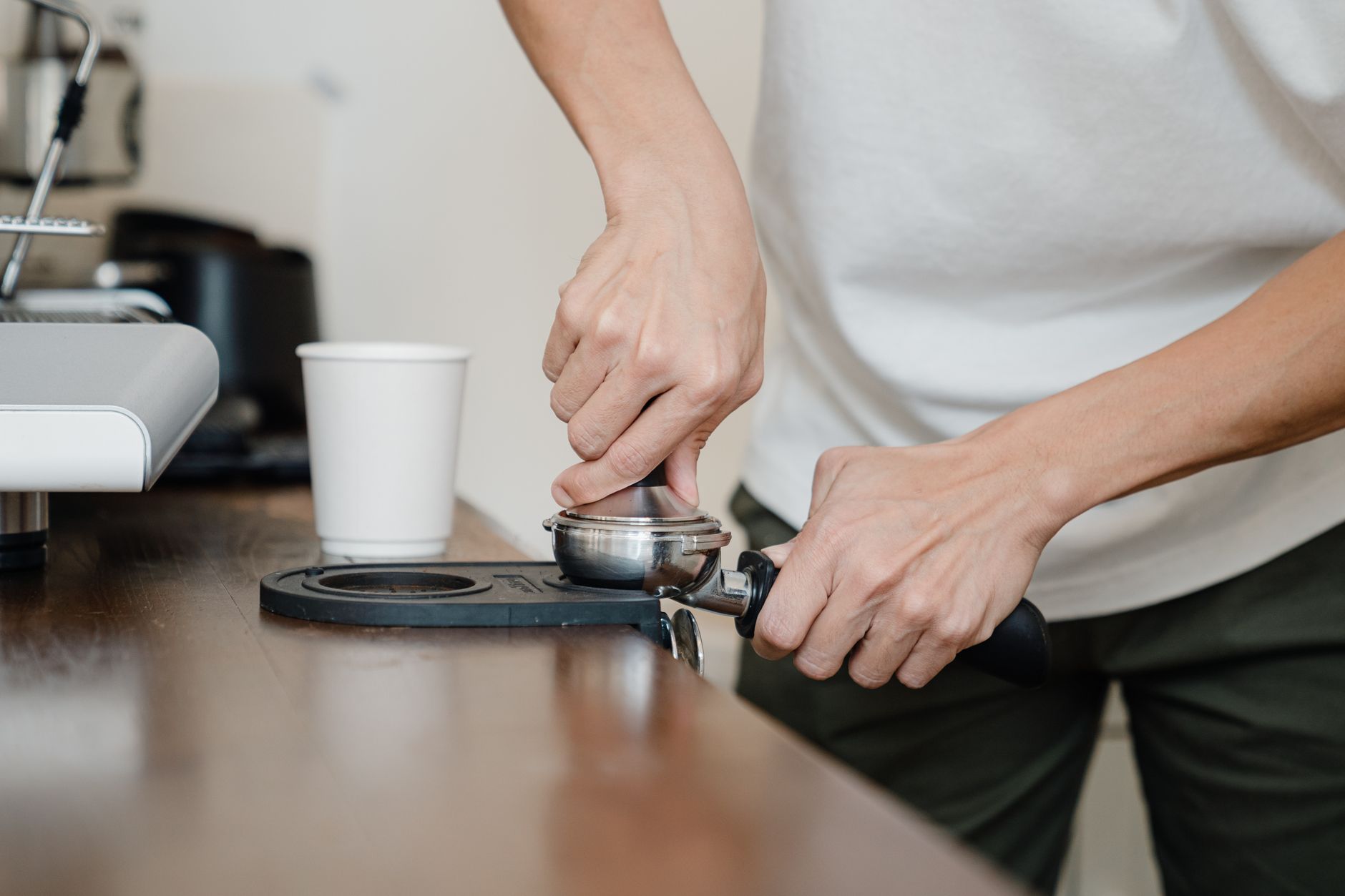 Photo: Ketut Subiyanto via Pexels
| Budget | Best Option | What You’re Buying |
|---|---|---|
| Under $50 | French Press + hand grinder | Technique-dependent quality |
| $50–150 | AeroPress + Baratza grinder | Flexibility + portability |
| $150–300 | SCAA drip machine | Consistent, hands-off quality |
| $400–600 | Entry espresso + grinder | Espresso capability, compromises |
| $600–1000 | Breville Barista Express / Gaggia Classic Pro |
Brewing Guide: Drip Coffee Extraction Parameters
Extraction params:
| Parameter | Target |
|---|---|
| Dose | 60g per litre (1:16 ratio) |
| Yield | Full carafe fill line |
| Ratio | 1:15–1:17 |
| Time | 4–6 minutes total brew |
| Temperature | 92–96°C at showerhead |
| Bloom | 30–45 sec pre-infusion if available |
Puck prep (espresso):
- WDT (Weiss Distribution Technique): stir grounds in basket before tamping to break up clumps
- Leveling: NSEW pattern or distribution tool, not finger-swipe
- Tamping: 15–20kg even pressure, level tamp — angle causes channeling
- Pre-infusion: 3–8 seconds at low pressure before full 9 bar
- Channeling prevention: consistent grind, level bed, no gaps at basket edge
Troubleshooting matrix:
| Symptom | Likely Cause | Fix |
|---|---|---|
| Sour, thin espresso | Under-extraction (too coarse/fast) | Finer grind, lower yield |
| Bitter, harsh espresso | Over-extraction (too fine/slow) | Coarser grind, check temp |
| Weak drip coffee | Under-dose or low temp | More grounds, check heating |
| Uneven extraction | Channeling | WDT, level tamp |
| Astringent finish | Brew temp too high | Check OPV / descale |
| Flat, no sweetness | Old beans or stale grind | Fresh beans, grind fresh |
→ See also:
- How to Brew Coffee at Home: Complete Method Guide
- French Press Coffee: Complete Brewing Guide (Ratios + Technique)
- French Press Coffee-to-Water Ratio Calculator
FAQ
What’s the most important thing to check in a coffee maker buying guide? Brew temperature. If the machine doesn’t reach 92–96°C consistently, everything else is secondary. SCAA certification covers this for drip; a PID controller is the indicator for espresso machines.
Is a built-in grinder worth it in a coffee machine? Rarely below $400. The grinder in combo units is almost always the weakest component, producing inconsistent grind that limits extraction quality. A separate entry-level burr grinder paired with a simpler brewer outperforms most combos in the same price bracket.
How long should a coffee maker last? Quality drip machines last 5–10 years with regular descaling. Espresso machines with rotary pumps routinely hit 15+ years; vibratory pump machines average 5–7 years with home use. Descaling frequency is the single biggest factor in longevity.
What does SCAA certified mean for a coffee maker? The Specialty Coffee Association tests machines to confirm they reach correct brew temperature (92–96°C), bloom properly, and complete extraction in the right window. It’s one of the only third-party certifications that directly correlates to cup quality.
Is 15 bar espresso machine pressure actually better? No. “15 bar” on a machine spec refers to the pump’s maximum output, not the extraction pressure. Espresso extracts best at 9 bar. Higher pump ratings are marketing. What matters is whether the machine regulates pressure consistently at the puck — check for an OPV (over-pressure valve).
Should I buy a pod machine or a traditional coffee maker? Depends on your priorities. Pod machines offer convenience and zero waste management, but cost 3–5x more per cup and lock you into a capsule ecosystem. Traditional brewers require more involvement but produce better coffee at lower cost over time — especially with freshly ground beans.
What capacity coffee maker do I actually need? Count your daily cups in real mug sizes (8–12 oz), not the “cups” listed on the machine (typically 5 oz). A household that drinks 4 real mugs in the morning needs at least a 40 oz (1.2L) capacity machine, which is often labeled “8-cup.”
Editorial methodology: Assessments are based on manufacturer specifications, published user reviews, and editorial research. Physical hands-on testing is noted explicitly where it occurred. Rankings reflect our editorial judgment and are not influenced by affiliate commission rates. Full editorial policy · Affiliate disclosure