Best Super-Automatic Espresso Machines (2026)
TL;DR: The best super-automatic espresso machine for most people is the De’Longhi Magnifica Evo — it pulls consistent shots, steams milk decently, and won’t require a barista certification to operate. If you want café-quality results with zero daily effort, super-automatics are the right category; the machines below are the ones worth your money in 2026.
What Is a Super-Automatic Espresso Machine?
Direct Answer: A super-automatic handles every step — grinding, tamping, brewing, and (on most models) steaming — at the press of a button. You load beans and water; the machine does the rest. The tradeoff versus semi-automatics is control: you get consistency and convenience, not customization.
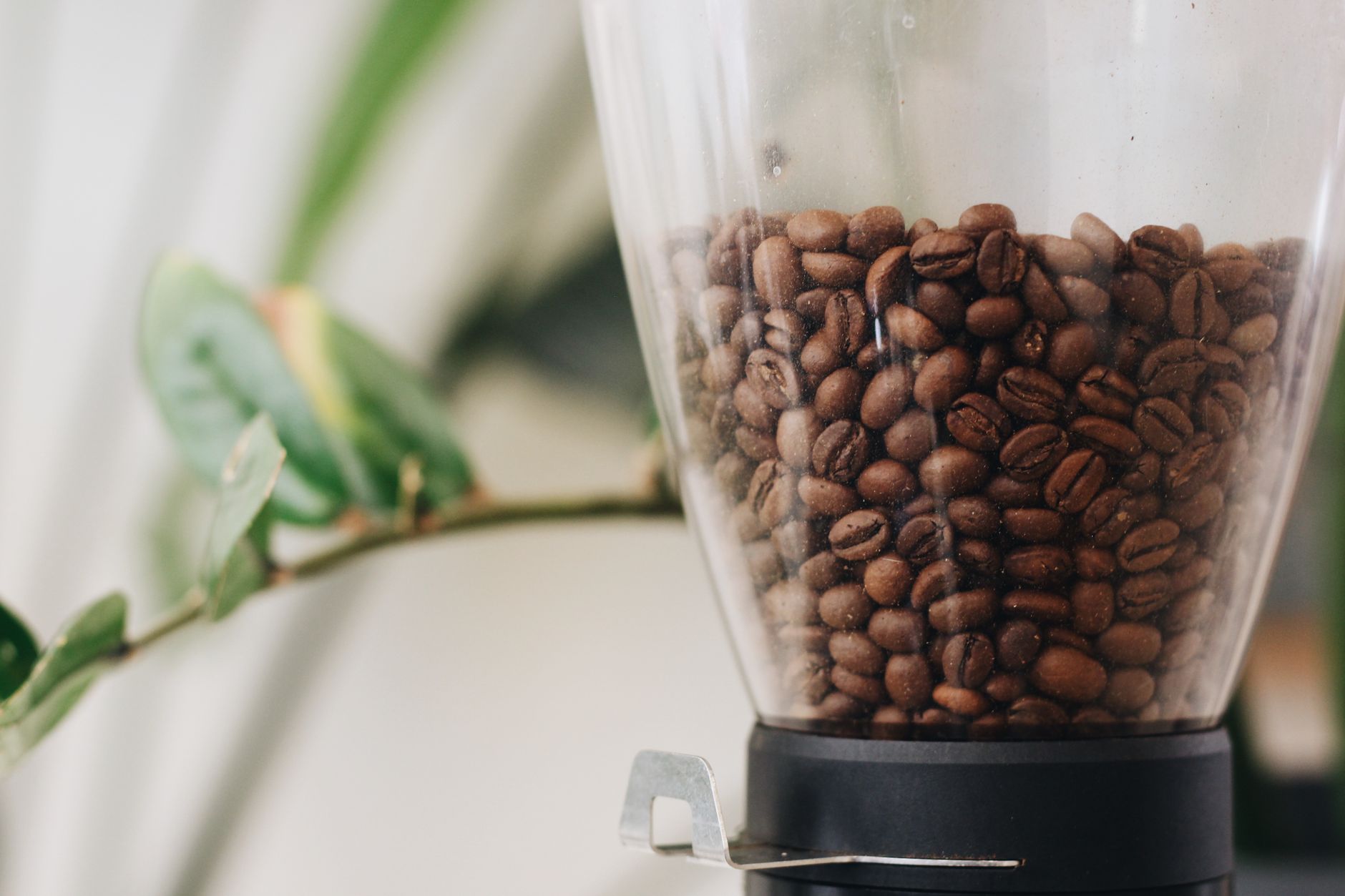 Photo: H. Hümâ Yardim via Pexels
Super-automatics use an integrated burr grinder, a brew group that auto-tamps, and a brewing chamber that pressurizes and then self-cleans after each shot. The best ones let you adjust grind size, dose weight, water temperature, and brew strength — the worst give you a single dial that says “mild / strong.”
The category spans $300 espresso vending machines to $3,000 prosumer units with real ceramic burrs and steam wands. The sections below cut through that range.
The 6 Best Super-Automatic Espresso Machines in 2026
1. De’Longhi Magnifica Evo — Best Overall
Direct Answer: The Magnifica Evo hits the sweet spot between price, reliability, and output quality. At around $600, it grinds fresh for every shot, produces espresso with genuine crema, and the LatteCrema system handles milk drinks without manual steaming. It’s the machine we’d put in most kitchens.
 Photo: Nishess Shakya via Pexels
Why it wins:
- 13-step grinder with a conical steel burr — real adjustability, not theater
- LatteCrema automatic milk frother stores in the fridge; cleanup is one button
- My Coffee menu lets you save up to 3 custom recipes
- Brew group is removable and dishwasher-safe — maintenance is honest work, not a chore
Where it falls short: Milk texture doesn’t match a skilled manual steam wand. Espresso purists will hit the flavor ceiling faster than with a semi-automatic. The portafilter is a pressurized internal system, so you can’t pull naked shots.
Best for: Households that want real espresso without daily barista effort.
2. Jura E8 — Best for Milk Drinks
Direct Answer: The Jura E8 is the machine for households that drink more cappuccinos and flat whites than straight espresso. Jura’s P.E.P. (Pulse Extraction Process) extends extraction time in pulses, improving shot quality noticeably compared to other machines in this range.
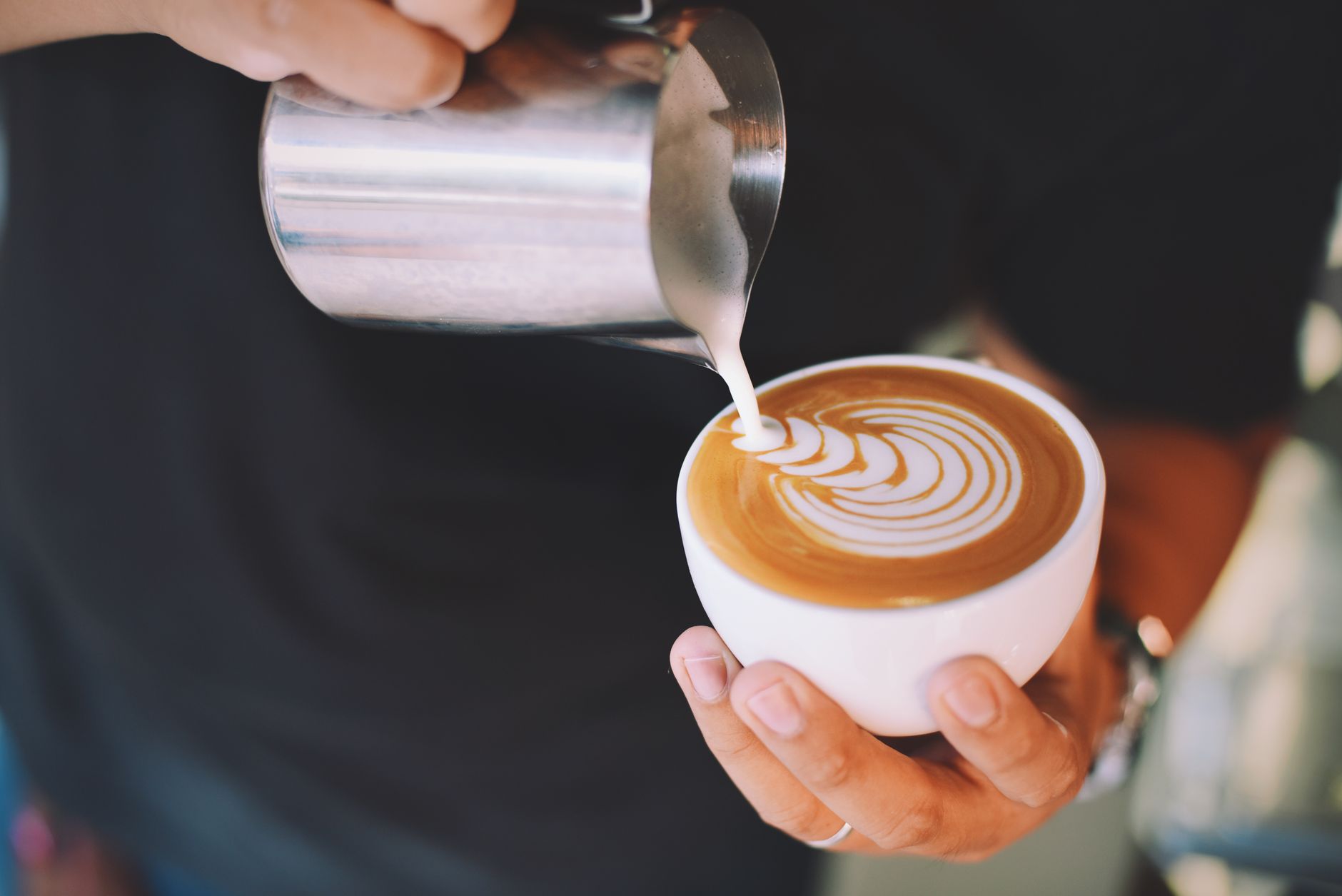 Photo: Chevanon Photography via Pexels
- 17 programmable specialty drinks
- Intelligent Pre-Brew Aroma (IPBA) wets the grounds before full extraction
- Fine Foam+ technology produces micro-foam that rivals hand-steamed texture
- TFT color display with one-touch drink selection
The price (~$1,400) is higher than most here. You’re paying for Jura’s Swiss build quality, the P.E.P. extraction, and milk that actually froths correctly every time.
Best for: Milk-drink-first households; offices where multiple people use it daily.
3. Breville Oracle Touch — Best Semi-to-Super Bridge
Direct Answer: The Breville Oracle Touch is technically a semi-automatic with automated tamping and milk texturing, but it operates like a super-auto in daily use. It’s the only machine here that produces genuine third-wave-quality espresso automatically — because it uses a proper 58mm portafilter and direct-to-puck tamping.
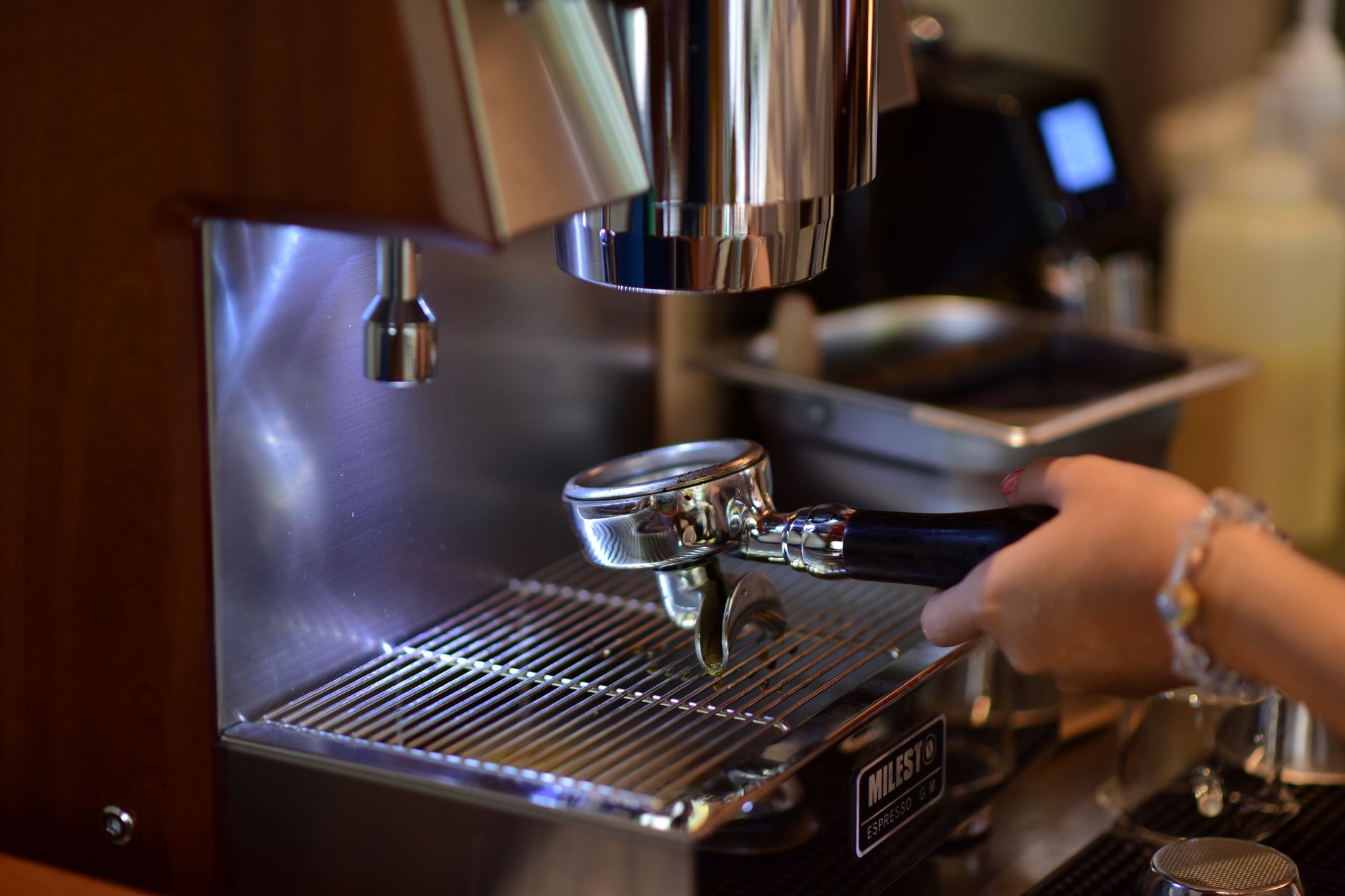 Photo: Sóc Năng Động via Pexels
If espresso quality is non-negotiable but you don’t want to tamp manually, this is the answer. The 6-key intelligent dosing system weighs the grounds. Auto-steam wand textures milk to your set temperature. The app stores up to 8 custom profiles.
At ~$2,000, it’s twice the price of the Magnifica Evo. The justification is real: it punches at semi-automatic quality levels.
Best for: Espresso-first buyers who want hands-free operation without sacrificing shot quality.
4. De’Longhi Dinamica Plus — Best Under $1,000
Direct Answer: The Dinamica Plus sits between the Magnifica Evo and the Jura E8 in both price (~$800) and output. The LatteCrema Hot system produces better micro-foam than the Evo, and the TFT display makes drink customization genuinely intuitive.
- LoBean sensor alerts you when beans are low
- 9 specialty drinks with My Coffee menu personalization
- Separate hot water spout for tea and Americanos
- Thermoblock heating — quick to temperature, but recovery between drinks is slower than a dual-boiler setup
If the Evo feels too entry-level but the Jura E8 is out of budget, the Dinamica Plus fills the gap cleanly.
Best for: Milk-drink households with a ~$800 budget ceiling.
5. Philips 4400 LatteGo — Best Value
Direct Answer: The Philips 4400 LatteGo is the best machine under $700 that doesn’t feel cheap. The LatteGo milk system (a carafe that clips to the front) is genuinely easier to clean than any competitor at this price — rinse it, done.
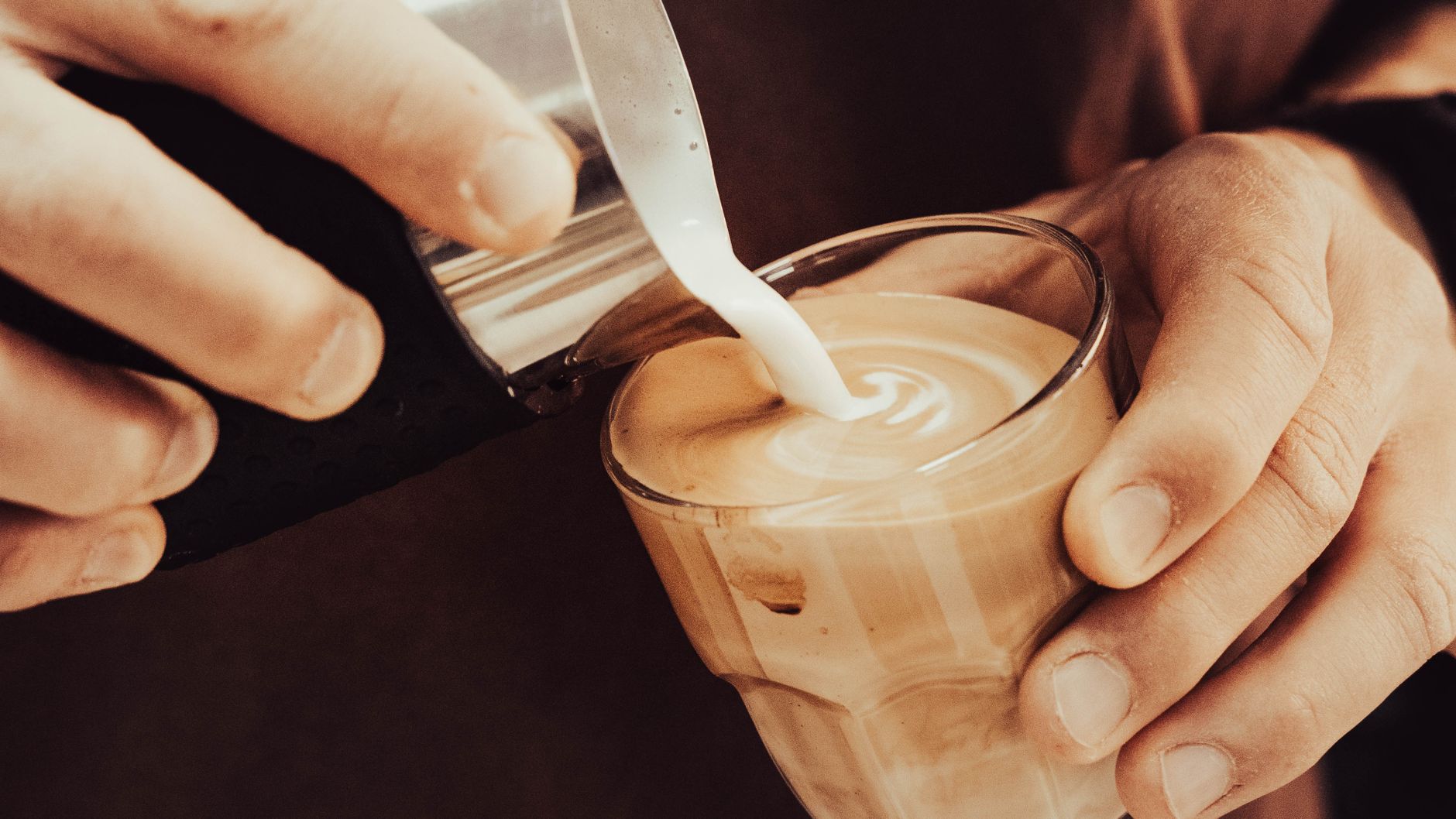 Photo: Drago Rapovac via Pexels
- 12 drink options with 5 intensity levels
- AquaClean filter reduces descaling frequency (up to 5,000 cups)
- Ceramic grinder rated to 20,000 cups — longer-lived than steel in this price tier
- No steam wand; milk frothing is fully automatic only
The ceramic grinder is a quiet advantage here: it runs cooler, which preserves volatile aromatics that steel burrs can cook off under friction heat.
Best for: Budget-conscious buyers who prioritize low maintenance over advanced control.
6. Saeco Xelsis Suprema — Best Premium
Direct Answer: The Saeco Xelsis Suprema is the top of the category for serious home baristas who still want full automation. The 8-user profile system with facial recognition is genuinely useful in multi-person households; every user’s drink comes out exactly as saved without menu navigation.
- Direct Temp technology maintains brewing temperature within ±1°C
- 6-step ceramic grinder with OptiAroma dose adjustment
- Manual steam wand alongside the automatic milk carafe — best of both
- 16 specialty drinks, fully adjustable per profile
At ~$2,500, it competes with the Oracle Touch. The differentiator is the profile system and the dual milk approach (auto carafe + manual wand).
Best for: Multi-person households; buyers who want flagship automation with manual override.
Specs Comparison
| Machine | Boiler Type | Portafilter | PID | Pump Type | Burr Size | Price |
|---|---|---|---|---|---|---|
| De’Longhi Magnifica Evo | Thermoblock | Internal pressurized | No | 15-bar pump | 51mm conical | ~$600 |
| Jura E8 | Thermoblock | Internal | Yes | 15-bar pump | Aroma G3 steel | ~$1,400 |
| Breville Oracle Touch | Dual boiler | 58mm commercial | Yes | 15-bar pump | 58mm conical steel | ~$2,000 |
| De’Longhi Dinamica Plus | Thermoblock | Internal pressurized | No | 15-bar pump | 51mm conical | ~$800 |
| Philips 4400 LatteGo | Thermoblock | Internal | No | 15-bar pump | Ceramic conical | ~$650 |
| Saeco Xelsis Suprema | Dual thermoblock | Internal | Yes | 15-bar pump | 50mm ceramic | ~$2,500 |
Buying Guide: How to Choose
 Photo: Ketut Subiyanto via Pexels
Milk drinker: Jura E8 or De’Longhi Dinamica Plus. Both systems froth automatically with genuine texture. The Jura justifies its premium with P.E.P. extraction and more consistent milk. The Dinamica Plus is the value call.
Espresso purist: Breville Oracle Touch, full stop. No other super-automatic uses a 58mm portafilter or directly tamped puck. If the Oracle Touch is over budget, step back to a semi-automatic — you’ll get better espresso at $700 semi-auto than $700 super-auto.
Convenience-first: De’Longhi Magnifica Evo or Philips 4400 LatteGo. Both clean easily, both are reliable at volume. The Evo has a removable brew group; the Philips has easier milk-system cleaning. Pick based on your maintenance tolerance.
Office / multi-user: Saeco Xelsis Suprema (profile system) or Jura E8 (durability, 17 drinks). Both handle high-volume use well.
Coffee Module A — Equipment Review
Specs
| Spec | Magnifica Evo | Jura E8 | Oracle Touch | Dinamica Plus | Philips 4400 | Saeco Xelsis |
|---|---|---|---|---|---|---|
| Boiler type | Thermoblock | Thermoblock | Dual boiler | Thermoblock | Thermoblock | Dual thermoblock |
| Portafilter size | 51mm internal | Internal | 58mm | 51mm internal | Internal | 50mm internal |
| PID | No | Yes | Yes | No | No | Yes |
| Pump type | 15-bar | 15-bar | 15-bar | 15-bar | 15-bar | 15-bar |
| Burr size | 51mm conical steel | Aroma G3 | 58mm conical steel | 51mm conical steel | Ceramic conical | 50mm ceramic |
Verdict by Archetype
Milk drinker: Jura E8 — P.E.P. extraction improves the espresso base; Fine Foam+ micro-foam is the closest automatic milk gets to manual.
Espresso purist: Breville Oracle Touch — the only super-auto with a commercial-diameter portafilter and direct-tamp system. Everything else in this category caps out below it on shot quality.
Convenience-first: De’Longhi Magnifica Evo — removable brew group, one-button milk system, ~$600. Reliable, low-friction daily use, straightforward maintenance.
→ See Also
- The Complete Guide to Espresso Machines (2026)
- Best Espresso Machine Under $200 (2026)
- Best Espresso Machine Under $500 (2026)
FAQ
Q: Are super-automatic espresso machines worth it? Yes, for households that want fresh-ground espresso daily without manual skill development. You trade control and peak shot quality for consistency and convenience. If you’re comparing to a capsule machine, a mid-range super-auto produces measurably better espresso and costs less per cup long-term.
Q: What’s the difference between a super-automatic and a semi-automatic espresso machine? A semi-automatic requires you to grind separately, dose, tamp, and control extraction manually. A super-automatic integrates all of those steps — the machine grinds, doses, tamps, brews, and usually cleans the puck automatically. Semi-automatics give you more control over shot variables; super-automatics give you repeatability without skill.
Q: How long do super-automatic espresso machines last? Mid-range machines (De’Longhi, Philips) typically last 5–8 years with regular cleaning and annual descaling. Premium machines (Jura, Saeco) are built to commercial-adjacent standards and often run 10+ years. The brew group is the highest-wear component — machines with removable, dishwasher-safe brew groups (De’Longhi) are easier to maintain at the component level.
Q: Can you use pre-ground coffee in a super-automatic? Most super-automatics include a bypass doser — a chute that accepts pre-ground coffee and bypasses the internal grinder. It’s useful for decaf (so you don’t contaminate the grinder) but not ideal for daily use. The internal grinder is the main reason to own a super-automatic; bypassing it undercuts the value proposition.
Q: Which super-automatic makes the best milk foam? The Jura E8’s Fine Foam+ system produces the most consistent micro-foam of any fully automatic machine in this guide. The Breville Oracle Touch’s automated steam wand produces better texture than any carafe-based system, but requires understanding target temperature. For pure automatic foam with no manual input, Jura leads the category.
Q: Do super-automatic espresso machines make real espresso? They pull genuine espresso — pressurized hot water through a compacted puck of ground coffee. Where most super-automatics differ from café espresso is puck preparation: internal pressurized baskets compensate for imprecise tamping, which smooths out extraction variables but limits peak quality. The Breville Oracle Touch is the exception, using a 58mm basket and direct tamping identical to professional equipment.
{
  "@context": "https://schema.org",
  "@graph": [
    {
      "@type": "FAQPage",
      "mainEntity": [
        {
          "@type": "Question",
          "name": "Are super-automatic espresso machines worth it?",
          "acceptedAnswer": {
            "@type": "Answer",
            "text": "Yes, for households that want fresh-ground espresso daily without manual skill development. You trade control and peak shot quality for consistency and convenience. If comparing to a capsule machine, a mid-range super-auto produces measurably better espresso and costs less per cup long-term."
          }
        },
        {
          "@type": "Question",
          "name": "What's the difference between a super-automatic and a semi-automatic espresso machine?",
          "acceptedAnswer": {
            "@type": "Answer",
            "text": "A semi-automatic requires you to grind separately, dose, tamp, and control extraction manually. A super-automatic integrates all of those steps — the machine grinds, doses, tamps, brews, and usually cleans the puck automatically. Semi-automatics give more control; super-automatics give repeatability without skill."
          }
        },
        {
          "@type": "Question",
          "name": "How long do super-automatic espresso machines last?",
          "acceptedAnswer": {
            "@type": "Answer",
            "text": "Mid-range machines typically last 5–8 years with regular cleaning and annual descaling. Premium machines (Jura, Saeco) often run 10+ years. Machines with removable, dishwasher-safe brew groups are easier to maintain at the component level."
          }
        },
        {
          "@type": "Question",
          "name": "Can you use pre-ground coffee in a super-automatic?",
          "acceptedAnswer": {
            "@type": "Answer",
            "text": "Most super-automatics include a bypass doser that accepts pre-ground coffee. It's useful for decaf but not ideal for daily use — the internal grinder is the main reason to own a super-automatic, and bypassing it undercuts the value proposition."
          }
        },
        {
          "@type": "Question",
          "name": "Which super-automatic makes the best milk foam?",
          "acceptedAnswer": {
            "@type": "Answer",
            "text": "The Jura E8's Fine Foam+ system produces the most consistent micro-foam of any fully automatic machine. The Breville Oracle Touch's automated steam wand produces better texture than any carafe-based system but requires understanding target temperature. For pure automatic foam, Jura leads."
          }
        },
        {
          "@type": "Question",
          "name": "Do super-automatic espresso machines make real espresso?",
          "acceptedAnswer": {
            "@type": "Answer",
            "text": "They pull genuine espresso — pressurized hot water through a compacted puck of ground coffee. Most differ from café espresso in puck preparation: internal pressurized baskets compensate for imprecise tamping, limiting peak quality. The Breville Oracle Touch is the exception, using a 58mm basket and direct tamping identical to professional equipment."
          }
        }
      ]
    },
    {
      "@type": "ItemList",
      "name": "Best Super-Automatic Espresso Machines 2026",
      "itemListElement": [
        {
          "@type": "ListItem",
          "position": 1,
          "name": "De'Longhi Magnifica Evo",
          "description": "Best overall super-automatic espresso machine — best balance of price, reliability, and daily usability."
        },
        {
          "@type": "ListItem",
          "position": 2,
          "name": "Jura E8",
          "description": "Best for milk drinks — P.E.P. extraction and Fine Foam+ micro-foam lead the automatic category."
        },
        {
          "@type": "ListItem",
          "position": 3,
          "name": "Breville Oracle Touch",
          "description": "Best for espresso quality — 58mm portafilter and direct tamping produce semi-automatic results automatically."
        },
        {
          "@type": "ListItem",
          "position": 4,
          "name": "De'Longhi Dinamica Plus",
          "description": "Best under $1,000 — stronger milk system than the Evo, intuitive TFT display."
        },
        {
          "@type": "ListItem",
          "position": 5,
          "name": "Philips 4400 LatteGo",
          "description": "Best value — ceramic grinder, easiest milk-system cleaning, low maintenance burden."
        },
        {
          "@type": "ListItem",
          "position": 6,
          "name": "Saeco Xelsis Suprema",
          "description": "Best premium — facial recognition profiles, dual milk system, ±1°C temperature control."
        }
      ]
    }
  ]
}