Contents
Best Stovetop Kettles for Pour Over (2026)
TL;DR: The best stovetop kettle for pour over is one with a gooseneck spout, a comfortable handle, and enough capacity for 2–4 cups. The Hario V60 Buono remains the benchmark for most home brewers — precise flow control, honest price. If you want something more robust, the Fellow Stagg stainless build justifies the extra cost.
What Makes a Stovetop Kettle Good for Pour Over?
Direct Answer: Flow control is everything. A gooseneck spout lets you pour in slow, deliberate circles — that’s how you saturate the bed evenly and control extraction. Capacity (600–1200ml), heat retention, and spout angle matter too, but spout design is non-negotiable for pour over.
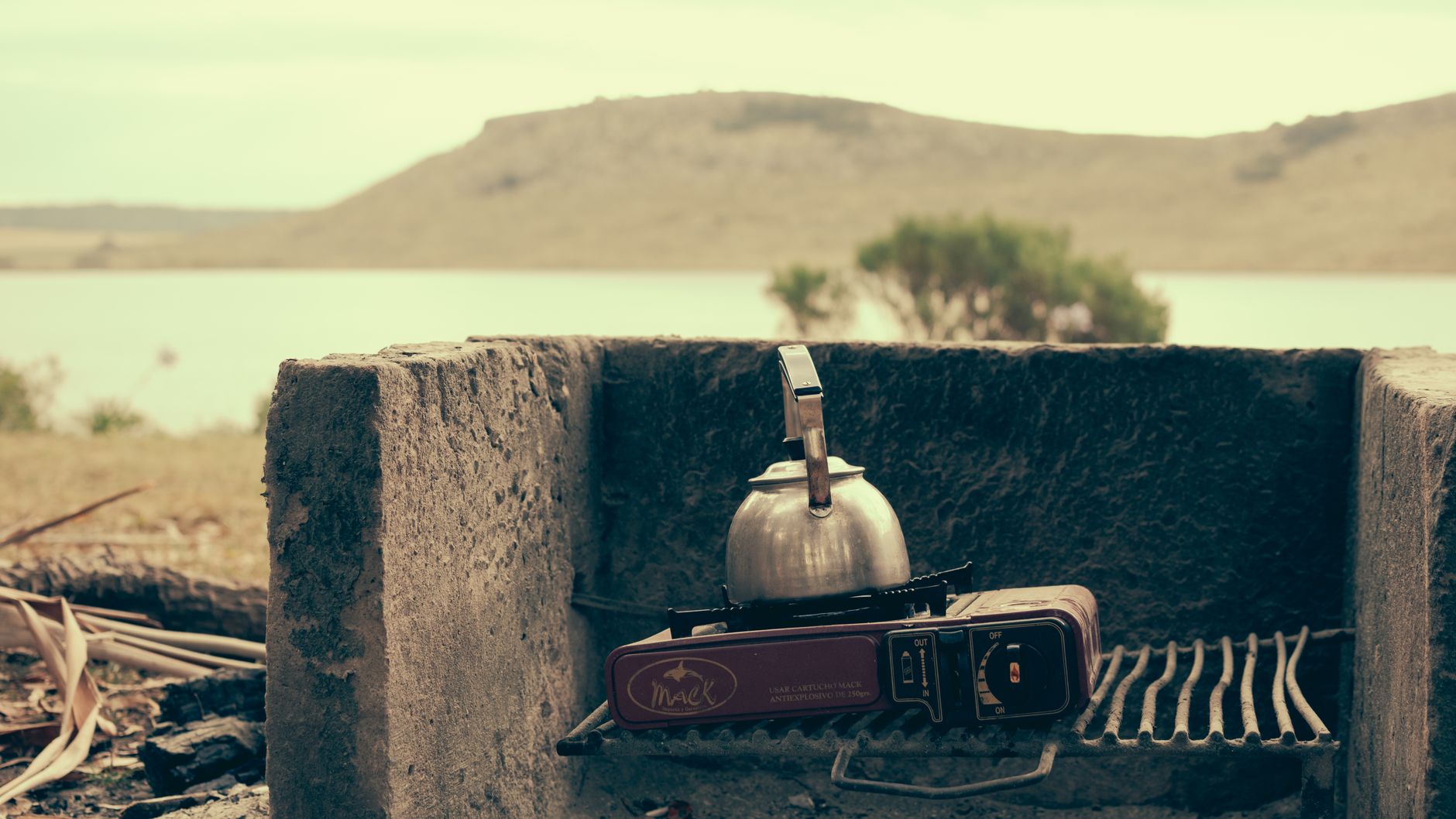 Photo: Ezequiel Milano via Pexels
Pour over brewing punishes imprecision. Too fast a pour and you channel; too slow and you lose heat. A thin, curved gooseneck spout gives you a stream you can actually modulate — something a wide-mouth camp kettle cannot do no matter how carefully you tilt it.
Heat retention matters on stovetop models because you can’t dial in a set temperature. You’ll use a thermometer or the old-school 30-second off-boil rest. A thicker-walled kettle holds temp through your brew; a thin one drops 10°C by the time you hit the third pour.
Spout Angle and Flow Rate
 Photo: Cemrecan Yurtman via Pexels
The angle between the spout base and the body determines how much effort your wrist does. A 45–60° offset means you can pour without torquing your wrist at full capacity. Steeper angles (closer to vertical) give better control at very low flow but get tiring fast with a full 1L kettle. Most 600–800ml kettles hit the sweet spot at 50–55°.
The Best Stovetop Kettles for Pour Over
Direct Answer: Six kettles stand out in 2026. The Hario V60 Buono is the best-value pick. Fellow Stagg is the premium build. Brewista Artisan leads for ergonomics. Coffee Gator and Bodum Bistro are solid budget options. Timemore Fish Smart is the best induction-compatible choice under $60.
 Photo: Simon Schlee via Pexels
Hario V60 Buono Stovetop Kettle
The Buono has been the reference gooseneck for a decade. Thin spout, predictable flow, light in hand — 600ml is enough for one or two brews before you’re refilling, which keeps the weight manageable. Stainless steel, compatible with gas and electric (not induction without an adapter).
Weakness: No thermometer, no markings inside, and the handle heats up with extended stove time. Use a separate thermometer; budget $10 for a Javelin if you don’t have one.
Fellow Stagg Stovetop
Heavier gauge stainless, wider base for stability, counterbalanced handle. The counterbalance design genuinely reduces wrist fatigue on long multi-cup sessions. Built-in drip-catch on the lid. Price is about double the Buono — worth it if you brew daily or value the ergonomics.
Brewista Artisan Gooseneck
Best spout geometry in the category. The curved neck is longer than most competitors, giving you the most granular control at very low flow rates — useful for lighter roasts that need a slow, even bloom. Available in 600ml and 1000ml. The 600ml is better for home use; the litre is for café bar work.
Timemore Fish Smart Stovetop
The best induction-compatible stovetop gooseneck under $60. The Fish Smart’s base is induction-ready, the spout angle is clean, and the matte finish holds up well. Not quite the flow precision of the Brewista, but close — and it works on every heat source without adapters.
Comparison Table
| Kettle | Price | Capacity | Induction | Spout Control | Best For |
|---|---|---|---|---|---|
| Hario V60 Buono | ~$35 | 600ml | No (adapter needed) | Excellent | Budget-conscious daily brewer |
| Fellow Stagg Stovetop | ~$75 | 1000ml | No | Excellent | Multi-cup sessions, ergonomics |
| Brewista Artisan | ~$60 | 600 / 1000ml | No | Best in class | Precision light-roast brewing |
| Timemore Fish Smart | ~$55 | 600ml | Yes | Very good | Induction cooktops |
| Coffee Gator Gooseneck | ~$30 | 600ml | Yes | Good | Tight budget + induction |
| Bodum Bistro Gooseneck | ~$25 | 1000ml | No | Moderate | Budget, high capacity |
Equipment Review Module
Specs: Top Three Picks
| Feature | Hario V60 Buono | Fellow Stagg Stovetop | Brewista Artisan 600ml |
|---|---|---|---|
| Material | Stainless | Stainless | Stainless |
| Capacity | 600ml | 1000ml | 600ml |
| Induction | No | No | No |
| Thermometer | No (sold separately) | No | No |
| Handle type | Fixed loop | Counterbalanced | Fixed loop |
| Spout offset angle | ~50° | ~55° | ~60° |
| Country of origin | Japan | USA (China-made) | USA (China-made) |
 Photo: Redyar Rzgar via Pexels
Verdict by Brewer Archetype
Daily home brewer (1–2 cups): Hario V60 Buono. No compelling reason to spend more if you’re brewing on gas or electric.
Precision-obsessed light-roast drinker: Brewista Artisan. The extended spout neck gives control the others don’t.
Induction cooktop user: Timemore Fish Smart. Avoids the hassle of induction adapters, no meaningful quality trade-off.
High-volume or ergonomics-sensitive: Fellow Stagg. The counterbalanced handle matters when you’re pouring 800ml multiple times a day.
Do You Need a Thermometer?
Yes — for stovetop kettles, always. You have no digital control so you’re going off feel or time. For most pour over methods (V60, Kalita Wave, Chemex), target 90–96°C depending on roast level. Lighter roasts want the higher end; dark roasts extract fine at 90–92°C.
A pocket thermometer like the Javelin CDN or Thermapen One handles this. If you buy a kettle without a built-in thermometer and don’t already own one, factor in ~$10–30 for the thermometer.
Stovetop vs. Electric Gooseneck Kettle
Stovetop kettles cost less and last longer — fewer failure points. Electric kettles add temperature control and a hold function, which matters if you want to brew at 91°C and keep it there. For beginners, stovetop + thermometer is the honest recommendation; it teaches you to feel the water. For consistent daily workflows, electric wins on convenience.
→ See also:
- Best Coffee Accessories (2026 Complete Guide)
- Best Coffee Scales (2026 Reviewed)
- Acaia Pearl Review: Is It Worth $150?
FAQ
What size gooseneck kettle is best for pour over at home? 600ml covers one to three cups without the weight penalty of a full litre. If you regularly brew for two or three people at once, step up to 800–1000ml — but pour control gets harder as the kettle gets heavier.
Can I use a regular kettle for pour over? You can, but you’ll fight for control the whole way. A standard wide-mouth pour floods the bed faster than you can direct it. The resulting over-extraction is noticeably bitter. A gooseneck isn’t a gimmick — it solves a real mechanical problem.
Is the Hario V60 Buono induction compatible? No, not natively. You’ll need an induction plate adapter. If you have an induction cooktop, the Timemore Fish Smart is the cleaner solution and costs about the same.
How do I control temperature with a stovetop kettle? Boil fully, then let it rest 30 seconds off heat — that gets you to roughly 94–96°C. For lower targets (90–92°C), rest 60–90 seconds or use a pocket thermometer. After a few days of measuring, you’ll know your stove and kettle’s cool-down curve.
How long does a gooseneck stovetop kettle last? A stainless gooseneck with no electronics should last 10+ years with basic care. The failure mode is usually the handle attachment or a dented spout from drops — not the steel itself. Fellow and Hario both offer replacement parts.
Does spout length affect pour quality? Yes. A longer spout neck increases fine-motor leverage — small wrist movements translate to larger flow-rate changes. This is why the Brewista Artisan, with its longer neck, gives the most precise control. Short spouts are less forgiving for slow pours on lighter roasts.