Contents
Best Nespresso Machines (2026 Ranked)
TL;DR: The best Nespresso machine overall is the Vertuo Next for most households — it handles both espresso and full cups, costs under $150, and the barcode-scanning brew system takes guesswork out of extraction. If you want Original system quality with manual control, the Essenza Mini is the budget pick; the Creatista Pro is the step up for genuine milk texture.
Which Nespresso Machine Is Best for You?
Direct answer: Your choice comes down to one decision first — Vertuo or Original system. Vertuo gives you capsule variety (espresso to 18oz carafe) with centrifusion brewing. Original gives you higher pressure (19-bar vs 15-bar), better compatibility with third-party pods, and faster heat-up. Everything else — size, milk frother, price — is secondary.
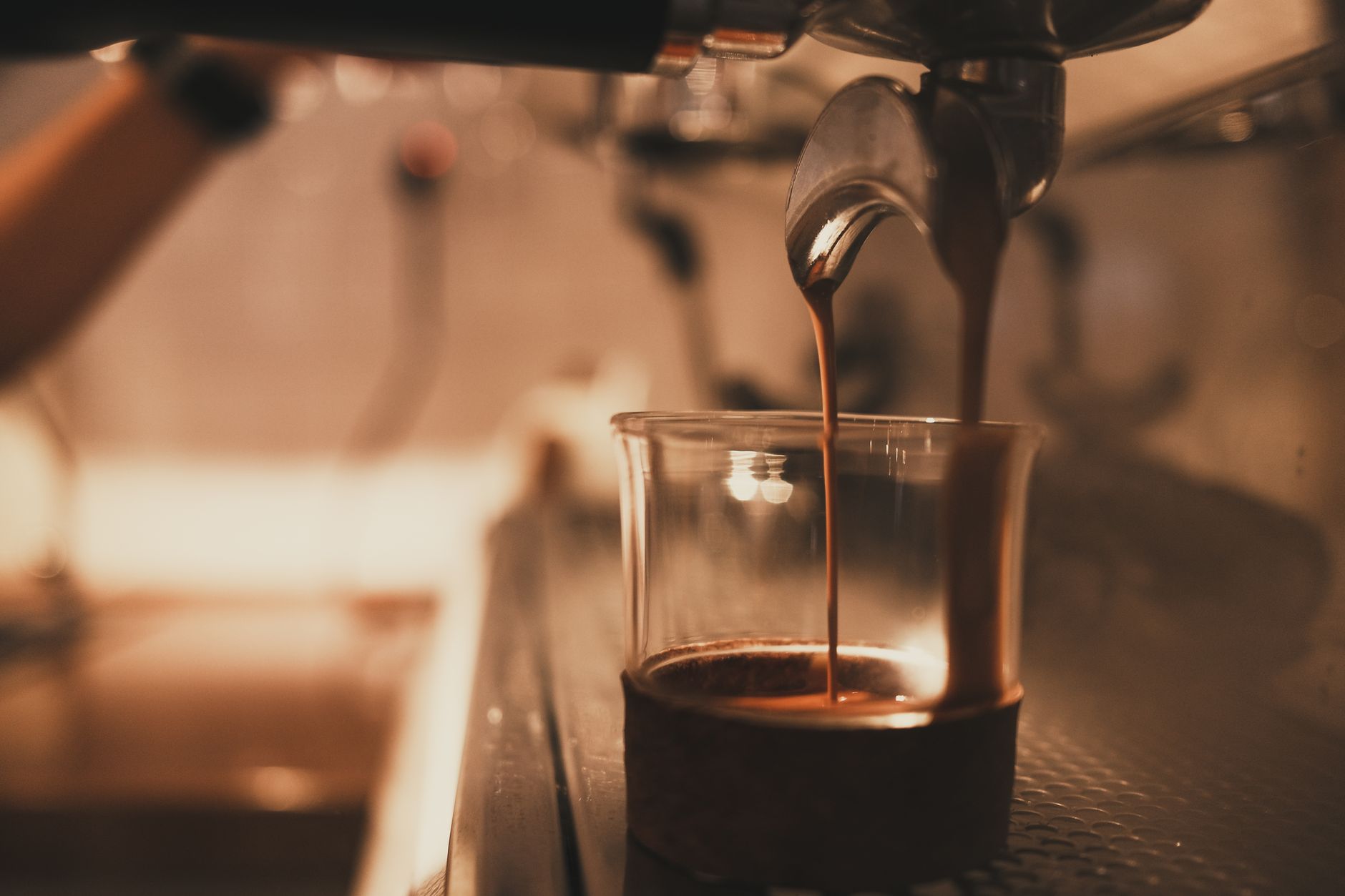
 Photo: Eddie O. via Pexels
| Machine | System | Best For | Price Range |
|---|---|---|---|
| Vertuo Next | Vertuo | Most households | $120–$150 |
| Vertuo Pop | Vertuo | Small spaces, budget | $80–$100 |
| Vertuo Creatista | Vertuo | Milk drinks, premium | $500+ |
| Essenza Mini | Original | Espresso purists, budget | $100–$130 |
| Pixie | Original | Compact + fast heat-up | $130–$160 |
| Creatista Pro | Original | Serious latte craft | $550–$700 |
| Lattissima Pro | Original | Automated milk drinks | $350–$450 |
Best Overall: Nespresso Vertuo Next
The Vertuo Next hits the sweet spot between versatility and price. It brews five cup sizes (40ml espresso to 414ml Alto), reads barcodes on every capsule to set extraction parameters automatically, and produces a genuinely thick, consistent crema. At $120–$150, nothing in the lineup gives you more for the money.
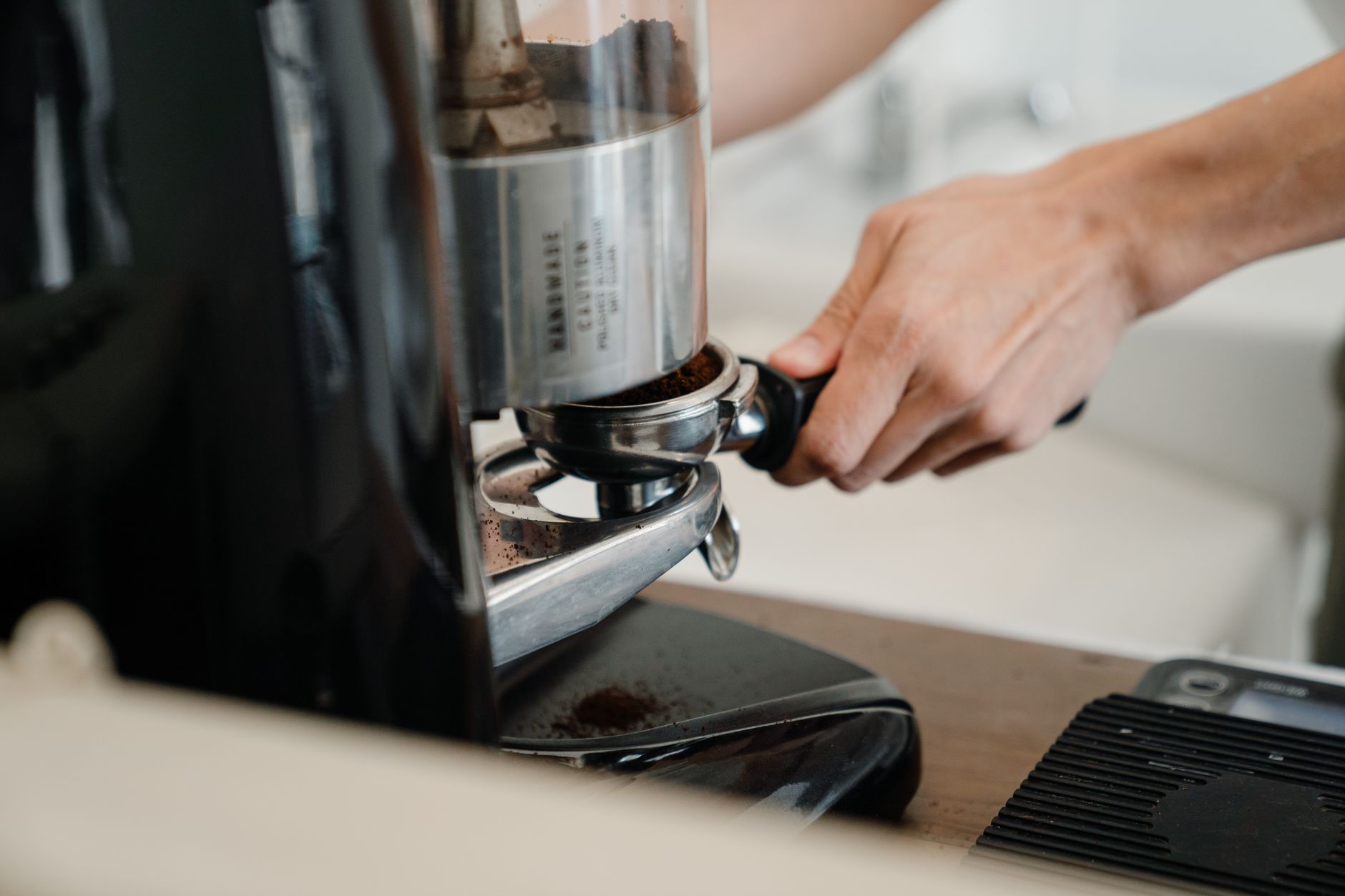
 Photo: Zehra K. via Pexels
The centrifusion system spins the capsule up to 7,000 RPM while hot water is injected. That’s not marketing — it produces a foamy, persistent crema that you won’t get from a static pressure system at this price. For black coffee drinkers who want espresso, americanos, and the occasional larger cup from a single machine, this is the one.
The Next is also the most eco-conscious Vertuo entry: the body is made from 54% recycled plastic, and Nespresso’s recycling program is mature enough to actually use.
Downsides: The pump is audible. Capsule costs run $0.85–$1.25 each, which adds up fast if you’re a multi-cup-per-day drinker. And the Vertuo ecosystem locks you into Nespresso’s own pods — no cheap third-party alternatives like you get with Original system machines.
Best Budget: Nespresso Vertuo Pop
At $80–$100, the Vertuo Pop is the cheapest entry into the Vertuo system and loses almost nothing versus the Next. Same centrifusion brewing, same barcode scanning, same five cup sizes. The trade-off is a smaller water tank (600ml vs 1.1L) and no carafe size support.
If you’re one person, drink one or two coffees a day, and have a small kitchen, the Pop is the honest recommendation. The color options are better than the rest of the lineup too — it doesn’t look like a medical device.
→ Full breakdown: Nespresso Vertuo Pop Review (2026)
Best for Espresso Quality: Nespresso Essenza Mini (Original System)
The Essenza Mini is 12cm wide, heats up in 25 seconds, and pulls at 19-bar pressure — the same pressure as machines twice its price. For anyone who only wants espresso and lungo, not larger cups, this is the most capable machine at the lowest cost.
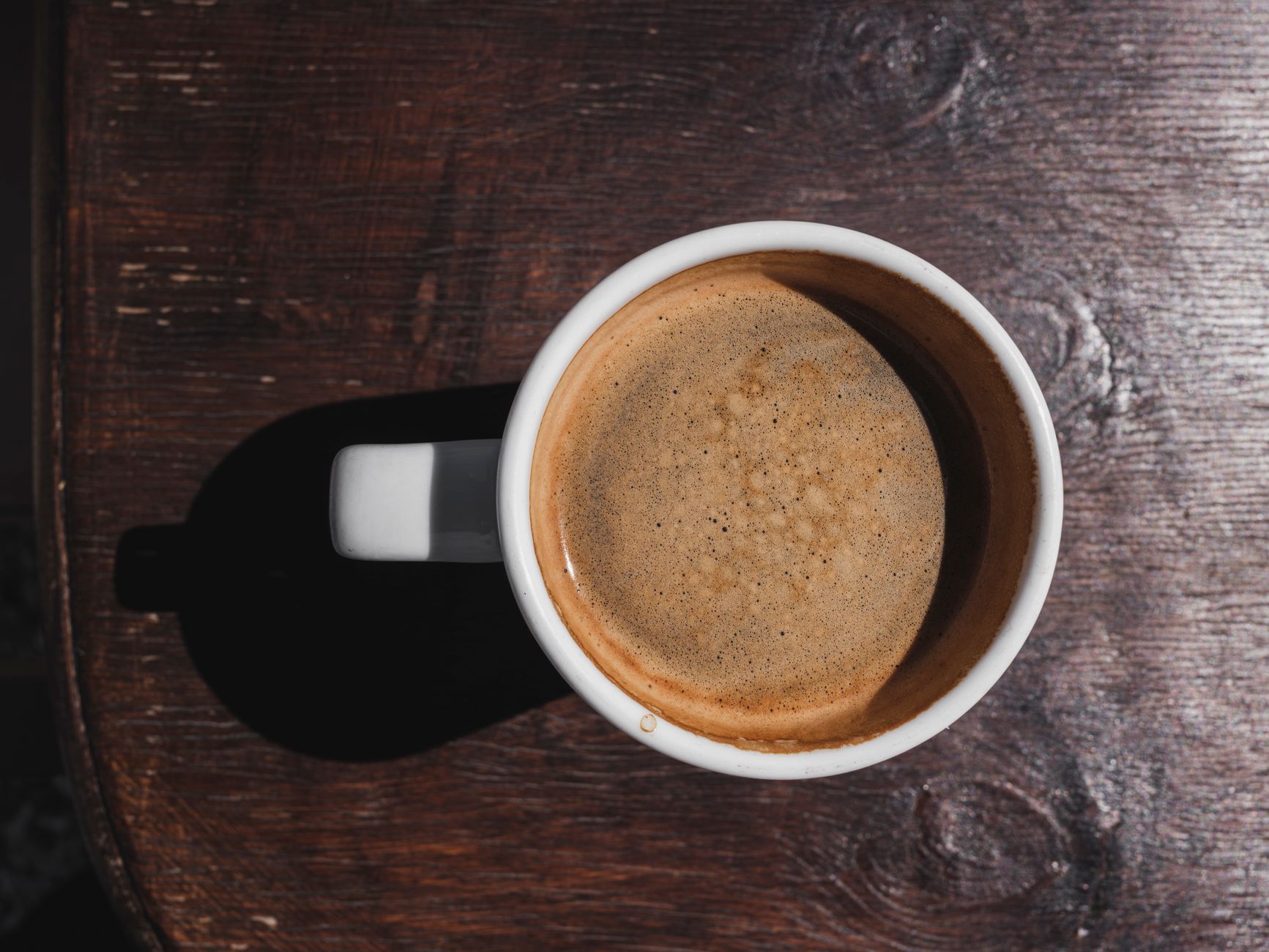
 Photo: Febry Arya via Pexels
The Original system advantage is real: 19-bar pressure extracts differently than Vertuo’s centrifusion, particularly for single-origin and medium-roast capsules where nuance matters. You also get access to the full third-party Original-compatible capsule market — Lavazza, Peet’s, and dozens of specialty roasters offer Original-format pods at $0.50–$0.70 each, meaningfully cheaper than Nespresso’s own range.
The Mini’s one-touch operation (espresso or lungo button) is about as simple as a coffee machine gets. No app, no barcode scanning, no complexity. Heat it up, press a button, done in 30 seconds total.
Best for Milk Drinks Without Manual Steaming: Nespresso Lattissima Pro
The Lattissima Pro attaches a dedicated milk container that froths directly into your cup — latte, cappuccino, macchiato, or flat white at one button press. No standalone frother to clean separately, no technique required. It’s the right machine if speed and consistency with milk drinks matters more than barista-grade texture.
The milk container is dishwasher-safe, which addresses the #1 complaint about integrated frother systems (cleaning). The machine runs Original system capsules, so you get 19-bar extraction on the espresso base.
The trade-off versus the Creatista machines is control: the Lattissima’s milk system automates everything, which means you can’t dial in foam density, temperature, or texture the way you can with a steam wand. If you want to learn to steam milk, this isn’t your machine. If you want a cappuccino before your eyes are open, it is.
Best Premium: Nespresso Creatista Pro (Original System)
The Creatista Pro is the only Nespresso machine with a real steam wand — one that produces microfoam close enough to a commercial espresso machine to pour basic latte art. If you want genuine milk texture control without buying a full espresso machine, this is the ceiling of the Nespresso range.
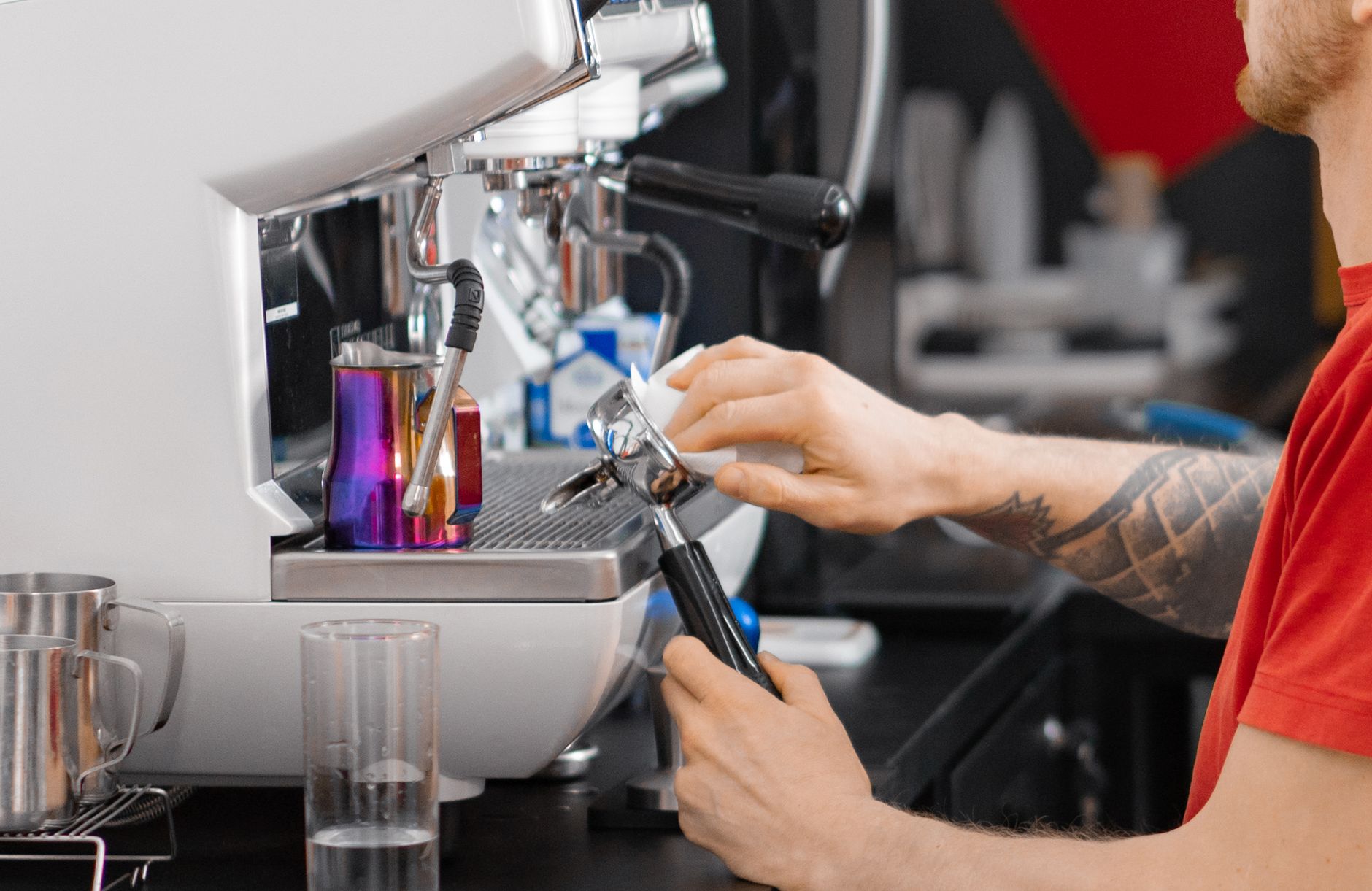
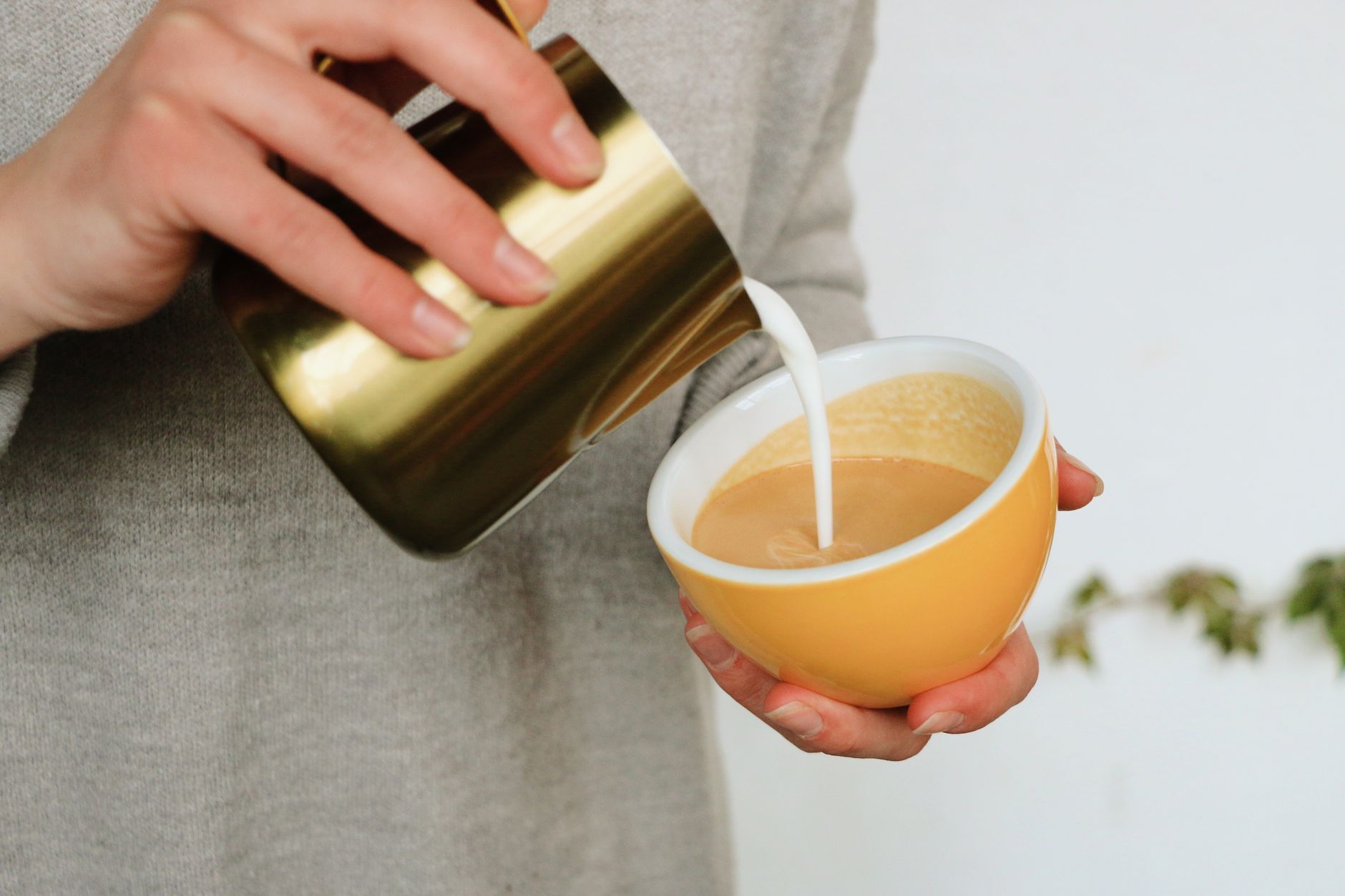 Photo: Maksim Goncharenok via Pexels
The stainless steel build, 3-second heat-up, and 11 milk texture settings justify the $550–$700 price tag for the right buyer. It’s not competing with a $1,500 espresso machine — it’s competing with the alternative of paying $5–$7 per drink at a café every day.
For most people, the Lattissima Pro automates what they actually want. The Creatista is for people who care about the foam.
Vertuo vs Original: The System Question
 Photo: Maksim Goncharenok via Pexels
This deserves direct treatment because it’s the decision that locks you in:
| Vertuo | Original | |
|---|---|---|
| Pressure | ~15-bar equivalent (centrifusion) | 19-bar pump pressure |
| Cup sizes | 5 (40ml–414ml) | 2–3 (25ml–110ml) |
| Third-party capsules | No | Yes (many brands) |
| Capsule cost | $0.85–$1.25 | $0.50–$1.25 |
| Crema | Thick, foam-based | Traditional espresso crema |
| Milk machine options | Limited | More options |
Vertuo wins if: you want variety in cup size, drink more than espresso/lungo, or want the barcode-auto-brew convenience.
Original wins if: you want the closest thing to real espresso extraction, care about third-party pod compatibility, or prioritize lower ongoing cost.
→ Deep comparison: Nespresso Vertuo vs Original: Which System Should You Buy?
What to Ignore When Shopping
The spec sheets push tank size and “bar pressure” aggressively. A few notes on what actually matters:
Bar pressure: Nespresso machines all exceed the minimum needed for espresso extraction. The difference between 15-bar and 19-bar matters more in theory than in practice for capsule machines, where the extraction parameters are mostly fixed by the capsule itself.
Tank size: Relevant only if you’re making many cups before refilling. For 1–2 daily drinkers, any tank in the lineup is fine.
Heat-up time: This one actually matters. The Original system machines heat up in 25–30 seconds. Some Vertuo machines take 30–45 seconds. Not a dealbreaker, but worth knowing.
Built-in frothers: Every Nespresso machine except the Creatista and Lattissima series ships with or offers an Aeroccino milk frother as a bundle. The Aeroccino 3 and 4 produce decent foam for lattes — fine for daily use, not comparable to a steam wand.
→ See Also
- Nespresso Vertuo vs Original: Which System Should You Buy?
- Nespresso Vertuo Pop Review (2026)
- Nespresso Vertuo Next Review (2026)
FAQ
What is the best Nespresso machine for beginners? The Vertuo Next. The barcode-scanning system sets brew parameters automatically, so there are no settings to learn — put in a capsule, press a button. It also handles espresso, double espresso, gran lungo, mug, and alto sizes, which gives you room to figure out what you actually like before committing to a cup size preference.
Is the Nespresso Vertuo or Original system better for espresso? Original system machines run at 19-bar pump pressure and produce a more traditional espresso crema. Vertuo’s centrifusion produces thick foam that looks similar, but the extraction method is different. For espresso purists, Original is better. For variety and convenience, Vertuo wins.
Can you use non-Nespresso pods in Nespresso machines? Only in Original system machines. Original-compatible capsules from Lavazza, Peet’s, Starbucks, and specialty roasters are widely available, often cheaper, and fit without adapters. Vertuo machines use a DRM-locked barcode system that only works with official Nespresso Vertuo capsules.
How long do Nespresso machines last? With regular descaling (every 3 months for hard water, every 6 months for soft), most Nespresso machines reliably last 5–7 years. The main failure points are the pump and the seal around the capsule holder — both are repairable by Nespresso’s service network within the warranty period.
Is a Nespresso machine worth it compared to a drip coffee maker? For espresso and milk drinks, yes. For plain black coffee consumed in volume, no. A Nespresso machine at $1/capsule costs $30/month for one daily cup — roughly 3–4× the cost of drip coffee by volume. The value case is replacing café visits ($5–$7 per drink), not replacing a drip machine.
What’s the difference between the Vertuo Next and Vertuo Pop? Functionally, almost nothing. Same centrifusion brewing, same capsule compatibility, same cup sizes. The Pop has a smaller water tank (600ml vs 1.1L) and doesn’t support the 18oz carafe size. It costs $30–$50 less and comes in more color options. Single-user households should default to the Pop.
Do all Nespresso machines come with a milk frother? No. Most Nespresso machines are sold in bundles that include an Aeroccino frother, but the frother is a separate unit. The Lattissima and Creatista lines have integrated milk systems. If you want milk drinks and buy a standalone machine, budget for an Aeroccino 3 (~$50) or a better standalone frother.
Editorial methodology: Assessments are based on manufacturer specifications, published user reviews, and editorial research. Physical hands-on testing is noted explicitly where it occurred. Rankings reflect our editorial judgment and are not influenced by affiliate commission rates. Full editorial policy · Affiliate disclosure