Contents
Best Coffee Descalers (2026): Clean Your Machine Right
TL;DR: The best coffee descaler removes mineral buildup without damaging internal components — citric acid descalers are the safest all-rounders, while manufacturer-specific formulas are required for some machines. For most home brewers, a citric acid blend like Urnex Dezcal or Full Circle hits the right balance of effectiveness, safety, and price.
Which Coffee Descaler Should You Actually Buy?
The short answer: Urnex Dezcal for most machines, manufacturer descaler if your warranty depends on it. Citric acid is the active ingredient that does the work — everything else is packaging and pH buffering. Avoid vinegar; it leaves residue and can damage rubber seals over time.
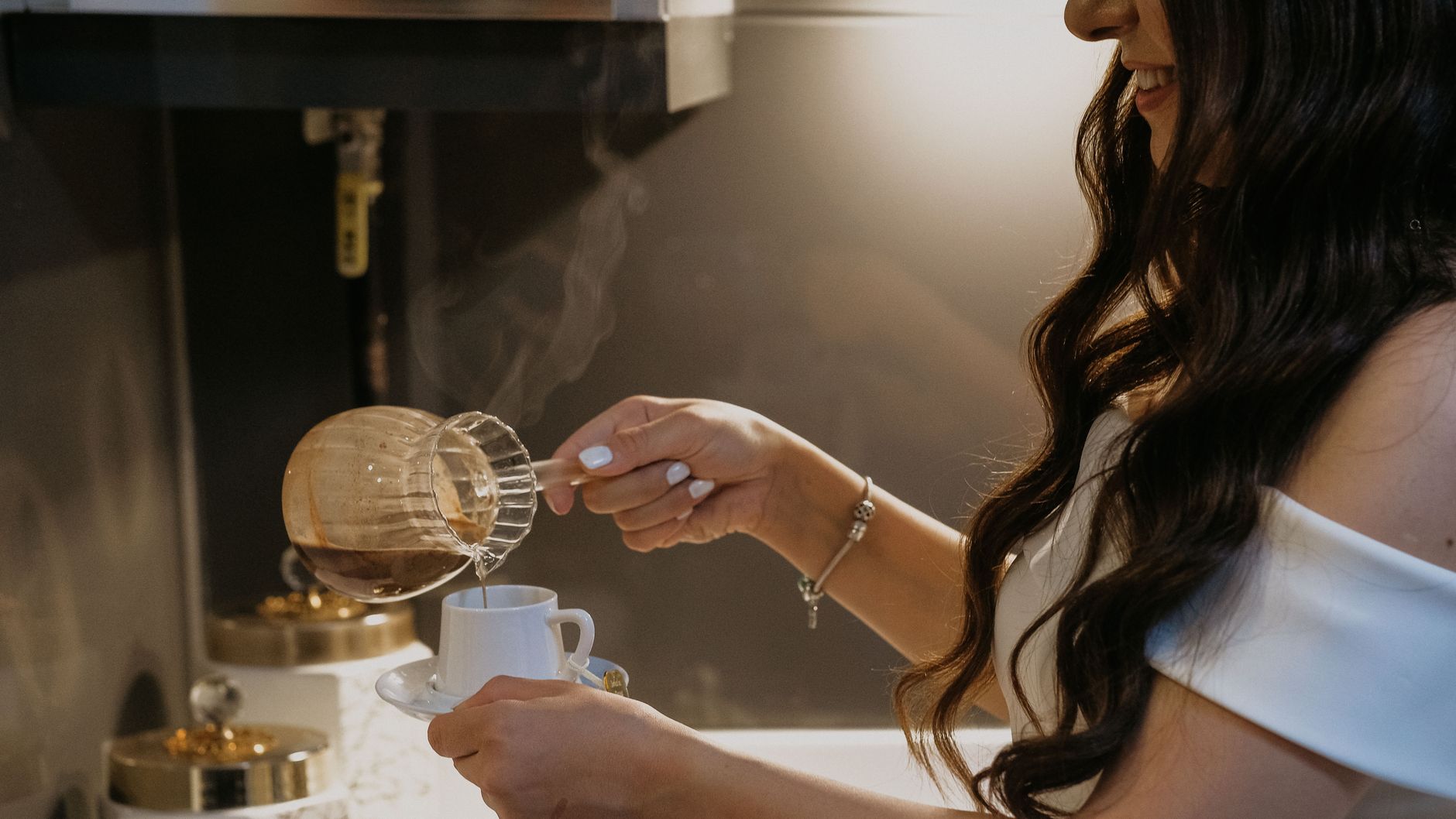
 Photo: Jakub Zerdzicki via Pexels
Descaling is not optional maintenance. Limescale insulates heating elements, forces pumps to work harder, and progressively degrades espresso extraction temperature — all of which affect shot quality before you ever notice the machine struggling. A machine descaled every 2–3 months in hard water areas outlasts one ignored for years.
The market breaks into three categories: citric acid blends, manufacturer-branded solutions, and lactic/sulfamic acid formulas. Each has a use case.
Top Picks: Best Coffee Descalers Reviewed
Urnex Dezcal
The benchmark descaler. Citric acid base, compatible with virtually every home espresso machine and drip brewer. At roughly $10 for 4 treatments, it undercuts most branded alternatives without sacrificing performance.
 Photo: Masud Allahverdizade via Pexels
Dezcal has been the industry standard in commercial café maintenance for over a decade, which explains why it’s trusted for home use. The citric acid concentration is calibrated for effective mineral dissolution without the acidity spike that vinegar creates. It rinses cleanly — no residual taste in subsequent shots.
Works with: Breville, DeLonghi, Jura (check warranty), Nespresso, Gaggia, Rancilio, drip brewers, pour-over kettles.
Specs:
- Active ingredient: Citric acid
- Format: Powder (sachets)
- Treatments per pack: 4
- Compatible machine types: Espresso, drip, pod, kettle
- Food-safe ingredients: Yes
Durgol Swiss Espresso Descaler
Fast-acting sulfamic acid formula designed specifically for espresso machines. Works in 15–20 minutes versus 30+ for citric acid. Recommended by Jura and several Swiss machine manufacturers — essential if your machine’s warranty specifies it.
 Photo: Eddie O. via Pexels
Durgol’s formula is more aggressive than citric acid, which is both its advantage and its caveat. It clears heavy scale deposits faster, making it the right tool after extended neglect. The tradeoff: it’s roughly 3× the price of Dezcal per treatment and overkill for routine quarterly maintenance on a well-kept machine.
Where it earns its price: Jura automatics, machines with thermoblock systems where scale deposits in narrow channels, or any machine that’s been in hard water for 12+ months without descaling.
Eccellente Descaler for Nespresso
A citric-acid descaler formulated and priced for pod machine volumes — sold in bulk packs that bring per-treatment cost under $2. Does everything the Nespresso-branded kit does at a fraction of the price.
If you run a Nespresso Original or Vertuo daily, you’ll descale 4–6 times per year. Brand loyalty here costs $40–60 annually versus $8–12 with a compatible alternative. Eccellente is the sensible choice for machines out of warranty or where Nespresso’s kit isn’t required.
DeLonghi EcoDecalk
The OEM choice for DeLonghi and Magnifica owners. Lactic acid base, biodegradable, and explicitly approved for all DeLonghi machines. Use this if your DeLonghi is under warranty and you want zero questions asked.
 Photo: freestocks.org via Pexels
EcoDecalk’s lactic acid formula is gentler than sulfamic alternatives and certified for DeLonghi’s internal components. For machines under warranty, this removes any ambiguity — descaling with an unauthorized product and then claiming a warranty repair for a failed boiler is a conversation you don’t want to have.
Full Circle Descaler by Urnex
The biodegradable upgrade from the same manufacturer as Dezcal. Plant-based citric acid, food-safe, and performs identically to Dezcal in most home use cases. Worth the marginal price premium if sustainability matters to your purchasing decisions.
Comparison Table: Best Coffee Descalers 2026
| Descaler | Price (per treatment) | Active Ingredient | Format | Best For |
|---|---|---|---|---|
| Urnex Dezcal | ~$2.50 | Citric acid | Powder | Most home machines |
| Durgol Swiss Espresso | ~$7–8 | Sulfamic acid | Liquid | Jura, heavy scale buildup |
| Eccellente for Nespresso | ~$1.50 | Citric acid | Liquid | Pod machines, high frequency |
| DeLonghi EcoDecalk | ~$4 | Lactic acid | Liquid | DeLonghi warranty holders |
| Full Circle by Urnex | ~$3.50 | Citric acid (plant-based) | Powder | Eco-conscious buyers |
How to Choose: Descaler by Machine Type
Match the descaler to the machine’s chemistry requirements, not the marketing. Most machines run fine on citric acid. A few — particularly Swiss automatics — specify sulfamic acid. Check the manual before buying.
| Machine Type | Recommended Descaler |
|---|---|
| Breville / Sage | Urnex Dezcal or Full Circle |
| Jura automatic | Durgol Swiss (manufacturer spec) |
| DeLonghi / Magnifica | EcoDecalk (warranty) or Dezcal (post-warranty) |
| Nespresso Original / Vertuo | Eccellente or Nespresso kit |
| Rancilio Silvia / Gaggia Classic | Urnex Dezcal |
| Drip brewer / kettle | Dezcal or any citric acid blend |
Descaling Frequency: Hard Water vs. Soft
How often you descale depends on water hardness, not a calendar. Most machines ship with test strips — use them.
- Soft water (0–60 ppm): Every 4–6 months
- Moderate (60–120 ppm): Every 2–3 months
- Hard water (120+ ppm): Monthly or filtered water + quarterly descaling
The single highest-ROI maintenance habit for espresso quality is switching to filtered or Third Wave Water — it eliminates most descaling cycles while also improving extraction flavor. But if you’re on tap, descale on schedule.
Why Vinegar Doesn’t Work
Vinegar (acetic acid) is less effective at dissolving calcium carbonate than citric or sulfamic acid, leaves a persistent smell, and degrades rubber gaskets and O-rings over time. The cost “savings” evaporate when a group head gasket needs replacing at $15 and 45 minutes of your time. Use a purpose-made descaler.
→ See Also
- Best Coffee Accessories (2026 Complete Guide)
- Best Coffee Scales (2026 Reviewed)
- Acaia Pearl Review: Is It Worth $150?
FAQ
What is the best coffee descaler for home espresso machines? Urnex Dezcal is the best all-purpose choice — it’s food-safe, compatible with nearly every home machine, and costs roughly $2.50 per treatment. If your machine is under warranty and the manufacturer specifies a branded descaler, use that instead to avoid voiding coverage.
Can I use citric acid instead of commercial descaler? Yes — food-grade citric acid powder at 1–2% solution works identically to most commercial descalers, since citric acid is their primary active ingredient. The advantage of commercial blends is consistent dosing and pH buffering; the advantage of raw citric acid is price. Either works fine.
How do I know when my machine needs descaling? Slower brew cycles, lower brew temperature, reduced steam pressure, or a descaling indicator light are all signs. In hard water areas, descale proactively every 2–3 months regardless of symptoms — by the time performance degrades noticeably, significant scale has already built up.
Is vinegar safe to use as a coffee machine descaler? No. Acetic acid is less effective at dissolving limescale than citric or sulfamic acid, leaves residual odor and taste, and degrades rubber components over time. Commercial descalers cost $2–8 per treatment — use one.
Does descaler damage espresso machine boilers? Properly diluted citric or sulfamic acid descalers do not damage stainless steel, copper, or brass boilers when used as directed. Running descaler at higher than recommended concentration or skipping rinse cycles can leave residue. Follow the manufacturer’s dilution ratio and complete all rinse cycles.
What’s the difference between Durgol and Dezcal? Durgol uses sulfamic acid and works in 15–20 minutes; Dezcal uses citric acid and takes 30+ minutes. Durgol is more aggressive, faster-acting, and 3× the cost per treatment. For routine maintenance, Dezcal is sufficient. For machines with heavy buildup or Jura automatics that specify Durgol, it’s worth the premium.
Editorial methodology: Assessments are based on manufacturer specifications, published user reviews, and editorial research. Physical hands-on testing is noted explicitly where it occurred. Rankings reflect our editorial judgment and are not influenced by affiliate commission rates. Full editorial policy · Affiliate disclosure